"When Evil Lurks — The Rural Gut-Punch That Redefined Satanic Horror"
Demian Rugna delivers a rural horror masterpiece about a demonic possession epidemic in the Argentine pampas that shatters every moral boundary in its path.

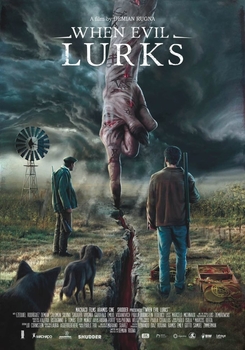


At Claqueta Ácida, we’ve always prided ourselves on having ironclad stomachs and minds hardened by a thousand battles against the most depraved celluloid. We’ve survived Catholic living-room possessions of every stripe, impeccably suited exorcists, and digitally designed demons whose only goal is cheap jump scares in mall multiplexes. But what Argentine filmmaker Demián Rugna unleashes in When Evil Lurks (2023) defies every conventional category in today’s genre cinema. This isn’t just another haunted-house scarefest or empty gore exploitation—it’s a full-blown sensory assault, a contemporary horror masterpiece, and a sucker punch straight to the gut of global cinephilia. With a cruelty that’s been sorely missing from screens, Rugna obliterates the tired, sanitized, and predictable rules of Hollywood exorcism movies in one fell swoop, gifting us instead a rural demonic virus that spreads like the plague, with zero respect for children, animals, or the sanity of an audience left stunned by the absolute dismantling of hope.
This nightmare unfolds at a slow but relentless boil in a deeply isolated, dust-choked, and desolate corner of the Argentine pampas. In this hostile expanse of endless plains, two deeply ordinary farmer brothers, Pedro (Ezequiel Rodríguez) and Jimi (Demián Salomón), stumble upon a "rotten one" in a neighboring shack—a man possessed by a demon, rotting alive, his body warping into a grotesque, pus-filled, hyper-real mass of metaphysical evil. The horror isn’t just in the infected man’s repulsive appearance but in the useless bureaucracy and absolute incompetence of state authorities, who’d rather look the other way than deal with a problem that defies all logic. Desperation and functional illiteracy in the face of the occult drive the brothers to haul the dying man hundreds of miles in the bed of their pickup, dumping him on some backroad—thereby systematically breaking every sacred rule of survival against ancient evil: never shoot a possessed person, never turn on a light to accelerate their manifestation, and under no circumstances lower your guard or speak the creature’s name. This irreversible, fatal mistake becomes the perfect catalyst for an apocalyptic plague of madness, collective paranoia, and unstoppable demonic assimilation across the region.
The abolition of moral rules and analog brutality
What truly cements When Evil Lurks in the hallowed halls of our "weird and wonderful" section is its absolute, deliberate lack of compassion—for both its characters and its audience. Rugna isn’t here to play by the moral codes of modern horror, which often leans on false transcendence or sentimentalism that softens death’s impact. Here, the director shatters the most sacred taboos of commercial cinema with wild, kamikaze audacity: extreme physical violence and explicit gore strike children, mothers, and pets without warning, devoid of heroism or last-minute redemption. Iconic scenes—like the fate of the Carter family’s dog, the shocking and unpredictable roadside attack, or the agonizing final showdown in the abandoned rural school—instantly become landmarks of dramatic brutality and raw, unflinching analog gore, the kind that lingers in cinematic memory this century. There’s no room for elegant ellipses; Rugna’s camera lingers where other films would’ve cut to black long ago.On the technical and visual front, cinematographer Mariano Suárez’s work is nothing short of masterful. Suárez captures the Argentine countryside by rejecting idyllic aesthetics, opting instead for natural, crepuscular, grimy, and dust-choked lighting. He transforms endless wheat fields, deserted highways, and rustic brick houses into the suffocating settings of a rural nightmare—one you can’t physically escape. Meanwhile, the practical effects and prosthetics are immaculately repulsive: we witness bodies deformed beyond recognition, bursting under their own weight, brutal self-mutilation with rusted axes in domestic settings, and makeup design for the original "rotten one" that transcends mere disgust to provoke genuine moral and metaphysical nausea. The narrative flows at the frantic pace of a desperate escape to nowhere, structured like a cursed road movie where every decision the brothers make only tragically and irreversibly worsens the fate of anyone unlucky enough to cross their path.
The best
- Transgressive Audacity: Rugna’s fearless transgression—shattering every moral limit of what’s acceptable on the big screen while maintaining a visual and cinematic prowess worthy of the genre’s 70s and 80s masters.
- Rural Atmosphere: The mastery with which the Argentine countryside is stripped of any poetic mysticism, instead portrayed as a true wasteland of desolation, filth, neighborly distrust, and institutional abandonment.
- Ezequiel Rodríguez’s Performance: A colossal acting masterclass from Ezequiel Rodríguez, packed with visceral rage, real sweat, paternal desperation, and existential defeat that leaps off the screen to infect the audience with its anguish.
- Sound Design and Physicality: The sound design and physical effects—the crunch of bones, the tearing of flesh, and the sepulchral silence of rural exteriors—amplify tension to an almost unbearable degree for the nervous system.
The worst
- Lore Complexity: The lore’s complexity—viewers less familiar with rule-heavy horror might find the plague’s nature and the intricate survival instructions (which Pedro and Jimi stumble through explaining alongside the mystical "Cleaners") confusing, rushed, or disjointed mid-film.
- Pacing Dips: A few pacing lulls in the second act—just before the devastating final climax, the film lingers on theoretical explanations and expository dialogue, which, while necessary to flesh out the film’s rich dark mythology, slightly slows the kamikaze momentum it had built since its flawless opening.
The Verdict of Claqueta Ácida
When Evil Lurks isn’t just a great genre film—it’s an absolute masterpiece and the definitive, uncontestable international coronation of Demián Rugna as the most audacious, talented, unshackled, and ruthless Spanish-language horror director of his generation. This is brave cinema that grabs the taboo of absolute, festering evil and drags it through the mud and blood of the pampas, reminding critics and skeptical fans alike that true horror—the kind that leaves scarred memories—must unsettle, disturb, and hurt physically. A spectacular yet inescapable viewing experience that will force you to keep your house lights off (or stick to candles if you don’t want to tempt fate) tonight—and to eye any goat staring at you a little too intently in your hometown with deep suspicion. Instantly enshrined as a classic of our cinema. 💀🎬 Tráiler Oficial
Abrir en YouTube
Ending Explained: "When Evil Lurks
Ficha de Daños Colaterales en Sala
Certificado de impacto psicofísico emitido por Odin Lagbert
Ni un solo parpadeo voluntario. El asiento, inusualmente cómodo.
Ni una sola mirada al móvil.
Ninguna. Guarda el café para la sesión siguiente.
"No aplica. La obra se sostiene sola."
💬 El Veredicto de la Comunidad
¿Qué te ha parecido la película? Deja tu nota de 0 a 10 para contrastarla con el análisis de la redacción.
Aún no has votado
📢 ¿Te ha gustado el ácido?
Comparte esta crítica con tus amigos cinéfilos o desata la polémica en redes.
⚡ THE CINEMATIC VENOM YOUR INBOX CRAVES
No sugarcoated ratings, no corporate fluff. Subscribe for our uncensored weekly analysis or join the private Telegram for press previews, poll clashes, and instant alerts.
Alertas de estrenos en 1 segundo, encuestas en caliente y audios al salir de pases de prensa.
Recibe la dosis semanal en tu mail + regalo inmediato del PDF con 50 joyas ocultas de culto.
Related Reviews
Recommended autopsies for demanding film buffs.
 🔥 Fusión Nuclear8.5
*Aterrados: The Rebirth of Ghost Stories in the Raw Grit of Buenos Aires*
⚡Del mismo director (Demian Rugna): analiza la evolución o degradación de su estilo.
Demian Rugna revolutionizes paranormal horror—possessions, poltergeists, and all—by transplanting it to a residential neighborhood in Buenos Aires, armed with a devastating sound design that rattles your bones.
 🔥 Fusión Nuclear8.5
*Alleluia: Love as a Terminal Illness (or How to Turn Crimes of Passion into a Sweaty, Fleshy Spectacle)*
⚡Afinidad temática directa en atmósfera, estilo y fijaciones visuales.
Fabrice Du Welz reimagines the myth of the lonely hearts killers in a feverish whirlwind of jealousy, submission, and blood, led by Lola Dueñas in a performance that’s equal parts hypnotic and harrowing.
 🔥 Fusión Nuclear8.5
*High Tension (Haute Tension): The Brutal Birth of the New French Extremism – Or How to Turn Flesh into Poetry with a Machete*
⚡Afinidad temática directa en atmósfera, estilo y fijaciones visuales.
Alexandre Aja shocked global screens with a relentless rural bloodbath, redefined by breakneck pacing and a divisive twist that splits serious cinephiles right down the middle.
Editorial Ecosystem
Cinephile connections, archive interviews and related analyses.
🎞️ In Claqueta Cinematheque1
💬 Debate Cinéfilo & Autopsia de Lectores
0 veredictos¿Discrepas con nuestra nota? ¿Es una obra maestra o veneno puro? Deja tu veredicto abajo sin necesidad de registro.


Aún nadie ha dejado su veredicto para esta película.
Sé el primero en clavarle el colmillo rellenando el formulario de arriba.