Cape Fear — Scorsese Pumps Pure Terror Into Your Veins (and Soul)
De Niro as a textbook psychopath, Scorsese at his dirtiest, and a script that leaves you gasping for air. Psychological terror in its rawest form.
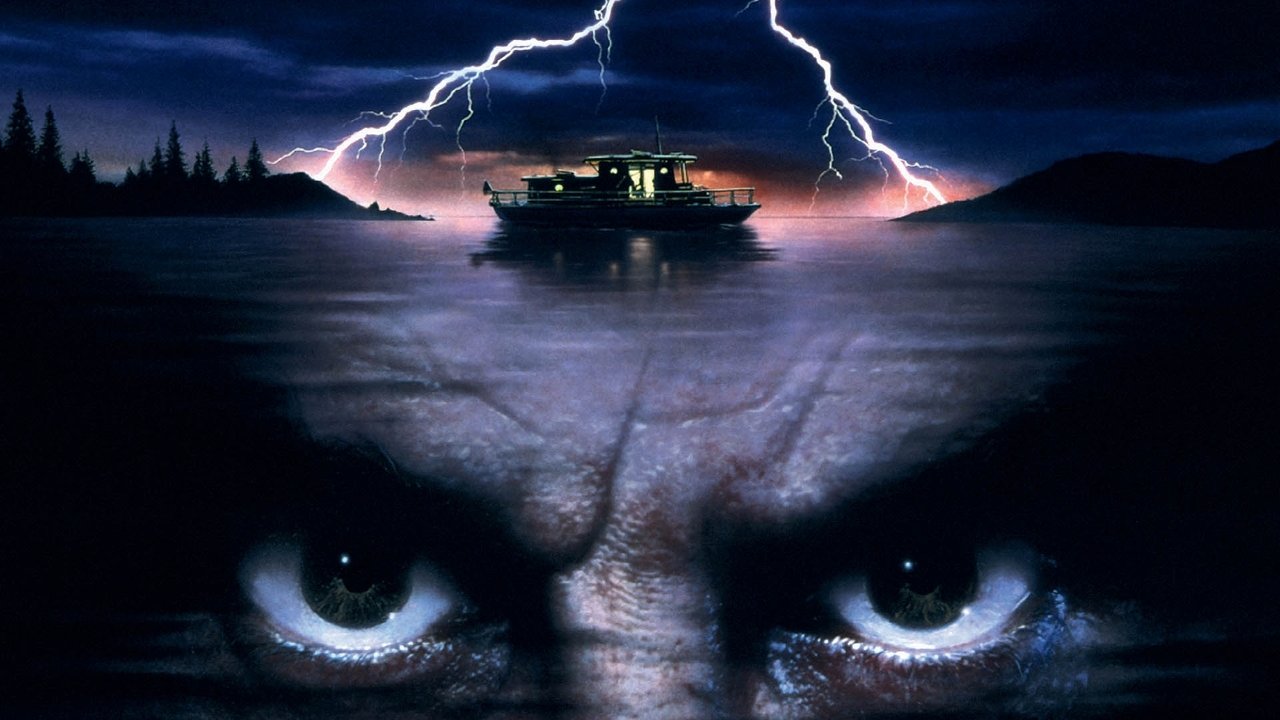

Cape Fear: full review


As an Amazon Associate, Claqueta Ácida earns from qualifying purchases.
Psychological horror doesn’t need blood or monsters. It needs a guy like Max Cady, played by Robert De Niro as if he crawled straight out of hell’s sewers to move into your house and never leave. Martin Scorsese, in 1991, decided fear wasn’t the domain of ghosts but of broken men who know exactly how to break you. And did he ever deliver. This isn’t a movie to watch at night, nor alone. It’s a sucker punch to the gut that leaves you breathless, palms slick against your seat. Horror here isn’t a subgenre—it’s a contact sport: direct, filthy, and without rules.
Scorsese arrived at Cape Fear fresh off the success of Goodfellas and Raging Bull, but here there are no mobsters or broken boxers. There’s a successful lawyer, Sam Bowden (Nick Nolte), watching his perfect life crumble when Max Cady—the man he betrayed years ago—steps out of prison with a PhD in revenge and a smile that would freeze hell. The film was shot in Savannah, Georgia, drenched in sticky heat and humidity that seeps through the screen. Freddie Francis, the cinematographer, turned every frame into a nightmare painting: dim lights, elongated shadows, colors washed out as if by the sweat of guilt. Scorsese, who had already proven his mastery in organized crime, here plays with suspense like a cat with a mouse. But the mouse isn’t Bowden—it’s the audience. And the cat knows exactly where to bite.
Wesley Strick’s script is a rotting jewel. There are no unnecessary twists, no redundant explanations. Just a spiral of tension coiling around the viewer’s neck until they’re gasping for air. Based on John D. MacDonald’s The Executioners, Strick updated it for the ‘90s, adding that modern paranoia that makes the fear feel even more real. And then there’s Elmer Bernstein’s score, which needs no epic trumpets or dramatic choirs. Here, the music is a constant whisper, like the breath of someone watching from the dark. A masterstroke that raises your hackles without you even noticing.
Critical reception was unanimous: Cape Fear isn’t just a thriller—it’s a masterpiece of suspense. No one walks away unscathed from this film.

Direction and Staging
Scorsese doesn’t need explosions or special effects to create tension. Here, fear is born from silences, from glances, from the sense that danger lurks in every corner. The film opens with a long take following Max Cady out of prison, his silhouette cutting against the sunlight like the devil himself. That shot sums up the whole film: there’s no escape.
The direction of actors is flawless. Nick Nolte, as Sam Bowden, conveys the fragility of a man who knows his life is about to collapse. Jessica Lange, as his wife Leigh, brings a vulnerability that contrasts with Cady’s cold calculation. But it’s Juliette Lewis, in her film debut as the teenage daughter Danielle, who steals scenes with a naturalism that feels ripped from real life. Scorsese makes the audience feel the characters’ fear as their own.
The production design is another triumph. The Bowden house, with its large windows and wide porch, seems a safe haven… until Cady decides to turn it into his battleground. The interiors are packed with details that reinforce the claustrophobic dread: antique furniture, heavy curtains, a staircase that seems to lead straight to hell. Every object on screen has a purpose: to remind you the danger is closer than you think.

Performances That Burn
Robert De Niro in Cape Fear doesn’t act. He devours. His Max Cady is a character straight out of a psychopathy manual: charismatic, intelligent, and utterly merciless. De Niro doesn’t need to scream or overact to convey his menace. A simple stare into the camera, that shark-like grin, those eyes calculating every move like a chess player with human pieces—it’s the performance that makes you understand why De Niro is a legend.
Nick Nolte, meanwhile, is fantastic as the lawyer watching his perfect life crumble. His Sam Bowden isn’t a hero—he’s an ordinary man facing something he can’t control. The tension between him and De Niro is palpable, as if both know the final showdown is inevitable. Nolte conveys the desperation of a man who knows he’s losing the game.
Jessica Lange shines as Leigh Bowden, bringing a fragility that contrasts with the others’ strength. Her scene where Cady bursts into their home is one of the film’s tensest moments, with Lange conveying a fear that feels real. She’s not an actress who draws attention for her looks, but for her ability to make the audience feel what she feels.
Juliette Lewis, in her cinematic debut, steals scenes with a naturalism that seems impossible for someone her age. Her Danielle is a normal teenager dragged into a nightmare she doesn’t fully understand. Lewis makes the audience feel the fear in a way few actresses her age could.
Script, Pacing, and Technical Aspects
Wesley Strick’s script is a masterclass in tension. There are no unnecessary dialogues, no superfluous scenes. Every line, every glance, every silence is calculated to ratchet up the sense of danger. The film moves like an hourglass: every grain of sand that falls is a second less until everything explodes. And when it does, it does so without warning.
Freddie Francis’s cinematography is another standout. The shots are filled with elongated shadows and dim lights that create an oppressive atmosphere. The colors seem washed out, as if the film were viewed through a fogged-up window. Every frame looks like it’s been lifted from an Edward Hopper painting: lonely, melancholic, and drenched in tension that won’t let go.
Elmer Bernstein’s score is minimalist yet effective. There are no epic themes or dramatic choirs. Just a constant whisper, like the breath of someone watching from the dark. The music doesn’t tell you when to be afraid—it makes you feel it.
The editing is another triumph. Scorsese and his editor, Thelma Schoonmaker, ensure the film moves at a relentless pace. No pauses, no breathing room. It’s as if the audience is trapped in the same spiral of dread as the characters.
The best
Robert De Niro’s performance: It’s not an act—it’s possession. De Niro sinks into Max Cady’s skin like a second skin, conveying a threat that needs no shouting or exaggerated movements to feel real. Freddie Francis’s cinematography: Every shot is drenched in elongated shadows and dim lights, creating an oppressive, claustrophobic atmosphere. It’s as if the film were viewed through a fogged-up window. Wesley Strick’s script: No unnecessary dialogues or superfluous scenes. Every line, glance, and silence is calculated to push tension to the limit. Elmer Bernstein’s score: Minimalist yet effective, the music doesn’t tell you when to be afraid—it makes you feel it. * The relentless pacing: The film moves like an hourglass, every second counting, no respite. It’s as if the audience is trapped in the same spiral of dread as the characters.
The worst
Nick Nolte’s character: Sam Bowden is a successful lawyer dragged into a nightmare, but sometimes he feels more like a stereotype than a real person. His transformation from a confident man to a desperate one is too abrupt. Some expository dialogue: Though the script is generally excellent, there are moments when the dialogue feels forced, as if it’s there just to explain the plot. The underdeveloped side characters: Figures like Lieutenant Elgart (Robert Mitchum) or the judge (Martin Balsam) appear and vanish without leaving a trace, as if they were mere decorations. The ending: It’s not bad, but it’s not memorable either. After all that tension, the resolution feels a bit rushed and unsatisfying.
The Verdict of Claqueta Ácida
Cape Fear is one of those films that proves horror doesn’t need monsters or blood to be effective. Scorsese, with his filthy style and mastery of suspense, crafts a nightmare that etches itself onto your retina. De Niro is pure monster, and his Max Cady is one of those performances that makes you understand why he’s a legend. The script, cinematography, and score work in perfect harmony to create an oppressive atmosphere that never lets up. It’s not a perfect film—but it’s a film that hurts. And in cinema, that’s all that matters. 💀
🎬 Tráiler Oficial
Abrir en YouTube
Cape Fear: frequently asked questions
- What is the rating of "Cape Fear" on Claqueta Ácida?
- "Cape Fear" scored 7.3/10 on Claqueta Ácida in the review by Camilo K.O..
- Is "Cape Fear" worth watching?
- With reservations. We gave it 7.3/10 (Citric Acid), our rating for uneven films with something worth saving.
- Who directed "Cape Fear"?
- "Cape Fear" was directed by Martin Scorsese.
Theater Collateral Damage Report
Psychophysical impact certificate issued by Camilo K.O.
2 amagos en el tramo intermedio; pestañeo pesado en las transiciones más innecesarias.
Alguna consulta furtiva al móvil en el segundo acto. Nada que no se perdone.
2 espresso para no dejarse vencer por la mediocridad cómoda.
"A mitad del segundo acto cuando la subtrama secundaria empezó a pesar más de lo que aportaba."
💬 Community Verdict
What did you think of the film? Rate it from 0 to 10 to compare it with the editorial review.
You haven't voted yet
📢 ¿Te ha gustado el ácido?
Comparte esta crítica con tus amigos cinéfilos o desata la polémica en redes.
⚡ THE CINEMATIC VENOM YOUR INBOX CRAVES
No sugarcoated ratings, no corporate fluff. Subscribe for our uncensored weekly analysis or join the private Telegram for press previews, poll clashes, and instant alerts.
Alertas de estrenos en 1 segundo, encuestas en caliente y audios al salir de pases de prensa.
Recibe la dosis semanal en tu mail + regalo inmediato del PDF con 50 joyas ocultas de culto.
Related Reviews
Recommended autopsies for demanding film buffs.
 ⚡ Ácido Cítrico 7.2
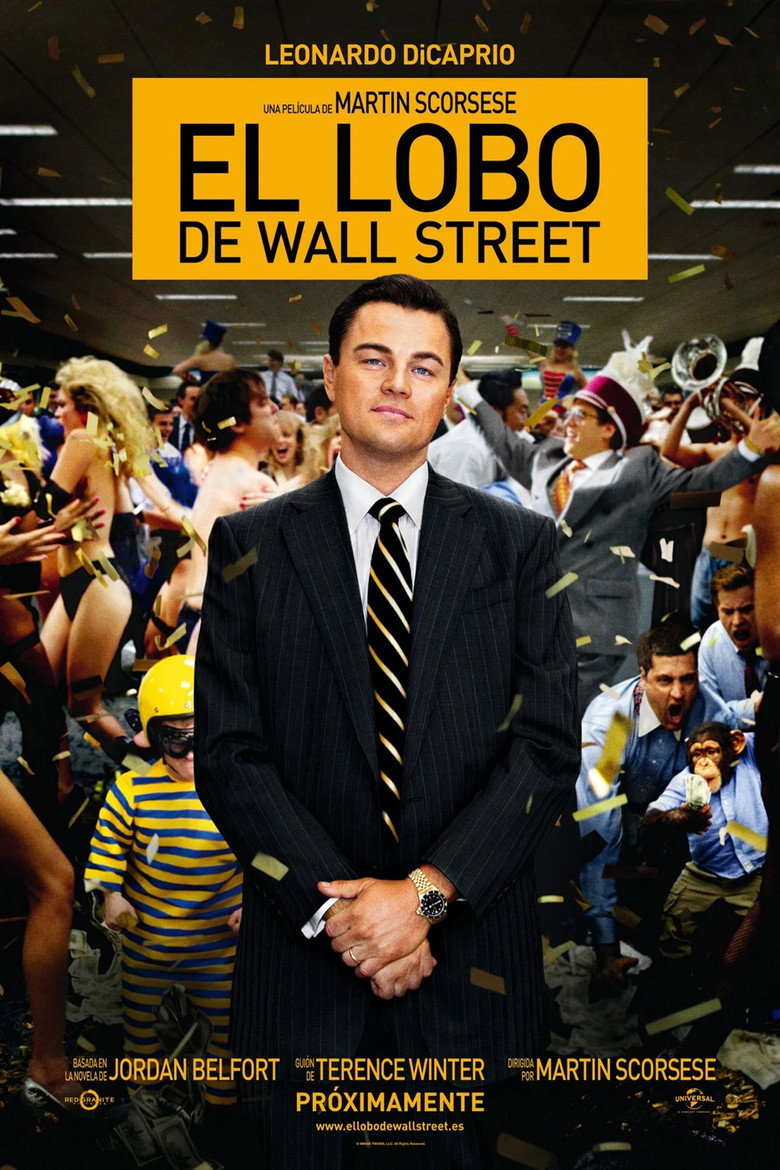
The Wolf of Wall Street: Scorsese Drowns in His Own Champagne
⚡ Del mismo director (Martin Scorsese): analiza la evolución o degradación de su estilo.
Scorsese films a three-hour orgy where capitalism celebrates itself. DiCaprio shines, but the script reeks of self-satisfaction. Critique or apology?
 🔥 Fusión Nuclear 9.2
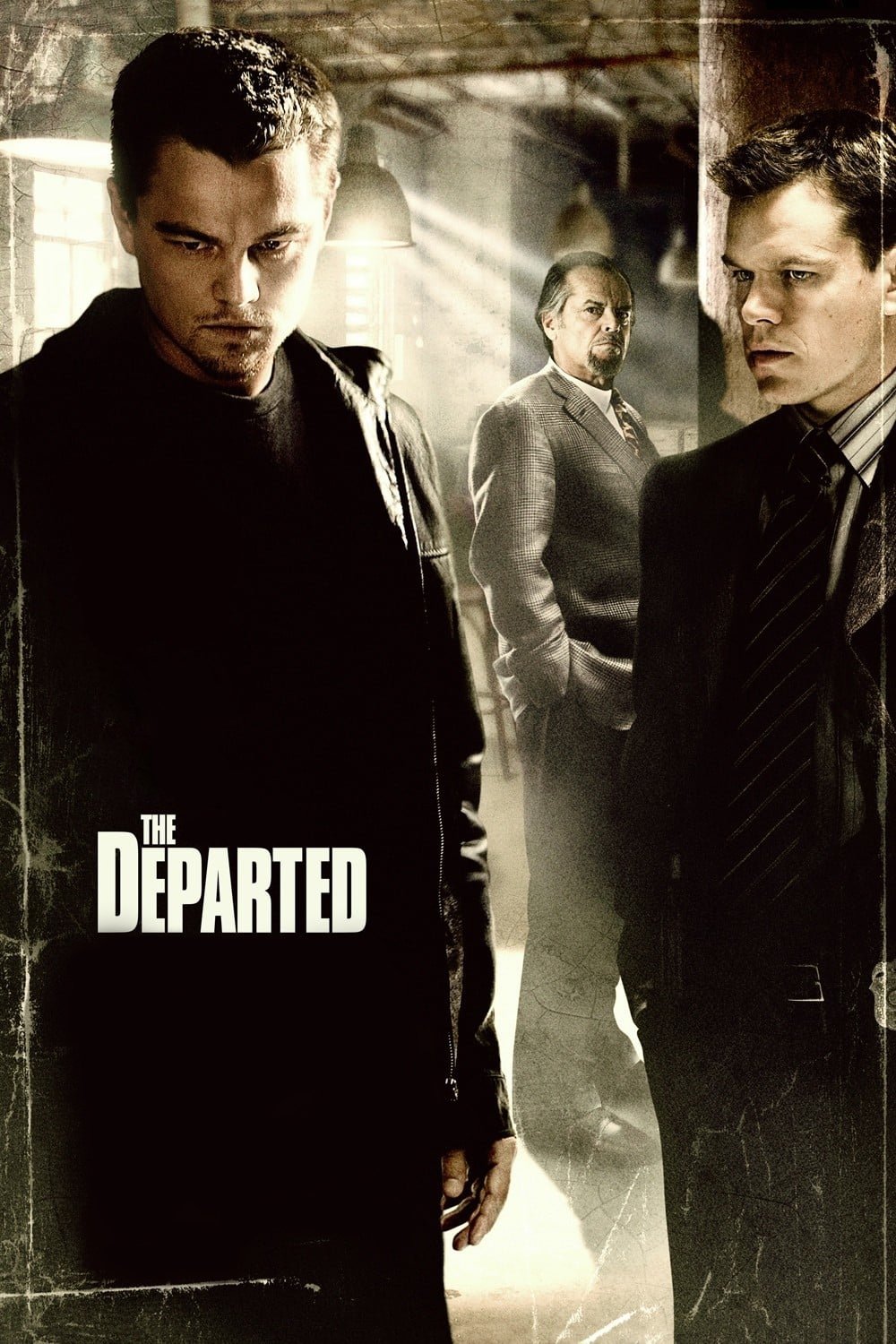
The Departed: Scorsese Plays Chess with Rats and We All Lose
⚡ Del mismo director (Martin Scorsese): analiza la evolución o degradación de su estilo.
Scorsese delivers a rat-infested thriller where Boston reeks of cheap whiskey and betrayal. Nicholson steals the show, DiCaprio sweats ink, and Damon grins like a psychopath. A masterpiece with an expiration date: never.
 ⚡ Ácido Cítrico 7.2
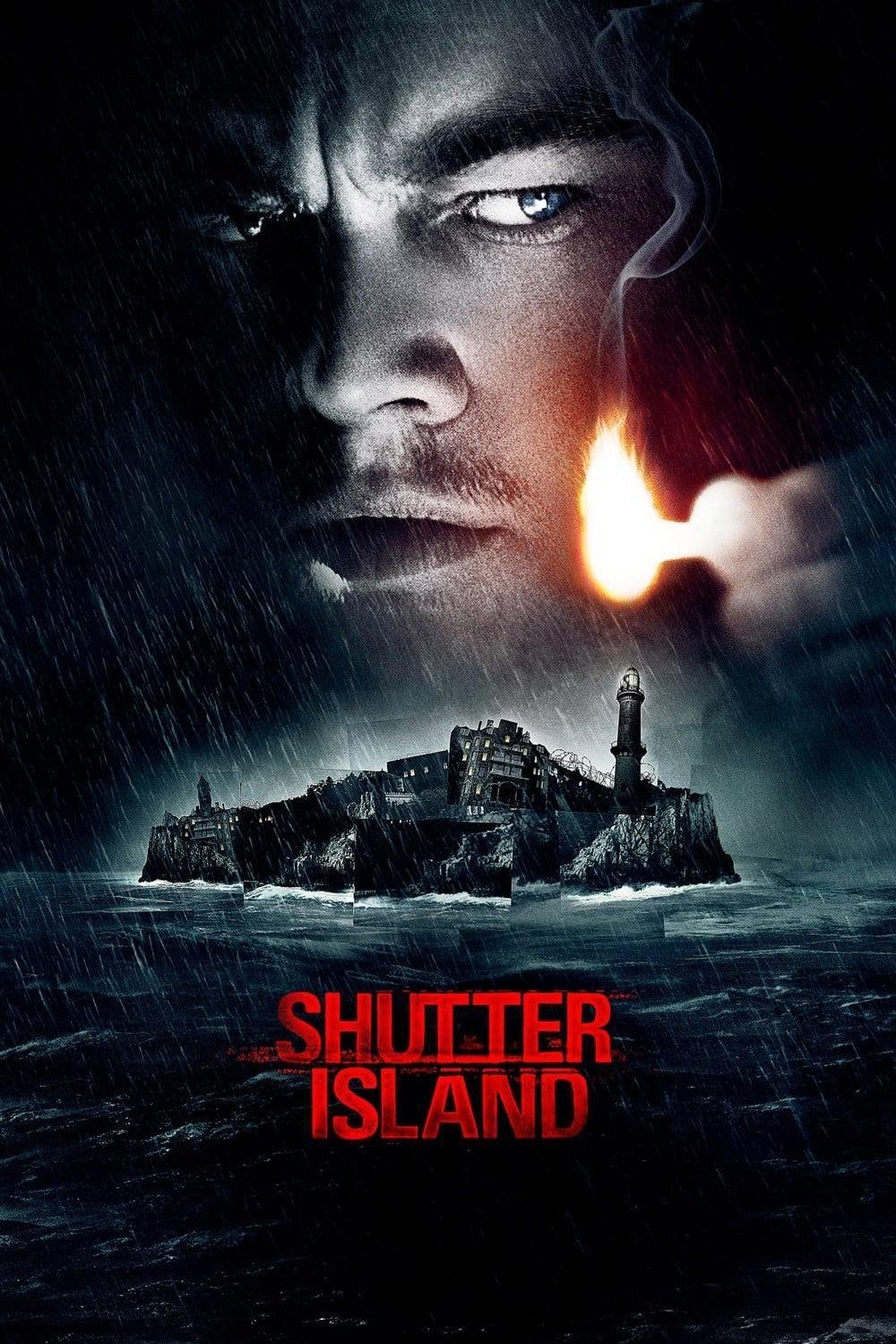
Shutter Island: The Island That Never Was (And the Script That Wasn’t Either)
⚡ Del mismo director (Martin Scorsese): analiza la evolución o degradación de su estilo.
Scorsese and DiCaprio play Hitchcock dress-up, but end up in an asylum of clichés and mothball-scented twists. Masterpiece or pretentious style exercise?
Editorial Ecosystem
Cinephile connections, archive interviews and related analyses.
🎞️ In Claqueta Cinematheque 3
💬 Debate Cinéfilo & Autopsia de Lectores
0 veredictos¿Discrepas con nuestra nota? ¿Es una obra maestra o veneno puro? Deja tu veredicto abajo sin necesidad de registro.


Aún nadie ha dejado su veredicto para esta película.
Sé el primero en clavarle el colmillo rellenando el formulario de arriba.