Eyes Wide Shut — The Erotic Dream Kubrick Turned into a Gothic Celluloid Nightmare
Stanley Kubrick dissects marriage like a corpse on an autopsy table: with a silver scalpel, candlelight, and a Tom Cruise more lost than a vampire in an IKEA. 159 minutes of icy hypnosis.

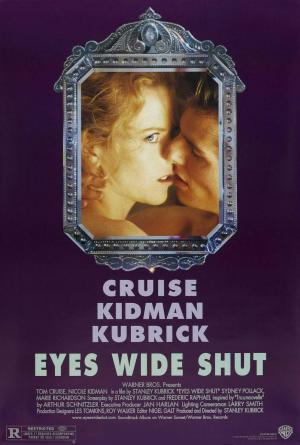


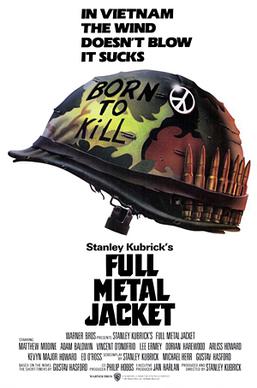
The celluloid coils in the projector like an albino serpent, and suddenly, the screen becomes a mirror fogged by the breath of a thousand secrets. Eyes Wide Shut isn’t just a film—it’s Stanley Kubrick’s final gasp, a man who spent his life dissecting the human condition with the precision of a surgeon and the cruelty of a bored god. Released in 1999, mere months after his death, this posthumous masterpiece is the cinematic equivalent of discovering an unpublished Poe manuscript under the mattress of an asylum: disturbing, hypnotic, and so cold it burns. Kubrick, that brilliant misanthrope who turned fear into art with The Shining and war into a macabre ballet with Full Metal Jacket, chose to bow out not with a bang, but a whisper. Warner Bros., that factory of canned dreams, must have shuddered when the maestro handed them this material: a film about desire, infidelity, and bourgeois hypocrisy, shot with the solemnity of a Masonic ritual and the aesthetic of a high-end furniture catalog. Because Eyes Wide Shut isn’t just a story about a marriage in crisis—it’s an X-ray of the rot festering beneath Armani suits and dentist-perfect smiles.
Kubrick, who hated flying, shot almost the entire film in London studios and UK locations, recreating New York’s Upper East Side with the meticulousness of a taxidermist. Every hallway, every staircase, every lamp seems carved from ice: a Gothic stage where characters drift like ghosts in a fever dream. Loosely based on Arthur Schnitzler’s Traumnovelle, the film is a journey into the heart of marital darkness, but also a meditation on power, money, and sexuality as currency. The projector hums like an insect trapped in a glass jar, and light bleeds through the celluloid as if it were hemorrhaging. Eyes Wide Shut is a sensory experience before it’s a narrative: a feast of textures, sounds, and silences that pierce the skin like acupuncture needles. Kubrick, that architect of visual nightmares, constructs each scene with the precision of a Swiss watchmaker and the patience of a Buddhist monk. There’s no rush here, no concessions to the frantic pace of commercial cinema. This is a film that demands to be felt, not consumed—a work that unfurls like a poisoned silk fan, revealing its secrets only to those willing to lose themselves in its hall of mirrors.
The screenplay, penned by Frederic Raphael and Kubrick from Schnitzler’s novel, is a marvel of razor-sharp dialogue and simmering subtext. Every word seems laden with double meaning, as if the characters are playing chess with their own lives. There are moments so raw they hurt—not just for what’s said, but for what’s left unsaid. Because in Eyes Wide Shut, silence is as eloquent as speech, and sometimes even more revealing. Kubrick, ever the master of the off-screen, uses negative space as a character in itself: empty hallways, ajar doors, mirrors reflecting faces that aren’t ours. Everything in this film seems to be watching us, judging us, as if Kubrick himself were whispering in our ear: “Do you really think you’re any different?”
The best
- Kubrick’s direction: A ballet of shadows and secrets that turns the mundane into the uncanny. Every frame is a work of art, every camera movement an act of hypnosis.
- Nicole Kidman’s performance: An acting masterclass that oscillates between the fragility of a porcelain doll and the ferocity of a caged panther. Her monologue on desire is cinema in its purest form.
- Larry Smith’s cinematography: A marvel of light and shadow, saturated colors and inky blacks that seem to absorb the light. Every scene is a living painting.
- Production design: The obsessive Anglo-London recreation of New York, turning every bourgeois setting into a suffocating character in its own right.
- Jocelyn Pook’s score: A masterpiece of tension and mystery, using distorted sacred music to craft an atmosphere of oppressive dreamscape.
The worst
- Tom Cruise’s performance: Deliberately reactive; Cruise sometimes feels flat in his own role, though it works perfectly within Kubrick’s deconstruction of his star persona.
- Pacing in the first half: The film takes its time to get going, and some early dialogues may feel dense to the casual viewer.
- Sydney Pollack’s character: While his performance is superb and magnetic, his lengthy final explanations chip away at the film’s abstract, suggestive magic.
- Underdeveloped side characters: Figures like the costume shop owner’s daughter are reduced to mere catalysts for the dreamlike weirdness, lacking depth.
- The abrupt ending: The rawness of Kidman’s final word may frustrate those expecting a traditional Hollywood resolution.
The Verdict of Claqueta Ácida
Eyes Wide Shut is the final masterpiece of a genius who chose to exit by dissecting marriage like a corpse on an autopsy table: with a silver scalpel, candlelight, and a sense of humor so dark it stings. Kubrick turns the Upper East Side into a labyrinth of mirrors where we all lie—even to ourselves—and where desire is as dangerous as a knife in the dark. Tom Cruise, Hollywood’s Peter Pan, is reduced to a lost boy in a world of adults playing games he doesn’t understand, while Nicole Kidman shines like a poisoned star, her performance pure venom and honey.The film isn’t flawless: the pacing stumbles in the first half, some side characters are little more than set dressing, and the ambiguous ending may leave a bitter taste. But when Eyes Wide Shut hits its stride, it does so with the force of a gut punch that jolts us awake from our own moral slumber. This isn’t a complacent farewell—it’s the definitive testament of an uncompromising auteur who left us with our eyes wide open to the abyss of our own truths. 💀
🎬 Tráiler Oficial
Abrir en YouTube
Ending Explained: Eyes Wide Shut
Ficha de Daños Colaterales en Sala
Certificado de impacto psicofísico emitido por Odin Lagbert
Ni un solo parpadeo voluntario. El asiento, inusualmente cómodo.
Ninguna comprobación del tiempo. Se agradece la rareza.
Ninguna. Esta obra no necesita muletas estimulantes.
"No hubo. La coherencia se mantuvo hasta el último fotograma."
💬 El Veredicto de la Comunidad
¿Qué te ha parecido la película? Deja tu nota de 0 a 10 para contrastarla con el análisis de la redacción.
Aún no has votado
📢 ¿Te ha gustado el ácido?
Comparte esta crítica con tus amigos cinéfilos o desata la polémica en redes.
⚡ THE CINEMATIC VENOM YOUR INBOX CRAVES
No sugarcoated ratings, no corporate fluff. Subscribe for our uncensored weekly analysis or join the private Telegram for press previews, poll clashes, and instant alerts.
Alertas de estrenos en 1 segundo, encuestas en caliente y audios al salir de pases de prensa.
Recibe la dosis semanal en tu mail + regalo inmediato del PDF con 50 joyas ocultas de culto.
Related Reviews
Recommended autopsies for demanding film buffs.
 🔥 Fusión Nuclear9.5
*2001: A Space Odyssey – A Monkey, a Monolith, and Two Hours of Cosmic Pretentiousness*
⚡Del mismo director (Stanley Kubrick): analiza la evolución o degradación de su estilo.
We dissect Stanley Kubrick’s magnum opus. A visual feast of minimalism and space hypnosis that cemented "serious" sci-fi—and bored half of humanity to tears.
 🔥 Fusión Nuclear9.3
2001: A Space Odyssey — The Day Kubrick Left Us Speechless (and Oxygenless)
⚡Del mismo director (Stanley Kubrick): analiza la evolución o degradación de su estilo.
Kubrick turned science fiction into pure art: 149 minutes of eloquent silence, bone-wielding apes, and a psychopathic computer. Masterpiece or pretentious fraud? Here’s the verdict.
 🔥 Fusión Nuclear8.5
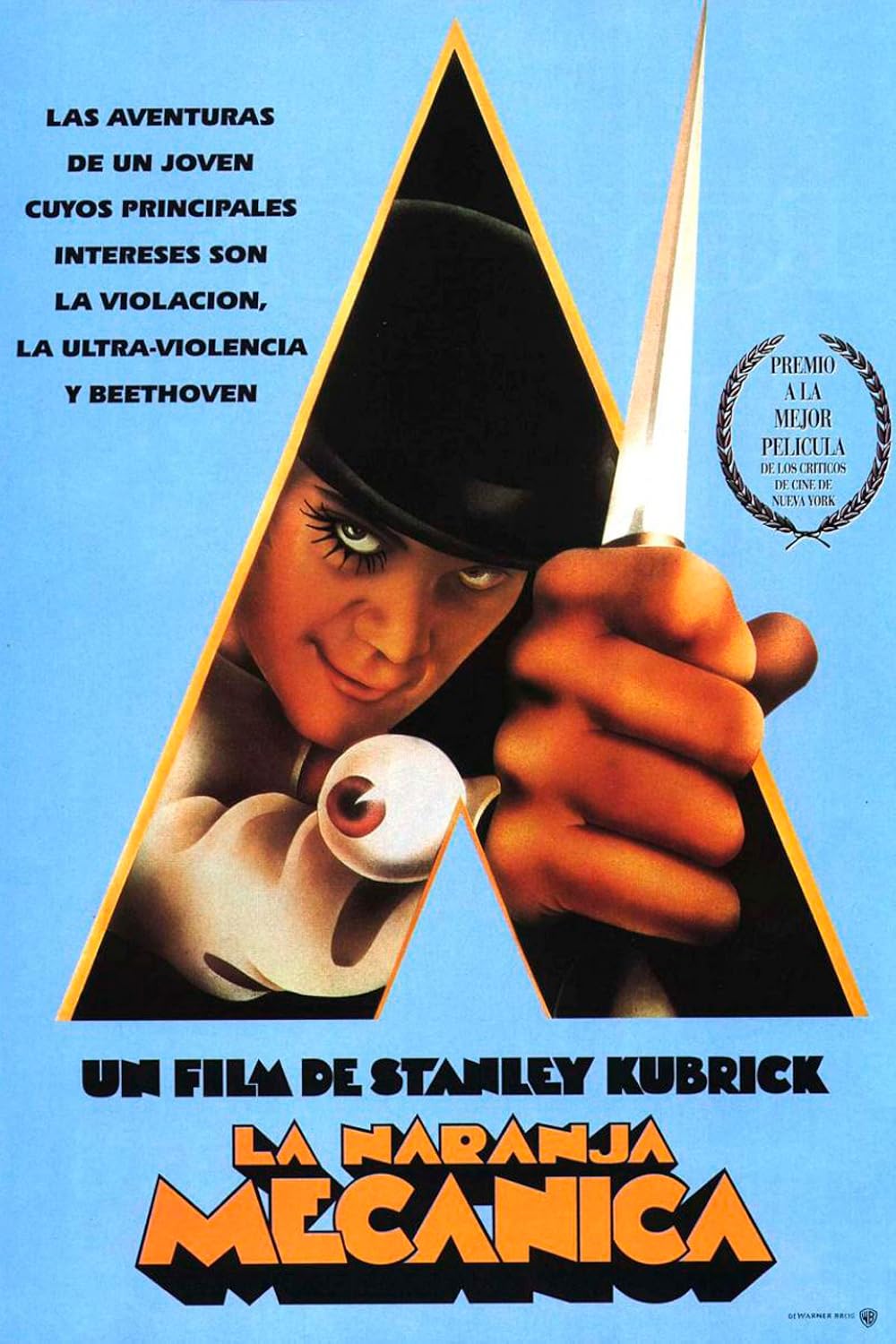
*A Clockwork Orange: The Sweet, Rusty Aftertaste of Violent Haute Couture*
⚡Del mismo director (Stanley Kubrick): analiza la evolución o degradación de su estilo.
A scathing review of Kubrick’s masterpiece, where ultraviolence meets 60s fashion in a twisted pas de deux.
Editorial Ecosystem
Cinephile connections, archive interviews and related analyses.
🎞️ In Claqueta Cinematheque3
💬 Debate Cinéfilo & Autopsia de Lectores
0 veredictos¿Discrepas con nuestra nota? ¿Es una obra maestra o veneno puro? Deja tu veredicto abajo sin necesidad de registro.

Aún nadie ha dejado su veredicto para esta película.
Sé el primero en clavarle el colmillo rellenando el formulario de arriba.