Full Metal Jacket — The War’s Grillwork on the Canvas of Military Horror
A scathing dissection of Kubrick’s masterpiece, where war’s fury becomes chamber art and institutional black comedy.

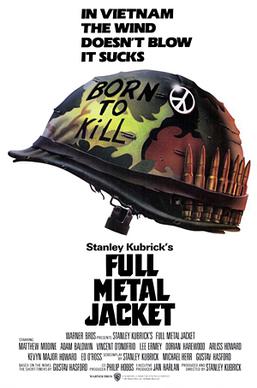


Full Metal Jacket seizes the screen like a nitrocellulose shrapnel blast, detonating to reveal the anatomy of a war machine that feeds on the nicotine of toxic masculinity. Back in 1987, when the Cold War still whispered beneath Hollywood’s neon curtain, Stanley Kubrick decided to dismantle the heroic narrative of the Vietnam conflict with the surgical precision of a Nouvelle Vague surgeon. The film stands in the tradition of Apocalypse Now and The Deer Hunter, but its vision is more clinical, more flayed—a shattered mirror reflecting a soldier already broken before he can even utter his own name. In this era of reboots and franchise-of-franchises, Full Metal Jacket looms like a relic of cinematic counterculture, a work that tears through audience complacency and forces them to confront institutionalized horror, while mainstream producers try to package violence into popcorn buckets and emojis.
Our analysis begins in the projection booth of a rundown neighborhood theater, where the projector’s lamp flickers like a neon beacon over the velvet carpet. The celluloid hisses, the reel’s hum a heartbeat reminding us we’re about to be injected with the blood of the ’60s and ’70s, filtered through Kubrick’s lens—an archaeologist of horror, excavating layers of propaganda and displaying them as gleaming fossils under strobe lights. The film doesn’t just exist in history; it rewrites it, repairs it, reconfigures it like a metal score that sounds both familiar and jarringly dissonant.
In today’s industry, where studios chase profitability through predictable formulas, Full Metal Jacket is a declaration of war against complacency. Kubrick, with his obsession for symmetry and precision, dismantles blockbuster logic with a two-act structure resembling chapters from an academic treatise: the brutal training at Parris Island and the descent into Saigon’s jungle. Each segment is an aesthetic torture chamber, a laboratory where light, sound, and editing converge to create an atmosphere so dense the viewer can almost smell Sergeant Hartman’s sweat. As critics, we refuse to accept violence’s simplification; we celebrate the film’s ability to turn brutality into visual art—a symphony of screams, explosions, and silences that reverberates in the collective conscience.
Kubrick doesn’t just direct; he’s a sculptor of time, an architect of space who constructs every frame like a chess piece. The staging is meticulously choreographed: soldiers lined up under the sergeant’s steel gaze, slow motion capturing the moment war’s ballad becomes a scream of terrifying realism. The film becomes a study of the military’s psychological machinery—a device that molds recruits like clay and hurls them into the fire without mercy.
Direction and Staging
Here, we dissect Kubrick’s direction, whose obsession with symmetry manifests in every frame. The opening shot of the firing range, with its perfectly centered horizon, evokes Andrei Tarkovsky’s paintings, while the “Die! Die! Die!” sequence channels Jean-Luc Godard’s Le Petit Soldat. Kubrick uses the long take for total immersion: the camera follows Private Joker (Matthew Modine) through the barracks’ corridors, revealing the monotony of training through unbroken movement that denies the audience a breath. The staging of the “Piss and the Baby” scene becomes a study of bodily aesthetics, where sweat feels almost tactile, and the barracks’ fluorescent lights morph into a neon prison confining soldiers in a metal cage.
Performances and Cast Chemistry
R. Lee Ermey, as Sergeant Hartman, is a force of nature; his strident voice and militarized posture turn every command into a psychological death sentence. Ermey, a real-life Marine veteran, brings an authenticity that overflows any script, becoming the only human entity capable of embodying institutional terror. Matthew Modine delivers a subtle performance—his Joker a shattered mirror reflecting doubt and irony—while Vincent D’Onofrio’s Gomer Pyle evolves from childlike innocence to psychological breakdown with a cadence reminiscent of Mads Mikkelsen in The Hunt. The chemistry among the recruits is a fabric of tension, intensifying in every scene and creating a contrast between forced camaraderie and progressive dehumanization.
Costume and Makeup
The costumes, designed by John M. McNamara, aren’t merely functional; they’re an extension of the characters. The Marines’ uniforms, with their immaculate buttons and rough fabric, act as a second skin marking the loss of individuality. Kurt K. Hieper’s makeup accentuates sweat and blood in the “Die! Die! Die!” scene, turning skin into a topographic map of violence. Pyle’s transformation—from his pristine helmet to his bloodied, fragile figure—becomes a visual allegory of innocence’s destruction.
Editing and Montage
Ray Lovejoy’s editing is a symphony of precise cuts, alternating between the rigidity of training and the jungle’s chaos. The transition from the first to the second act is achieved through a sound dissolve blending crickets’ chirping with The Rolling Stones’ “Paint It Black,” creating an overlay that suggests pop culture’s intrusion into real horror. The quick cuts during Saigon’s firefights recall Sergio Leone’s editing in The Good, the Bad and the Ugly, where time stretches and blood seems to freeze midair.
Music and Soundtrack
The soundtrack, composed by Vince Wolfe and George Miller, blends rock classics like The Sundowners’ “Hey Mama” with original compositions evoking war’s tension. “Paint It Black” functions as a leitmotif of fatalism, while strategic silences during the “Piss and the Baby” scene generate an almost palpable discomfort. The music serves as a counterpoint to visual violence, creating a dissonance that reminds us of war cinema’s consumerist nature.
Screenplay and Narrative Structure
The script, co-written by Kubrick, Michael Herr, and Gustav Hasford, rests on dialogues that mix biting irony and rawness. Joker’s famous line, “I am in a world of shit,” encapsulates the film’s nihilistic vision. The dual structure—split between training and combat experience—acts as a metaphor for dehumanization: first, we mold the individual; then, we throw them into chaos. The screenplay also includes references to war literature, like Kurt Vonnegut’s Slaughterhouse-Five, evident in its fragmented view of time.
Production Design and Art Direction
John M. McNamara’s production design meticulously recreates Parris Island’s barracks and Saigon’s jungle. The sets are imbued with a rough texture reminiscent of János Márton’s cinema, where atmosphere becomes a character in itself. The recreation of the Vietnamese school’s rooftop, with its cobwebs and flickering lights, adds a claustrophobic sensation that heightens psychological tension.
Cinematography and Visual Aesthetics
Douglas Trumbull’s cinematography is a masterpiece of contrast and color grading. The use of anamorphic lenses in the training sequences creates a depth of field emphasizing the recruits’ uniformity, while the jungle’s green-yellow palette evokes Apocalypse Now’s aesthetic. Trumbull employs natural light to create elongated shadows like sharpened blades, and slow motion in firefights enhances the sense of a deadly choreography, as if each bullet were a note in a death score.
Intertextual Comparisons
Comparing Full Metal Jacket to Francis Coppola’s Apocalypse Now, we see Kubrick opting for analytical coldness over Coppola’s surreal romanticism. In the same vein, the “Die! Die! Die!” scene recalls the crucifixion in William Friedkin’s The Exorcist, where the human body becomes a canvas of suffering. The influence of the Nouvelle Vague is evident in the abrupt cuts and fragmented narrative, echoing Jean-Luc Godard’s Le Petit Soldat.
The best
- Douglas Trumbull’s cinematography: light and shadow become surgical precision weapons.
- R. Lee Ermey’s performance: his Hartman is an opera of authority that flays the viewer’s skin.
- Production design: recreates training’s brutality and the jungle with fidelity straight out of a military archive.
- Ray Lovejoy’s editing: the collision of rhythms between training and combat generates constant tension.
The worst
- The final stretch: the Saigon climax feels rushed, as if Kubrick were racing against time to wrap up the film.
- Some supporting performances: characters like Lieutenant Barnes (Sean McCann) come off as flat, lacking the depth their roles deserve.
The Verdict of Claqueta Ácida
Full Metal Jacket is a lithograph of blood and steel, a visual treatise that strips war’s machinery bare with Kubrickian scalpel precision. Despite its minor stumbles, the film remains a beacon of aesthetic protest, forcing the audience to gaze upon horror beneath the facade of heroism. A classic that still bites with the ferocity of an assault rifle. 💀
🎬 Tráiler Oficial
Abrir en YouTube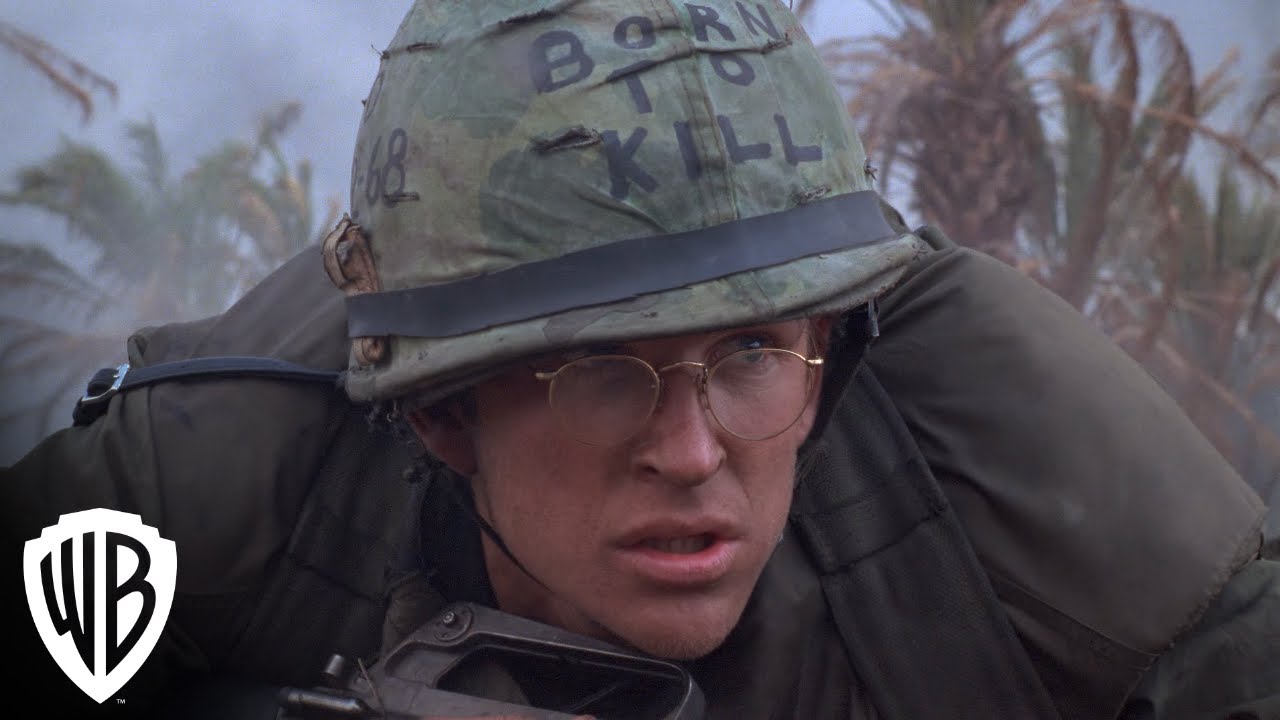
Ending Explained: Full Metal Jacket
Ficha de Daños Colaterales en Sala
Certificado de impacto psicofísico emitido por Odin Lagbert
Cero bostezos. Pupilas dilatadas y tensión mandibular constante.
Ni una sola mirada al móvil.
Ninguna: la adrenalina cinematográfica es suficiente.
"No aplica. La obra se sostiene sola."
💬 El Veredicto de la Comunidad
¿Qué te ha parecido la película? Deja tu nota de 0 a 10 para contrastarla con el análisis de la redacción.
Aún no has votado
📢 ¿Te ha gustado el ácido?
Comparte esta crítica con tus amigos cinéfilos o desata la polémica en redes.
⚡ THE CINEMATIC VENOM YOUR INBOX CRAVES
No sugarcoated ratings, no corporate fluff. Subscribe for our uncensored weekly analysis or join the private Telegram for press previews, poll clashes, and instant alerts.
Alertas de estrenos en 1 segundo, encuestas en caliente y audios al salir de pases de prensa.
Recibe la dosis semanal en tu mail + regalo inmediato del PDF con 50 joyas ocultas de culto.
Related Reviews
Recommended autopsies for demanding film buffs.
 🔥 Fusión Nuclear9.5
*2001: A Space Odyssey – A Monkey, a Monolith, and Two Hours of Cosmic Pretentiousness*
⚡Del mismo director (Stanley Kubrick): analiza la evolución o degradación de su estilo.
We dissect Stanley Kubrick’s magnum opus. A visual feast of minimalism and space hypnosis that cemented "serious" sci-fi—and bored half of humanity to tears.
 🔥 Fusión Nuclear9.3
2001: A Space Odyssey — The Day Kubrick Left Us Speechless (and Oxygenless)
⚡Del mismo director (Stanley Kubrick): analiza la evolución o degradación de su estilo.
Kubrick turned science fiction into pure art: 149 minutes of eloquent silence, bone-wielding apes, and a psychopathic computer. Masterpiece or pretentious fraud? Here’s the verdict.
 🔥 Fusión Nuclear8.5
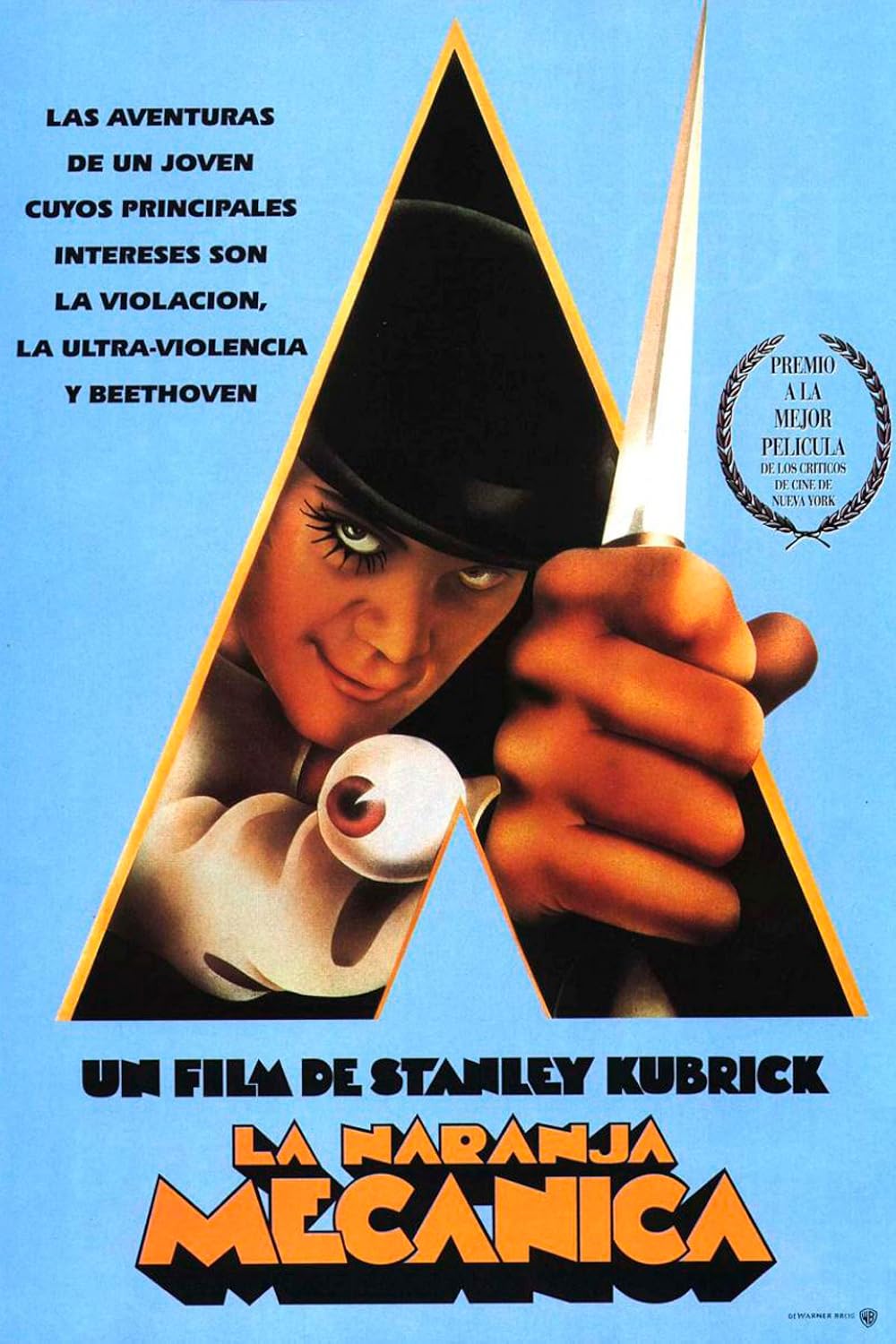
*A Clockwork Orange: The Sweet, Rusty Aftertaste of Violent Haute Couture*
⚡Del mismo director (Stanley Kubrick): analiza la evolución o degradación de su estilo.
A scathing review of Kubrick’s masterpiece, where ultraviolence meets 60s fashion in a twisted pas de deux.
Editorial Ecosystem
Cinephile connections, archive interviews and related analyses.
🎞️ In Claqueta Cinematheque3
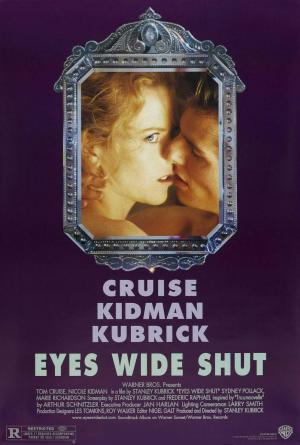
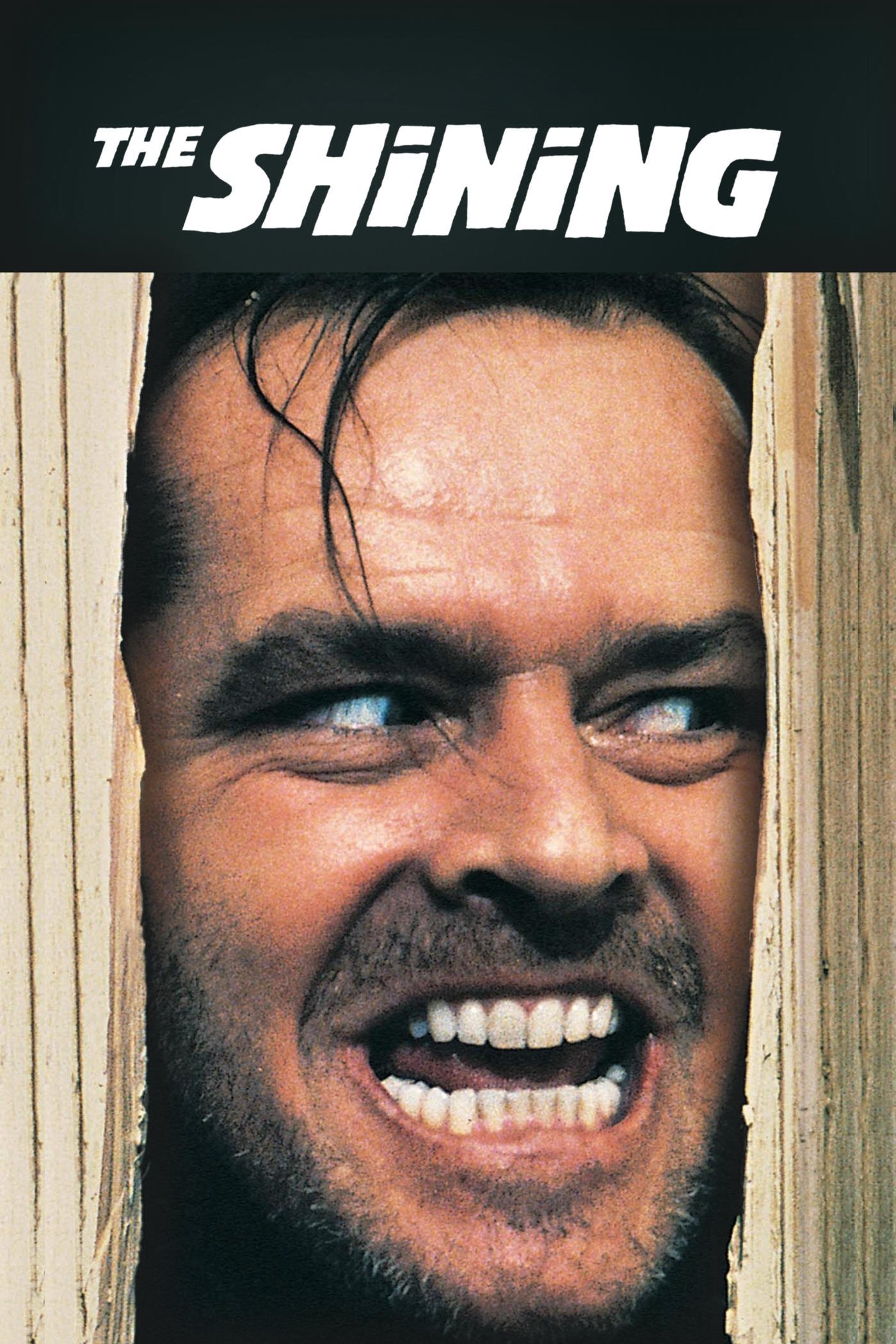
💬 Debate Cinéfilo & Autopsia de Lectores
0 veredictos¿Discrepas con nuestra nota? ¿Es una obra maestra o veneno puro? Deja tu veredicto abajo sin necesidad de registro.

Aún nadie ha dejado su veredicto para esta película.
Sé el primero en clavarle el colmillo rellenando el formulario de arriba.