It — Welcome to Derry: The Prequel We Never Asked For (And Certainly Didn’t Deserve)
Andy Muschietti returns to Derry to spin the origin tale of Pennywise. Spoiler: the clown remains the only interesting thing in the room.

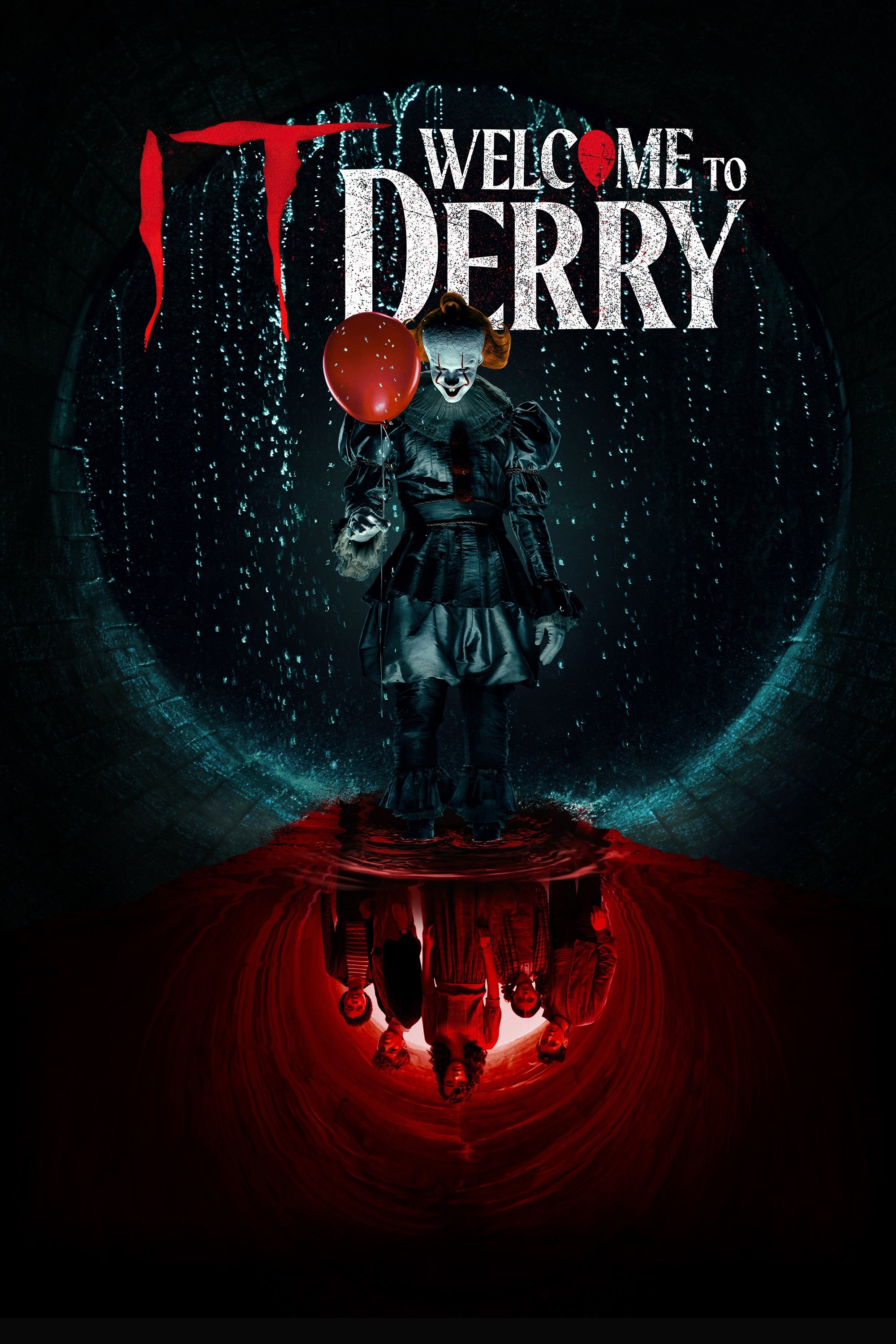
The celluloid unfurls with that grainy '60s texture, as if Andy Muschietti had stumbled upon a forgotten film reel in his grandmother’s basement and decided to project it onto the wall of an abandoned cinema. It: Welcome to Derry isn’t a prequel—it’s a botched exorcism. The director attempts to conjure the spirit of his own 2017 film but only succeeds in summoning the ghost of missed opportunities. Because, let’s be honest, who the hell asked for this? The world already had enough with knowing Pennywise was an interdimensional clown who feasted on children’s fears. Now we’re forced to swallow his origin story, as if the monster needed a Freudian justification to exist. Warner Bros., in their infinite corporate wisdom, have decided the IT universe is profitable enough to bleed dry (or until fans stop buying tickets, whichever comes first). The result is this series, a narrative Frankenstein stitched together-la-cueva-de-los-espejos-rotos" class="text-amber-400 font-black hover:text-amber-300 transition underline decoration-amber-500/40 hover:decoration-amber-300" title="[6.5/10 ⚡ Ácido Cítrico] Lee nuestra autopsia de «Together»" data-acid-interlink="together-la-cueva-de-los-espejos-rotos">together with scraps of nostalgia, a script that reeks of mothballs, and a cast plucked from an acting workshop for beginners with self-esteem issues.
Muschietti, that overgrown child who once gifted us Mama (2013) before selling his soul to the blockbuster devil with IT (2017), returns to Derry like a prodigal son—except instead of bread and wine, he brings a script written with the grace of Jason Fuchs. Yes, the same guy who gave us Wonder Woman (2017), that film where Diana Prince seemed more interested in Steve Trevor’s shoes than saving the world. Here, Fuchs and Muschietti embark on the Herculean task of explaining how Pennywise became cinema’s most infamous clown, but along the way, they forget something fundamental: horror isn’t explained—it’s felt. And what we feel here is a cocktail of existential boredom and a desperate urge for someone, for the love of God, to turn off the lights and let us sleep.
The 1960s, that golden era of cinema where Technicolor bled and scripts still had teeth, becomes the perfect stage for this modern Greek tragedy. But instead of vengeful gods, we’re saddled with a cast of flat characters who speak as if they’re reading from a How to Be Profound in 10 Lessons manual. Jovan Adepo, the sole actor who seems to grasp that this isn’t a monologue competition, tries to salvage the furniture with a performance that oscillates between poignant and desperate. The rest of the cast, however, appears to be competing for the title of Who Can Deliver the Most Ridiculous Line with the Gravest Seriousness. Matilda Lawler, for instance, wears the expression of someone who’s just dropped their ice cream on the pavement but, instead of crying, must recite lines like: «Fear is just an illusion, but love is real.» Yes, dear readers, this is real. This is happening. And no, it’s not a fever dream induced by a cheese popcorn overdose.
The worst part? It: Welcome to Derry isn’t bad in the traditional sense. It’s not a catastrophic train wreck like The Room (2003), nor is it so ugly it hurts like Birdemic (2010). No, this is worse: it’s mediocre with pretensions. It’s the kind of series that makes you check your watch every five minutes—not because you’re terrified, but because you need to confirm time hasn’t frozen. Muschietti, who in IT (2017) proved he knew how to craft visual tension and pacing that kept audiences on the edge of their seats, here seems to have forgotten that cinema is an art of images, not empty words. The scenes featuring Pennywise, when they appear, are the only thing saving the show. That dancing clown, with his razor-blade grin and otherworldly cackle, remains the sole character with any charisma in this cardboard circus. But even he seems bored, as if he knows he’s trapped in a production that doesn’t do him justice.
The Direction: Muschietti on Autopilot
If IT (2017) was a rollercoaster with adrenaline-pumping highs and stomach-churning drops, It: Welcome to Derry is a kiddie train ride at the fair: slow, predictable, and with an ending you already know by heart. Andy Muschietti directs as if he’s following a How to Make a Prequel Without Offending the Fans manual, but in the process, he forgets something essential: horror needs a soul. Here, the soul is conspicuously absent. The tension-filled scenes that left you white-knuckled and breathless in the original are replaced by endless dialogue that tries to explain what should be shown. The result is a series that feels more like a documentary about small-town life than a cosmic horror story.
Visually, the series has flashes of what Muschietti can do when he’s actually trying. The shots of Derry, with its oppressive atmosphere and muted color palette, evoke those nightmare towns Stephen King so loves. But even visually, something feels off: the lack of cohesion. Some scenes look like they’ve been plucked from a 90s made-for-TV movie, while others attempt to emulate the darker, grainier style of the original film. The problem isn’t a lack of budget—it’s a lack of vision. Muschietti seems torn between crafting an adult horror series and a family-friendly production. The result is an uncomfortable hybrid, like a clown attempting to deliver a motivational speech at a funeral.
Pacing, that crucial element in horror, is another glaring failure. Scenes drag on like overchewed gum, and the cliffhangers, when they appear, are so predictable you could guess them with your eyes closed. Muschietti seems obsessed with filling minutes of runtime, as if horror were measured in hours rather than intensity. And so, what should be a visceral experience becomes an exercise in patience, with the viewer repeatedly asking: «When is something actually going to happen?» The answer, dear readers, is never.
The Performances: A Cast Lost in the Woods
If the script is the skeleton of a series, the performances are its flesh and bone. In It: Welcome to Derry, the flesh is rotten, and the bones creak with boredom. Jovan Adepo is, by far, the only actor who manages to convey something resembling humanity. His character, a young father struggling to protect his daughter in a town that feels like it’s been plucked from a David Lynch nightmare, has moments of genuine emotion. But even he is weighed down by a script that forces him to recite lines like: «Derry isn’t a place, it’s a disease.» Yes, that’s real. That’s written. And no, it’s not a poetic metaphor—it’s dialogue that sounds like it was generated by an Instagram deep quotes algorithm.
The rest of the cast seems to be competing in a contest to see who can deliver the most ridiculous line with the straightest face. Matilda Lawler, who plays a young girl with supernatural connections, wears the expression of someone who’s just stepped on a Lego but, instead of screaming, must recite dialogue about the power of love and friendship. Taylour Paige tries to breathe life into a character who feels like she’s been lifted from an episode of Buffy the Vampire Slayer—but with less charisma and more clichés. And then there’s Chris Chalk, whose character is so generic you could replace him with a mannequin and no one would notice.
But the real crime of this series isn’t the lack of talent in the cast—it’s the lack of chemistry. The characters interact like strangers stuck in an elevator, with that forced awkwardness you only see in student films. There’s no spark, no tension, no magic that makes a group of characters feel like a family (or, in this case, a group of kids united by terror). Instead, we’re left with a bunch of actors who seem to be counting the minutes until they can go home and cry in the shower.
The Script: A Self-Help Manual Disguised as Horror
If the script of It: Welcome to Derry were a character, it would be that insufferable friend who’s always spouting theories about why the universe is conspiring against them but never actually does anything about it. Penned by Andy Muschietti and Jason Fuchs, the script is a mishmash of clichés, pretentious dialogue, and scenes that try so hard to be profound they end up being ludicrous. The series is obsessed with explaining Pennywise’s origin, as if horror needed a Freudian justification to exist. But in the process, it forgets something fundamental: mystery is the soul of horror.
The dialogue is, without a doubt, the worst part of the series. Every line sounds like it was written by someone who just discovered what a metaphor is but isn’t quite sure how to use it. Phrases like «Fear is the door, but love is the key» or «Derry isn’t a place, it’s a wound that never heals» sound more like slogans from an awareness campaign than dialogue from a horror series. And let’s not even talk about the secondary characters, who feel like they’ve been plucked from a beginner’s creative writing workshop. Each one has a trauma, a motivation, and a character arc that could be summarized as: «I’m sad because life is hard.»
But the most frustrating thing about the script is its lack of originality. The series spends its first few episodes establishing the town of Derry, its inhabitants, and its secrets, as if it’s a watered-down version of Twin Peaks. But instead of Lynch’s dreamlike, disturbing atmosphere, we get a series that’s more interested in explaining its own rules than breaking them. The flashbacks, visions, and supernatural horror moments are so predictable you could guess them just by glancing at the clock. And so, what should be a terrifying experience becomes an exercise in boredom, with the viewer repeatedly asking: «When is something going to happen that I haven’t seen before?» The answer, once again, is never.
The best
- Pennywise: The clown remains the only character with any charisma in this cardboard circus. When he appears, the series remembers why King’s horror can be so addictive.
- Derry’s atmosphere: Some shots of the town manage to capture that oppressive, decaying essence that makes Derry feel like a character in its own right.
- Jovan Adepo: The only actor who conveys something resembling humanity. A pity the script doesn’t give him material to shine.
- The soundtrack: Some tracks manage to build tension, though the series doesn’t always know how to use them.
The worst
- The script: A self-help manual disguised as horror, packed with pretentious dialogue and scenes that try to be profound but end up being ridiculous.
- The pacing: Slow, predictable, and filled with scenes that drag on like overchewed gum. Horror isn’t measured in hours—it’s measured in intensity.
- The performances: A cast lost in the woods, with actors competing to see who can deliver the most ridiculous line with the gravest seriousness.
- The lack of visual cohesion: Some scenes look like they’re from a 90s made-for-TV movie, while others try to emulate the original film’s style. The result is an uncomfortable hybrid.
- The obsession with explaining Pennywise’s origin: Mystery is the soul of horror, and this series is hellbent on destroying it with poorly executed Freudian theories.
The Verdict of Claqueta Ácida
It: Welcome to Derry is the prequel no one asked for—and, frankly, no one deserved. Andy Muschietti and his team attempt to revive the magic of IT (2017) but forget that horror isn’t explained—it’s felt. The result is a series that oscillates between mediocre and pretentious, with a script that sounds like a self-help manual, performances plucked from a beginner’s workshop, and pacing so slow you could fall asleep before Pennywise even shows up. That said, when the clown does appear, the series remembers why the IT universe remains addictive. But those moments are so few and far between they can’t save the whole. In short, It: Welcome to Derry is like a joke without a punchline: you know it’s supposed to be funny, but in the end, it just leaves you feeling empty and wishing someone would turn off the lights. 💀
🎬 Tráiler Oficial
Abrir en YouTube
Ending Explained: It
Ficha de Daños Colaterales en Sala
Certificado de impacto psicofísico emitido por Silvia Mordaz
1 amago en el tramo intermedio; pestañeo pesado en las transiciones más innecesarias.
Minuto 46 y minuto 66 (comprobando cuánto quedaba de suplicio).
2 espressos para no dejarse vencer por la mediocridad cómoda.
"A mitad del segundo acto cuando la subtrama secundaria empezó a pesar más de lo que aportaba."
💬 El Veredicto de la Comunidad
¿Qué te ha parecido la película? Deja tu nota de 0 a 10 para contrastarla con el análisis de la redacción.
Aún no has votado
📢 ¿Te ha gustado el ácido?
Comparte esta crítica con tus amigos cinéfilos o desata la polémica en redes.
⚡ THE CINEMATIC VENOM YOUR INBOX CRAVES
No sugarcoated ratings, no corporate fluff. Subscribe for our uncensored weekly analysis or join the private Telegram for press previews, poll clashes, and instant alerts.
Alertas de estrenos en 1 segundo, encuestas en caliente y audios al salir de pases de prensa.
Recibe la dosis semanal en tu mail + regalo inmediato del PDF con 50 joyas ocultas de culto.
Related Reviews
Recommended autopsies for demanding film buffs.
 ⚡ Ácido Cítrico6.0
Adolescence, Sex, and Death at Camp Miasma: The Slasher That Reeks of Teen Sweat and a Recycled Script
⚡Hermana de saga: otro capítulo diseccionado con rigor forense.
Jane Schoenbrun turns a summer camp into a dumpster fire of hormones and clichés. Art or autopsy of a dying subgenre?
 ⚡ Ácido Cítrico5.0
*Chime: The Japanese Whisper No One Asked For (And Everyone Deserved to Ignore)*
⚡Hermana de saga: otro capítulo diseccionado con rigor forense.
*The Japanese Whisper No One Asked For (And Everyone Deserved to Ignore). Kiyoshi Kurosawa dives into domestic horror with *Chime*, a series that whispers more than it screams and bores more than it terrifies. Art or visual nap time?*
 ⚡ Ácido Cítrico6.0
The Platform: The Prison We Deserve (And the Hunger We Dare Not Name)
⚡Hermana de saga: otro capítulo diseccionado con rigor forense.
A social allegory that moves like a broken elevator: powerful at first, then circling the same floors until you’re bored of your own despair.
Editorial Ecosystem
Cinephile connections, archive interviews and related analyses.
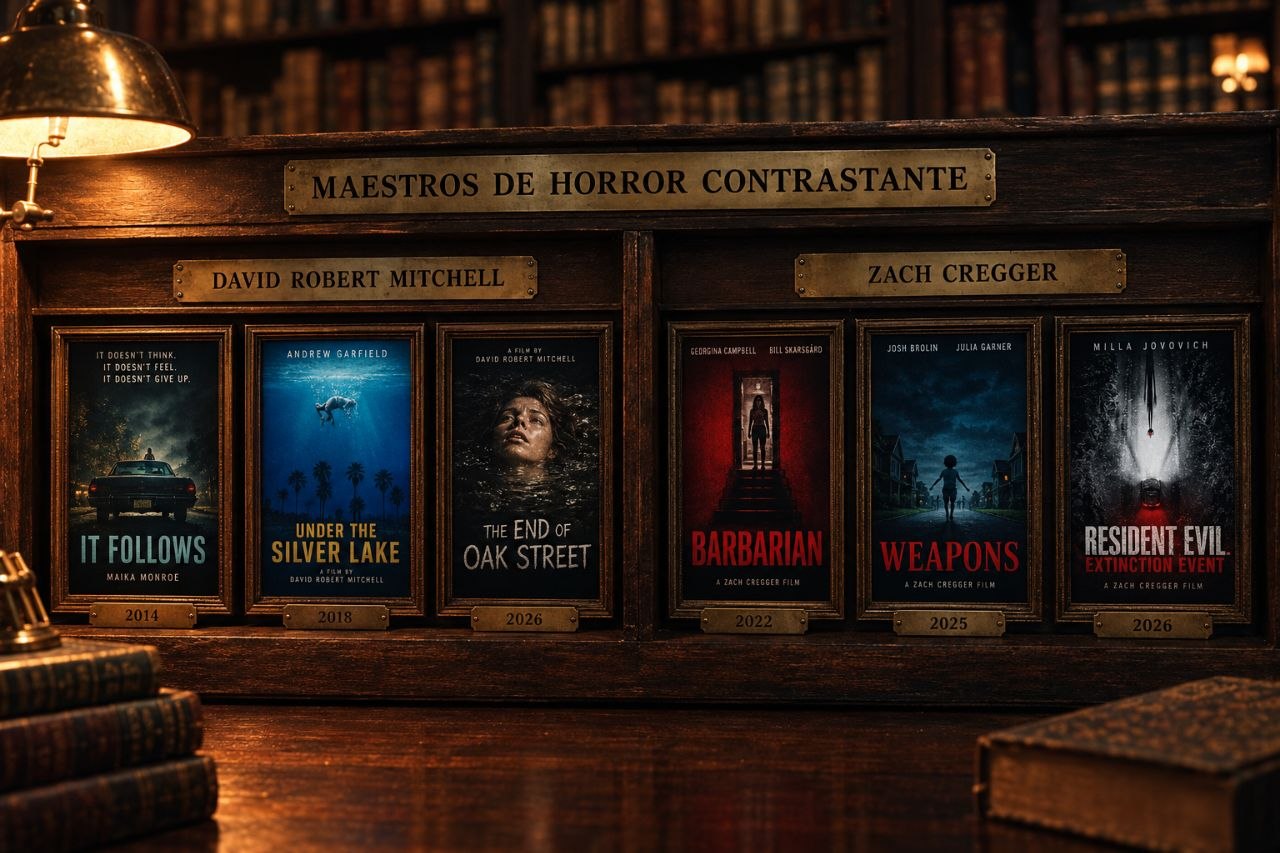
💬 Debate Cinéfilo & Autopsia de Lectores
0 veredictos¿Discrepas con nuestra nota? ¿Es una obra maestra o veneno puro? Deja tu veredicto abajo sin necesidad de registro.

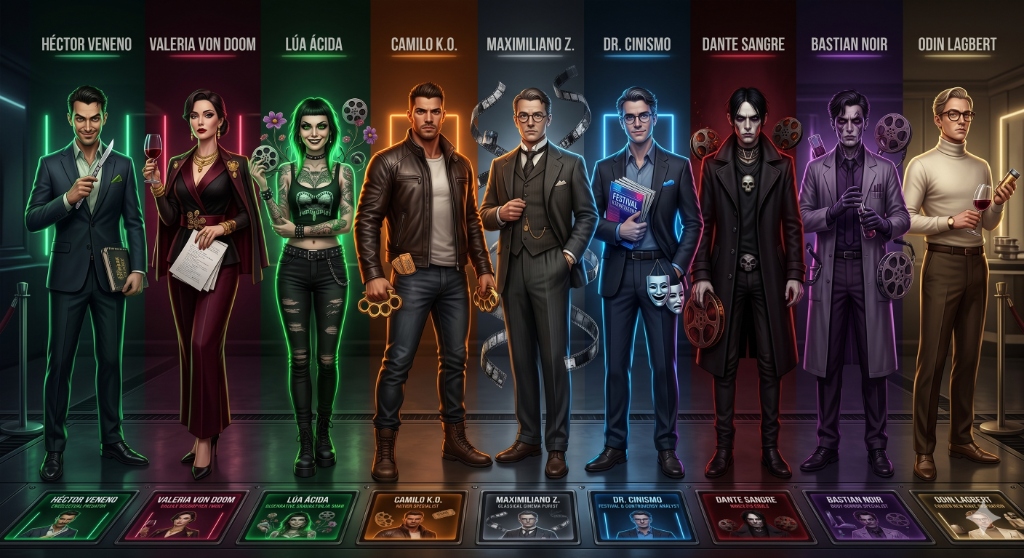
Aún nadie ha dejado su veredicto para esta película.
Sé el primero en clavarle el colmillo rellenando el formulario de arriba.