Night of the Living Dead — When Celluloid Rotted (And We Loved Every Second)
George A. Romero raised the dead in 1968 with bargain-bin corpses, syrup blood, and a script that chewed the American Dream down to the bone. 🧟♀️🔥

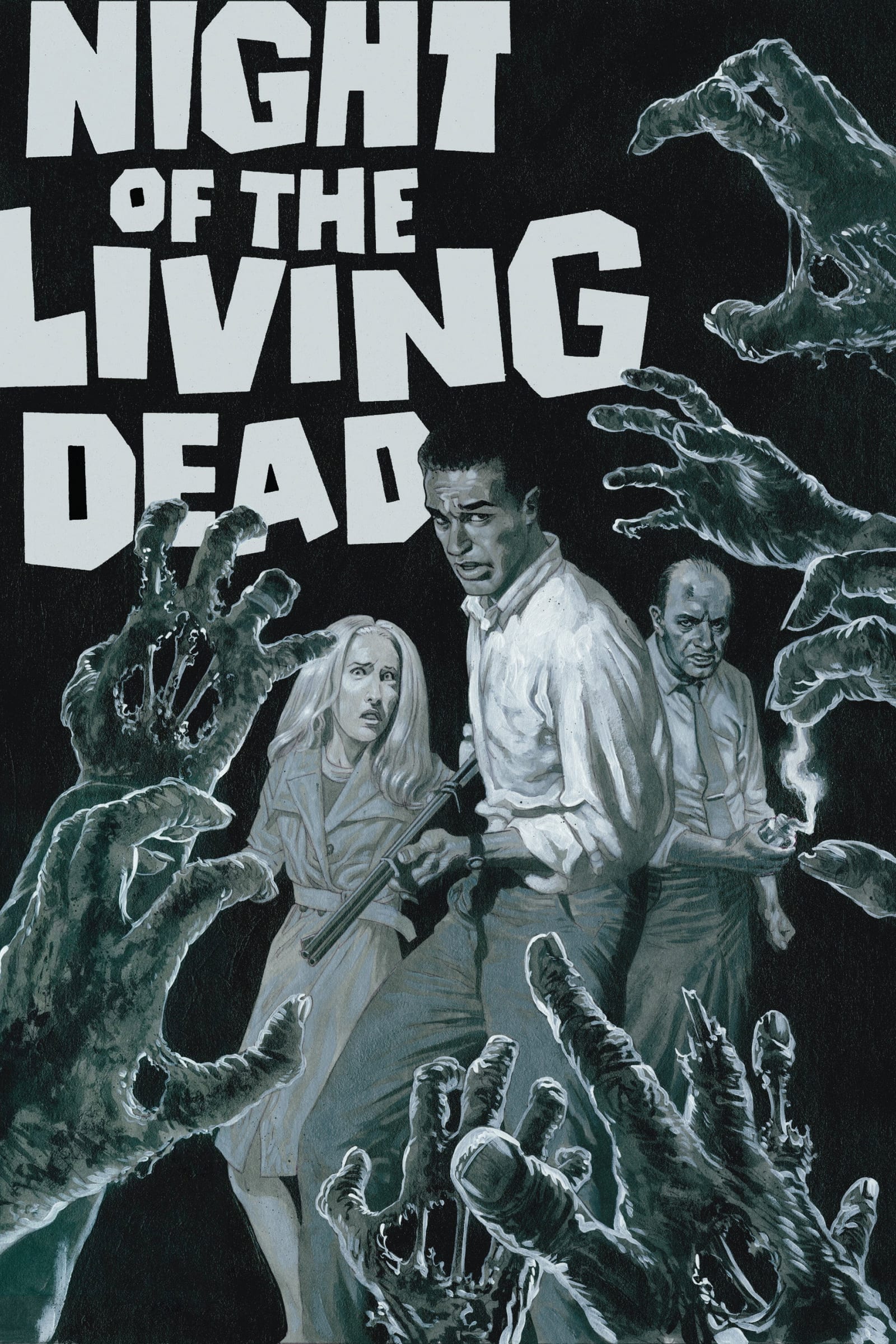


Celluloid bled crimson in 1968—not from the protests in the streets or the Vietnam War spitting corpses across newsreels, but in a Pittsburgh barn where a gang of lunatics with 16mm cameras and a budget barely enough to buy chocolate syrup and Halloween makeup decided the dead deserved an encore. George A. Romero, an ad man with more ideas than dollars, looked around and saw a country rotting: the American Dream decomposing between napalm and racism, television vomiting real corpses while families ate dinner. What better metaphor than a legion of shambling cadavers, ravenous for human flesh, to mirror a society devouring its own children? Thus, Night of the Living Dead was born—a film that didn’t just redefine horror but plunged a rusted knife into the heart of commercial cinema and left it bleeding all over the grindhouse floor. No digital effects, no Hollywood stars, no scripts polished by focus groups. Just cheap meat, fake blood, and a rage so real it still burns the screen like acid spilled on virgin film stock.
Romero and his band of misfits—assembled under the name Image Ten, a production company that sounded more like a community theater troupe than a filmmaking machine—had no clue they were about to rewrite cinema history. Their inspiration didn’t come from gothic horror masters but from raw reality: race riots, Cold War paranoia, and that primal fear that the guy next door was a monster. The script, penned by Romero and John A. Russo (though only Romero got final credit), was a claustrophobic western meets existential nightmare, with characters barricading themselves in a farmhouse like it was the last fort of civilization while the dead outside crawled like a biblical plague. But the revolution wasn’t the concept—film had played with reanimated corpses before, like in White Zombie (1932)—it was the execution. Romero shot in black-and-white not for artistry but necessity: color would’ve exposed the seams of their shoestring budget. Yet that accidental choice gave the film a war-documentary texture, as if the footage had been salvaged from a WWII newsreel. The zombies weren’t elegant or poetic; they were clumsy, filthy, grotesque, with gaping wounds oozing a black liquid that smelled like corn syrup and despair. Horror no longer lurked in haunted castles or mad scientists’ labs—it festered in rotting flesh and the stench of stale sweat.
The shoot was a low-budget hellscape. The actors—mostly friends and relatives of the crew—improvised dialogue because the script was more of a loose outline than a finished text. Duane Jones, a Black theater actor with no film experience, was cast as Ben not because of his race but because he was the best actor available. Yet his presence on screen was a political earthquake: in 1968, a Black hero who lived (or died) on equal footing with white characters was a declaration of war in a country still segregating public restrooms. Romero, wittingly or not, had crafted the perfect metaphor: in that isolated farmhouse, the living were as dangerous as the dead. Racism, sexism, and paranoia seeped through the barricades’ cracks while characters debated whether to lock the hysterical Barbara (Judith O’Dea) in the basement or let her die of fright in the living room. The film didn’t judge; it simply showed how fear corrupts, how humanity rots from within when the outside world becomes a nightmare. And when the final shot dissolved into a montage of still photos reminiscent of Ku Klux Klan lynchings, the message was clear: the real monster had always been inside the house.
But the most terrifying thing about Night of the Living Dead wasn’t its violence—tame by today’s standards—but its grimy realism. Romero didn’t need fancy effects to scare; a close-up of a zombie dragging its guts or the sound of pounding on the farmhouse door, growing closer and more desperate, was enough. The editing, handled by Romero and his team, was frantic in action sequences and suffocating in quiet moments, as if time itself had slowed to let the viewer feel every drop of cold sweat trickling down their spine. The black-and-white cinematography, with its brutal contrasts and elongated shadows, turned every corner of the farmhouse into a death trap. And the sound… God, the sound. The zombies’ moans, that chorus of damned souls rising from hell’s depths, were more chilling than any modern horror scream. Romero understood something Hollywood still hasn’t fully grasped: fear doesn’t need a budget—it needs imagination. And in 1968, his imagination was a bottomless pit.
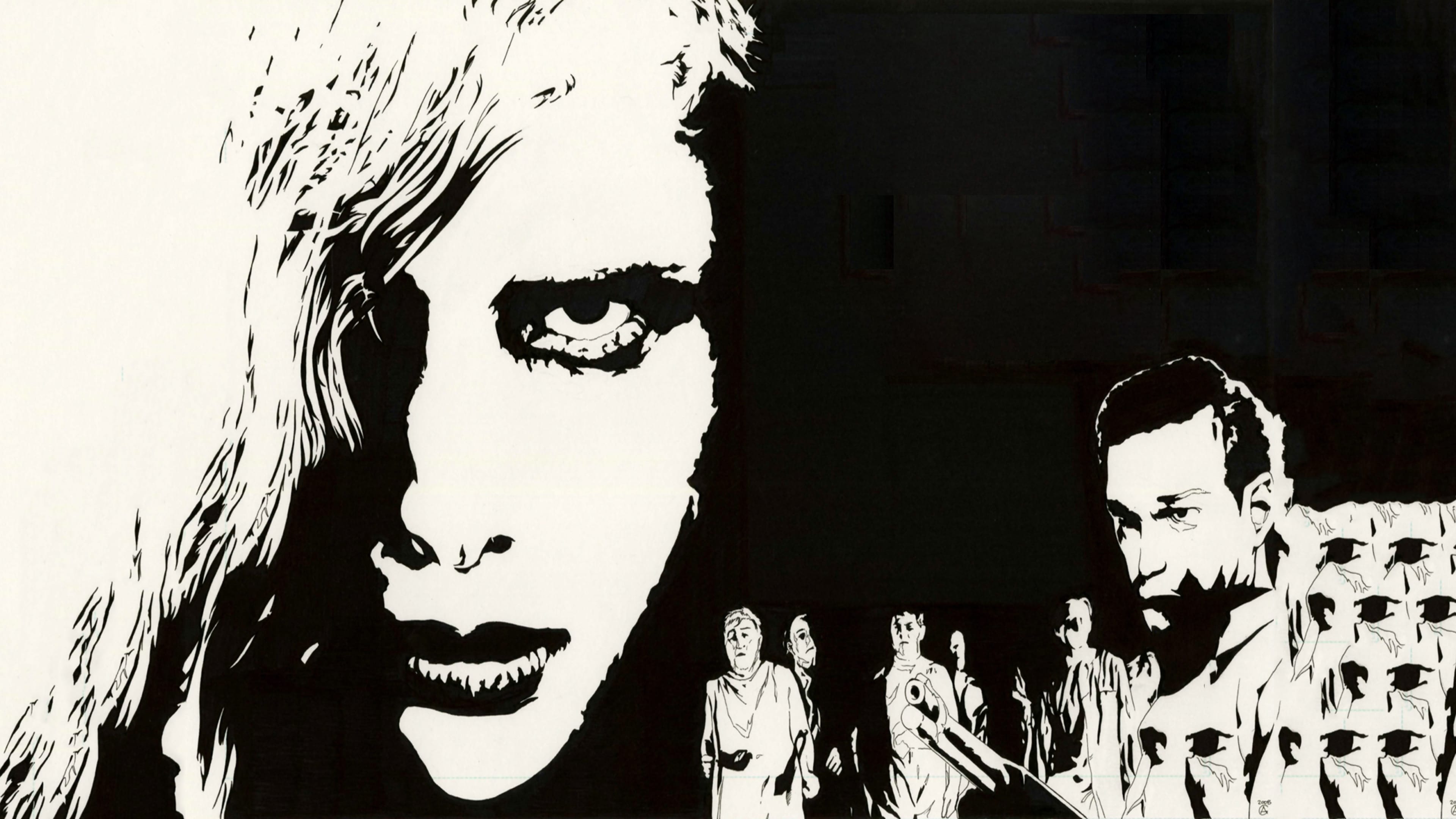
Direction: The art of filming with one hand on the trigger and the other in your pocket
Romero didn’t direct; he conjured. With a budget of $114,000 (about $900,000 today—a pittance even then) and a crew of volunteers working for art’s sake (or free beer), he created a claustrophobic atmosphere so thick you could cut it with a knife. His visual style was raw, almost documentary-like, as if he were filming a war instead of a horror movie. The long takes of zombies advancing toward the farmhouse had a hypnotic quality, like watching a pagan ritual instead of a B-movie. Then there were the close-ups: those extreme shots of faces warped by hunger, glassy eyes and mouths smeared with fake blood, straight out of a Hieronymus Bosch nightmare. Romero didn’t film monsters; he filmed humanity at its purest and most repulsive.
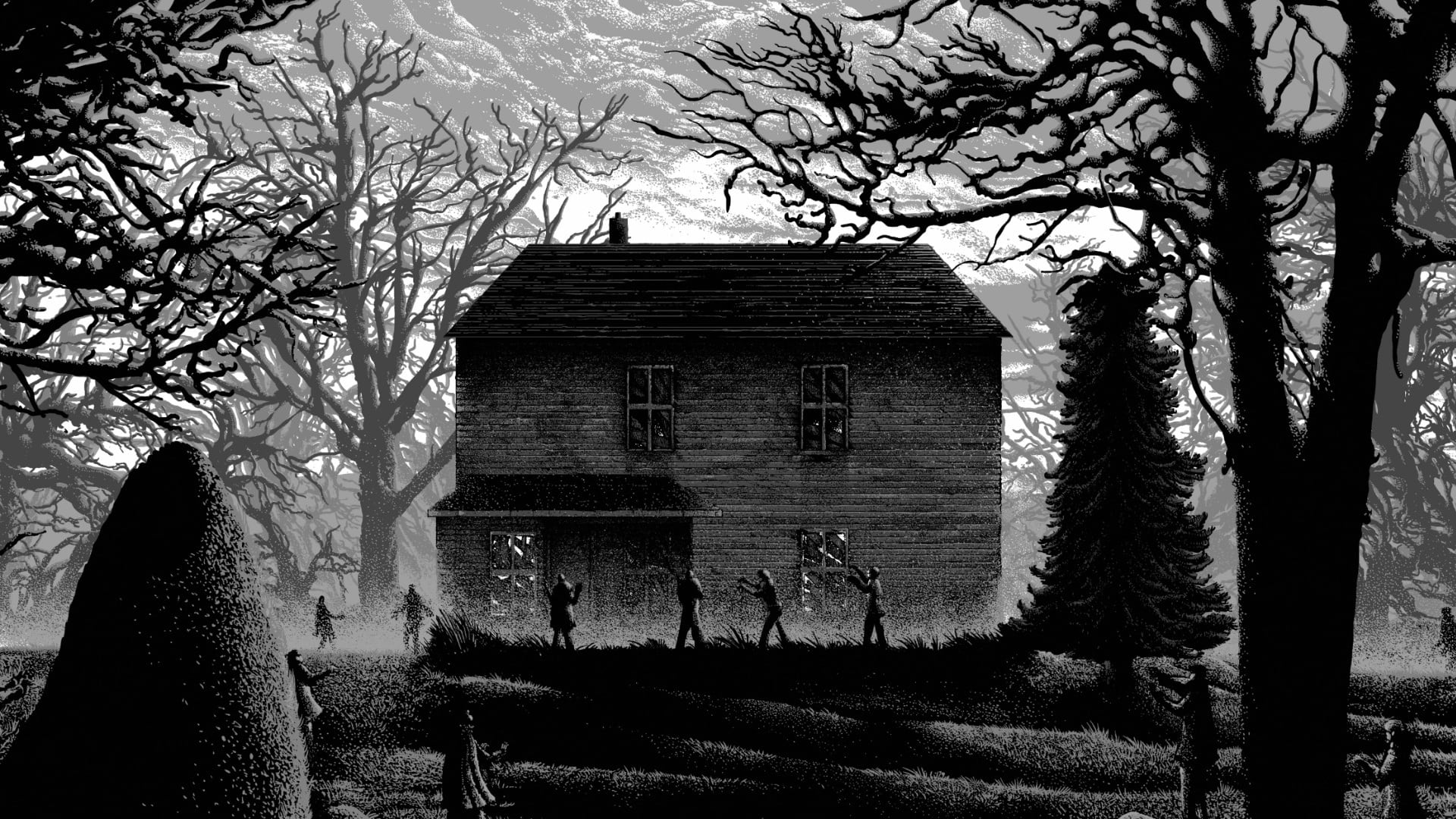
But where the director truly shone was in his use of space. The farmhouse, that single set serving as both prison and last refuge, was shot like a labyrinth of shadows and danger. The stairs to the basement, the broken windows, the doors barricaded with furniture—everything was designed to induce suffocation. And when characters locked themselves in the basement, the framing became even more oppressive, as if the walls were closing in (on them and the audience). Modern horror owes more to that basement in Night of the Living Dead than to all of Dracula’s castles combined.
The pacing, meanwhile, was a rollercoaster of tension and false relief. Romero knew exactly when to accelerate the editing—like in the sequence where zombies storm the farmhouse—and when to slow it down so the audience could savor every second of agony. No cheap jump scares or blaring music; the terror emerged from the mundane, the unexpected. A simple knock on the door could be scarier than any modern special effect.
The best
Duane Jones’ performance as Ben. In an era when Black actors were relegated to sidekick or comic-relief roles, Jones delivered a hero who was neither savior nor stereotype. His Ben was a man fighting for survival in a world that hated him as much as it hated the zombies. Cold, calculating, but with flashes of humanity that made him infinitely more complex than any horror protagonist of the ’60s. He wasn’t just the first Black hero of horror—he was the first real hero.
The sound design. That chorus of groans, the wet sounds of flesh tearing, the creaking of the farmhouse under siege—it was a symphony of dread that put modern horror’s overproduced scores to shame. Romero proved that silence and suggestion could be more terrifying than a jump scare.
The ending. No spoilers, but let’s just say the final montage of still photos didn’t just subvert horror tropes—it spat on them. It was the cinematic equivalent of a middle finger to the establishment.
The worst
Judith O’Dea’s Barbara. Not because she was bad—quite the opposite—but because her character was written as a hysterical damsel in distress, a trope Romero would later subvert in his sequels. It’s hard to watch a woman reduced to screaming and fainting when the film otherwise feels so ahead of its time.
The low-budget makeup. While the zombies’ grotesque appearance is part of the film’s charm, some of the effects look downright silly today. A few too many rubber masks and visible seams undercut the film’s otherwise unnerving realism.
The pacing in the first act. The film takes its time establishing the farmhouse as a safe haven, which works for atmosphere but can feel sluggish compared to the frenetic energy of the second half. If you’re not already invested, the slow burn might feel like a slow drip.
The Verdict of Claqueta Ácida
Night of the Living Dead isn’t just a horror movie—it’s a Molotov cocktail thrown at the face of 1960s America. Romero didn’t just create a new subgenre; he exposed the rot beneath the American Dream, using zombies as a mirror for racism, consumerism, and the violence simmering just below the surface. It’s a film that gets more relevant with each passing year, like a fine wine fermenting in a mass grave.
Flaws? Sure. The acting is uneven, the effects are dated, and Barbara’s character is a relic of outdated gender norms. But none of that matters when the film’s raw power still crackles like a live wire. This isn’t just a classic—it’s a warning. A warning that the monsters aren’t just outside the door; sometimes, they’re the ones you invited in for dinner. And sometimes, the real horror isn’t the undead—it’s the fact that we like watching them feast.
🎬 Tráiler Oficial
Abrir en YouTube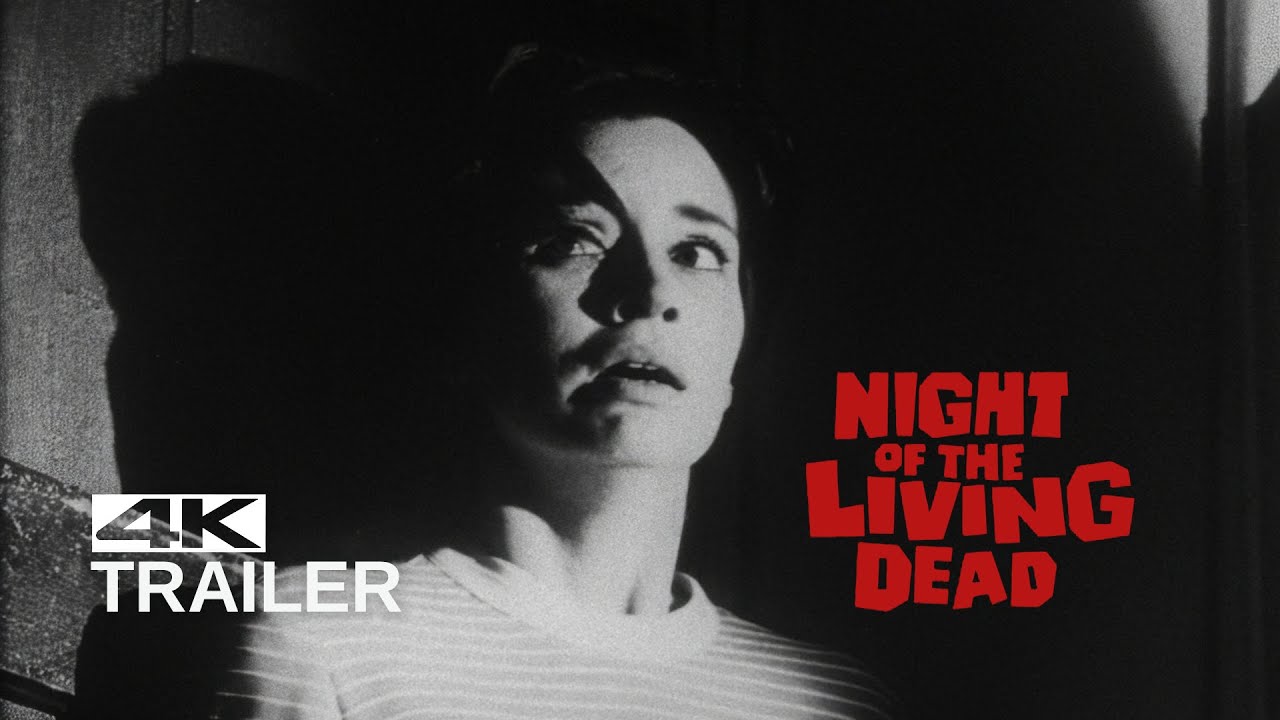
Ficha de Daños Colaterales en Sala
Certificado de impacto psicofísico emitido por Lúa Ácida
Cero bostezos. Pupilas dilatadas y tensión mandibular constante.
Ninguna comprobación del tiempo. Se agradece la rareza.
Ninguna. Guarda el café para la sesión siguiente.
"Inexistente: pulso de hierro hasta los créditos finales."
💬 El Veredicto de la Comunidad
¿Qué te ha parecido la película? Deja tu nota de 0 a 10 para contrastarla con el análisis de la redacción.
Aún no has votado
📢 ¿Te ha gustado el ácido?
Comparte esta crítica con tus amigos cinéfilos o desata la polémica en redes.
⚡ THE CINEMATIC VENOM YOUR INBOX CRAVES
No sugarcoated ratings, no corporate fluff. Subscribe for our uncensored weekly analysis or join the private Telegram for press previews, poll clashes, and instant alerts.
Alertas de estrenos en 1 segundo, encuestas en caliente y audios al salir de pases de prensa.
Recibe la dosis semanal en tu mail + regalo inmediato del PDF con 50 joyas ocultas de culto.
Related Reviews
Recommended autopsies for demanding film buffs.
 🔥 Fusión Nuclear8.0
Halloween Night: The Psychopath Born from a Shit Budget (And Saved Us from Mediocrity)
⚡Hermana de saga: otro capítulo diseccionado con rigor forense.
John Carpenter turned $300,000 and a guy in a William Shatner mask into the slasher that redefined horror. Claqueta Ácida dissects its cheap genius.
 ⚡ Ácido Cítrico5.0
Wedding Night 2: The Game Repeats, But the Scare’s Lost Its Bite
⚡Hermana de saga: otro capítulo diseccionado con rigor forense.
Grace is back to reclaim a throne, but the script only offers plastic chairs. Is this bloody déjà vu worth the trip? Claqueta Ácida carves it open with a scalpel.
 🔥 Fusión Nuclear9.5
*2001: A Space Odyssey – A Monkey, a Monolith, and Two Hours of Cosmic Pretentiousness*
⚡Consagradas en el olimpo transgresor con 🔥 Fusión Nuclear.
We dissect Stanley Kubrick’s magnum opus. A visual feast of minimalism and space hypnosis that cemented "serious" sci-fi—and bored half of humanity to tears.
Editorial Ecosystem
Cinephile connections, archive interviews and related analyses.
💬 Debate Cinéfilo & Autopsia de Lectores
0 veredictos¿Discrepas con nuestra nota? ¿Es una obra maestra o veneno puro? Deja tu veredicto abajo sin necesidad de registro.


Aún nadie ha dejado su veredicto para esta película.
Sé el primero en clavarle el colmillo rellenando el formulario de arriba.