Halloween Night — The Psychopath Born from a Shit Budget (And Saved Us from Mediocrity)
John Carpenter turned $300,000 and a guy in a William Shatner mask into the slasher that redefined horror. Claqueta Ácida dissects its cheap genius.

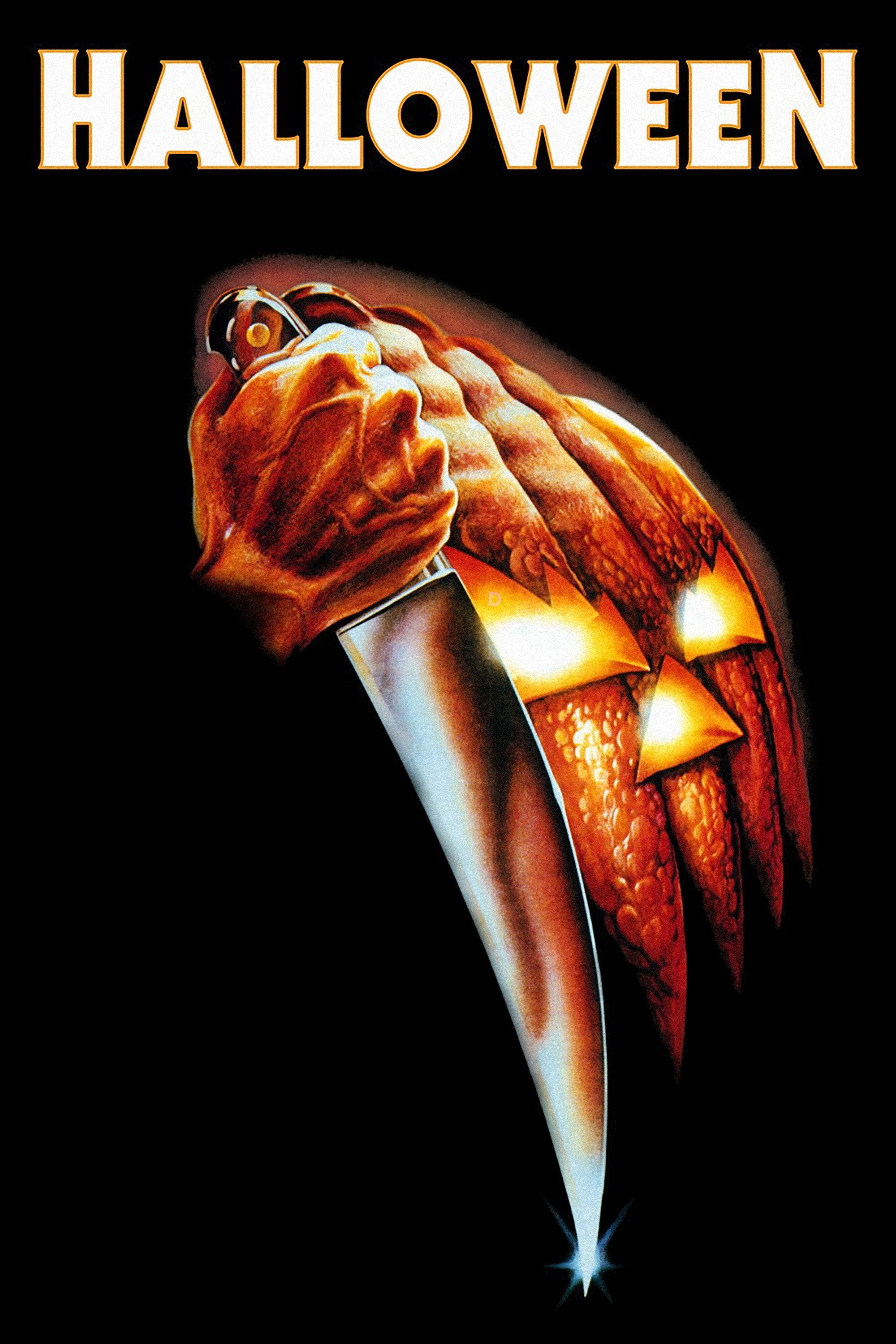

Horror cinema in 1978 was a wasteland of foam rubber monsters and vampires with Romanian accents. Hollywood, in its infinite wisdom, believed fear was manufactured with expensive makeup and method actors whispering about the darkness of the soul. Then along came John Carpenter, a guy who’d shot Dark Star (1974) on a budget so tight its special effects were literally painted party balloons, and said: «You know what’s scarier than a cape-wearing vampire? A guy with a kitchen knife and a Star Trek mask.» Thus, Halloween was born—a film that proved terror didn’t need millions, just a brilliant idea, an ironclad narrative grip, and the conviction that evil doesn’t need explanations. It just needs a white mask and fifteen years of silence in a psychiatric ward.
Carpenter wasn’t your typical horror director. He was a frustrated musician (yes, he composed that score that raises your hackles like nails on a chalkboard) and a filmmaker obsessed with Westerns and B-movies. His previous film, Assault on Precinct 13 (1976), had already made it clear the man knew how to ratchet up tension until the audience needed a Valium. But it was with Halloween that he found his voice: cold, minimalist, almost clinical in its approach to horror. There were no demons or possessions, just an empty man walking with the determination of an automaton. Michael Myers wasn’t a villain; he was a force of nature, a reminder that evil doesn’t always have a motive. Sometimes, it just exists. And Carpenter filmed it as if documenting an ancestral ritual, with long takes that slithered like Myers’ shadow through Haddonfield’s hallways.
The budget for Halloween was so laughable that the killer’s mask was nothing more than a William Shatner face (yes, Captain Kirk) bought at a costume shop for under two bucks and painted white. The producers, dreaming of something more «commercial,» suggested Carpenter use a clown mask or a classic monster. He, with the stubbornness of a genius who knew he was about to rewrite the rules, refused. That white, expressionless, slightly lopsided mask would become one of horror cinema’s most recognizable icons—not for its design, but for what it represented: a faceless void that the audience could fill with their own fears. The low budget wasn’t a limitation; it was a blessing. Carpenter had to get creative to scare without blood (in 1978, gore wasn’t mainstream yet), and he did it with a mastery that, in today’s CGI-and-jump-scare era, feels almost supernatural.
The script, co-written with Debra Hill (one of the few women in a male-dominated genre), was a mix of simplicity and genius. There were no unnecessary subplots or pretentious dialogue. It was a movie about fear of the unknown, about youthful vulnerability, and about that moment when you realize the world isn’t a safe place. Jamie Lee Curtis, in her film debut, embodied Laurie Strode with a naturalism that contrasted with the artificiality of the «final girls» who would follow. She wasn’t an invincible heroine but a normal, intelligent, slightly clumsy girl trying to survive a night that never should have existed. Curtis didn’t scream like a stage actress; she screamed like someone who’d just been stabbed in the shoulder. And that, my friends, was revolutionary.
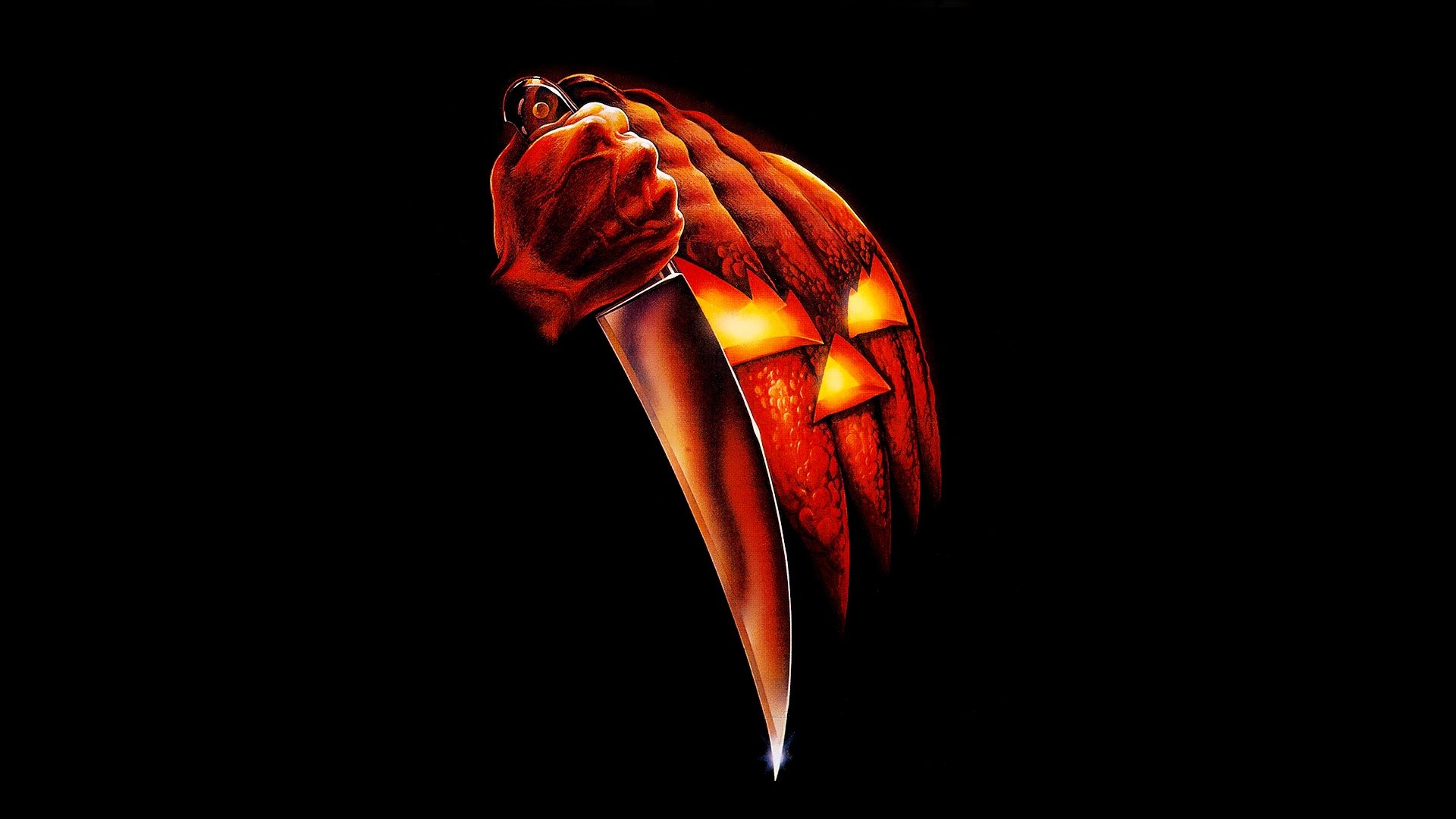
The direction: Carpenter, the low-cost suspense maestro
John Carpenter didn’t direct movies; he choreographed them like macabre ballets. In Halloween, every shot is calculated to the millimeter, every camera movement a statement of intent. The opening scene, that three-minute long take introducing us to the mind of a six-year-old committing murder, is a masterclass in storytelling without dialogue. Carpenter doesn’t show us the crime; he makes us feel it through the boy’s gaze, with a subjective camera that moves as if possessed. This isn’t a long take; it’s an initiation ritual into terror.
Then there’s his use of off-screen space, a technique Carpenter mastered like few others. Myers is never where you think he is. He appears in a window reflection, in the background of a shot, or simply stands still in the darkness until the audience starts doubting whether they saw him at all. It’s the cinematic equivalent of that moment when you feel someone watching you, but when you turn around, no one’s there. Carpenter doesn’t show you the monster; he forces you to imagine it. And in 1978, that was scarier than any Tom Savini makeup.
The film’s pacing is another of its triumphs. Carpenter understood something many modern horror directors have forgotten: suspense isn’t built with jump scares but with time. The scenes where Myers stalks his victims are exercises in cinematic patience. The camera lingers, waiting, while the audience squirms in their seats, wondering when something will happen. And when it does, it’s as unexpected as it is inevitable. There’s no filler, no unnecessary scenes. Every minute of Halloween is designed to keep you teetering on the edge of the abyss, breath held, knuckles white from gripping your seat.
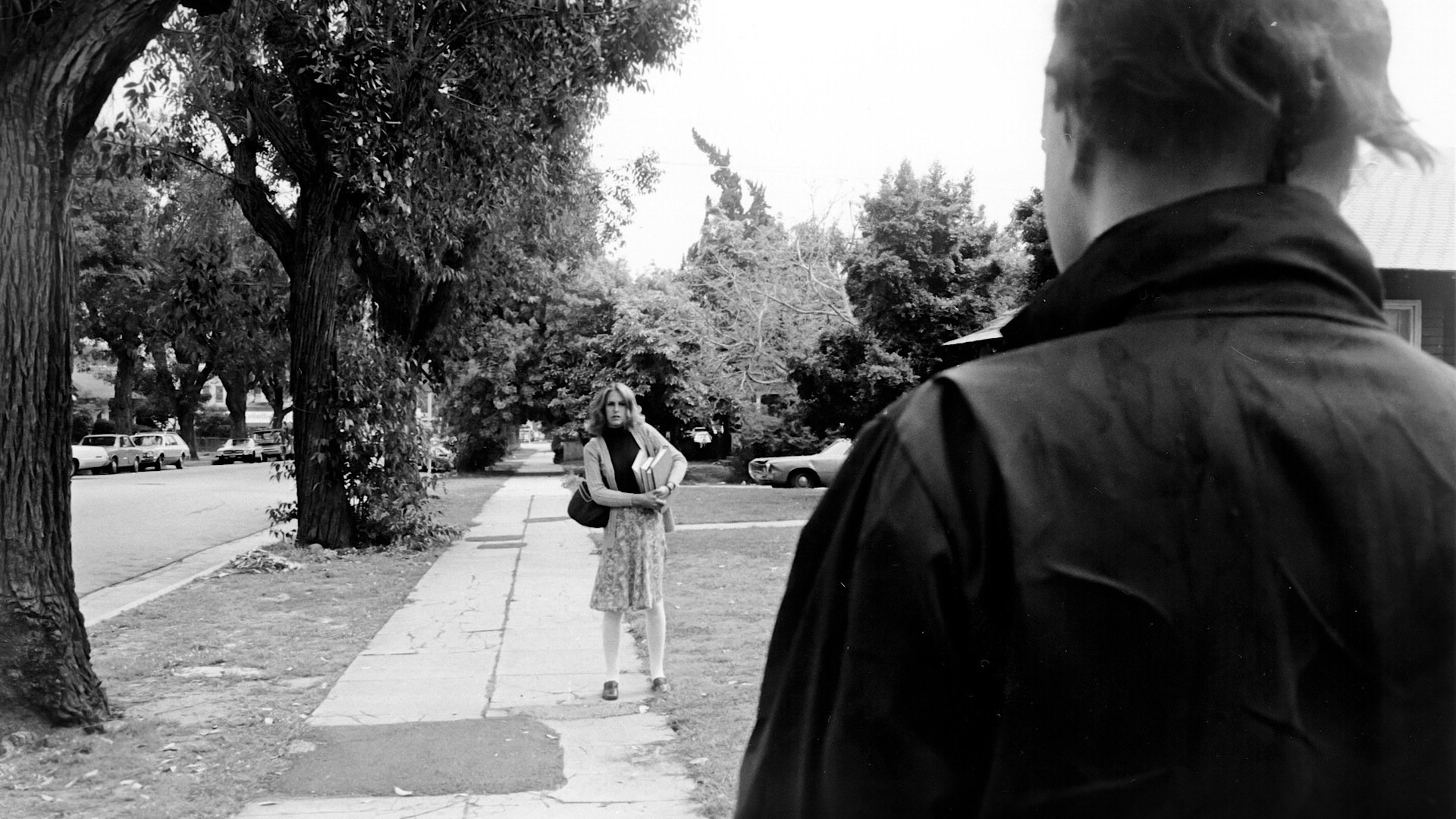
The performances: When terror becomes human
If there’s one thing that sets Halloween apart from most slashers that followed, it’s that its characters aren’t idiots. They don’t run toward danger screaming, «I’ll check out that noise!» nor do they split up so the killer can pick them off one by one. They’re normal teenagers, with their sex talks, dumb jokes, and everyday fears. Jamie Lee Curtis shines especially here. Laurie Strode isn’t a superhero; she’s a girl trying to survive a night that’s turned into a nightmare. Her performance is so natural it’s hard to believe it was her first film. There’s no overacting, no exaggerated gestures—just a terrified young woman trying not to die.
On the opposite end of the spectrum is Donald Pleasence, who plays Dr. Sam Loomis, the psychiatrist obsessed with Myers. Pleasence, with his deep voice and imposing presence, is the perfect counterpoint to Laurie’s vulnerability. He’s not a hero but a man who’s seen pure evil and knows it can’t be stopped. His monologue about Myers («Evil in its purest form») is one of the film’s most memorable moments—not for its drama, but for the conviction behind it. Pleasence doesn’t act; he warns.
The rest of the cast delivers competently, though it’s fair to say some secondary characters (like Annie or Lynda) fall into the «brainless teenager» cliché that would be endlessly recycled in the genre. But even then, Carpenter makes their deaths impactful—not through gore (which is minimal) but by shattering the night’s normalcy. Death in Halloween isn’t a spectacle; it’s a violent interruption of the everyday.
The technical department: The magic of cheap
The real technical star of Halloween is its cinematography, courtesy of Dean Cundey. With a laughable budget and a minimal crew, Cundey created a visual atmosphere that’s still studied in film schools. The movie was shot in Panavision anamorphic, a format that in 1978 was expensive and rare for low-budget productions. Carpenter insisted on it because he wanted Halloween to look like a «real movie,» not a TV film. And damn, did he succeed. The shots of Myers lurking in the bushes, lit by moonlight, have an almost dreamlike quality. This isn’t a horror movie; it’s a fever dream.
The score, composed by Carpenter himself, is another pillar of the film. That repetitive, obsessive piano melody has become one of cinema’s most recognizable themes. It’s not an epic score, nor even particularly complex. It’s music for fear, a rhythm that burrows into your brain like a knife and won’t let go. Carpenter understood something many horror composers forget: silence is just as important as sound. The scenes without music—where you only hear the wind or Myers’ footsteps—are the most terrifying.
The editing, by Tommy Lee Wallace (who also designed Myers’ mask), is another of the film’s strengths. Carpenter and Wallace knew horror isn’t about what you see but what you don’t see. The chase scenes are cut with relentless precision, never descending into chaos. Every edit is calculated to maintain tension, to make you wonder what happens next. This isn’t frenetic editing; it’s editing that suffocates.
The best
- John Carpenter’s direction: A masterclass in minimalist suspense that redefined horror on a shoestring budget. Every shot is a lesson in scaring without showing anything.
- Dean Cundey’s cinematography: Expressionist lighting, anamorphic shots, and a visual atmosphere that turns Haddonfield into a nightmare town. Cheap, but unforgettable.
- Carpenter’s score: That piano melody is the auditory equivalent of a knife stabbing your brain. Simple, obsessive, and brilliant.
- Jamie Lee Curtis: The original «final girl,» who screams, runs, and survives with a naturalism no imitator has matched.
- Michael Myers’ mask: Not for its design, but for what it represents—a blank face the audience fills with their own fears. Pure genius.
- The use of off-screen space: Carpenter doesn’t show you the monster; he forces you to imagine it. And that’s scarier than any special effect.
The worst
- Some secondary characters: Annie and Lynda are the prototypes of the «brainless teenager» that would be endlessly recycled in the genre. Fortunately, Carpenter kills them off quickly.
- Pacing in the first act: The film takes a while to get going. The opening scenes in the asylum are slow, though necessary to set the tone.
- Myers’ lack of development: Not a criticism, just an observation. Carpenter wanted Myers to be a force of evil without motivation, but sometimes it feels like his psychology could’ve been explored a bit more (though that might’ve ruined his mystery).
- Some teenage dialogue: The sex and drugs conversations among the secondary characters sound a bit forced, like Carpenter was trying to mimic youth slang without quite nailing it.
- The abrupt ending: The film ends suddenly, almost as if Carpenter ran out of budget. While the effect is impactful, it sometimes feels like a more elaborate conclusion could’ve been possible.
The Verdict of Claqueta Ácida
Halloween isn’t just a horror movie; it’s the manual on how to make cinema with four bucks and a brilliant idea. John Carpenter turned a $300,000 budget into a classic that still terrifies generations of viewers. It’s not perfect (what movie is?), but its influence is so vast that even modern slashers owe it an homage (or a shameless rip-off). Michael Myers didn’t need special effects to become an icon; he just needed Carpenter behind the camera. Today, in the era of CGI and cheap jump scares, Halloween remains a reminder that terror isn’t about what you see but what you feel. And Carpenter, with his low-cost genius, made you feel fear in every frame. 8.0 out of 10, because even classics are allowed a couple of flaws. 💀
🎬 Tráiler Oficial
Abrir en YouTube
Ending Explained: Halloween Night
Ficha de Daños Colaterales en Sala
Certificado de impacto psicofísico emitido por Dr. Cinismo
Ni un solo parpadeo voluntario. El asiento, inusualmente cómodo.
Ninguna comprobación del tiempo. Se agradece la rareza.
Ninguna: la adrenalina cinematográfica es suficiente.
"Inexistente: pulso de hierro hasta los créditos finales."
💬 El Veredicto de la Comunidad
¿Qué te ha parecido la película? Deja tu nota de 0 a 10 para contrastarla con el análisis de la redacción.
Aún no has votado
📢 ¿Te ha gustado el ácido?
Comparte esta crítica con tus amigos cinéfilos o desata la polémica en redes.
⚡ THE CINEMATIC VENOM YOUR INBOX CRAVES
No sugarcoated ratings, no corporate fluff. Subscribe for our uncensored weekly analysis or join the private Telegram for press previews, poll clashes, and instant alerts.
Alertas de estrenos en 1 segundo, encuestas en caliente y audios al salir de pases de prensa.
Recibe la dosis semanal en tu mail + regalo inmediato del PDF con 50 joyas ocultas de culto.
Related Reviews
Recommended autopsies for demanding film buffs.
 🔥 Fusión Nuclear9.2
Night of the Living Dead: When Celluloid Rotted (And We Loved Every Second)
⚡Hermana de saga: otro capítulo diseccionado con rigor forense.
George A. Romero raised the dead in 1968 with bargain-bin corpses, syrup blood, and a script that chewed the American Dream down to the bone. 🧟♀️🔥
 🔥 Fusión Nuclear8.2
*Christine*: The Most Toxic and Brilliant Mechanical Romance in Cinema History
⚡Del mismo director (John Carpenter): analiza la evolución o degradación de su estilo.
John Carpenter takes Stephen King’s eponymous novel and soups it up to deliver a staggering fable about teenage obsession, rock ‘n’ roll, and a 1958 Plymouth Fury with the jealous rage of a scorned lover.
 🔥 Fusión Nuclear8.5
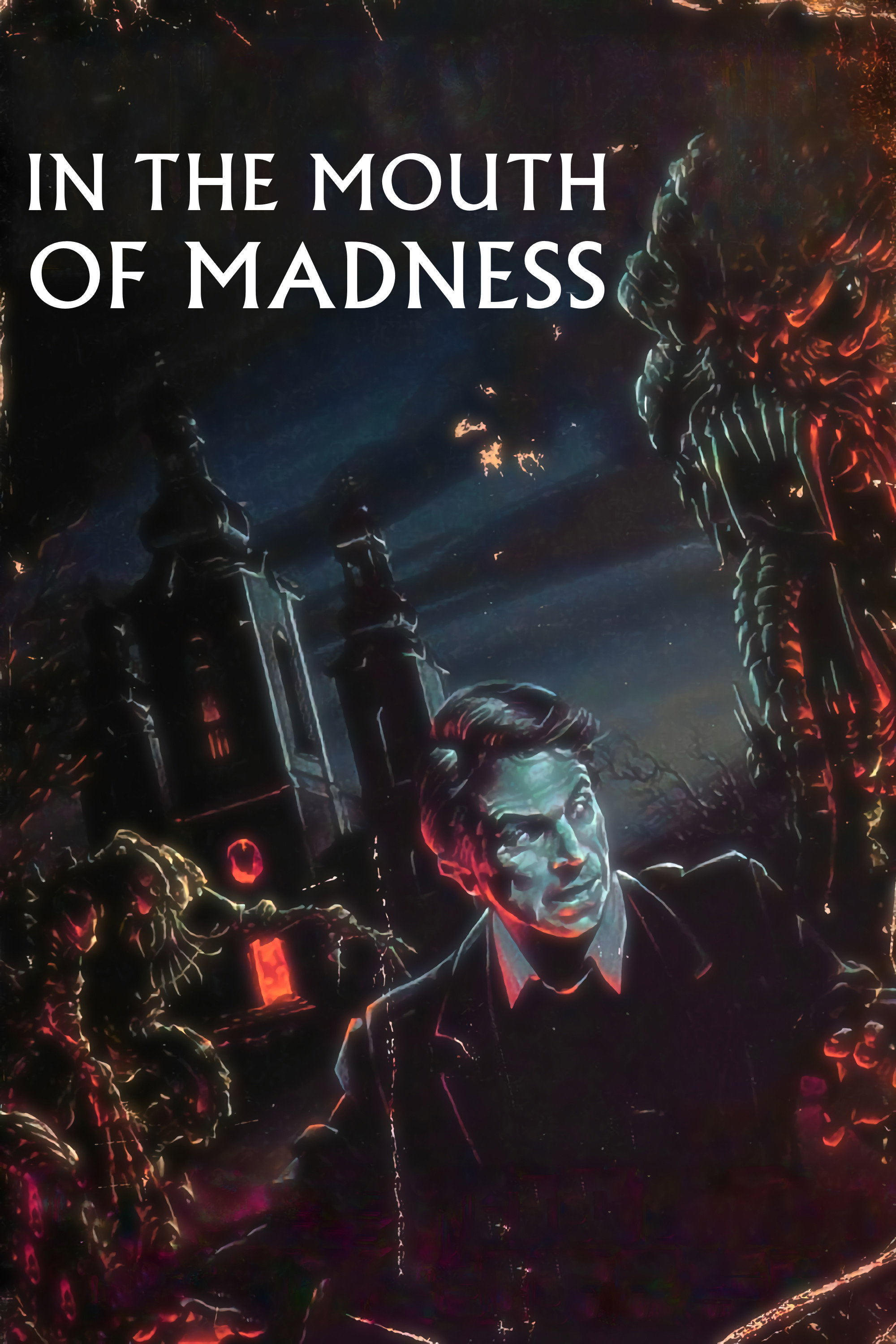
In the Mouth of Madness: When John Carpenter Swallowed Lovecraft (And Spat Out Our Sanity)
⚡Del mismo director (John Carpenter): analiza la evolución o degradación de su estilo.
John Carpenter delivers a Lovecraftian nightmare with Sam Neill teetering on the edge of the abyss. A masterpiece of cosmic horror or a self-parody with literary pretensions? Here’s the autopsy.
Editorial Ecosystem
Cinephile connections, archive interviews and related analyses.
💬 Debate Cinéfilo & Autopsia de Lectores
0 veredictos¿Discrepas con nuestra nota? ¿Es una obra maestra o veneno puro? Deja tu veredicto abajo sin necesidad de registro.

Aún nadie ha dejado su veredicto para esta película.
Sé el primero en clavarle el colmillo rellenando el formulario de arriba.