The Bride! or How Maggie Gyllenhaal Gifted Us a Postmodern Frankenstein… Still Nursing a 30-Something Hangover
Maggie Gyllenhaal drags Frankenstein into the 1930s: more makeup than meaning, a romance that burns neither hot nor cold, and an edit that feels like it was sliced with nail scissors. Passed with flying colors… if the colors were all the same shade.

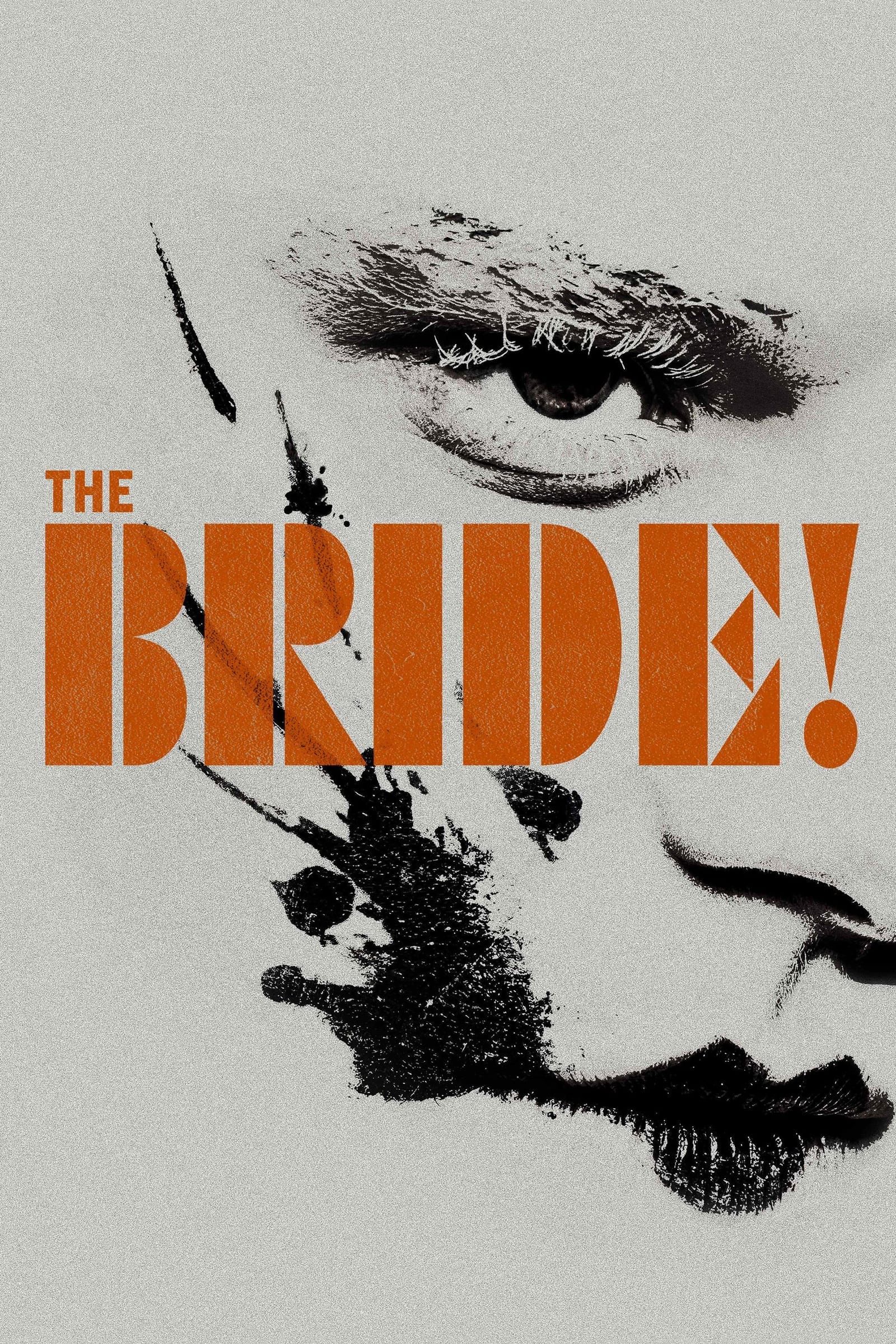
Two hours into The Bride!, set in 1930s Chicago, Frankenstein (Christian Bale) and his hack scientist sidekick (Peter Sarsgaard) yank Jessie Buckley from the dead like a couple of bricklayers constructing an igloo out of dust and frustrated ambition. Maggie Gyllenhaal takes Mary Shelley’s universal myth and filters it through the sieve of her 90s feminist melodrama obsession—a style that confused depth with monologues about empowerment while the audience dozed on its feet. This isn’t a bad movie; it’s a project that reeks of a university film reel suddenly upgraded to a $127 million Warner Bros. budget and declared art on the spot. Between pretension and B-movie financing, what remains is a Frankenstein stitched together-la-cueva-de-los-espejos-rotos" class="text-amber-400 font-black hover:text-amber-300 transition underline decoration-amber-500/40 hover:decoration-amber-300" title="[6.5/10 ⚡ Ácido Cítrico] Lee nuestra autopsia de «Together»" data-acid-interlink="together-la-cueva-de-los-espejos-rotos">together with bargain chicken filler: it stands, but no one wants a second bite.
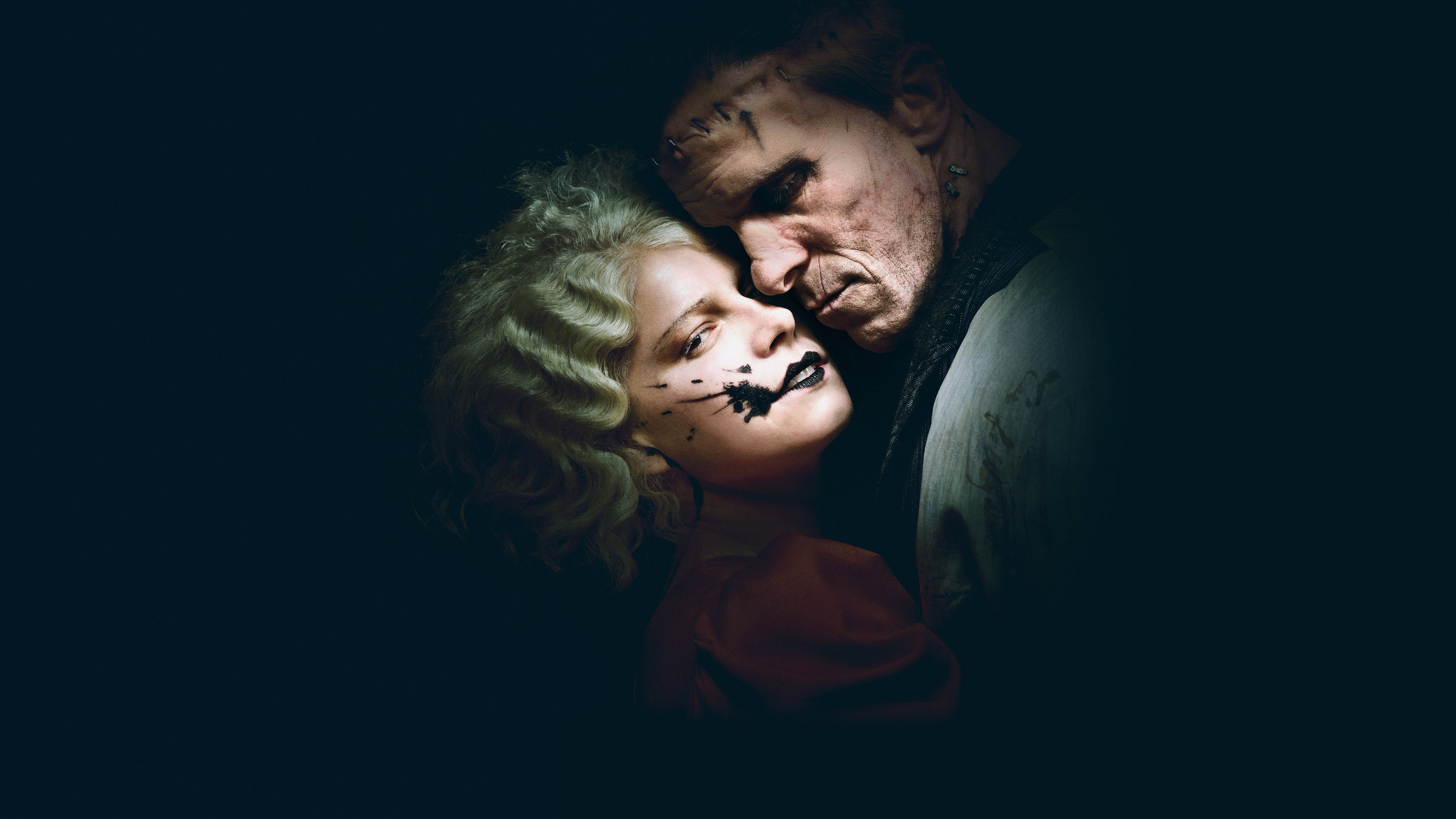
Gyllenhaal’s yen to rewrite classics through a gendered magnifying glass isn’t news—she tried it with The Lost Daughter (2021), turning Monica Lewinsky into a feminist fairy-tale heroine (and we all remember how that ended). Here, however, the issue isn’t the theme—the Bride as a woman reduced to an object reanimated by male whim—but the execution: a script that oscillates between cornball dialogue («Love isn’t possession, it’s freedom») and a scene that feels plucked from a 1950s soap advertisement, where Jessie Buckley, eyes brimming with ink-black tears, recites lines that sound like a 1933 union slogan. And yet… there’s the saving grace of Act One: the makeup. Lawrence Sher, cinematographer of Joker’s psychedelic nightmare, turns the actors’ faces into cracked porcelain masks, as if the film were shot inside a wax museum under candlelight. The problem? Once you realize the only texture in frame is the painted skin, the rest collapses into cardboard.
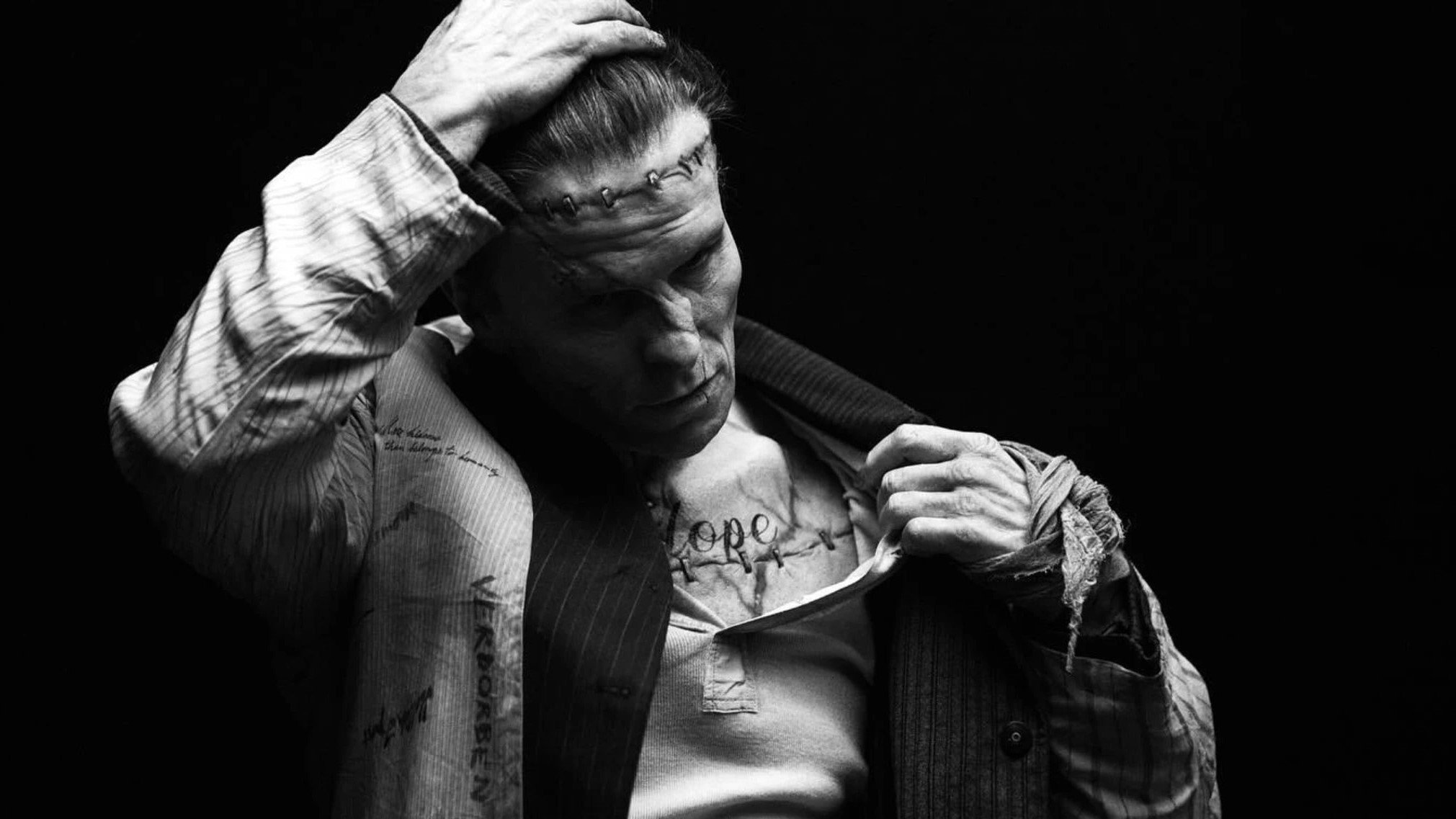
Let’s talk craft services, because spare ribs beg for dissection: according to leaks from the Warner Bros. tech crew, Gyllenhaal arrived on set with one non-negotiable directive—she wanted the movie to feel like a wet dream of David Lynch directed by Douglas Sirk. The result? Between takes, the cast huddled under artificial rain while the sound guy bellowed «MORE WIND!» as if they were filming Blade Runner in a supermarket. Christian Bale, lately obsessed with collecting roles that stare into the camera as if privy to the universe’s cheat codes, here grins with the dentistry smile he’s brandished since The Dark Knight. When he’s not grinning, he scowls like a primary-school teacher who’s just discovered capitalism is an Illuminati invention. And Jessie Buckley, poor soul, carries the Bride’s weight literally—wardrobe included. The dresses, by the way, seem designed by a committee of high-society ladies who despised cinema and adored corsets as instruments of torture. You half-expect to immolate them in a purifying bonfire.
Direction and Staging
Maggie Gyllenhaal has an eye for static beauty—every locked frame mirroring the vanity of her characters—but lacks the audacity to shatter the stiffness. The film advances like a German cuckoo clock: precise, yet every time it pops its door open, only nonsense flies out. 1930s Chicago isn’t a city; it’s a cardboard diorama where laborers resemble nativity figurines and bars smell of discount air freshener. There’s an opening tracking shot through Frankenstein’s lab that glides like a museum corridor, but instead of tension, it evokes the unease of a carnival ride that forgot to bolt its bolts. Gyllenhaal wants us to believe this is Nosferatu in crinoline with porcelain makeup, yet it only registers as the dress rehearsal for a university play about industrial alienation.
Performance direction swings wildly between Christian Bale’s histrionics—he plays Frankenstein like a Shakespearean hamlet in decline—and Jessie Buckley’s restraint, which occasionally crackles with real stage presence. When the Bride awakens and surveys her surroundings with eyes that scream «where the hell am I?», there’s a spark of humanity that burns like a lit cigarette in the dark. Then Peter Sarsgaard strides in, that Swiss-army-knife of an actor, and reminds us why he’s one of Hollywood’s most underrated sidekicks: in two minutes of screen time, he turns a scientist on the brink into something bordering on the sublime. The catch? Whenever Bale and Sarsgaard share frame, the movie forgets it has a plot at all.
Screenplay: Trapped Between Mold and Originality
Maggie Gyllenhaal’s screenplay is like a wedding cake: outside looks elegant and sophisticated, but the first bite reveals meringue and cardboard. The story of the Bride as a woman rejecting her passive role and rebelling against her creator has been done—Mary Shelley, Ex Machina, even a Doctor Who episode. Instead of fresh feminist perspective, Gyllenhaal serves up grandiloquent dialogue and cheap symbolism: every time characters mention freedom, the camera cuts to a bird in flight; every mention of oppression features a curtain flapping like a 70s horror flick. There’s a park scene where Bride and Frankenstein converse that feels like a Jane Austen novel written by someone who despised Jane Austen. The dialogue is so pompous you half-expect Colin Firth to materialize with a cane and an unplaceable British accent to declare, «Freedom is like tea—served hot or not at all.»
And yet… within that slurry of pretension, there are flashes of truth. When the Bride fumes, «You’re not my creator, you’re my jailer,» Jessie Buckley delivers the line with a rage so throttled it sounds like 80 years of silent screaming. The problem? The screenplay lacks the muscle to sustain such a moment, and rather than escalate tension, it deflates into a cut to a bar where Christian Bale sips whisky like this were The Great Gatsby directed by Almodóvar.
Cinematography and Production Design: When Makeup Salvages What the Script Destroys
Lawrence Sher, cinematographer of Joker’s hallucinatory nightmare, deserves an award for saving this film from the ignominy of oblivion. His close-ups of the actors’ faces—especially Jessie Buckley’s—are works of art in their own right: cracked skin aging under time, makeup fused to flesh like a second epidermis, shadows dancing with light as if choreographed by a puppeteer. There’s a shot where the Bride awakens on the operating table and the camera inches toward her face like a surgeon examining an organ that shouldn’t exist—it’s so gorgeous it physically hurts, like staring at the sun through a knothole.
Production design, however, is a letdown foretold. The 1930s Chicago sets look like they were budgeted on two cans of tuna and a prayer. The gowns, as mentioned, seem curated by a committee of high-society ladies who loathed fashion and adored corsets as instruments of torture. Bars exude the aura of cheap fantasy where men puff cigars like pulp-novel spies and women whisper about the future as if privy to secrets we’ll never know. The score, composed by Colin Stetson, earns an honorable mention: wind and strings conjure an atmosphere oscillating between gothic and circus, as if the movie were a funeral celebrated inside a big top. The themes swell like resistance hymns, but the orchestration is so dense it smothers whatever fleeting emotion the script attempts to muster.
Editing, meanwhile, is a controlled disaster. Scenes drag like rush-hour trams—advancing, halting, accelerating at wrong beats, braking at critical moments. Gyllenhaal insists this is a film of ideas, but forgets cinema is first and foremost a sensory experience. Here, the senses are too busy wrestling with the cinema seat’s discomfort to surrender to the story.
Performances: The Cast That Rescues (and Drowns) the Ship
Jessie Buckley is the sole ray of light in this controlled disaster. When the Bride awakens and surveys her new existence with terror and curiosity, Buckley compresses more emotion into 30 seconds than the rest of the cast does in two hours. It’s as if the film suddenly remembered it’s cinema, not yogurt commercials. Her performance oscillates between fragility and smoldering fury, and in the moments the screenplay grants her worthy lines, she blazes with an intensity reminiscent of Isabelle Huppert at her most electric. The catch? Gyllenhaal doesn’t trust her enough: Buckley is locked into medium shots and smothered under makeup that reads more like a mask than skin.
Christian Bale, meanwhile, is trapped inside his own myth. Since The Dark Knight, Bale appears committed to playing characters who gaze into the camera as if privy to the universe’s cheat codes—and here he’s no exception. Frankenstein veers between arrogance and vulnerability, but Bale renders him as a telenovela villain with a Napoleon complex. When he grins, he peddles life insurance; when he scowls, he terrifies like a disappointed primary-school teacher. Peter Sarsgaard, however, is the only one who seems to grasp what this kind of film demands: his Dr. Euphronius is a man on sanity’s edge, and Sarsgaard conveys that madness with a dash of irony and desperation bordering on genius.
Annette Bening and Jeannie Berlin drift in and out like ghosts from an unfinished play. Bening, especially, is so ethereal in her presence you half-expect her to morph into a fairy godmother—or a 70s horror witch—only to realize she’s merely a woman whispering uncomfortable truths as someone off-screen cuts the lights.
The best
- Lawrence Sher’s cinematography: A masterclass in light and shadow. Every close-up of the actors’ faces resembles a modern Caravaggio, its texture aching with beauty.
- Jessie Buckley as the Bride: When the film centers on her, life stirs. Her transformation from porcelain doll to woman rejecting her fate is the sole moment you believe this might transcend pretentious stylization.
- Colin Stetson’s score: Wind and strings conjure an atmosphere oscillating between gothic and circus, as if the film were a funeral celebrated inside a big top.
- Peter Sarsgaard: The only actor who recalls what movies—rather than yogurt commercials—are for. His Dr. Euphronius is the only character with real dramatic weight.
- The makeup and costuming: Though the gowns feel curated by a committee of fashion-hating dowagers, the Bride’s makeup is so meticulous it behaves like second skin. It’s the only element salvaging the film from total visual collapse.
The worst
- Maggie Gyllenhaal’s screenplay: A wedding cake filled with meringue and cardboard. Cornball dialogue, cheap symbolism, and a plot that deflates like a pricked balloon.
- Christian Bale: Plays Frankenstein like a Shakespearean hamlet in decline. His grin is more irritating than Heath Ledger’s Joker.
- The pacing: Advances like rush-hour transit—halting, jerking, accelerating at wrong beats, braking at critical moments.
- Sets and production design: 1930s Chicago looks like 1980s budget slasher territory—two cans of tuna and a dream. Nothing has texture or life.
- Moments of faux profundity: Every time characters pontificate about freedom or empowerment, the camera cuts to a bird in flight or a curtain flapping like 70s horror. It’s saccharine, cheap, and reeks of desperate profundity.
The Verdict of Claqueta Ácida
The Bride! is what happens when Maggie Gyllenhaal tries to craft a feminist Frankenstein but ends up with a screenplay penned in a New York bar at 3 AM and a cast that seems to be performing a university play. The film boasts moments of genuine beauty—especially in the cinematography and Jessie Buckley’s performance—but ultimately collapses under the weight of its own pretensions 💀
tweets_alternativos:
- "@MaggieGyllenhaal intenta hacer un Frankenstein feminista pero termina con un guión que huele a taller de escritura creativa de los 90 @TheBrideFilm"
- "@JessieBuckley sufre en silencio los diálogos más cursis del año mientras Christian Bale sonríe como si supiera algo que nosotros no @TheBrideFilm"
- "@WarnerBros retuerce el concepto de remake hasta dejarlo irreconocible: First Love Films debería devolver el dinero @TheBrideFilm"
🎬 Tráiler Oficial
Abrir en YouTube
Theater Collateral Damage Report
Psychophysical impact certificate issued by Odin Lagbert
3 amagos en el tramo intermedio; pestañeo pesado en las transiciones más innecesarias.
Minuto 42 y minuto 68 (comprobando cuánto quedaba de suplicio).
1 espresso para no dejarse vencer por la mediocridad cómoda.
"A mitad del segundo acto cuando la subtrama secundaria empezó a pesar más de lo que aportaba."
💬 Community Verdict
What did you think of the film? Rate it from 0 to 10 to compare it with the editorial review.
You haven't voted yet
📢 ¿Te ha gustado el ácido?
Comparte esta crítica con tus amigos cinéfilos o desata la polémica en redes.
⚡ THE CINEMATIC VENOM YOUR INBOX CRAVES
No sugarcoated ratings, no corporate fluff. Subscribe for our uncensored weekly analysis or join the private Telegram for press previews, poll clashes, and instant alerts.
Alertas de estrenos en 1 segundo, encuestas en caliente y audios al salir de pases de prensa.
Recibe la dosis semanal en tu mail + regalo inmediato del PDF con 50 joyas ocultas de culto.
Related Reviews
Recommended autopsies for demanding film buffs.
 ⚡ Ácido Cítrico7.1
28 años después
⚡Afinidad temática directa en atmósfera, estilo y fijaciones visuales.
Una secuela que huele a podrido desde el primer fotograma. Garland y DaCosta intentan revivir el género, pero el resultado es un KO técnico disfrazado de obra maestra.
 ⚡ Ácido Cítrico5.8
**A Serbian Film: The Snuff That Thought It Was Art (and Ended Up a High-School Nightmare)**
⚡Afinidad temática directa en atmósfera, estilo y fijaciones visuales.
**Srđan Spasojević serves up a depravity feast swinging between gratuitous shock and social commentary. Genius or pretentious trash? Claqueta Ácida dissects it with surgical precision.**
 ⚡ Ácido Cítrico6.0
Adolescence, Sex, and Death at Camp Miasma: The Slasher That Reeks of Teen Sweat and a Recycled Script
⚡Afinidad temática directa en atmósfera, estilo y fijaciones visuales.
Jane Schoenbrun turns a summer camp into a dumpster fire of hormones and clichés. Art or autopsy of a dying subgenre?
Editorial Ecosystem
Cinephile connections, archive interviews and related analyses.
💬 Debate Cinéfilo & Autopsia de Lectores
0 veredictos¿Discrepas con nuestra nota? ¿Es una obra maestra o veneno puro? Deja tu veredicto abajo sin necesidad de registro.


Aún nadie ha dejado su veredicto para esta película.
Sé el primero en clavarle el colmillo rellenando el formulario de arriba.