Licorice Pizza — The Valley of Shattered Dreams (and Unmade Beds)
Paul Thomas Anderson gifts us a nostalgic trip to '73 that reeks of gasoline, teenage sweat, and missed opportunities. A masterpiece or just a self-indulgent wank?


Licorice Pizza: full review


The San Fernando Valley in 1973 smells of gasoline, shattered dreams, and that cheap perfume girls wore at drive-ins. Paul Thomas Anderson, the prodigal child of Gen X who’s already blessed us with gems like Boogie Nights and There Will Be Blood, returns to his favorite stomping ground: nostalgia as a lethal weapon. Licorice Pizza isn’t just a film—it’s a family photo album someone dug up at a flea market and decided to turn into cinema. The problem? Sometimes nostalgia leaves a bitter aftertaste when you realize what you’re watching is little more than a stylistic exercise with stumpy legs.
Anderson has always had a knack for portraying losers with affection, but here that affection curdles into self-indulgence. Gary Valentine (Cooper Hoffman, son of Philip Seymour Hoffman—and yes, the resemblance is uncanny) is a 15-year-old child actor with more charm than common sense, while Alana Kane (Alana Haim, the middle Haim sister, in her film debut) is a 25-year-old who doesn’t know what to do with her life. They meet, they click, they drift apart, they chase each other, they lose each other. It’s the eternal adolescent dance, but with a $20 million budget and a director who seems more interested in recreating 1973 than telling a story worth a damn. The result? A film that’s as pretty as it is hollow—like a scratched vinyl record that sounds nice but says nothing new.
The shoot was controlled chaos, as is everything Anderson touches. Shot on 35mm with a Panavision camera that weighs more than some actors’ egos, the film has that grainy, warm look that makes celluloid nostalgists weak in the knees. But here’s the first problem: Anderson doesn’t just want us to see 1973—he wants us to smell it. And boy, does he succeed. Every frame is so stuffed with period details it sometimes feels like a documentary about the era, not a work of fiction. The issue? In his obsession with recreating the past, he forgets that a film isn’t a museum. Or at least, it shouldn’t be.
The cast is a mix of seasoned pros and fresh faces, and—surprisingly—it works better than it should. Cooper Hoffman has his father’s charisma but with an innocence that’s all his own. Alana Haim, meanwhile, is a revelation: her naturalism on screen isn’t something you learn at acting school. The problem? The rest of the cast looks like they were plucked from a Boogie Nights extras casting call. Sean Penn as a drunk actor who suspiciously resembles William Holden is amusing, but it’s still a cheap laugh. Bradley Cooper as Jon Peters, Barbra Streisand’s unhinged producer, is the film’s highlight—a comic turn that steals every scene he’s in. But even that reeks of filler, as if Anderson only included Cooper to justify the budget.
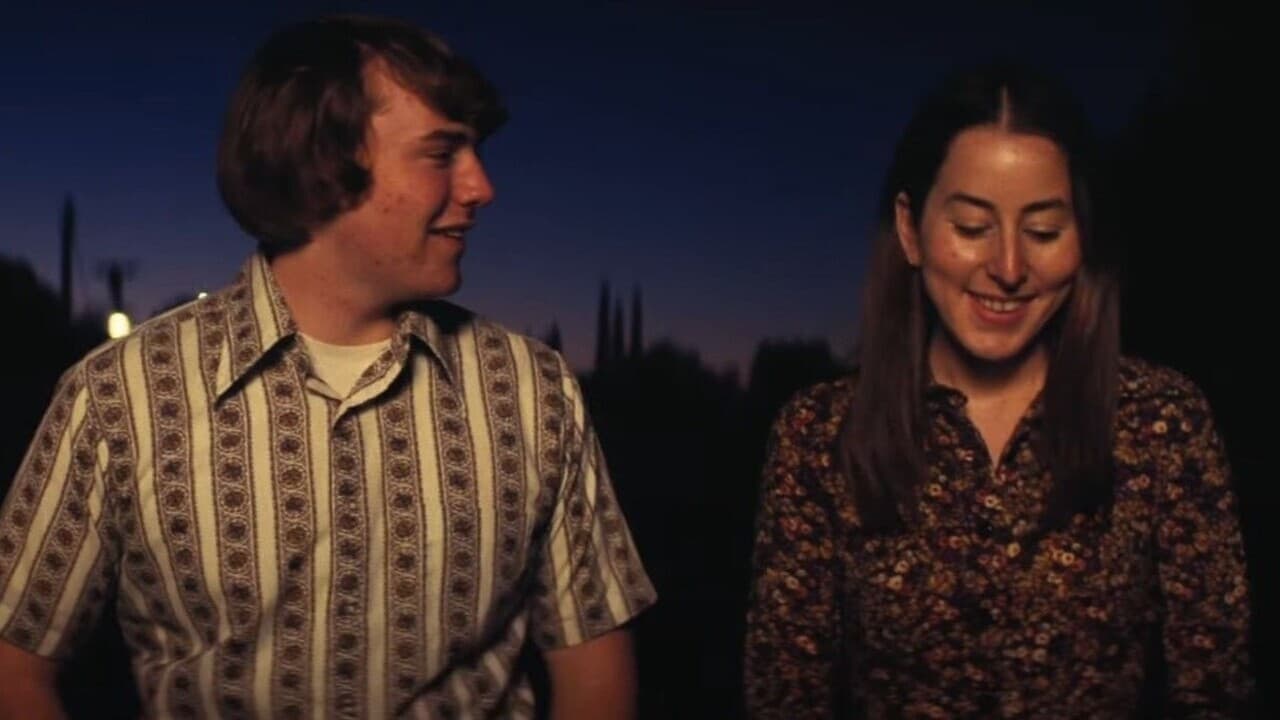
Direction and Mise-en-scène: 1973 in a Bottle
Paul Thomas Anderson is a master of mise-en-scène, and Licorice Pizza is proof. Every frame is meticulously composed, every camera movement seems designed to evoke a specific era. But here’s the rub: Anderson doesn’t just want us to see 1973—he wants us to live it. And sometimes, that’s exhausting. The film is packed with scenes that feel like they were lifted from a documentary: the sequence where Gary and Alana flee the cops in a gasless car is brilliant, but it’s also a reminder that Anderson prefers style over substance. Do we really need to watch two characters run for five minutes to understand they’re running away?
The script is another weak spot. Anderson writes dialogue that sounds authentic, but sometimes it feels like it was lifted from a screenwriting manual. There are moments when the film seems more interested in recreating the vibe than telling a story. And when it finally seems like it’s about to take off, Anderson gets lost in subplots that go nowhere. The relationship between Gary and Alana is the film’s heart, but even that feels incomplete, as if Anderson didn’t quite know how to end the story. Is it a romantic comedy? A teen drama? A generational portrait? In the end, Licorice Pizza is a little bit of everything but never quite becomes anything.
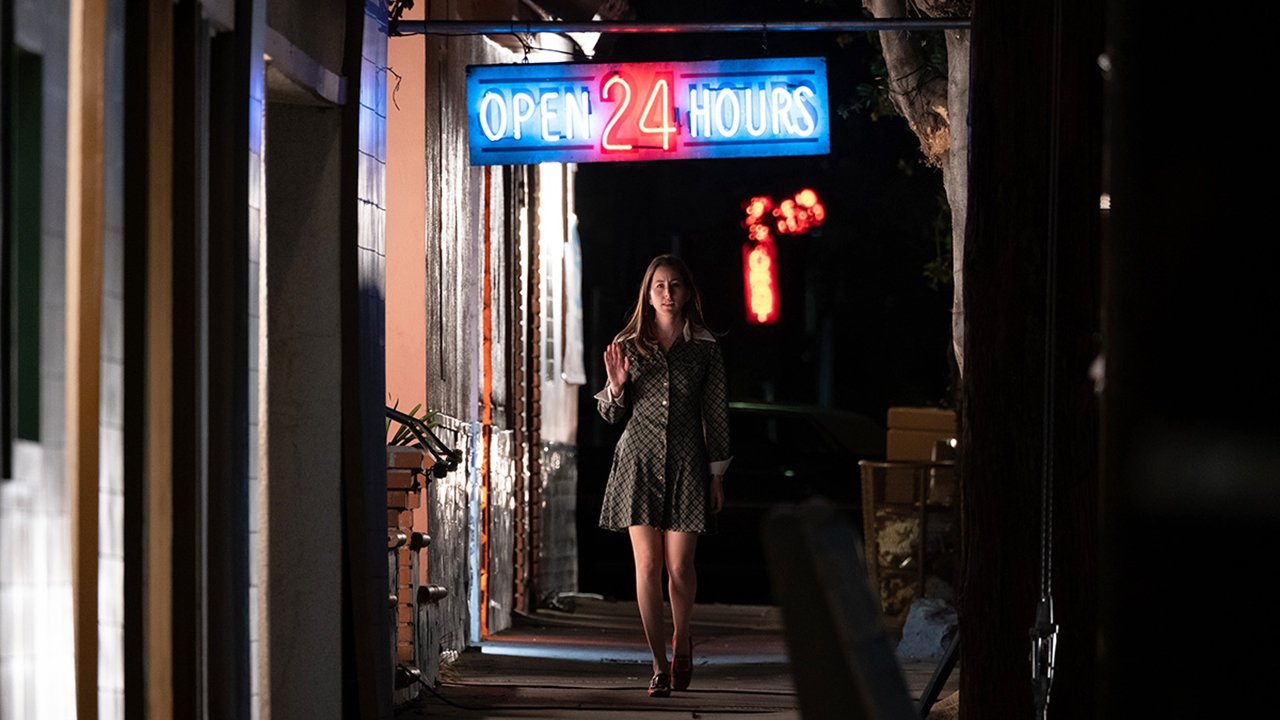
Performances: Chemistry That Burns (and Actors Who Don’t Belong)
Alana Haim and Cooper Hoffman are the film’s soul. Their chemistry is so real it hurts—like a first love that never quite comes together. Hoffman has his father’s charisma but with an innocence that’s uniquely his. Haim, meanwhile, is a revelation: her naturalism on screen isn’t something you learn in acting school. The problem? The rest of the cast looks like they were plucked from a Boogie Nights extras casting call. Sean Penn as a drunk actor is amusing, but it’s still a cheap laugh. Bradley Cooper as Jon Peters is the film’s highlight—a comic turn that steals every scene he’s in. But even that reeks of filler, as if Anderson only included Cooper to justify the budget.
The best
- The chemistry between Alana Haim and Cooper Hoffman: It’s so real it hurts. Like a first love that never quite comes together but leaves you grinning like an idiot for days.
- Bradley Cooper as Jon Peters: A comic turn that steals every scene. If this were a musical, this would be the song everyone remembers.
- Paul Thomas Anderson’s cinematography: Every frame is meticulously composed, as if Anderson wanted to bottle 1973. The grain of the 35mm gives it an authenticity few films achieve.
- The soundtrack: Jonny Greenwood’s score is pure nostalgia, like time stood still in 1973.
The worst
- The script: Anderson writes dialogue that sounds authentic, but sometimes it feels like it was lifted from a screenwriting manual. There are moments when the film seems more interested in recreating the vibe than telling a story.
- The unnecessary subplots: The film is packed with characters and situations that go nowhere. Sean Penn as a drunk actor is amusing, but he doesn’t add anything to the main story.
- The lack of direction: Anderson seems more interested in recreating 1973 than telling a story worth a damn. In the end, the film is a stylistic exercise with stumpy legs.
The Verdict of Claqueta Ácida
Licorice Pizza is a pretty film, but a hollow one. Paul Thomas Anderson gifts us a nostalgic trip to 1973 that reeks of gasoline, teenage sweat, and missed opportunities. But in the end, it’s like a scratched vinyl record: it sounds nice, but it says nothing new. The chemistry between Alana Haim and Cooper Hoffman is the only thing that saves the film from being a self-indulgent wank. A masterpiece? No. A film worth seeing? Yes, but with reservations. In the end, Licorice Pizza is like first love: it leaves you grinning like an idiot with your heart in your throat, but also with the nagging feeling that something was left unfinished. 💀
🎬 Tráiler Oficial
Abrir en YouTube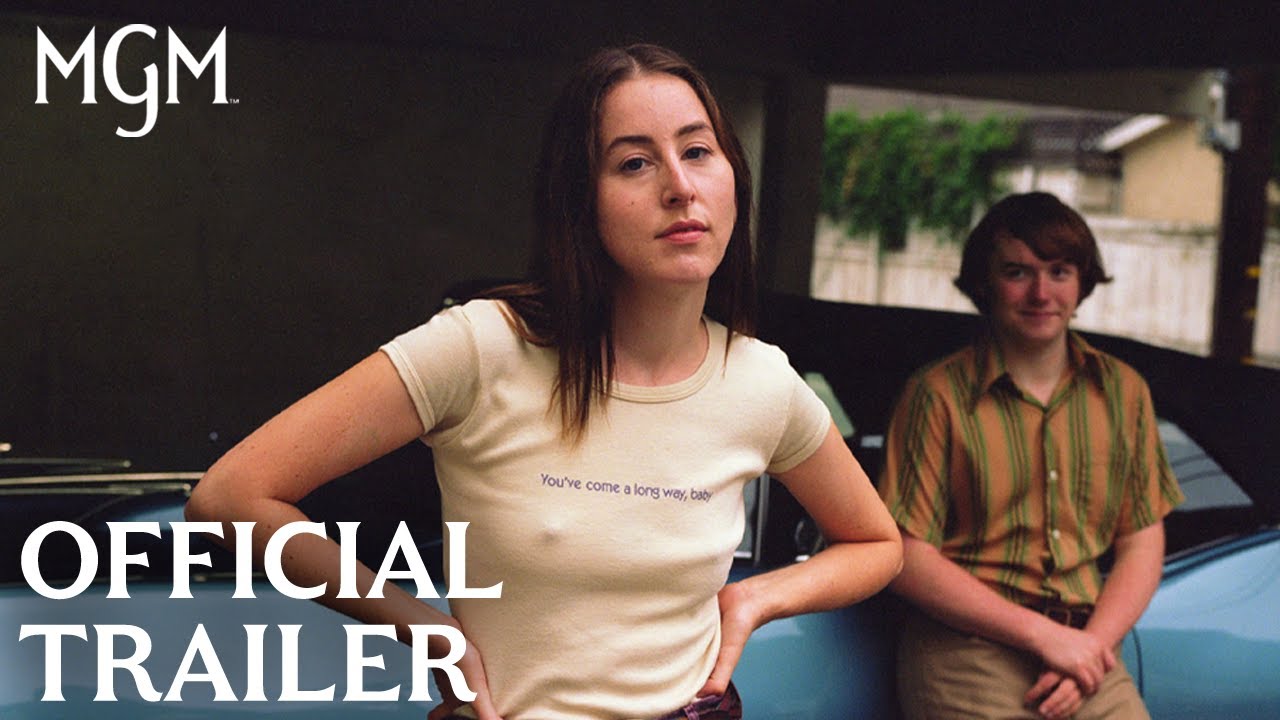
Licorice Pizza: frequently asked questions
- What is the rating of "Licorice Pizza" on Claqueta Ácida?
- "Licorice Pizza" scored 8/10 on Claqueta Ácida in the review by Camilo K.O..
- Is "Licorice Pizza" worth watching?
- Yes. We gave it 8/10 (Nuclear Fusion), our rating for must-see films.
- Who directed "Licorice Pizza"?
- "Licorice Pizza" was directed by Paul Thomas Anderson.
Theater Collateral Damage Report
Psychophysical impact certificate issued by Camilo K.O.
Cero. La pantalla absorbió cada segundo de atención disponible.
El móvil permaneció en el bolsillo donde debía estar.
Ninguna. Esta obra no necesita muletas estimulantes.
"No hubo. La coherencia se mantuvo hasta el último fotograma."
💬 Community Verdict
What did you think of the film? Rate it from 0 to 10 to compare it with the editorial review.
You haven't voted yet
📢 ¿Te ha gustado el ácido?
Comparte esta crítica con tus amigos cinéfilos o desata la polémica en redes.
⚡ THE CINEMATIC VENOM YOUR INBOX CRAVES
No sugarcoated ratings, no corporate fluff. Subscribe for our uncensored weekly analysis or join the private Telegram for press previews, poll clashes, and instant alerts.
Alertas de estrenos en 1 segundo, encuestas en caliente y audios al salir de pases de prensa.
Recibe la dosis semanal en tu mail + regalo inmediato del PDF con 50 joyas ocultas de culto.
Related Reviews
Recommended autopsies for demanding film buffs.
 🔥 Fusión Nuclear 8.5
 "One Battle After Another: Paul Thomas Anderson Gets Lost—And Loves Every Minute of It—in Pynchon’s Maze"
⚡ Del mismo director (Paul Thomas Anderson): analiza la evolución o degradación de su estilo.
We dissect the big winner of the 2026 Oscars. A '70s conspiracy odyssey shot on 35mm that dazzles aesthetes and exhausts mere mortals.
 🔥 Fusión Nuclear 8.5
 *Alleluia: Love as a Terminal Illness (or How to Turn Crimes of Passion into a Sweaty, Fleshy Spectacle)*
⚡ Afinidad temática directa en atmósfera, estilo y fijaciones visuales.
Fabrice Du Welz reimagines the myth of the lonely hearts killers in a feverish whirlwind of jealousy, submission, and blood, led by Lola Dueñas in a performance that’s equal parts hypnotic and harrowing.
 🔥 Fusión Nuclear 8.5
 *High Tension (Haute Tension): The Brutal Birth of the New French Extremism – Or How to Turn Flesh into Poetry with a Machete*
⚡ Afinidad temática directa en atmósfera, estilo y fijaciones visuales.
Alexandre Aja shocked global screens with a relentless rural bloodbath, redefined by breakneck pacing and a divisive twist that splits serious cinephiles right down the middle.
Editorial Ecosystem
Cinephile connections, archive interviews and related analyses.
🎞️ In Claqueta Cinematheque 2

💬 Debate Cinéfilo & Autopsia de Lectores
0 veredictos¿Discrepas con nuestra nota? ¿Es una obra maestra o veneno puro? Deja tu veredicto abajo sin necesidad de registro.


Aún nadie ha dejado su veredicto para esta película.
Sé el primero en clavarle el colmillo rellenando el formulario de arriba.