"One Battle After Another — Paul Thomas Anderson Gets Lost—And Loves Every Minute of It—in Pynchon’s Maze"
We dissect the big winner of the 2026 Oscars. A '70s conspiracy odyssey shot on 35mm that dazzles aesthetes and exhausts mere mortals.

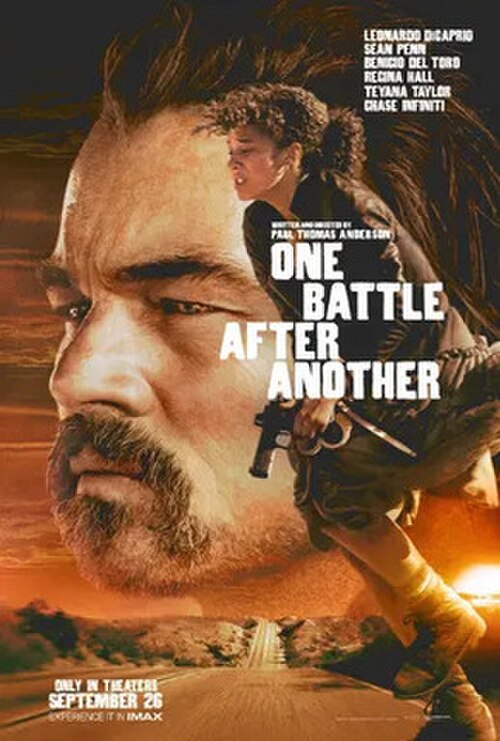


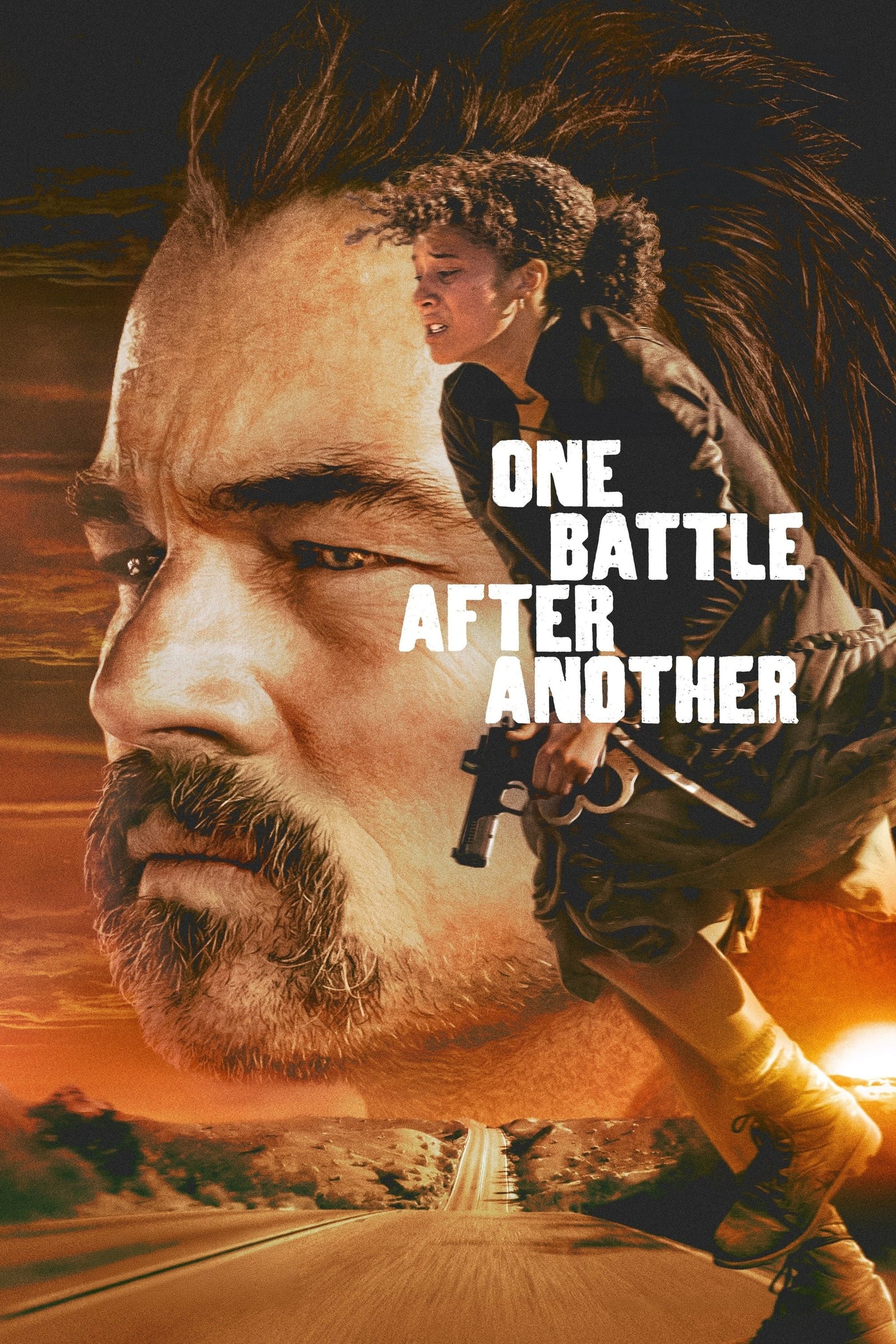
Paul Thomas Anderson’s One Battle After Another: Cinema as a Legal Hallucinogen (And the Oscars as Cultural Placebo)
Crowned with six statuettes at the 98th Academy Awards—that annual ritual where Hollywood pats itself on the back for still being relevant—One Battle After Another is yet more proof that Paul Thomas Anderson isn’t just the last Mohican of analog cinema in the digital age, but also the only working director capable of turning a film into a lysergic happening without the need for illegal substances. Inspired—or rather, lovingly plundered—from Thomas Pynchon’s 1990 novel Vineland (that postmodern oracle who writes like he’s got a short circuit in his brain), the film is a feast of government paranoia, dark humor, and cinematic grain that oscillates between the sublime and the unbearable. A banquet for celluloid purists and a torture for those who still believe movies should have a beginning, a middle, and an end (in that order).
Anderson doesn’t make movies; he builds existential labyrinths where the viewer is the Minotaur. In One Battle After Another, the fate of the characters matters less than the smoke of cigarettes filtering through projector light or the roar of engines on California’s backroads—those desolate landscapes plucked straight from a David Lynch dream after a caffeine and nicotine overdose. Here, the conspiracy isn’t the engine of the plot; it’s the aesthetic pretext for three hours of calculated disorientation, where the only thing moving forward with any clarity is the clock in the theater (and the one on your patience).
finalExplicado: "En el clímax, el agente de seguros interpretado por DiCaprio, completamente desquiciado, confronta a Penn en un motel de Los Ángeles mientras un helicóptero federal sobrevuela. Tras una absurda persecución a pie por las calles vacías al amanecer, ambos acaban rodando por el suelo en una pelea torpe y patética que termina cuando DiCaprio, llorando y riendo al mismo tiempo, le dispara accidentalmente a Penn en el estómago. El veterano muere sonriendo, susurrando “ya ganaron ellos”. Simbólicamente, el desenlace significa la derrota total del individuo frente al Gran Ellos: la conspiración no es un complot claro, sino el propio tejido de la realidad americana. La muerte ridícula y sin épica sella que la paranoia nunca encuentra al enemigo real; solo consume al paranoico hasta convertirlo en otro engranaje inútil del sistema."
DiCaprio and the Art of Contained Hysteria: When Method Acting Becomes a Nervous Tic
Leading the cast is a Leonardo DiCaprio who seems to have permanently abandoned the land of polished heartthrobs to settle into chronic neurosis. His character, an insurance agent dragged into a spiral of federal conspiracies and '70s mystical cults, is a mix of Woody Allen on his worst day and a door-to-door encyclopedia salesman after three espressos. DiCaprio doesn’t act; he contorts, sweating ink, stammering dialogue that sounds like it was written in Morse code, and moving as if he’s wearing a suit two sizes too small. It’s a physical, sweaty performance and, at times, deliberately ridiculous—as if the actor had decided that if he couldn’t win another Oscar for playing a tragic hero, he’d at least take one home for clowning around with conviction.
Beside him, Sean Penn—that actor who seems to hate the camera as much as he hates the audience—delivers one of those performances only he can: a war veteran with the glassy-eyed stare of a man who’s seen too much and understood too little, obsessed with FBI wiretaps as if they were the last shred of meaning in a crumbling world. Penn doesn’t walk; he drags himself, weighed down by the burden of all lost wars. Every scene between DiCaprio and Penn is a choreography of discomfort, a dance of two lunatics trapped in a reality that could either be a government simulation or just a badly digested acid trip.
And then there’s Benicio del Toro, that human chameleon, playing a counterculture guru with more charisma than coherence, capable of riffing on late capitalism while chewing gum with the intensity of a man solving the theory of everything. Del Toro doesn’t steal scenes; he kidnaps them, tortures them, and returns them unrecognizable but alive. Alongside him, Regina Hall shines in a supporting but memorable role: a political activist with a murky past and an even murkier present, the only glimmer of sanity in the chaos. Her chemistry with DiCaprio crackles, as if both know they’re trapped in a film with no intention of giving them answers—but they’ve decided to play along anyway.
Conspiracy as Aesthetic Pretext: When the Journey Matters More Than the Destination (And the Destination is a Letdown)
For Thomas Pynchon devotees, the erratic structure of One Battle After Another won’t come as a surprise. Anderson doesn’t adapt Vineland; he dismantles it, rearranges it, and turns it into a collage of disjointed moments that somehow end up making a kind of sense. The film doesn’t move forward; it stumbles, pauses to linger on marginal monologues, introduces subplots about shell corporations and unhinged law enforcement, and then abandons them like luggage at a train station. There’s a scene where Benicio del Toro spends five minutes explaining the intricacies of a financial conspiracy that, in the end, goes nowhere. It’s fascinating, infuriating, and deeply Pynchonian: you’re left with the feeling that there was something important in what you just saw, but you haven’t the faintest idea what it was.
This is both the film’s greatest strength and its Achilles’ heel. As a visual and sonic experience, it’s an unsurpassed masterpiece. The texture of the 35mm film—shot with an almost fetishistic obsession for grain—the dramatic use of the optical zoom (a tool scorned in modern cinema but here rendered hypnotic), and the analog sound design (where the crackle of a cassette tape or the hum of an old projector are as important as the dialogue) transport the viewer to an era of suspicion and paranoia, where truth is a slippery concept and reality a fragile construct. Anderson doesn’t just recreate the '70s; he resurrects them, with their muted colors, claustrophobic interiors, and that sense that, at any moment, the FBI could burst into the theater and arrest you for thinking too hard.
But as a traditional narrative, One Battle After Another is maddening. Anderson has zero interest in explaining the conspiracy; he’s invested in making you feel the existential disorientation of living inside it. Entire sequences seem plucked from a fever dream: a car chase that goes nowhere, an interrogation that devolves into a monologue about the nature of time, a hippie commune party spiraling into hysterical laughter and lost gazes. The problem isn’t that the film is confusing; the problem is that it sometimes seems to confuse itself. There’s a moment in the second half where the plot takes such a sharp turn that you suspect Anderson grew tired of his own script and decided to improvise. And the worst part? It kind of works: the film manages to convey that sense of controlled chaos that defines Pynchon’s best work, but also that frustration of knowing that, in the end, you’re not going to understand a damn thing.
Cinema as a Hallucinogen: Comparisons and Contexts (Or Why This Film is Like a Bad LSD Trip—But in the Best Way)
To understand One Battle After Another, you have to place it in the pantheon of films that use conspiracy as an excuse to say something bigger. It’s not a movie about a government plot; it’s a movie about paranoia as a state of mind, about that feeling that the world is an incomprehensible place and the harder you try to decipher it, the more it slips through your fingers. In that sense, it draws from sources as diverse as:
- Alan J. Pakula’s '70s cinema (The Parallax View, All the President’s Men), where conspiracy was a metaphor for distrust in the system. But while Pakula aimed for a gripping political thriller, Anderson deconstructs the genre until it’s unrecognizable.
- David Lynch’s urban nightmares (Mulholland Drive, Twin Peaks), where the dreamlike and the real blur into indistinction. But Lynch always leaves breadcrumbs for the viewer to follow; Anderson, on the other hand, throws you into the void and tells you to enjoy the fall.
- The Coen brothers at their most nihilistic (Burn After Reading, A Serious Man), where absurdity is the only possible response to an indifferent universe. But while the Coens balance dark humor with (minimalist) narrative structure, Anderson wallows in chaos, as if daring the viewer to stick it out until the end.
The most interesting thing about One Battle After Another is that it’s not a film about the '70s—it’s a film that feels like the '70s. Anderson doesn’t just recreate the era’s aesthetics; he captures its essence, that mix of cynicism, idealism, and despair that defined a generation that went from believing in revolution to just trying to survive the hangover. It’s a film that smells of stale tobacco, spilled beer, and broken dreams, and it uses conspiracy as a funhouse mirror to reflect our own distrust of power, information, and, ultimately, ourselves.
The best
- Robert Elswit’s cinematography, a miracle of dirty celluloid and golden light, as if the film had been rescued from an abandoned Warner Bros. warehouse in 1978.
- Leonardo DiCaprio in "method actor who’s lost the method" mode, sweating, stuttering, and grimacing like his life depends on it (and maybe it does).
- Sean Penn as a ghost with an FBI badge, dragging out his words as if every syllable costs him a superhuman effort.
The worst
- Its 172-minute runtime, which feels like a marathon of Pynchon monologues read aloud by a robot with hiccups.
- That nagging sense that the film doesn’t know if it wants to be a thriller, a dark comedy, or a visual essay on paranoia, ending up halfway to all three.
The Verdict of Claqueta Ácida (8.5/10)
One Battle After Another is the cinematic equivalent of a Molotov cocktail served in a crystal glass: beautiful, dangerous, and leaving a bitter aftertaste that lingers for days. Paul Thomas Anderson has once again proven he’s the last director in Hollywood with enough talent (and enough nerve) to convince a studio to finance a three-hour maze with no apparent exit—and still walk away with six Oscars. It’s not a film; it’s an experience, and as such, it depends entirely on your willingness to get lost in it. If you’re looking for answers, coherence, or a satisfying ending, this isn’t your movie. But if what you want is to feel cinema on your skin, like a cold sweat or a shiver, then welcome aboard. Just don’t say we didn’t warn you: by the end, the only thing you’ll be sure of is that the world is a confusing place, governments lie, and Paul Thomas Anderson is still a genius. Or a madman. Or both.🎬 Tráiler Oficial
Abrir en YouTube
Ending Explained: "One Battle After Another
Ficha de Daños Colaterales en Sala
Certificado de impacto psicofísico emitido por Héctor Veneno
Cero bostezos. Pupilas dilatadas y tensión mandibular constante.
Ninguna comprobación del tiempo. Se agradece la rareza.
Ninguna. Esta obra no necesita muletas estimulantes.
"No hubo. La coherencia se mantuvo hasta el último fotograma."
💬 El Veredicto de la Comunidad
¿Qué te ha parecido la película? Deja tu nota de 0 a 10 para contrastarla con el análisis de la redacción.
Aún no has votado
📢 ¿Te ha gustado el ácido?
Comparte esta crítica con tus amigos cinéfilos o desata la polémica en redes.
⚡ THE CINEMATIC VENOM YOUR INBOX CRAVES
No sugarcoated ratings, no corporate fluff. Subscribe for our uncensored weekly analysis or join the private Telegram for press previews, poll clashes, and instant alerts.
Alertas de estrenos en 1 segundo, encuestas en caliente y audios al salir de pases de prensa.
Recibe la dosis semanal en tu mail + regalo inmediato del PDF con 50 joyas ocultas de culto.
Related Reviews
Recommended autopsies for demanding film buffs.
 🔥 Fusión Nuclear8.0
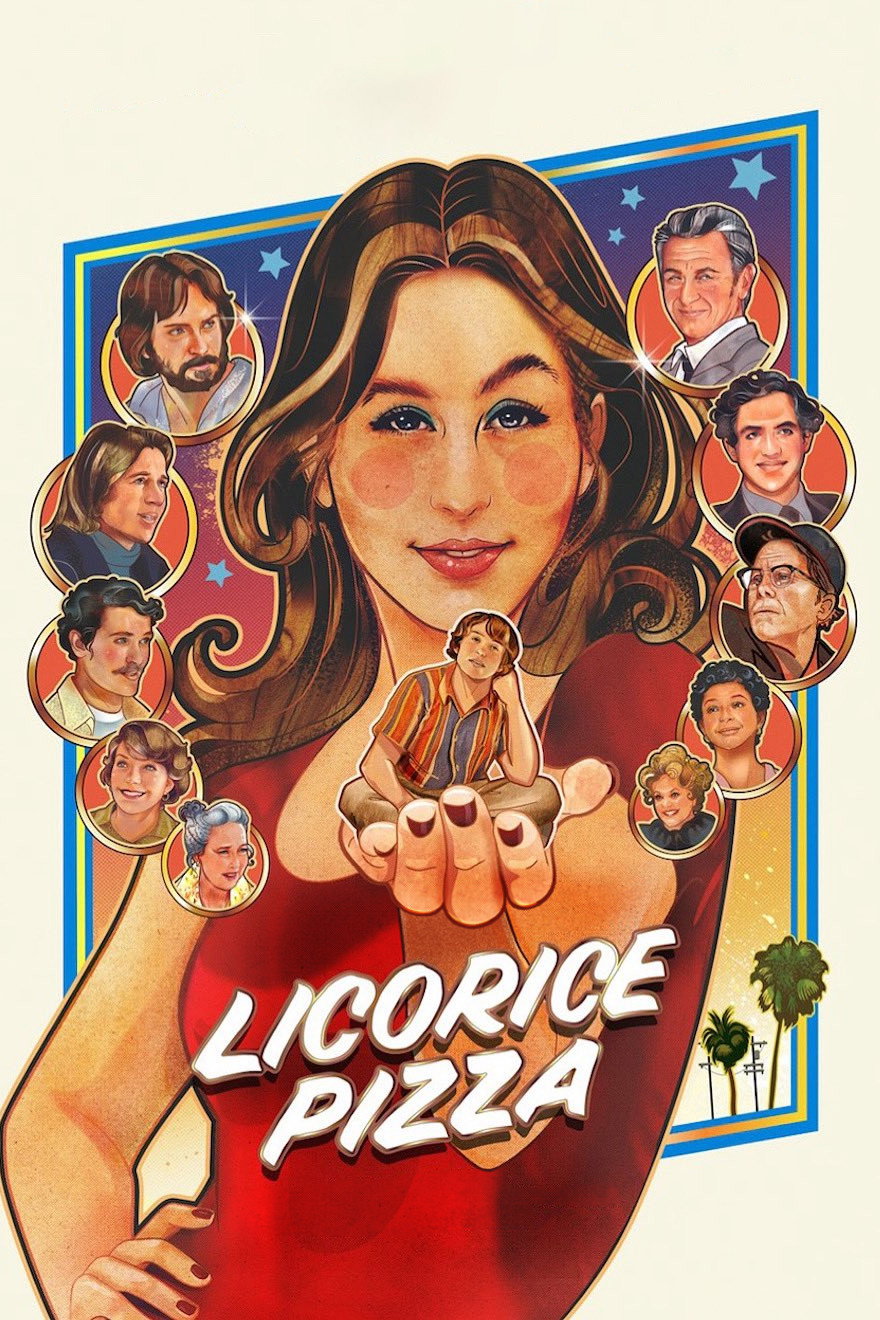
Licorice Pizza: The Valley of Shattered Dreams (and Unmade Beds)
⚡Del mismo director (Paul Thomas Anderson): analiza la evolución o degradación de su estilo.
Paul Thomas Anderson gifts us a nostalgic trip to '73 that reeks of gasoline, teenage sweat, and missed opportunities. A masterpiece or just a self-indulgent wank?
 ⚡ Ácido Cítrico5.8
Battle After Battle: When Genius Trips Over Its Own Ambition
⚡Del mismo director (Paul Thomas Anderson): analiza la evolución o degradación de su estilo.
Paul Thomas Anderson adapts *Vineland* and gifts us 162 minutes of pretension masquerading as profundity. DiCaprio and Penn shine, but the script drowns them. 🎬🔥
 ⚡ Ácido Cítrico7.5
A Ghost Story: A Journey Through Time and Memory
⚡Consagradas en el olimpo transgresor con 🔥 Fusión Nuclear.
The Claqueta Ácida review of A Ghost Story, a film that explores existence and human connection.
Editorial Ecosystem
Cinephile connections, archive interviews and related analyses.
🎞️ In Claqueta Cinematheque2
💬 Debate Cinéfilo & Autopsia de Lectores
0 veredictos¿Discrepas con nuestra nota? ¿Es una obra maestra o veneno puro? Deja tu veredicto abajo sin necesidad de registro.


Aún nadie ha dejado su veredicto para esta película.
Sé el primero en clavarle el colmillo rellenando el formulario de arriba.