Extinction Line — The Apocalypse Hollywood Sold Us (And We Should’ve Known Better)
Anthony Mackie leads this post-apocalyptic mess where the monsters are more predictable than the script. The end of the world? No, just the end of common sense.

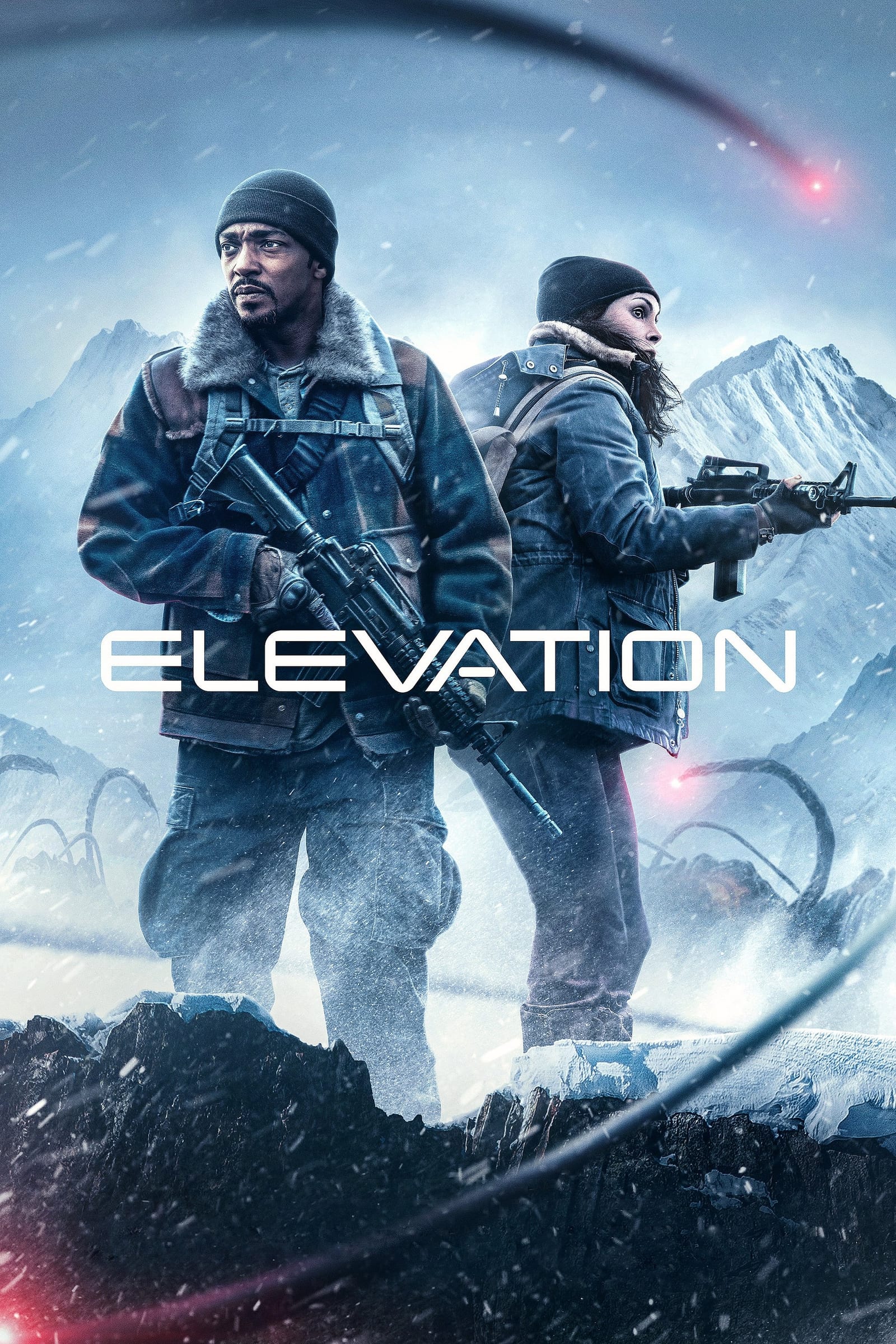


The world ends. Again. And no, it’s not climate change, a pandemic, or even that nuclear war we’ve been dreading for decades. This time, the apocalypse arrives courtesy of Extinction Line, a film seemingly designed to prove that even in the end times, Hollywood can be more predictable than an episode of The Simpsons. George Nolfi, the director who gifted us the disaster that was The Adjustment Bureau (yes, that movie where Matt Damon and Emily Blunt ran like the fate—or a screenwriter on a deadline—was chasing them), returns with a premise that sounds like a bad joke: humanity can only survive above 2,500 meters because, below that line, indescribable monsters have wiped out 95% of the population. The problem? The film is as original as a 2012 meme and as thrilling as a lecture on international tax law.
Anthony Mackie, an actor who shines even in the worst projects (see: The Marvels), does what he can with a character who’s little more than a "desperate dad" archetype. His chemistry with Morena Baccarin is as forced as the scientific rationale behind those monsters, which, by the way, look like they were plucked from a Doom concept art done by an intern on their first day. The synopsis promises a survival adventure with sci-fi thriller undertones, but what we get is a post-apocalyptic road movie where the dialogue sounds like it was written in a high school screenwriting workshop. Kenny Ryan, the screenwriter, seems to have confused "dramatic tension" with "repeating the same idea ad nauseam": the characters spend more time explaining why they can’t descend the mountain than, you know, trying to survive.
Extinction Line was shot in Canada, a country that, ironically, has more mountains than original ideas in this film. Shelly Johnson, the cinematographer, does her best to lend an "epic" look to material that doesn’t deserve it, but even the most ambitious shots—those blood-red sunsets, those forests that should be terrifying but look like they’re from a yogurt commercial—fall into the trap of generic stock footage. The score, meanwhile, is as intrusive as a 1990s encyclopedia salesman: every time the plot runs out of ideas, the music chimes in to remind you, "This is dramatic, dammit!" The editing, handled by a professional who deserves anonymity, is as chaotic as the script, with time jumps that add nothing and action scenes that look like they were filmed with a GoPro duct-taped to a stick.
The saddest part? Extinction Line isn’t a bad movie because of its budget. No, this is a conceptual failure. It’s the kind of film that mistakes "simplicity" for "laziness," believing that repeating "time is running out" is enough to build tension. The monsters, those beings that should be the heart of the horror, are little more than blurry shadows that appear at the most inopportune moments, as if the VFX team forgot they existed until five minutes before post-production. And the characters—oh, the characters… Maddie Hasson is the only one who seems to realize she’s in a bad movie, but even she’s forced to recite dialogue that sounds like it was translated from English to Spanish and back again via Google Translate.
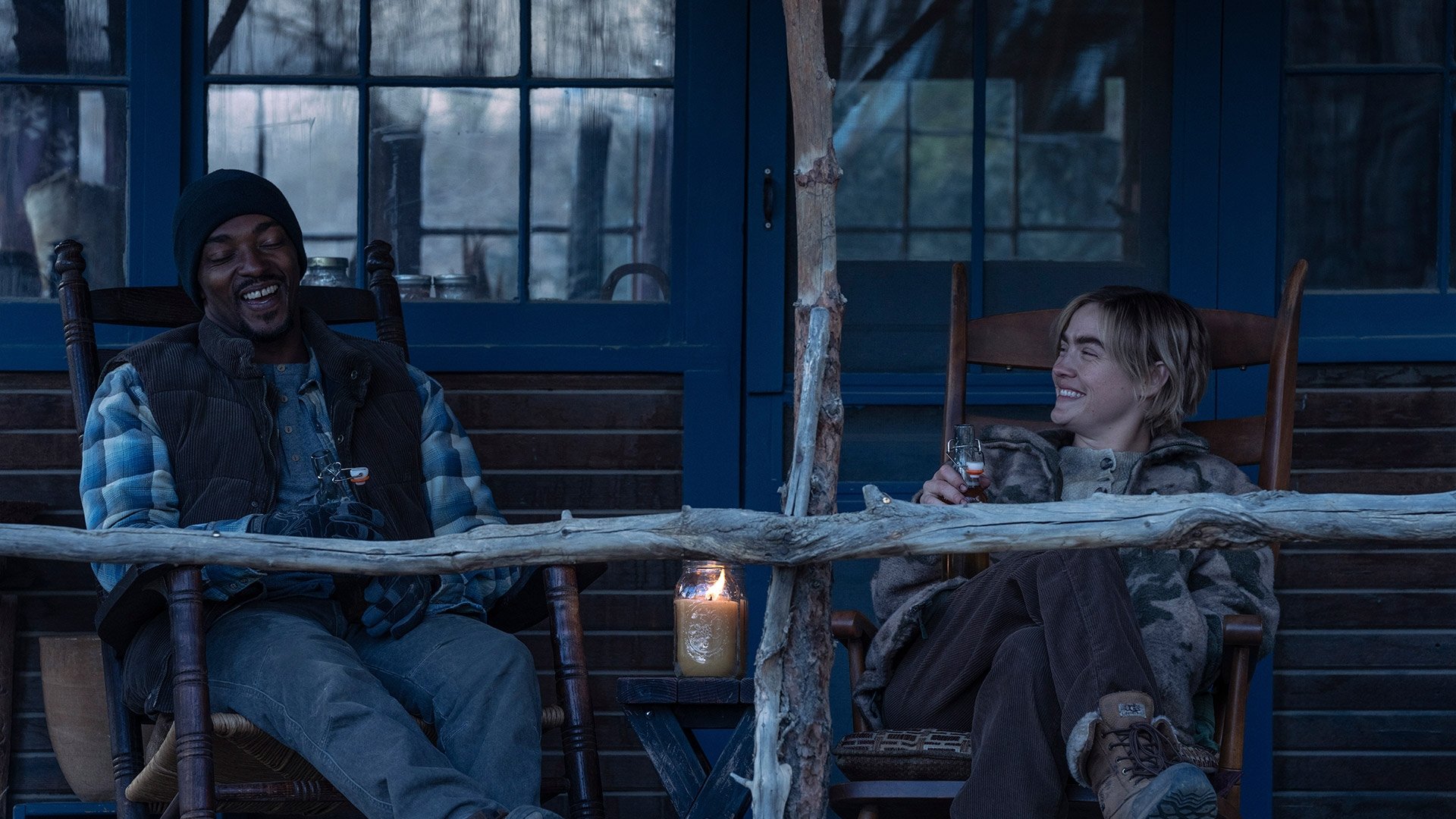
Direction: The Art of Making the Epic Feel Tedious
George Nolfi, a director who seems specialized in taking good ideas and turning them into forgettable products, proves here that his greatest talent is diluting any hint of originality in a sea of clichés. Extinction Line isn’t a film about the end of the world—it’s about how Hollywood has turned the apocalypse into such a tired genre that it no longer scares anyone. Nolfi directs with the same passion as a bureaucrat filling out forms: he meets the requirements, but there’s no soul, no risk, no je ne sais quoi that makes a film transcend. The shots are functional, the camera movements predictable, and the action scenes—those that should be the main course—look like they were filmed by someone in a hurry to get home and watch The Last of Us on HBO.
The problem isn’t that Nolfi doesn’t know how to direct; it’s that he seems to have given up trying. There’s a moment in the film, right when the protagonists enter a forest that should be terrifying, where the camera lingers for what feels like an eternity, as if the director forgot he was shooting a key scene. There’s no tension, no mystery—just a static shot of trees that could belong in any low-budget horror film. And so, over and over, Extinction Line loses steam until it becomes a stylistic exercise in how not to make a post-apocalyptic movie.

Performances: When the Script Is the Real Monster
Anthony Mackie does what he can with a character who’s little more than a sack of clichés: the father who’ll do anything for his kid, the tough guy with a heart of gold, the reluctant leader everyone follows for no reason. Mackie, an actor who’s proven he can handle anything, here seems to be on autopilot, as if he knows the film isn’t worth the effort and has decided to save his energy for something better. Morena Baccarin, meanwhile, tries to give depth to her character—a scientist who, oh surprise, holds the key to saving humanity—but the script forces her to recite lines that sound like they were written in a beginner’s creative writing workshop.
The real discovery here is Maddie Hasson, who plays a young survivor with a determination bordering on the absurd. Hasson is the only one who seems to understand she’s in a bad movie, but instead of giving up, she dives in with a commitment that almost saves some scenes. Too bad the script gives her fewer lines than a The Walking Dead extra. The rest of the cast, including Danny Boyd Jr. and Rachel Nicks, pass without a trace, as if they know their characters are as disposable as 95% of humanity in this story.
The best
- Maddie Hasson: The only one who seems to grasp she’s in a bad movie but commits harder than the entire cast combined. Her performance is the only thing keeping some scenes from descending into outright ridicule.
- The initial concept: The idea that humanity can only survive above 2,500 meters is, in theory, interesting. Too bad the script doesn’t know what to do with it.
The worst
Kenny Ryan’s script: A disaster from start to finish. Repetitive dialogue, flat characters, and a plot that feels like a The Last of Us* fanfic written by someone who hates sci-fi.
The monsters: Indescribable, literally. They look like they were pulled from a Doom* concept art done by an intern on their first day. Their design is so generic it’s hard to take them seriously.
- The pacing: The film runs 91 minutes but feels like 91 years. Scenes drag on unnecessarily, and the tense moments are so predictable they lose all impact.
- The score: As intrusive as a 1990s encyclopedia salesman. Every time the plot runs out of ideas, the music chimes in to remind you, "This is dramatic, dammit!"
George Nolfi’s direction: Meets the requirements, but there’s no soul, no risk, no something* that makes a film transcend. It feels like it was directed by someone in a hurry to finish.
The Verdict of Claqueta Ácida
Extinction Line is the kind of film that confirms an uncomfortable truth: Hollywood no longer knows what to do with the apocalypse. It’s turned it into such a tired, predictable genre that even when it tries to innovate—with that "2,500-meter line" idea—it falls back into the same old tropes. Anthony Mackie deserved better, Morena Baccarin deserved better, and the audience deserved, at the very least, not to be bored to tears by a film that promises horror but delivers a graceless road movie. If the end of the world ever comes, I hope it’s more exciting than this. 💀
tweets_alternativos:
- "@GeorgeNolfi, ¿en serio este era el guion que te quitaba el sueño? 'Línea de extinción' es como si 'The Last of Us' y 'Bird Box' tuvieran un hijo en un taller de guion de Telecinco. #CineDeSupervivenciaParaDormir"
- "@AnthonyMackie, tu cara de '¿por qué yo?' en esta película es el mejor acting del film. Morena Baccarin intenta salvarlo, pero el guion la ahoga como los monstruos a la humanidad. #FracasoÉpico"
- "@LyricalMedia, ¿'Grinder Monkey' era el nombre del equipo de efectos visuales o una metáfora de vuestra productora? 'Línea de extinción' parece rodada con el presupuesto de un capítulo de 'Power Rangers'. #VergüenzaAjena"
🎬 Tráiler Oficial
Abrir en YouTube
Ficha de Daños Colaterales en Sala
Certificado de impacto psicofísico emitido por Dante Sangre
5 bostezos, 2 con quejido audible distribuidos con inquietante regularidad.
Minuto 10, 24, 39, 68 y varios momentos indistinguibles entre sí.
3 espressos triples o aceptar la derrota con dignidad.
"Desde el primer acto, cuando quedó claro que nadie en la sala de montaje había visto la película completa."
💬 El Veredicto de la Comunidad
¿Qué te ha parecido la película? Deja tu nota de 0 a 10 para contrastarla con el análisis de la redacción.
Aún no has votado
📢 ¿Te ha gustado el ácido?
Comparte esta crítica con tus amigos cinéfilos o desata la polémica en redes.
⚡ THE CINEMATIC VENOM YOUR INBOX CRAVES
No sugarcoated ratings, no corporate fluff. Subscribe for our uncensored weekly analysis or join the private Telegram for press previews, poll clashes, and instant alerts.
Alertas de estrenos en 1 segundo, encuestas en caliente y audios al salir de pases de prensa.
Recibe la dosis semanal en tu mail + regalo inmediato del PDF con 50 joyas ocultas de culto.
Related Reviews
Recommended autopsies for demanding film buffs.
 ⚠️ Ácido Sulfúrico4.2
The Priest: Thanksgiving Massacre – When the Turkey’s a Cannibal and the Sermon Smells Like Blood
⚡Afinidad temática directa en atmósfera, estilo y fijaciones visuales.
Steve Lawson serves up a low-budget terror feast with more salt than scares. Folk horror for microwave fans: fast, cheap, and leaves the same aftertaste.
 ⚠️ Ácido Sulfúrico4.2
**Good Boy: The Dog That Saved No One (Not Even Itself)**
⚡Afinidad temática directa en atmósfera, estilo y fijaciones visuales.
A supernatural canine stars in a film that barks up the wrong tree. *Claqueta Ácida* dissects this rural dud with the precision of a scalpel in a slaughterhouse.
 ⚠️ Ácido Sulfúrico4.0
*Humane*: The Family Euthanasia That Leaves Us Deader Than the Weather
⚡Afinidad temática directa en atmósfera, estilo y fijaciones visuales.
Caitlin Cronenberg serves up this nightmare dinner where emotional cannibalism outdoes the ecological kind. Euthanasia or scam? Claqueta Ácida dissects the corpse.
Editorial Ecosystem
Cinephile connections, archive interviews and related analyses.
💬 Debate Cinéfilo & Autopsia de Lectores
0 veredictos¿Discrepas con nuestra nota? ¿Es una obra maestra o veneno puro? Deja tu veredicto abajo sin necesidad de registro.


Aún nadie ha dejado su veredicto para esta película.
Sé el primero en clavarle el colmillo rellenando el formulario de arriba.