Oldboy (2013) — The Remake That Should Never Have Been, or How Spike Lee Butchered a Classic with Style
Spike Lee tackles Oldboy and achieves the impossible: turning a Korean revenge masterpiece into a snoozefest. Josh Brolin suffers, but not as much as the audience. 🔪💔

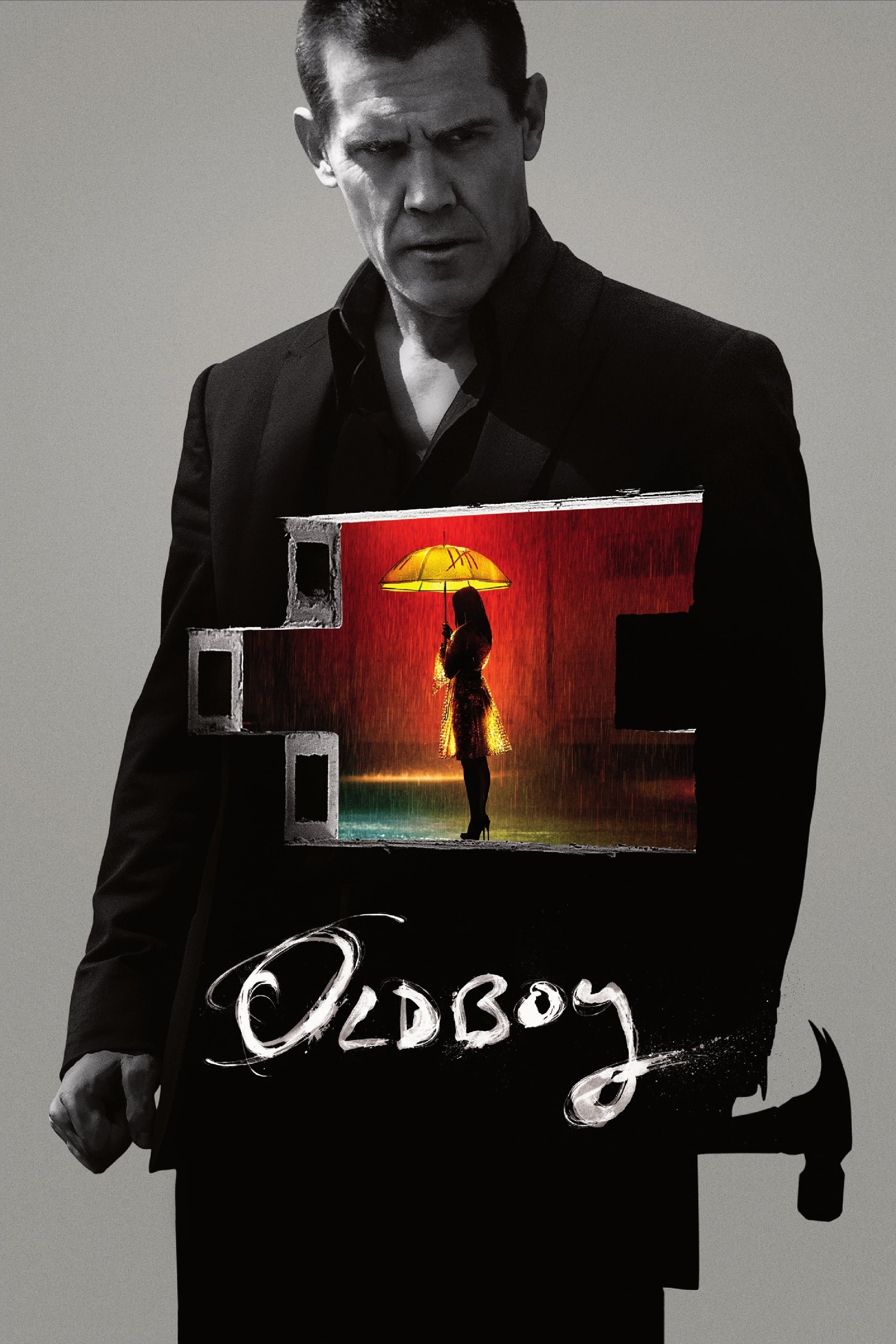


I walked out of the theater with the same sinking feeling you get when you realize you’ve just dropped twenty quid on a burger that tastes like recycled cardboard: absolute disappointment disguised as reverence for the chef’s reputation. Spike Lee, a director who’s given us gems like Do the Right Thing and Malcolm X, decided in 2013 that the world needed a remake of Oldboy, Park Chan-wook’s 2003 masterpiece that redefined revenge cinema with its brutal poetry, jaw-dropping visuals, and a twist so gut-punching it left audiences gaping like fish on a dock. The result? A film that feels like a low-budget imitation of itself, as if someone ran the original script through Google Translate, scribbled over it on a bar napkin during a blackout, and called it a day. Josh Brolin, an actor who usually shines even in mediocre projects, here looks like a man lost in a maze of clichés, doomed to repeat the same gestures of rage and despair over and over, as if someone told him revenge was just about yelling a lot and smashing things until they break. And it’s not his fault: Mark Protosevich’s script is so predictable you could guess every twist blindfolded with a How to Write a Thriller in 10 Easy Steps pamphlet from a budget airline.
The problem isn’t that Spike Lee didn’t understand the source material—though there are moments when it feels like he watched it once, on an iPad, while munching popcorn. The problem is that he decided to sanitize it. Where Park Chan-wook was visceral, Lee is clinical. Where the Korean director wielded moral ambiguity and violence as narrative tools, the American opts for a more popcorn-friendly approach, as if terrified the audience might be offended if the protagonist didn’t have a redemption arc or if the villain’s motives weren’t deeper than a puddle. The octopus, that iconic symbol of the original’s cruelty, is replaced here by a scene that aims for shock value but lands squarely in ludicrous territory, like someone suggesting, "Hey, what if we use a rubber octopus and paint it red to make it look more real?" And just like that, with details like this, the remake deflates like a balloon pricked by a tie pin.
The cast, bless them, do their best. Josh Brolin carries the film as Joe Doucett, the ad executive kidnapped for twenty years who emerges into the real world with more questions than answers. Brolin is an actor who can convey pain with a single glance, but here he’s saddled with a character so flat he might as well have been plucked from an episode of CSI: Miami. Elizabeth Olsen, as Marie Sebastian, the social worker who falls for him, has the chemistry with Brolin of a expired yogurt and a plastic spoon. And then there’s Sharlto Copley, playing Adrian Pryce, the film’s villain. Copley, an actor who usually excels in eccentric roles, here seems to be competing in a Who Can Do the Squeakiest Voice Without Laughing? contest. His performance is so over-the-top it occasionally feels like he’s gunning for Best Soap Opera Villain, complete with a blonde wig straight out of an ‘80s costume catalog and a smile that oscillates between sinister and downright goofy. Samuel L. Jackson, in a supporting role, pops in and out like a ghost, leaving behind dialogue that sounds more like a bad joke than a credible threat.
The production of Oldboy (2013) wasn’t without its controversies. Rumor has it—thanks to Reddit threads and crew interviews—that the script underwent multiple rewrites, and Spike Lee publicly complained about studio interference, which wanted a more commercial, less risky film. The $30 million budget is evident in some technical aspects—Sean Bobbitt’s cinematography is competent, if cold—but also in narrative choices that seem more concerned with not offending anyone than telling an interesting story. The editing, by Barry Alexander Brown, is functional but bland, as if someone decided the best approach was to avoid drawing too much attention. Roque Baños’ score, which has elevated entire scenes in other films, here sounds generic, like it was composed by an algorithm mixing ‘90s thrillers with CBS courtroom dramas.
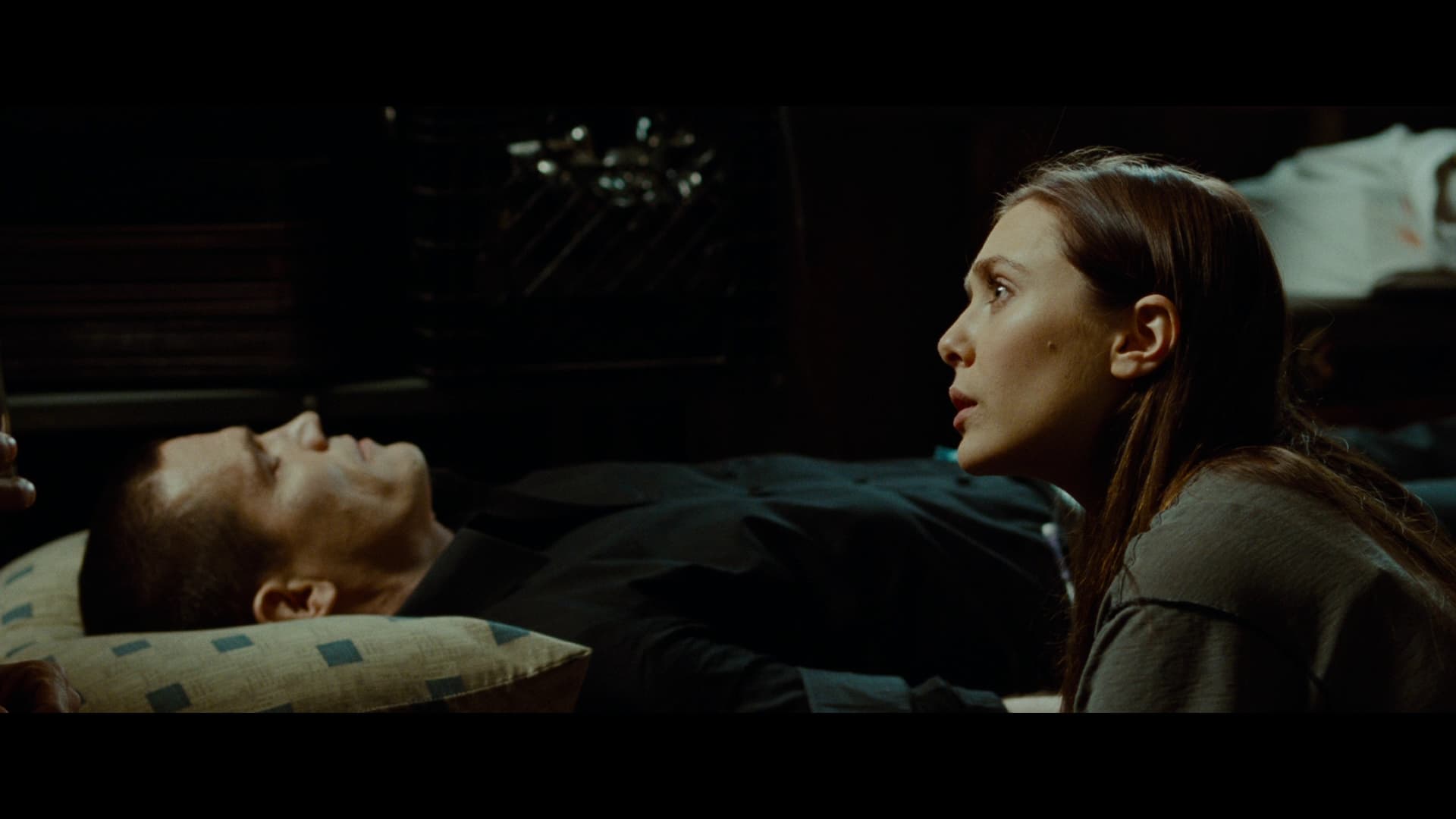
Direction and Mise-en-Scène: Spike Lee on Autopilot
Spike Lee is a director who built his career on capturing the essence of a moment, whether it’s racial tension in Do the Right Thing or urban paranoia in Inside Man. In Oldboy, however, it feels like he parked his style to make a film that wouldn’t ruffle any feathers. The mise-en-scène is correct but lacks the visual audacity that defined the original. Where Park Chan-wook played with long takes, impossible framing, and a color palette that swung between the dreamlike and the grotesque, Lee opts for a more conventional, almost TV-like approach. The action scenes, which in the original were brutal, poetic choreographies, here feel like they’ve been lifted from a second-rate video game, with punches that sound like cheap foley and editing that fails to convey the chaos and desperation of a man who’s spent twenty years plotting revenge.
There’s a moment when Joe Doucett, freshly released, walks through the streets of New York with a look of disbelief, as if the world has changed too much while he was locked away. The scene could’ve been emotional, even poetic, but Lee resolves it with a medium shot and some expository dialogue that sucks all the magic out of it. It’s as if the director forgot that cinema is a visual medium and decided to tell us everything with words instead of showing it with images. And in a film that should live and die by its imagery, that’s a cardinal sin.
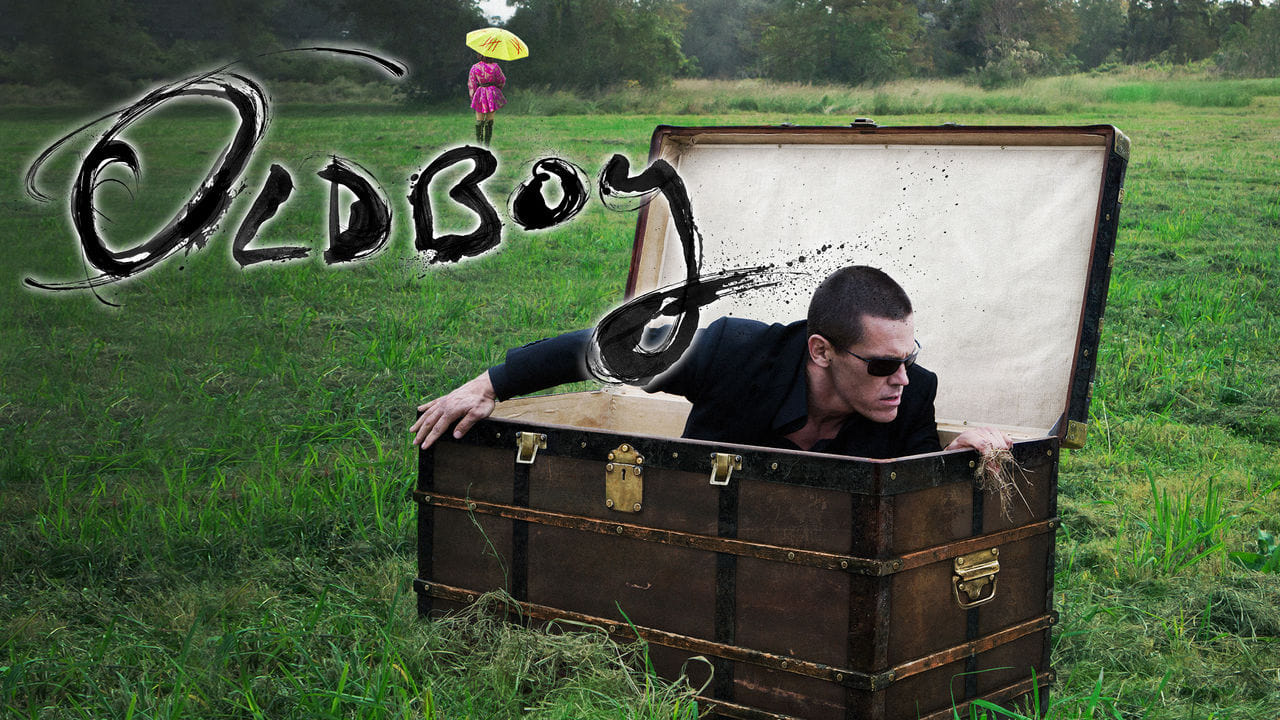
Performances: Josh Brolin Suffers in Silence (And So Do We)
Josh Brolin is, without a doubt, the best thing about this movie. The actor conveys the rage, confusion, and pain of a man robbed of two decades of his life, but he does it despite the script, not because of it. There are moments when Brolin seems to be in another film entirely—one where his character has depth and complex motivations—but Mark Protosevich’s script insists on reducing him to an archetype: the broken man who only wants revenge. Elizabeth Olsen, meanwhile, has the unenviable task of playing Marie Sebastian, the social worker who falls for Joe Doucett. The problem? Her character is so flat she might as well be a plot device with legs, an excuse for the protagonist to have someone to talk to in his weak moments. Olsen does her best, but her chemistry with Brolin is nonexistent, like someone forgot to tell them their characters should have something in common beyond narrative convenience.
But if there’s one actor who deserves a special mention, it’s Sharlto Copley. His portrayal of Adrian Pryce is so over-the-top that at times it feels like he’s in a Who Can Be the Most Ridiculous Without Breaking Character? competition. Copley, who’s proven himself a versatile actor in films like District 9 and Elysium, here seems to be channeling a villain from a soap opera, complete with a blonde wig that looks like it was plucked from an ‘80s costume catalog and a smile that swings between sinister and downright campy. It’s not his fault: the script gives him a villain straight out of a Simpsons episode, with motivations so absurd they might as well have been written by someone who’s never interacted with a real human being. Samuel L. Jackson, in a supporting role, pops in and out like he’s on a different film set, leaving behind dialogue that sounds more like a bad joke than a credible threat.
Technical Breakdown: What Works (And What Doesn’t)
Sean Bobbitt’s cinematography is, without a doubt, one of the film’s strongest aspects. Bobbitt, who previously collaborated with Lee on Inside Man, captures the coldness of a New York that feels more like a set than a real city, with a color palette that swings between muted tones and intense reds, as if the film were bathed in dried blood. The night shots, in particular, have an oppressive atmosphere that contrasts with the lack of narrative tension, like someone scored a thriller soundtrack over a prison documentary. The production design, handled by Sharon Seymour, is competent but forgettable, as if the goal was to avoid drawing too much attention. The sets, from Joe Doucett’s cell to Adrian Pryce’s apartment, look like they were pulled from an IKEA for Villains catalog, with furniture that aims for elegance but lands squarely in generic.
The editing, by Barry Alexander Brown, is functional but uninspired. The action scenes, in particular, suffer from choppy editing that fails to convey the brutality they should have. It’s as if someone decided the best approach was to cut quickly so the audience wouldn’t notice how ridiculous some of the choreography is. Roque Baños’ score, meanwhile, is so generic it could belong to any thriller from the last twenty years. Baños, who’s elevated entire scenes in films like The Platform and Regression, here seems to have decided that playing it safe was the way to go, opting for a score that sounds more like elevator music than the accompaniment to a revenge tale.
The best
- Sean Bobbitt’s cinematography: Captures the coldness of a New York that feels more like a set than a real city, with a color palette that swings between the dreamlike and the grotesque.
- Josh Brolin: The actor does what he can with a script that gives him zero moments of real depth, but his presence saves entire scenes.
- A few tense moments: There are a couple of scenes, like Joe Doucett’s release or the final confrontation, that manage to convey something resembling the desperation of the original.
The worst
- Mark Protosevich’s script: A predictable mess that feels like it was written by someone who watched the original once, on a tiny screen, while scrolling through their phone.
- The lack of chemistry between the actors: Elizabeth Olsen and Josh Brolin seem like they’re in different movies, and the relationship between their characters is so forced it hurts.
- The editing of the action scenes: So choppy it feels like someone was afraid the audience would notice how poorly choreographed they are.
- Roque Baños’ score: Generic to the point of boredom, like someone decided the safest bet was elevator music.
The Verdict of Claqueta Ácida
Spike Lee had the chance to do something great, to prove a remake could be as impactful as the original. Instead, he gave us a film that feels like a ‘90s thriller directed by someone who’s watched too many CSI episodes. Josh Brolin suffers, Sharlto Copley chews the scenery, and the script is so predictable you could guess the ending in the first twenty minutes. There are moments when the film seems like it might take off, but it always crashes into the wall of mediocrity. It’s not the worst remake ever—that dubious honor still belongs to Gus Van Sant’s Psycho—but it’s a painful reminder that sometimes, the best thing to do is leave well enough alone. If Park Chan-wook gave you a masterpiece, Spike Lee gives you a meh with pretensions. And that, dear readers, is a crime worse than revenge. 💀
tweets_alternativos:
- "@SpikeLee, ¿en qué momento pensaste que este guion de Mark Protosevich era mejor que el de Park Chan-wook? El pulpo sigue vivo, pero la magia no. #OldboyFail"
- "@JoshBrolin sufriendo en pantalla no es actuación, es performance art. Pero hasta el mejor actor del mundo necesita un guion decente. #OldboyRemake"
- "@VertigoEnt ¿De verdad creísteis que este desastre iba a competir con el original? Ni con 100 millones de dólares y un elenco de lujo. #CineFallido"
🎬 Tráiler Oficial
Abrir en YouTube
Theater Collateral Damage Report
Psychophysical impact certificate issued by Silvia Mordaz
5 bostezos, 2 con quejido audible distribuidos con inquietante regularidad.
Minuto 12, 30, 39, 61 y varios momentos indistinguibles entre sí.
3 espressos triples o aceptar la derrota con dignidad.
"Desde el primer acto, cuando quedó claro que nadie en la sala de montaje había visto la película completa."
💬 Community Verdict
What did you think of the film? Rate it from 0 to 10 to compare it with the editorial review.
You haven't voted yet
📢 ¿Te ha gustado el ácido?
Comparte esta crítica con tus amigos cinéfilos o desata la polémica en redes.
⚡ THE CINEMATIC VENOM YOUR INBOX CRAVES
No sugarcoated ratings, no corporate fluff. Subscribe for our uncensored weekly analysis or join the private Telegram for press previews, poll clashes, and instant alerts.
Alertas de estrenos en 1 segundo, encuestas en caliente y audios al salir de pases de prensa.
Recibe la dosis semanal en tu mail + regalo inmediato del PDF con 50 joyas ocultas de culto.
Related Reviews
Recommended autopsies for demanding film buffs.
 ⚠️ Ácido Sulfúrico4.2
The Priest: Thanksgiving Massacre – When the Turkey’s a Cannibal and the Sermon Smells Like Blood
⚡Ambas sentenciadas al vertedero con ⚠️ Ácido Sulfúrico.
Steve Lawson serves up a low-budget terror feast with more salt than scares. Folk horror for microwave fans: fast, cheap, and leaves the same aftertaste.
 ⚠️ Ácido Sulfúrico4.2
**Good Boy: The Dog That Saved No One (Not Even Itself)**
⚡Ambas sentenciadas al vertedero con ⚠️ Ácido Sulfúrico.
A supernatural canine stars in a film that barks up the wrong tree. *Claqueta Ácida* dissects this rural dud with the precision of a scalpel in a slaughterhouse.
 ⚠️ Ácido Sulfúrico4.0
*Humane*: The Family Euthanasia That Leaves Us Deader Than the Weather
⚡Ambas sentenciadas al vertedero con ⚠️ Ácido Sulfúrico.
Caitlin Cronenberg serves up this nightmare dinner where emotional cannibalism outdoes the ecological kind. Euthanasia or scam? Claqueta Ácida dissects the corpse.
Editorial Ecosystem
Cinephile connections, archive interviews and related analyses.
💬 Debate Cinéfilo & Autopsia de Lectores
0 veredictos¿Discrepas con nuestra nota? ¿Es una obra maestra o veneno puro? Deja tu veredicto abajo sin necesidad de registro.

Aún nadie ha dejado su veredicto para esta película.
Sé el primero en clavarle el colmillo rellenando el formulario de arriba.