The Devil’s Candy — When Metal and Hell Collide on a Canvas of Blood and Distortion
Sean Byrne returns with a visceral canvas of auditory and visual horror where extreme art, electric guitars, and demonic possession crash together in a symphony of chaos.

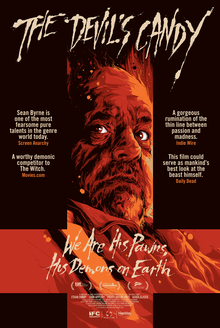
The Devil’s Candy: When Metal and Hell Fuse on a Canvas of Blood and Distortion
Six years. Six damn years of creative drought in which horror cinema drowned in a sea of prefab jump scares, unnecessary sequels, and reboots that reeked of mothballs. Then, like a guitar riff rising from the depths of hell itself, along came The Devil’s Candy, the second feature from Australian director Sean Byrne—a man who seems to have sold his soul in exchange for understanding that true horror doesn’t lurk in rusty crucifixes or bargain-bin exorcisms, but in obsession, artistic creation, and the deafening roar of a distorted guitar. And boy, did he nail it.
Art as Hell’s Antenna: When the Paintbrush Becomes a Dagger
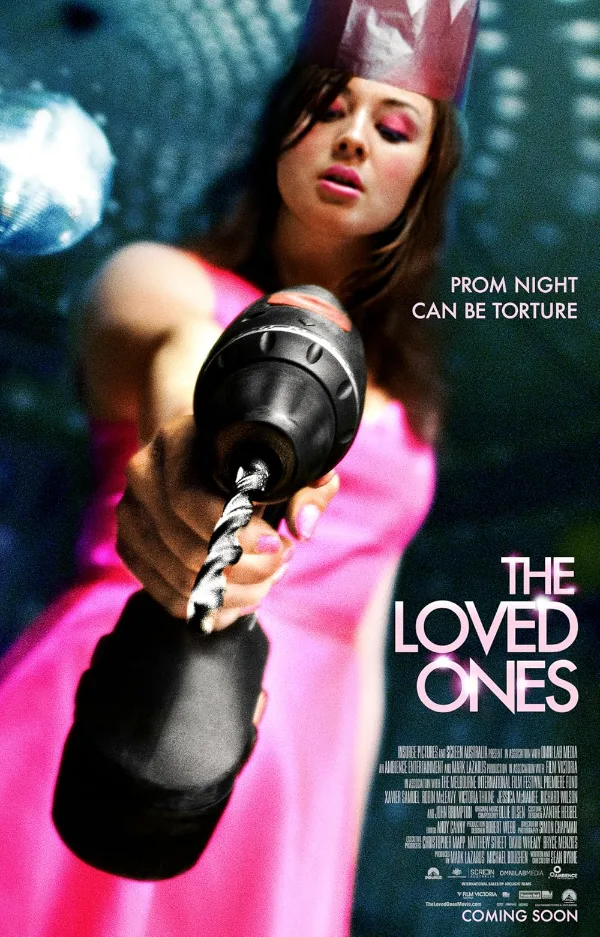
Byrne isn’t a director who does things by halves. His debut, The Loved Ones (2009), made it clear he had no interest in conventional scares: there, the prom night turned into a nightmare of teenage sadism and sick love. With The Devil’s Candy, he takes it a step further, transplanting his narrative to the dusty badlands of Texas, where the perfect house—the one every American family dreams of—hides a past as dark as the paintings Jesse (Ethan Embry) begins to create under an influence that’s anything but divine.
Jesse isn’t your typical Hollywood family man. He’s a failed artist, a middle-aged metalhead dragging around a stalled career and an obsession with heavy sound that consumes him. When he moves with his wife Astrid (Shiri Appleby) and daughter Zooey (Kiara Glasco) into a countryside home straight out of a Better Homes and Gardens catalog—if it weren’t for that suspiciously low price—he soon discovers the place has an unwanted tenant: the devil, or at least a very particular version of him. This isn’t the horned, pitchfork-wielding Satan Hollywood’s flogged to death, but an abstract entity, a voice whispering in subsonic frequencies, a hum that slithers into Jesse’s ears like a Sunn O))) bassline, pushing him to create macabre masterpieces.
Here, Byrne plays with a fascinating premise: what happens when art becomes a pact with the devil? It’s not the first time cinema has explored this idea—just think of The Picture of Dorian Gray or Velvet Buzzsaw—but rarely has it been done with such rawness and originality. Jesse doesn’t sell his soul for fame or fortune; he does it for the promise of artistic greatness, to create something so powerful it transcends his own existence. And the price, as always, is the blood of those he loves most.
Cinematography as Hell’s Prelude: Simon Chapman and the Red of Damnation
What elevates The Devil’s Candy above conventional horror is its visual storytelling. Byrne, alongside cinematographer Simon Chapman, crafts a suffocating atmosphere where the color red isn’t just an aesthetic choice—it’s a character in its own right. Crimson tones flood Jesse’s studio, staining every brushstroke with a demonic aura. It’s no coincidence that red is the color of hell, of passion, and, in this case, of obsession. Chapman uses a chiaroscuro palette reminiscent of Dario Argento at his best, but with a grittier, grindhouse edge, as if the film stock itself were smeared with blood and sweat.
The house, that symbol of the perfect family, becomes a labyrinth of shadows where every corner hides a secret. Byrne plays with enclosed spaces, framing characters in claustrophobic shots as if the walls themselves are suffocating them. And when the camera pulls back, it reveals the vast Texas landscape—a reminder that no matter how far Jesse runs, the evil is already inside him.
Metal as the Soundtrack of the Apocalypse: When Noise Becomes Horror
What defines The Devil’s Candy is its soundtrack. Byrne doesn’t use metal as mere background noise; it’s an essential narrative element. The songs by Metallica, Slayer, Queens of the Stone Age, and especially Sunn O))), aren’t there to give the film a cool edge—they are the devil’s voice. The distorted sound, the crushing riffs, the thunderous bass: it’s all the auditory manifestation of Jesse’s possession. It’s no accident that Pruitt Taylor Vince’s character, Ray Smilie, air-guitars like he’s trying to drown out the voices haunting him. In this film, metal isn’t music; it’s a failed exorcism.
And then there’s the scene where Jesse, possessed by demonic inspiration, paints a massive mural to the sound of Metallica’s "The Thing That Should Not Be." It’s a hypnotic, almost ritualistic sequence where art and horror fuse in an act of creation that’s also an act of destruction. Byrne films this scene in a single take reminiscent of Brian De Palma’s best work, but with a rawness that leans into Cronenberg’s body horror. The paintbrush becomes a weapon, and every stroke is an open wound in reality.
Pruitt Taylor Vince: The Villain Horror Cinema Deserved (But Didn’t Know It Needed)
While Ethan Embry shines as Jesse, Pruitt Taylor Vince steals the show as Ray Smilie, the disturbed former tenant haunting the house like a starving specter. Vince, an actor who’s built a career playing weird and dangerous types (The Big Lebowski, Monster), delivers one of his best performances here. Ray isn’t your typical horror villain: he’s a pathetic giant, a man broken by the voices chasing him, a guy in a tattered tracksuit who speaks with unsettling sweetness while strumming an imaginary guitar.
There’s something deeply tragic about Ray. He’s not a monster but a man corrupted by the same evil now stalking Jesse. When their paths cross, the film pivots into a home-invasion thriller with a mystical twist that sets it apart from conventional horror. The scene where Ray kidnaps Zooey isn’t just a tense moment—it’s a confrontation between two lost souls: one seeking redemption, the other already swallowed by the abyss.
The Climax: When Terror Is Painted in Fire and Blood
The Devil’s Candy isn’t a film that bothers with subtlety, and its third act proves it. Byrne abandons any semblance of restraint and dives headfirst into a finale that’s literally a canvas painted in fire and blood. The final showdown between Jesse and Ray is an epic battle where art, music, and horror merge into a chaotic symphony. There are no exorcisms or crucifixes—just paint, guitars, and the brutal reality that sometimes the devil doesn’t need to possess you to destroy you.
The climax is so visually striking it recalls the best sequences from Suspiria (2018), but with a dirtier, punk edge. Byrne isn’t afraid to go over the top, and that’s precisely what makes The Devil’s Candy so unforgettable. This isn’t a film for those seeking sober, restrained horror; it’s a sensory experience, an immersion in chaos where metal, art, and terror join hands to create something unique.
The best
- Ethan Embry transforms into a possessed artist with an intensity that scorches the screen. It’s not just a performance—it’s an exorcism in itself.
- The soundtrack is a character in its own right, an auditory demon that haunts you long after the credits roll. Sunn O))) never sounded this terrifying.
- Pruitt Taylor Vince delivers a villain who’s both pathetic and deeply chilling. A giant with the soul of a lost child.
The worst
- Its short runtime (80 minutes) leaves you wanting more development for side characters like Astrid (Shiri Appleby), who deserved more depth.
- The ending, while visually stunning, edges into the fantastical and might throw off viewers who prefer more grounded horror. Byrne makes no concessions, and that’s not always a good thing.
The Verdict of Claqueta Ácida (8.3/10)
The Devil’s Candy is a modern horror masterpiece that spits on the genre’s tired formulas and erects its own altar of noise, blood, and paint. Sean Byrne doesn’t just confirm his status as a cult filmmaker—he proves that satanic cinema doesn’t need robes or traditional possessions: just a painter, a distorted guitar, and a house that breathes evil. If the devil exists, this film is definitely in his personal collection. Prepare to be possessed. 🎸🔥🩸🎬 Tráiler Oficial
Abrir en YouTube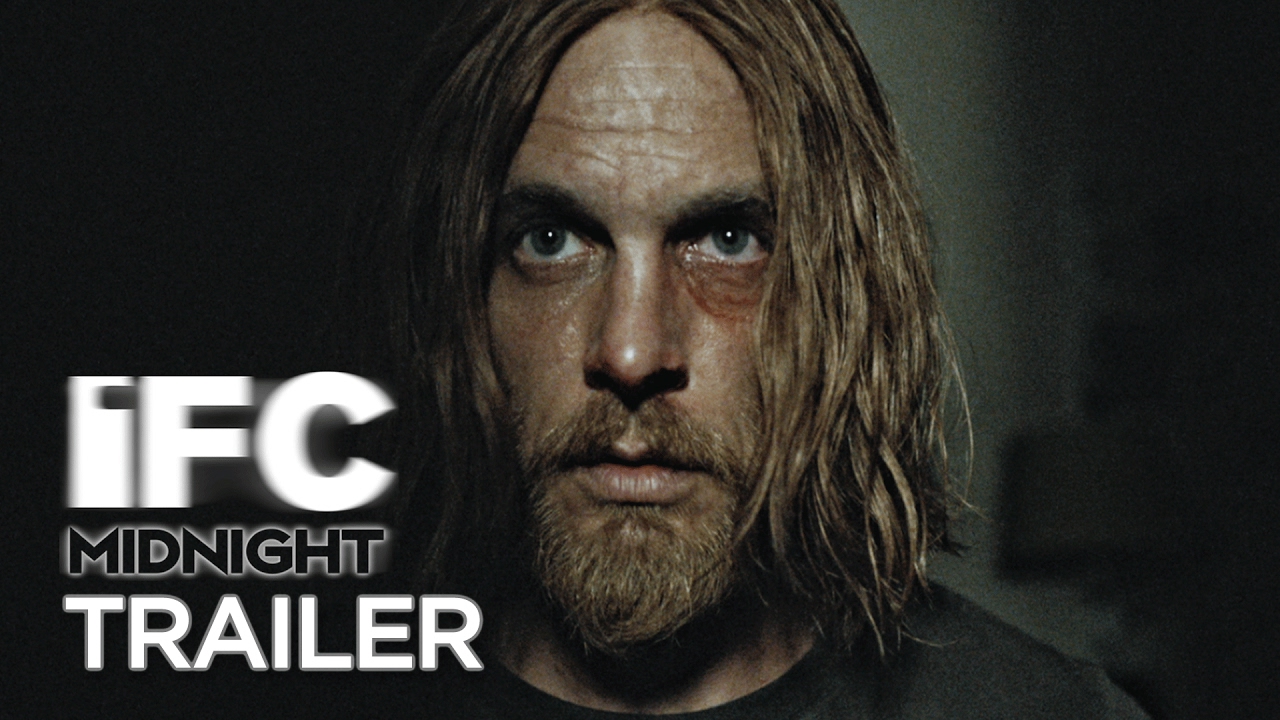
Ending Explained: The Devil’s Candy
Ficha de Daños Colaterales en Sala
Certificado de impacto psicofísico emitido por Héctor Veneno
Ni un solo parpadeo voluntario. El asiento, inusualmente cómodo.
El móvil permaneció en el bolsillo donde debía estar.
Ninguna. Esta obra no necesita muletas estimulantes.
"Inexistente: pulso de hierro hasta los créditos finales."
💬 El Veredicto de la Comunidad
¿Qué te ha parecido la película? Deja tu nota de 0 a 10 para contrastarla con el análisis de la redacción.
Aún no has votado
📢 ¿Te ha gustado el ácido?
Comparte esta crítica con tus amigos cinéfilos o desata la polémica en redes.
⚡ THE CINEMATIC VENOM YOUR INBOX CRAVES
No sugarcoated ratings, no corporate fluff. Subscribe for our uncensored weekly analysis or join the private Telegram for press previews, poll clashes, and instant alerts.
Alertas de estrenos en 1 segundo, encuestas en caliente y audios al salir de pases de prensa.
Recibe la dosis semanal en tu mail + regalo inmediato del PDF con 50 joyas ocultas de culto.
Related Reviews
Recommended autopsies for demanding film buffs.
 🔥 Fusión Nuclear9.0
*The Loved Ones: The Most Unhinged and Blood-Soaked Prom Night in Cinema History*
⚡Del mismo director (Sean Byrne): analiza la evolución o degradación de su estilo.
Sean Byrne bursts onto the Australian horror scene with a bubblegum-pink gem of sadism and suffocating tension that redefines torture porn.
 🔥 Fusión Nuclear8.5
*Alleluia: Love as a Terminal Illness (or How to Turn Crimes of Passion into a Sweaty, Fleshy Spectacle)*
⚡Afinidad temática directa en atmósfera, estilo y fijaciones visuales.
Fabrice Du Welz reimagines the myth of the lonely hearts killers in a feverish whirlwind of jealousy, submission, and blood, led by Lola Dueñas in a performance that’s equal parts hypnotic and harrowing.
 🔥 Fusión Nuclear8.5
*High Tension (Haute Tension): The Brutal Birth of the New French Extremism – Or How to Turn Flesh into Poetry with a Machete*
⚡Afinidad temática directa en atmósfera, estilo y fijaciones visuales.
Alexandre Aja shocked global screens with a relentless rural bloodbath, redefined by breakneck pacing and a divisive twist that splits serious cinephiles right down the middle.
Editorial Ecosystem
Cinephile connections, archive interviews and related analyses.
🎞️ In Claqueta Cinematheque1
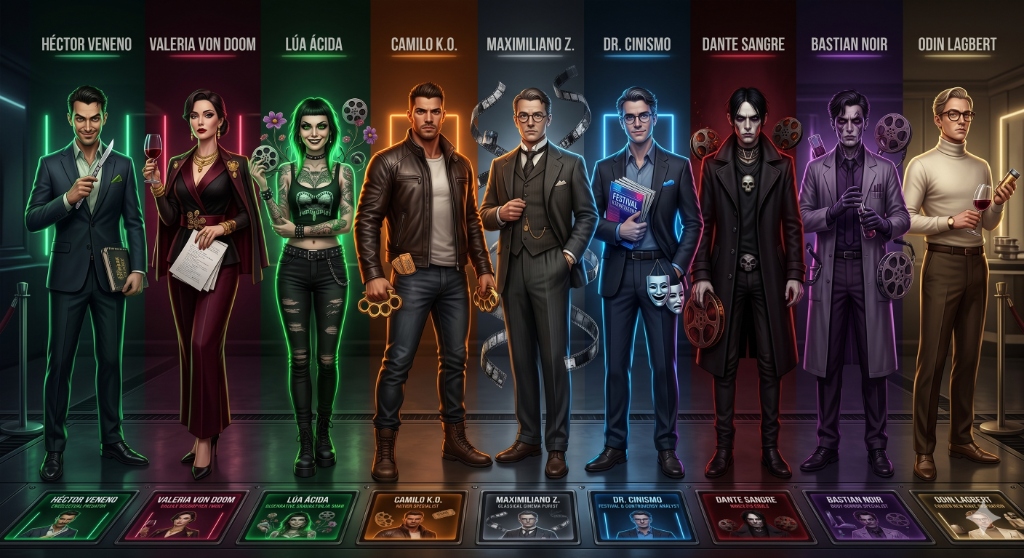
💬 Debate Cinéfilo & Autopsia de Lectores
0 veredictos¿Discrepas con nuestra nota? ¿Es una obra maestra o veneno puro? Deja tu veredicto abajo sin necesidad de registro.

Aún nadie ha dejado su veredicto para esta película.
Sé el primero en clavarle el colmillo rellenando el formulario de arriba.