Ending Explained: Salò, or the 120 Days of Sodom
Pasolini's Black Mirror

💡 How does Salò, or the 120 Days of Sodom end?
At the end of Salò, or the 120 Days of Sodom, the condemned suffer torture and execution outside while the powerful observe through binoculars. The pianist jumps out of a window, unable to bear the horror, and two teenage guards dance a waltz.
What happens at the end
The conclusion arrives after the guilty have been designated. The libertines separate the hostages: some receive a blue ribbon, sentencing them to a painful death, while others, such as Graziella and Rino, are pardoned for having betrayed their companions or for their absolute submission. The film establishes that only collaborators can hope to return home, turning survival into an act of betrayal.
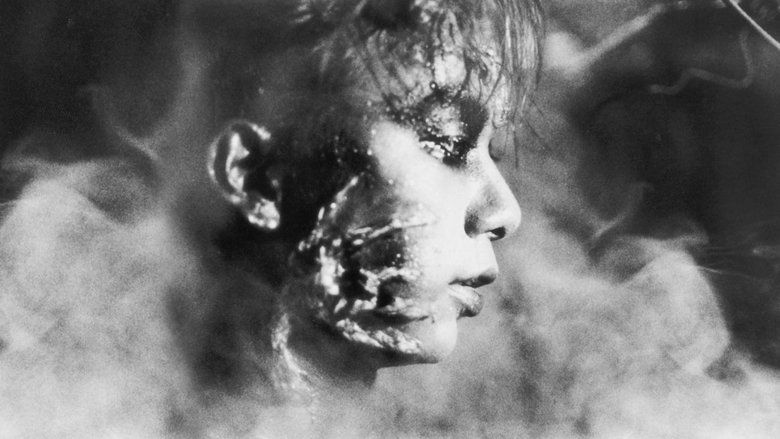
The condemned are taken outside, where they suffer rape, torture, and execution. The methods include branding them with hot irons, hanging them, scraping their flesh, burning them, and tearing out their tongues and eyes. The four powerful men do not participate directly in the physical violence; instead, they observe every atrocity through binoculars from the villa, maintaining their distance and absolute control over the scene.
As the massacre continues, the pianist, unable to bear the horror of what she sees, jumps out of a window and dies upon impact. Amidst the carnage, Bruno and Claudio, two of the teenage guards, decide to dance a waltz. Claudio asks for the name of Bruno's girlfriend, who answers "Margherita." This small human interaction contrasts with the total destruction occurring around them, closing the film on a note of absurdity and dehumanization.
What it means
The ending offers no redemption or justice, but rather confirms that absolute power is a closed system that consumes its own participants. The death of the pianist symbolizes the impossibility of moral conscience in the face of the machinery of horror; those who attempt to see reality die. The libertines, observing from afar, represent the bureaucracy of evil: they do not need to dirty their hands to exercise control; it is enough to design the rules and enjoy the spectacle.
The film suggests that society, by accepting the logic of domination, becomes complicit in its own destruction. The final waltz between Bruno and Claudio is a cruel irony: human beauty and normality persist as an empty echo while the world crumbles. Pasolini eliminates any possibility of escape, leaving the viewer trapped in the same helplessness as the characters, forcing them to confront the structural nature of cruelty.
What is left open
The fate of the pardoned, such as Graziella and Rino, is not explored beyond their conditional survival. The film does not reveal whether they actually manage to return home or if their "freedom" is merely another form of captivity. Furthermore, the psychological impact on the guards who continue to dance while their companions die leaves an uncomfortable question about the human capacity to adapt to horror, without offering a clear answer as to whether normality can survive barbarism.

As an Amazon Associate, Claqueta Ácida earns from qualifying purchases.
🎬 Official Trailer
Abrir en YouTube
More endings explained
- Ichi the Killer: ending explained
- The Monster of St. Pauli: ending explained
- I Saw the Devil: ending explained
- Audition: ending explained
- Inside: ending explained
- The Appeared: ending explained