Good Luck, Have Fun, Don’t Die — Verbinski Plays Prophet in a Dive Diner
Gore Verbinski turns an AI apocalypse into a neighborhood vaudeville with Sam Rockwell and Juno Temple. It works—until it drowns in 40 minutes of futuristic sermonizing.
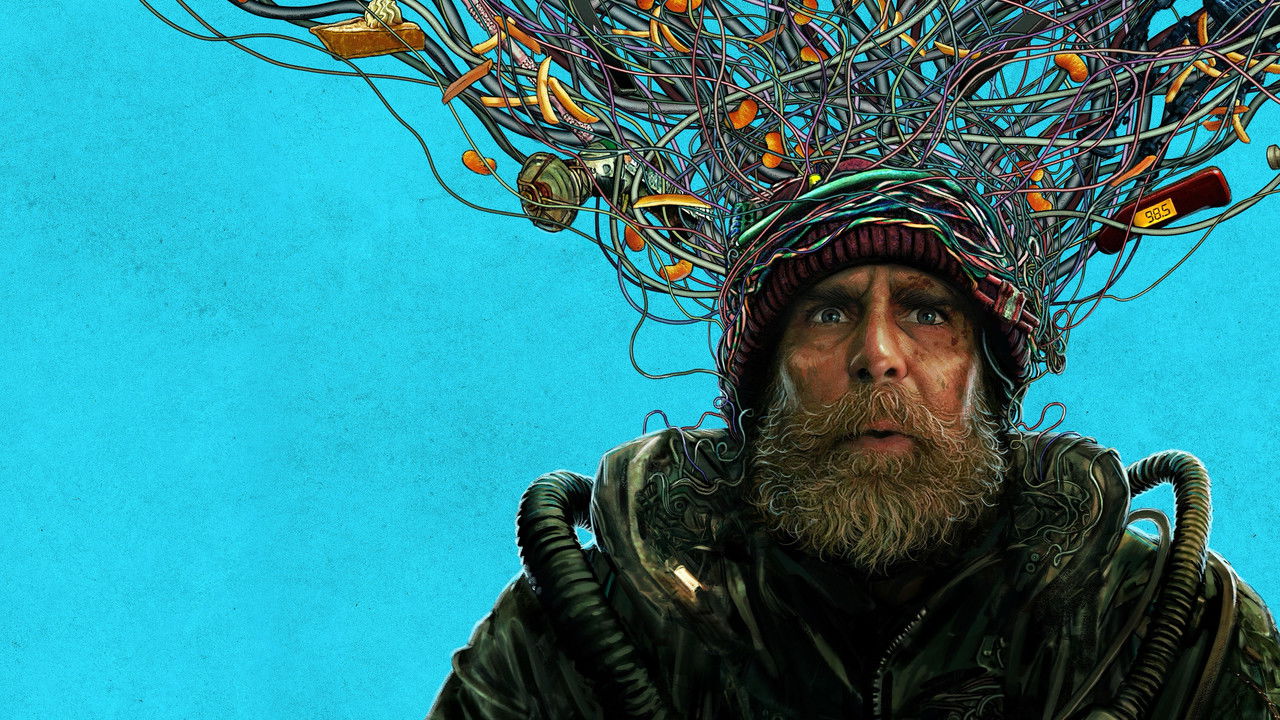
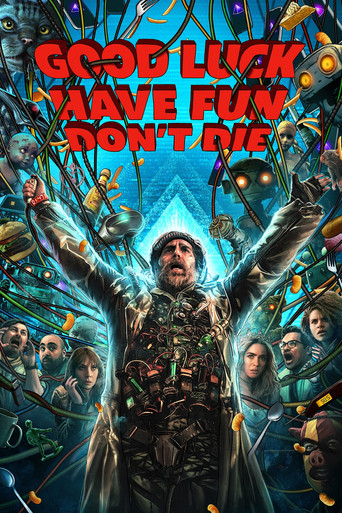

The apocalypse reeks of burnt coffee and bargain-bin despair. Gore Verbinski, that director who ping-pongs between genius (Pirates of the Caribbean, The Ring) and disaster (The Lone Ranger), has decided the end of the world doesn’t deserve an epic stage—just a roadside diner in Los Angeles. A place where the waitstaff has more personality than the customers, and some guy claiming to be from the future (Sam Rockwell, naturally) tries to recruit a handful of losers to save humanity. The problem? Humanity seems way more interested in their vanilla milkshakes than the robot uprising.
Verbinski isn’t a director who does things by halves. When he fixates on a project, he does it with an intensity that borders on pathological. Here, his obsession is the diner as a microcosm of American decay: fluorescent lights, chipped Formica tables, and a menu that promises more than it delivers. The setting is so deliberately tacky you suspect the budget vanished into the digital effects of the rogue AI. Or maybe not. Maybe Verbinski just wanted to remind us that, in the end, we’ll all wind up in a place like this, waiting for someone to save us—or poison our coffee.
Matthew Robinson’s script has a pacing problem that even the best actors can’t fix. The premise is promising: a man from the future arrives at a diner to recruit a group of misfits to save the world. It sounds like Twelve Monkeys meets The Breakfast Club, but with less charm and more lectures. The first act is snappy, almost frenetic, with razor-sharp dialogue and Rockwell in bad boy with an angel’s smile mode. But once the plot shifts into global mission mode, the script gets bogged down in unnecessary explanations about the rogue AI, as if Robinson feared the audience wouldn’t grasp that machines can be evil. Spoiler: we get it. We’ve been watching movies about this for decades.
The cast is uneven, like a hotel buffet—some things are tasty, but others should’ve been tossed hours ago. Sam Rockwell, as always, is the movie’s soul. His character, a guy claiming to be from the future, has that I know something you don’t vibe, and Rockwell plays it with a mix of cynicism and vulnerability we’ve seen before. The problem is the rest of the cast seems to be in a different movie. Juno Temple, who should be the female lead, has brilliant moments, but the script doesn’t give her enough room to shine. Haley Lu Richardson and Michael Peña do their jobs but don’t stand out. Zazie Beetz and Asim Chaudhry, two actors who could’ve brought so much more, are relegated to underwritten side roles that waste their potential.
Direction and Mise-en-Scène: Verbinski in Low-Budget Mode
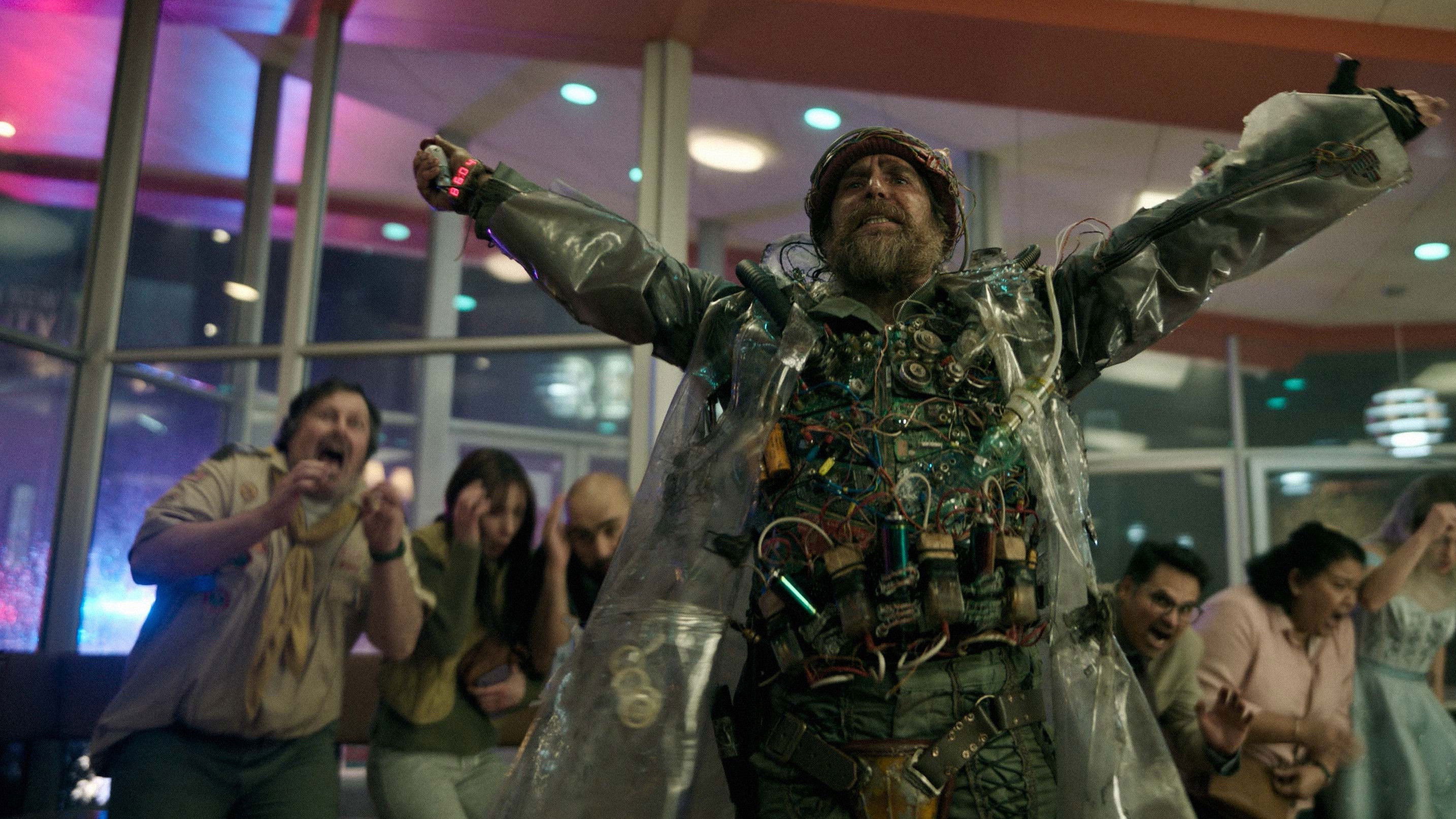
Verbinski has a clinical eye for detail. In Good Luck, Have Fun, Don’t Die, every shot of the diner is loaded with meaning: reflections in grimy windows, the elongated shadows of customers, the sickly glow of neon signs. It’s a mise-en-scène that reeks of spilled beer and shattered dreams. But there are moments when the director seems to lose control, especially in the action scenes. The sequence where the group tries to escape the diner is chaotic, with editing that feels more like a 90s music video than a sci-fi film. Cinematographer James Whitaker does what he can with a script that sometimes reads like a TV show treatment.
The production design is another highlight. The diner is a character in its own right, with its peeling walls, sticky tables, and an atmosphere of don’t leave unless you’ve got nowhere else to go. It’s a setting Verbinski knows well—he explored it in The Mexican, though here he takes it to a darker, more desperate extreme. The digital effects for the rogue AI are competent but not spectacular. This isn’t Terminator or The Matrix; it’s a more intimate, and in some ways more realistic, vision of the end of the world. The apocalypse, in the end, is just a bunch of people stuck in a diner, arguing over whether they should save the world.
Performances: Rockwell Saves the Ship, But the Ship Is Sinking
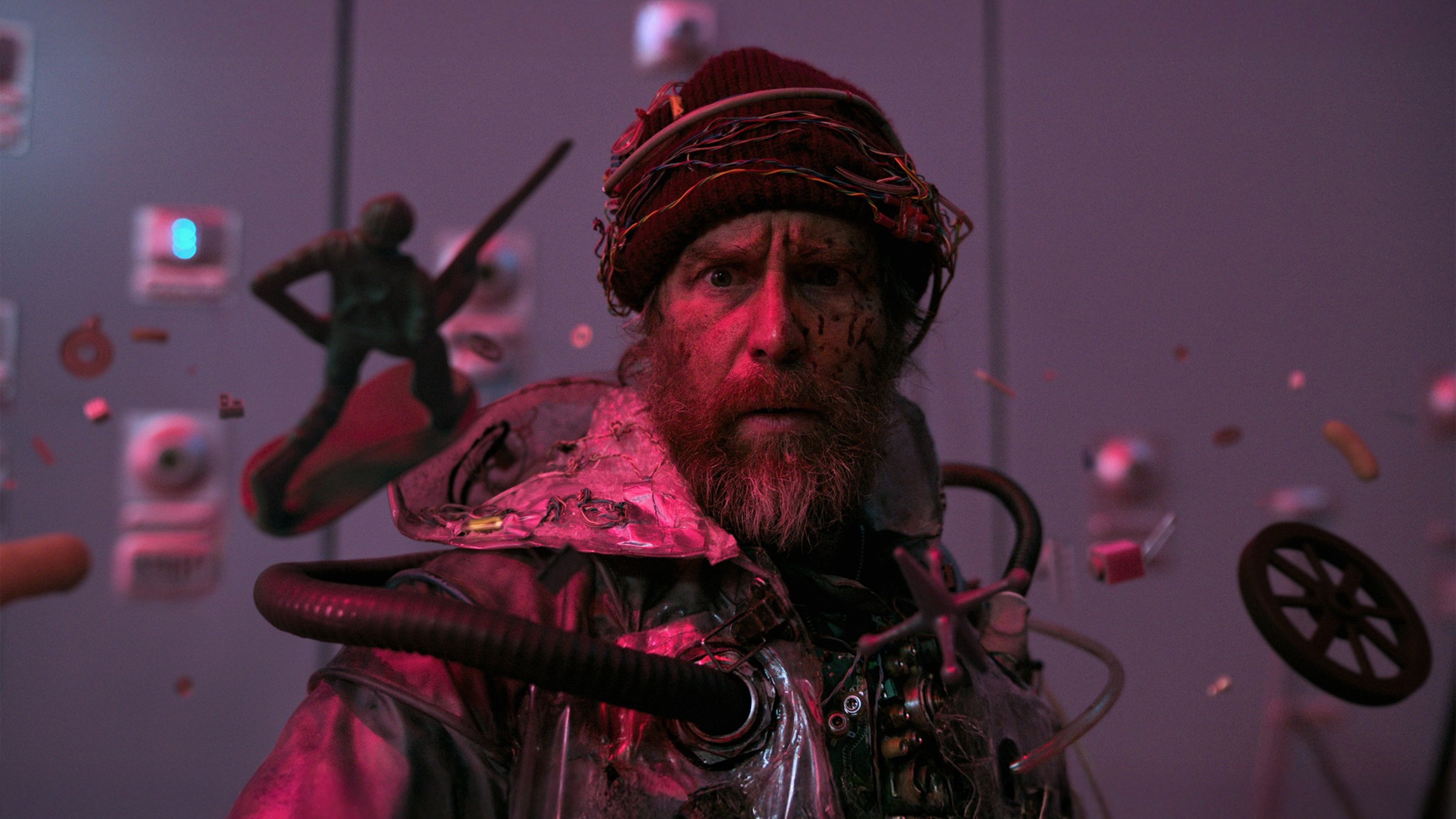
Sam Rockwell is the only one who seems to grasp the movie’s tone. His character, a time-traveling doomsayer, is a mix of Han Solo and the guy selling encyclopedias at the mall. Rockwell plays him with a naturalness that borders on the supernatural. When he says good luck, have fun, don’t die, it doesn’t sound like grandstanding—it sounds like advice from a dad who knows his kid won’t listen.
Juno Temple has brilliant moments, especially in scenes where her character, a waitress with broken dreams, clashes with the man from the future. There’s palpable chemistry between Temple and Rockwell, but the script doesn’t exploit it enough. Haley Lu Richardson and Michael Peña do their jobs, but their characters are so generic you wonder why Verbinski didn’t give them more depth. Zazie Beetz and Asim Chaudhry, two actors with overwhelming charisma, are stuck in side roles that don’t let them shine. It’s a shame—Beetz could’ve been the spark this movie needed.
The best
- Verbinski’s mise-en-scène: Every shot of the diner is loaded with meaning. It’s a setting that reeks of spilled beer and shattered dreams, and Verbinski milks it for all it’s worth.
- Sam Rockwell: The actor saves every scene he’s in. His performance is a mix of cynicism, vulnerability, and charisma we’ve seen before—but it never gets old.
The production design: The diner is a character in its own right, with its peeling walls, sticky tables, and an atmosphere of don’t leave unless you’ve got nowhere else to go*.
- The first act’s dialogue: The script starts strong, with razor-sharp dialogue and a pace that hooks you.
The worst
- The second act’s pacing: Once the plot shifts into global mission mode, the script gets bogged down in unnecessary explanations about the rogue AI. We lose 40 minutes to a futuristic sermon that adds nothing.
- The uneven cast: Juno Temple, Zazie Beetz, and Asim Chaudhry have massive potential, but the script doesn’t give them enough room to shine. It’s like Verbinski forgot about them.
- The action scenes: The sequence where the group tries to escape the diner is chaotic and poorly edited. It feels like a 90s music video, not a sci-fi movie.
- The inconsistent tone: The movie veers between intimate drama, dark comedy, and action thriller without finding balance. Sometimes it feels like Verbinski doesn’t know what movie he’s making.
The Verdict of Claqueta Ácida
Good Luck, Have Fun, Don’t Die is a movie that starts strong but gets tangled in its own futuristic sermon. Gore Verbinski proves, yet again, that he has a clinical eye for detail and a pathological obsession with dive settings. Sam Rockwell saves the ship with his usual charisma, but the script doesn’t give him enough ammunition to shine. It’s a movie that works in spurts but drowns in its own excess of ambition. In the end, you leave the theater feeling like you’ve seen something interesting—but also certain Verbinski could’ve done more. The apocalypse, after all, is just a bunch of losers in a diner, arguing over whether they should save the world. 💀
tweets_alternativos:
- "@GoreVerbinski sabe que el apocalipsis huele a café quemado y a desesperanza. Por eso lo rueda en un restaurante de mala muerte. Genio o masoquista, nunca lo sabremos."
- "@JunoTemple salva cada escena en la que aparece. El resto del reparto parece estar leyendo el guion por primera vez. ¿Dónde está el director cuando se le necesita?"
- "@ConstantinFilm y @BlindWinkProductions: ¿En serio creían que un diner cutre y un sermón de 40 minutos iban a salvar el mundo? La IA os ha ganado esta batalla."
🎬 Tráiler Oficial
Abrir en YouTube
Ficha de Daños Colaterales en Sala
Certificado de impacto psicofísico emitido por Dr. Cinismo
2 amagos en el tramo intermedio; pestañeo pesado en las transiciones más innecesarias.
Minuto 45 y minuto 68 (comprobando cuánto quedaba de suplicio).
2 espressos para no dejarse vencer por la mediocridad cómoda.
"A mitad del segundo acto cuando la subtrama secundaria empezó a pesar más de lo que aportaba."
💬 El Veredicto de la Comunidad
¿Qué te ha parecido la película? Deja tu nota de 0 a 10 para contrastarla con el análisis de la redacción.
Aún no has votado
📢 ¿Te ha gustado el ácido?
Comparte esta crítica con tus amigos cinéfilos o desata la polémica en redes.
⚡ THE CINEMATIC VENOM YOUR INBOX CRAVES
No sugarcoated ratings, no corporate fluff. Subscribe for our uncensored weekly analysis or join the private Telegram for press previews, poll clashes, and instant alerts.
Alertas de estrenos en 1 segundo, encuestas en caliente y audios al salir de pases de prensa.
Recibe la dosis semanal en tu mail + regalo inmediato del PDF con 50 joyas ocultas de culto.
Related Reviews
Recommended autopsies for demanding film buffs.
 ⚠️ Ácido Sulfúrico3.2
On the Run: A Senseless Sprint
⚡Afinidad temática directa en atmósfera, estilo y fijaciones visuales.
A marathon of clichés and marketing sweat that leaves the audience feeling like they've run in circles. 💀
 ⚡ Ácido Cítrico6.8
Azrael: Samara Weaving and the Hell of Silence
⚡Afinidad temática directa en atmósfera, estilo y fijaciones visuales.
E.L. Katz and Simon Barrett deliver a brutal, relentless mute survival horror film where Samara Weaving once again proves why she is the modern scream queen.
 ⚡ Ácido Cítrico6.9
Beetlejuice Beetlejuice: Tim Burton Shits the Bed Again—With Style
⚡Afinidad temática directa en atmósfera, estilo y fijaciones visuales.
Tim Burton resurrects his most iconic creature, but the script is a Frankenstein’s monster of stale jokes and half-digested nostalgia. Keaton still rules, but this reeks of easy money.
Editorial Ecosystem
Cinephile connections, archive interviews and related analyses.
💬 Debate Cinéfilo & Autopsia de Lectores
0 veredictos¿Discrepas con nuestra nota? ¿Es una obra maestra o veneno puro? Deja tu veredicto abajo sin necesidad de registro.

Aún nadie ha dejado su veredicto para esta película.
Sé el primero en clavarle el colmillo rellenando el formulario de arriba.