Don’t Talk to Me (2020) — The Short Film That Proved Horror Doesn’t Need WiFi—Just a Landline and a Bad Attitude
We dissect the unsettling and rowdy seminal short film by the Philippou brothers, which laid the visual groundwork for their later international success.

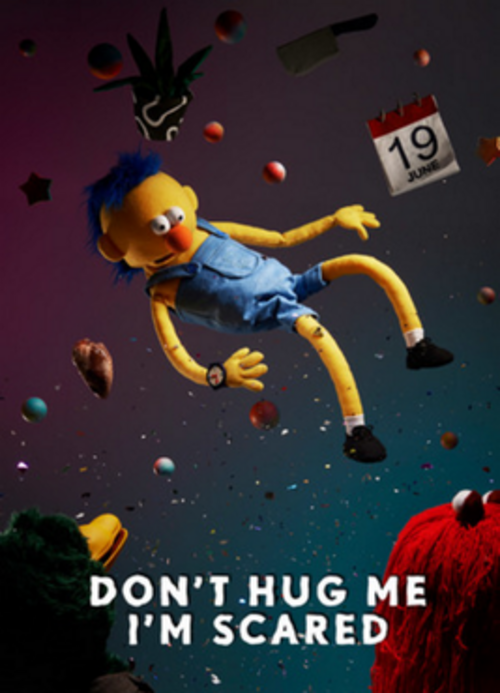
Don’t Talk to Me (2020): The Short Film That Proved Horror Doesn’t Need WiFi—Just a Landline and a Bad Attitude
In an era of algorithms, influencers, and horror films mass-produced in focus group labs, diving into the analog origins of brothers Danny and Michael Philippou feels like an act of resistance—or maybe just masochism. Don’t Talk to Me (2020) isn’t just a short film; it’s a living fossil, a time capsule that encapsulates the raw essence of RackaRacka in its purest form: brutal, chaotic, and utterly devoid of artistic self-indulgence. Twelve minutes of telephone terror that function like a bootleg of what would later become Talk to Me (2022), but with the advantage of not having to endure A24’s sighs or the product placement of vodka brands that studios so adore.
The Premise: Or How to Turn Suburban Boredom into a Blood-and-Static Nightmare
The plot is so simple it borders on genius: a group of Australian teenagers, bored to death on a rainy suburban night—the perfect horror setting, where boredom is the real monster—decide to kill time with prank calls. But, as in all good horror stories, the devil is in the details: a black rotary phone, a notebook filled with scribbled numbers, and a voice on the other end that doesn’t just respond—it knows. It knows things it shouldn’t. It knows one of them jerks off thinking about his sister. It knows another stole money from his dad’s wallet. Most of all, it knows how to turn curiosity into hysteria and hysteria into self-destruction.
What’s fascinating here isn’t the originality of the concept—telephone horror has pedigree, from The Ring (1998) to Black Mirror—but how the Philippous execute it with punk-like ferocity. There’s no time for gothic atmospheres or deep psychological character development. Here, terror is physical, immediate, visceral. It’s the cinematic equivalent of being dumped with a bucket of ice water while someone screams obscenities in your ear. And it works—oh, how it works.
Direction: The Controlled Chaos of Two Brothers with a Camera and Too Much Caffeine
Danny and Michael Philippou don’t direct; they attack. Their style is a mix of amateur found footage, low-budget gore, and the unhinged energy of a YouTube sketch taken to the extreme. In Don’t Talk to Me, this translates into:
- Spasmodic editing: Shots last just long enough to keep the viewer from catching their breath. Abrupt cuts, jump cuts that look like editing mistakes but are pure intention. It’s as if the short film is having an epileptic fit, and that, ironically, is its greatest virtue.
- Steroids-handheld camera: The cinematography isn’t about beauty; it’s about discomfort. The camera moves as if possessed, following characters in jerky motions that mimic panic. There’s no steadicam, no elegant long takes; just a choreography of chaos that reinforces the feeling that, at any moment, something’s going to go horribly wrong.
- Cheap nightclub lighting: The basement where most of the short takes place is lit with flickering red and blue lights, like the remnants of an abandoned college party. The darkness isn’t oppressive in the classic gothic horror sense; here, the darkness is dirty, sticky, like the sweat of someone who’s just run a marathon of fear.
The Philippous have an almost animalistic intuition for suspense. They know that the sound of a rotary phone—that sharp, metallic ring ring—is more terrifying than any Hans Zimmer string score. It’s the sound of anticipation turned into psychological torture. And when the entity on the other end starts speaking, it does so in a voice that sounds like it’s been filtered through a rotting lung. No sophisticated sound effects; just distortion, static, and a whisper that lodges in your brain like a rusty nail.
Performances: Collective Hysteria as an Art Form
If there’s one thing the Philippous inherited from their YouTube days, it’s their disdain for subtlety. The actors—including the brothers themselves—play their roles as if they’re in an extreme survival reality show. The screams are exaggerated, the movements are broad, and the physical reactions to terror are so extreme they border on the comical. But here’s the trick: it’s not comedy. Or at least, not entirely.
There’s a moment when one of the characters tears out chunks of their hair as if possessed by the spirit of Linda Blair in The Exorcist (1973), but with less budget and more desperation. Another smashes their head against a wall until it bleeds, as if trying to exorcise their own demons through physical pain. There are no nuances, no subtext; just flesh, blood, and screams. And while this might be exhausting for those who prefer the psychological horror of Hereditary (2018), it’s undeniable that it has a primitive, addictive energy.
The problem—because there’s always a problem—is that some of the supporting actors veer into caricature. Their performances are so histrionic that, instead of generating empathy, they make you want to turn off the short and step outside for some air. It’s the risk of working with a cast that seems plucked from a Saturday Night Live sketch on its worst day: the line between horror and parody is so thin it sometimes vanishes entirely.
Practical Effects: The Art of Making Blood on a Supermarket Budget
One of Don’t Talk to Me’s greatest virtues is its commitment to practical effects. In an era where cheap CGI has turned gore into something as realistic as a 90s cartoon, the Philippous prove that fake blood, latex, and imagination can be infinitely more effective.
The wounds on the characters’ faces—from deep cuts to skin tears—are achieved with a realism that borders on uncomfortable. There’s no motion blur or digital effects to soften the impact; it’s low-budget makeup applied with almost sadistic cruelty. It’s the kind of gore that makes you wonder if the actors actually got hurt during filming (spoiler: probably not, but the doubt is part of the fun).
The short’s climax, where one of the characters suffers a violent possession, is a festival of ingenious practical effects. There are no elegant possessions or CGI transformations; just a body convulsing as if being electrocuted, with foam spewing from the mouth and bloodshot eyes. It’s grotesque, it’s over-the-top, it’s everything gore should be: dirty, visceral, and unapologetic.
Cinematic Comparisons: The DNA of Philippou Horror
To understand Don’t Talk to Me, you have to place it in the context of its time and influences. The Philippous didn’t reinvent the wheel, but they made it spin faster and with more violence. Their style draws from:
- 2000s found footage: There’s a bit of Paranormal Activity (2007) in how the short uses domestic spaces and everyday technology (a phone, a notebook) as catalysts for terror. But where Paranormal Activity plays with patience and slow-burn suspense, Don’t Talk to Me prefers speed and sensory overload.
- 80s gore: Films like The Evil Dead (1981) or Re-Animator (1985) proved that horror doesn’t need million-dollar budgets to be effective. The Philippous take that philosophy and update it with the frenetic pace of the internet. It’s as if Sam Raimi and the creators of Jackass had a bastard child and raised it on Red Bull and Japanese horror films.
- Classic telephone horror: From The Ring to Black Christmas (1974), the telephone has been a recurring object in horror. But the Philippous give it a unique twist: it’s not the phone itself that’s scary, but what it represents. It’s a portal, a connection to something that shouldn’t exist, and the fact that it’s analog—no screens, no emojis, just voice and static—makes it even more terrifying.
The Ending: A Textbook Jumpscare That Hurts for Its Honesty
The climax of Don’t Talk to Me is so abrupt it feels like a joke. After twelve minutes of collective hysteria, violent possession, and bloody self-harm, the short ends with a jumpscare so predictable it stings. It’s the cinematic equivalent of someone saying, "I told you so," after dragging you through a hellscape of screams and fake blood.
But here’s the thing: it’s not a bad ending, it’s an honest one. The Philippous aren’t trying to be David Lynch, nor do they want to leave you with a philosophical reflection on the nature of evil. Their goal is to scare you, shake you, and leave you with the feeling that you’ve just survived an emotional mugging. And in that, they’re masters.
Legacy: The Short That Changed Everything (or Almost)
Don’t Talk to Me isn’t a horror masterpiece. It’s not Eraserhead (1977), nor even The Babadook (2014). But it’s an essential piece for understanding contemporary horror, especially the kind made by creators who grew up on the internet. The Philippous proved you don’t need a million-dollar budget or a studio’s seal of approval to create something memorable. All you need is an idea, an old phone, and the willingness to take things to the extreme.
This short film is like a demo tape from a punk band before they signed to a record label. It has flaws, exaggerations, moments that border on the ridiculous. But it also has an energy, an authenticity, and a lack of pretension that make it infinitely more valuable than many horror blockbusters with scripts written by marketing committees.
finalExplicado: "En el clímax de Don’t Talk to Me, la posesión demoníaca se desborda por completo: la chica infectada a través del teléfono se transforma en un monstruo grotesco de carne retorcida y gritos inhumanos que masacra a sus amigos en un frenesí de sangre práctica y violencia caótica. El final remata con un jumpscare clásico donde la entidad, ya libre, mira directamente a cámara tras el último asesinato. Simbólicamente, el desenlace representa el triunfo irreversible de la infección analógica: el teléfono como portal que rompe la barrera entre lo doméstico y lo infernal, sugiriendo que el horror ya no está al otro lado de la línea, sino que ha entrado en nuestro mundo y ahora nos observa a nosotros. El “wink” final reconoce cínicamente su propia previsibilidad, transformando el cliché en una declaración de intenciones punk."
The Best
Editing rhythm as a weapon of mass destruction: Twelve minutes of terror without a single second to breathe. It’s as if Mad Max and The Exorcist had a baby at a meth-fueled rave*. Practical effects that reek of latex and sweat: Fake blood, grotesque wounds, and possessions straight out of a Hellraiser backstage*. Gore as street art.The Worst
Performances that waver between histrionic and unbearable: Some characters scream so much it feels like they’re competing for an Oscar in a survival reality show*. An ending more predictable than a Scooby-Doo episode: The final jumpscare* is so by-the-book it hurts. It’s as if the short winks at you and says, "Yeah, that’s all there is, but I got you anyway."The Verdict of Claqueta Ácida (7.2/10)
Don’t Talk to Me (2020) is a short film that smells like a garage, sweat, and unbridled passion. It’s not perfect—nor does it need to be—but it’s a burst of unfiltered creativity, a reminder that horror doesn’t need million-dollar budgets or polished digital effects to get under your skin. The Philippou brothers proved here that they can turn suburban boredom into a nightmare of blood and screams, and that, in the era of corporate cinema and endless reboots, is almost an act of rebellion. It’s not a masterpiece, but it’s real. And in horror, reality is always scarier than fiction. 📞💀🎬 Tráiler Oficial
Abrir en YouTube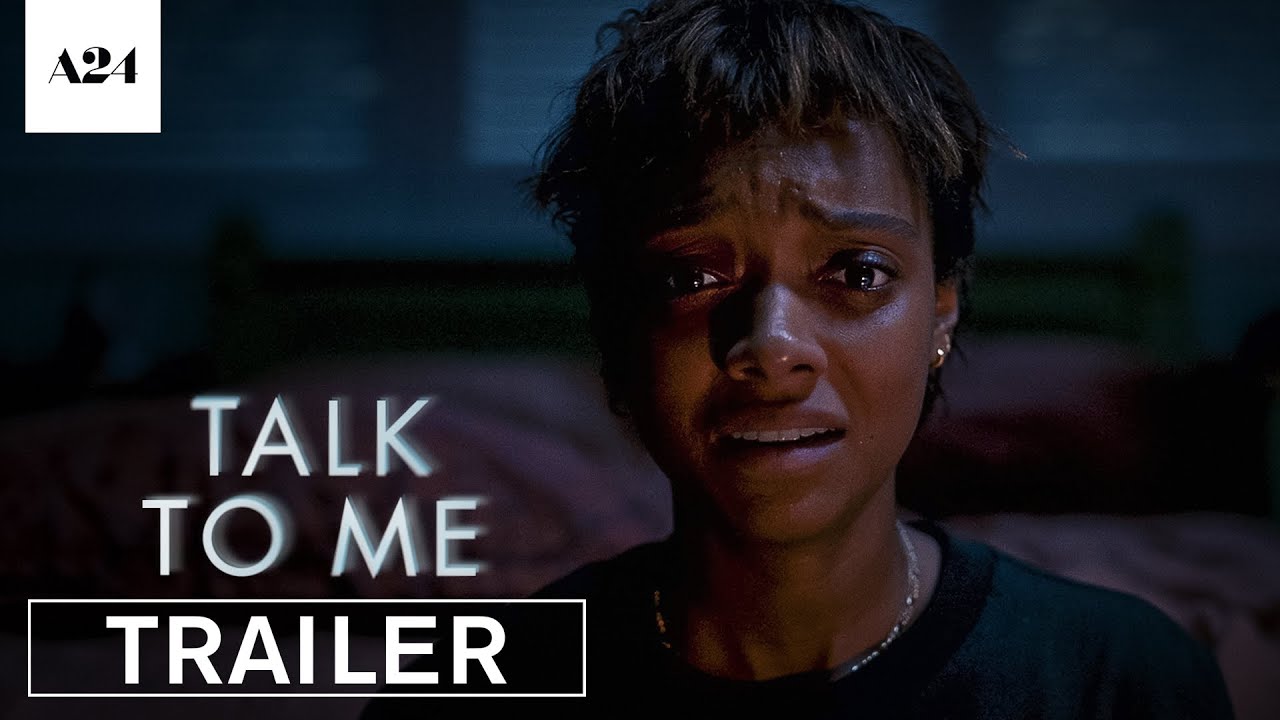
Ending Explained: Don’t Talk to Me (2020)
Ficha de Daños Colaterales en Sala
Certificado de impacto psicofísico emitido por Lúa Ácida
2 amagos en el tramo intermedio; pestañeo pesado en las transiciones más innecesarias.
Minuto 52 y minuto 86 (comprobando cuánto quedaba de suplicio).
2 espresso para no dejarse vencer por la mediocridad cómoda.
"A mitad del segundo acto cuando la subtrama secundaria empezó a pesar más de lo que aportaba."
💬 El Veredicto de la Comunidad
¿Qué te ha parecido la película? Deja tu nota de 0 a 10 para contrastarla con el análisis de la redacción.
Aún no has votado
📢 ¿Te ha gustado el ácido?
Comparte esta crítica con tus amigos cinéfilos o desata la polémica en redes.
⚡ THE CINEMATIC VENOM YOUR INBOX CRAVES
No sugarcoated ratings, no corporate fluff. Subscribe for our uncensored weekly analysis or join the private Telegram for press previews, poll clashes, and instant alerts.
Alertas de estrenos en 1 segundo, encuestas en caliente y audios al salir de pases de prensa.
Recibe la dosis semanal en tu mail + regalo inmediato del PDF con 50 joyas ocultas de culto.
Related Reviews
Recommended autopsies for demanding film buffs.
 ⚡ Ácido Cítrico6.6
28 Years Later: The Rage Virus Returns... Along with the Boredom
⚡Comparten trinchera editorial en la sección de Perros Verdes.
Danny Boyle and Alex Garland attempt to resurrect post-apocalyptic terror with an iPhone 15 Pro Max. Spoiler: it doesn’t work.
 ⚡ Ácido Cítrico7.1
28 años después
⚡Comparten trinchera editorial en la sección de Perros Verdes.
Una secuela que huele a podrido desde el primer fotograma. Garland y DaCosta intentan revivir el género, pero el resultado es un KO técnico disfrazado de obra maestra.
 ⚡ Ácido Cítrico5.8
**A Serbian Film: The Snuff That Thought It Was Art (and Ended Up a High-School Nightmare)**
⚡Comparten trinchera editorial en la sección de Perros Verdes.
**Srđan Spasojević serves up a depravity feast swinging between gratuitous shock and social commentary. Genius or pretentious trash? Claqueta Ácida dissects it with surgical precision.**
Editorial Ecosystem
Cinephile connections, archive interviews and related analyses.
🎞️ In Claqueta Cinematheque1
💬 Debate Cinéfilo & Autopsia de Lectores
0 veredictos¿Discrepas con nuestra nota? ¿Es una obra maestra o veneno puro? Deja tu veredicto abajo sin necesidad de registro.

Aún nadie ha dejado su veredicto para esta película.
Sé el primero en clavarle el colmillo rellenando el formulario de arriba.