Thesis — A Masterclass in Darkness (Or How to Stab Your Audience in the Back Without Them Noticing)
Claqueta Ácida dissects Alejandro Amenábar’s Thesis—the film that turned cinematic violence into a psychological autopsy of the human soul.

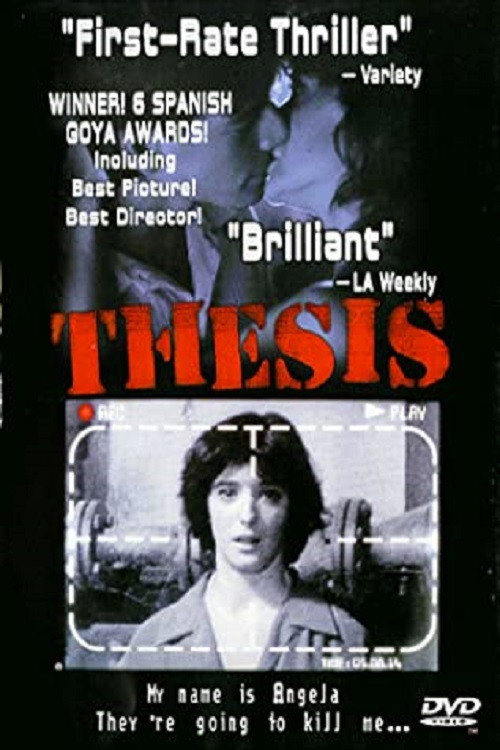


Spanish cinema in the '90s wasn’t exactly a bed of roses, but it was fertile ground for oddities that, against all odds, blossomed into bona fide classics. 'Thesis' (1996), Alejandro Amenábar’s debut feature, is one of those films that arrives unannounced, like a sucker punch to the back of the head, leaving you wondering how the hell no one had told this story before. It’s not just that Amenábar was 23 years old when he made it—yes, 23, like someone whose ID still smelled of fresh ink—but that he did so with a command of mise-en-scène that most veteran directors never achieve in their entire careers. The film didn’t just dare to stare directly into the abyss of media violence; it did so from such an uncomfortable angle that, nearly three decades later, it still stings like it did on day one. And that, dear readers, is something no Netflix algorithm could ever predict: that a movie about snuff films, shot on a laughable budget (around 150 million pesetas, roughly €900,000 today), would end up more relevant than 90% of the thrillers Hollywood churns out annually with budgets a hundred times larger.
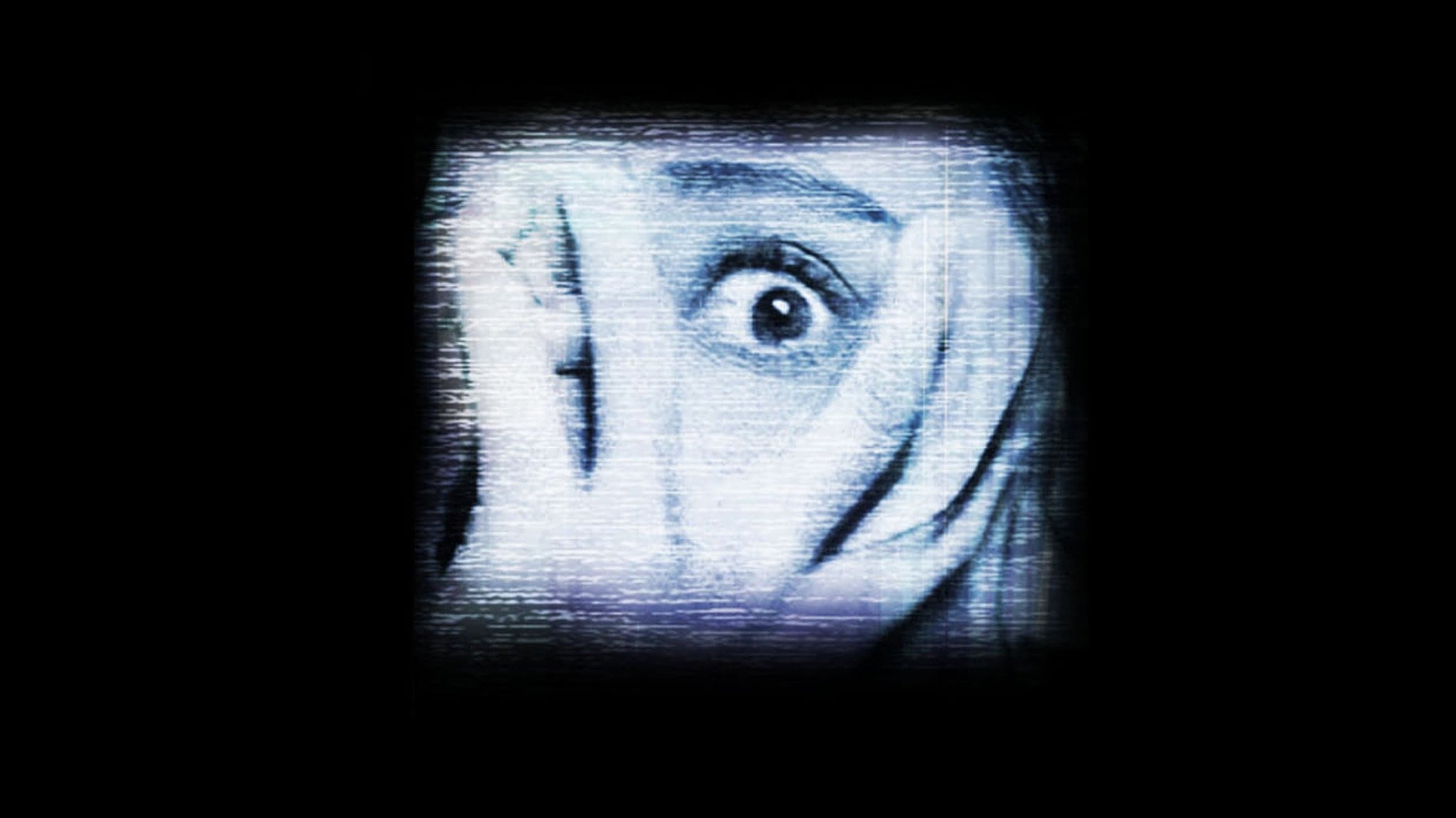
Ángela, played by Ana Torrent—yes, that Ana Torrent, the girl from The Spirit of the Beehive and Cría Cuervos, who was already 28 here but still radiated that eerie, almost supernatural fragility—is a media studies student who decides to investigate audiovisual violence for her doctoral thesis. The premise is simple: what happens when morbid fascination becomes the subject of academic inquiry? But Amenábar isn’t content with making a dry academic essay disguised as a movie. Oh no. What he does is crawl inside Ángela’s head until we start feeling her same obsession, her same unhealthy curiosity, her same fear. There’s a moment, around the 20-minute mark, when Ángela watches one of those snuff tapes for the first time. The camera doesn’t show us the content—Amenábar is too clever to fall into the trap of turning his film into a catalog of atrocities—but it does show us Ángela’s face, lit by the flickering glow of the television, her expression shifting from disbelief to horror. And then we get it: we’re not watching a movie about violence, but about how violence corrupts us without us even noticing. It’s a shot that lasts barely a few seconds, but it encapsulates the entire thesis (pun very much intended) of the film.
The screenplay, written by Amenábar himself, is a perfectly oiled machine. There isn’t a single superfluous line of dialogue, not a single scene that doesn’t either advance the plot or deepen the characters. The most impressive thing is how it manages to make the audience feel complicit in Ángela’s journey. When she decides to keep investigating despite the dangers, when she lies to her family, when she plunges into that dark world... we’re right there with her, sweating, biting our nails, wondering if we shouldn’t just turn off the TV and forget about it all. But we don’t. Because Amenábar knows exactly how to play with our expectations, how to drip-feed us information so we can’t look away. There’s a moment when Ángela discovers that her professor, played by a Xabier Elorriaga in peak form, might be involved in distributing those tapes. The scene where Ángela confronts him in his office is a masterclass in tension: tight close-ups, uncomfortable silence, Elorriaga’s gaze that seems to say everything without uttering a word. It’s the kind of scene that makes you forget you’re watching a Spanish film from the '90s and not a Hitchcock thriller.
But if there’s one thing that elevates Thesis above the rest of its genre, it’s its ability to tackle something bigger than mere morbid fascination. Amenábar doesn’t judge his characters, not even the darkest ones. He shows them as they are: ordinary people trapped in a spiral of violence and obsession. Eduardo Noriega’s Chema is the perfect example. Chema is a violence geek, a guy who collects snuff tapes like others collect stamps, but Noriega ensures he’s not just a cliché. There’s a scene where Chema shows Ángela his collection, and he does so with a mix of pride and shame that’s simply brilliant. Noriega doesn’t act—he lives the role. And you can see it in every gesture, every glance. No wonder this film catapulted him to stardom.
Direction and Mise-en-Scène: The Art of Scaring Without Showing Anything
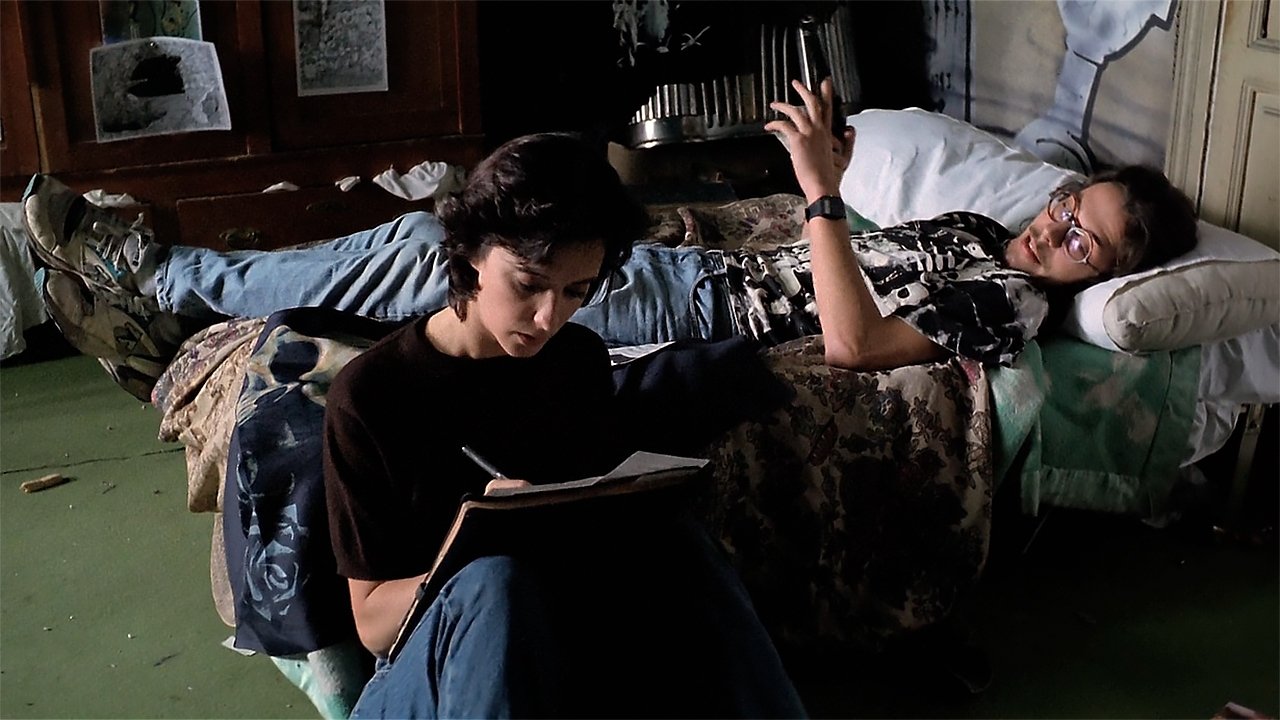
Amenábar had no prior filmmaking experience, but you’d never know it from watching Thesis. The film exudes confidence in every frame, every camera movement, every editing decision. The director demonstrates absolute mastery of cinematic language, something many directors take years to achieve. There’s a moment when Ángela is in her room, reviewing one of the tapes, and the camera slowly pushes in on her face as the television’s flickering light dances across it. No music, no dialogue, just the sound of the tape playing and Ángela’s ragged breathing. It’s a shot that could be in any textbook on psychological horror. Yet Amenábar uses it not to scare us, but to make us feel what his protagonist is feeling. That’s the difference between a competent director and a genius: the ability to wield cinema’s tools not to impress, but to tell a story.
The editing, handled by María Elena Sáinz de Rozas, is another of the film’s strengths. There’s a sequence where Ángela and Chema are in a video store, searching for more tapes, and the editing cuts between the two characters, the shelves of films, and close-ups of their faces. The tension builds gradually, until suddenly—cut! Amenábar knows exactly when to speed up and when to slow down, when to show and when to imply. It’s the kind of editing that makes you forget you’re watching a movie and immerses you completely in the story.
Hans Burmann’s cinematography deserves its own chapter. Burmann, who had previously worked with Amenábar on the short film Himenóptero, creates a visual atmosphere that’s both realistic and dreamlike. The film is set in Madrid, but it’s not the touristy Madrid of postcards—it’s a dark, grimy, almost claustrophobic Madrid. Burmann uses light masterfully: some scenes are bathed in a cold, bluish glow that conveys unease, while in others, darkness engulfs everything, leaving only tiny points of light floating in the void. It’s cinematography that doesn’t just accompany the story but enriches it, adding layers of meaning beyond what the dialogue conveys.
Performances: When the Cast Becomes Nightmare Flesh
Ana Torrent is, quite simply, a prodigious actress. Her portrayal of Ángela is so convincing that it’s hard to believe she’s not actually living through her character’s ordeal. Torrent conveys a mix of vulnerability and determination that’s key to making the film work. There’s a moment when Ángela is at the police station, reporting what she’s discovered, and her voice trembles as she speaks. It’s not overacting, nor is it a cheap trick to elicit empathy. It’s the kind of detail only a great actress can deliver. Torrent doesn’t play Ángela—she becomes her.
Eduardo Noriega, meanwhile, steals every scene he’s in. His Chema is a complex character, hovering between harmless geek and potential psychopath. Noriega ensures the audience is never quite sure what to make of him: Is he an ally, an enemy, or just a poor bastard trapped in his own obsession? There’s a scene where Chema confesses to Ángela that he’s watched every tape in his collection, and he does so with a smile that’s equal parts endearing and terrifying. Noriega doesn’t need to say anything more—his smile says it all.
Xabier Elorriaga, as Professor Castro, is another of the film’s triumphs. Castro is an ambiguous character, a man who seems to know more than he lets on, and Elorriaga conveys that ambiguity with effortless naturalism. There’s a moment when Castro tells Ángela that “morbid fascination is the engine of curiosity,” and he does so with a calm that’s more unsettling than any scream. It’s the kind of line that lingers in your mind long after the film ends.
Technical Breakdown: When Sound and Music Become Characters
The score by Alejandro Amenábar and Mariano Marín is another of the film’s standout elements. It’s not a conventional soundtrack, full of epic themes or catchy melodies. Instead, it’s minimalist, almost subliminal, creeping into the film without you noticing and setting your nerves on edge. There’s a scene where Ángela is in her room, reviewing one of the tapes, and the music reduces to a constant hum, like the sound of a poorly tuned television. It’s the kind of detail that makes the film even more unsettling.
The sound design, by Alfonso Pino, is another of Thesis’s strengths. Pino creates an aural atmosphere that’s as important as the visuals. Some scenes are utterly silent, while in others, sound becomes a character in its own right: the noise of a videotape playing, the buzz of a fluorescent light, the sound of footsteps in an empty hallway... It’s sound design that doesn’t just accompany the story but enriches it, adding layers of meaning beyond what’s on screen.
The production design, by Wolfgang Burmann (Hans Burmann’s brother), is another of the film’s triumphs. The sets are realistic but have an air of unreality that makes them even more disturbing. The video store where Ángela and Chema work, for example, is a dark, claustrophobic place, packed with shelves of films. It’s the kind of setting that makes you feel like you’re trapped in a labyrinth with no escape.
The best
Alejandro Amenábar’s direction: A debut that doesn’t feel* like a debut. Amenábar demonstrates absolute mastery of cinematic language, using every shot, every camera movement, every editing decision to tell a story that’s both a thriller and a psychological study. It’s the kind of film that makes you wonder what the hell the rest of Spanish cinema was doing while this 23-year-old was eating the world.
Ana Torrent’s performance: Torrent doesn’t play Ángela—she becomes* her. Her ability to convey vulnerability, determination, and fear in a single scene is nothing short of prodigious. It’s the kind of performance that makes you forget you’re watching a movie and immerses you completely in the story.
- The screenplay: Written by Amenábar himself, it’s a perfectly oiled machine. There isn’t a single superfluous line of dialogue, not a single scene that doesn’t advance the plot or deepen the characters. It’s the kind of script that makes you wonder why there aren’t more Spanish films with this level of ambition.
Hans Burmann’s cinematography: Burmann creates a visual atmosphere that’s both realistic and dreamlike. His use of light and shadow is masterful, adding layers of meaning beyond what the dialogue conveys. It’s the kind of cinematography that makes you feel like you’re inside* the film.
- The sound design: Alfonso Pino crafts an aural atmosphere that’s as important as the visuals. The silence, the everyday noises, the sound of the videotapes... everything is designed to raise the hairs on the back of your neck. It’s the kind of sound design that makes you forget cinema is a visual art.
The worst
The film’s availability: Thesis* is a masterpiece, but it’s hard to find on modern formats. It’s not on Netflix, Amazon Prime, or any of the major streaming platforms. It’s as if Spanish cinema decided to bury one of its greatest achievements in a drawer and throw away the key.
- Some sequences may be too intense: The film isn’t explicit, but there are moments that can be deeply disturbing for some viewers. It’s not a film to watch after dinner unless you fancy a sleepless night.
- The ending may feel predictable: While the film is brilliant in almost every aspect, the denouement might feel a bit predictable to seasoned genre fans. It’s not a major flaw, but it’s a small blemish on an otherwise near-perfect film.
The Verdict of Claqueta Ácida
Thesis isn’t just a film—it’s an experience. One of those rare gems that leaves a permanent mark, like a tattoo you didn’t ask for but end up wearing with pride. Amenábar achieved something few directors manage in their debut: creating a film that’s simultaneously an addictive thriller, a profound psychological study, and a meditation on media violence. It’s not a film you like—it’s a film that obsesses you. The performances are brutal, the screenplay flawless, the cinematography breathtaking, and the sound design skin-crawling. Are there minor details that could be improved? Sure, but they’re so insignificant next to what the film accomplishes that they’re barely worth mentioning. Thesis is, without a doubt, one of the best Spanish films of the last 30 years. And the worst part? Nearly three decades later, it’s still more relevant than 99% of what gets released today. If you haven’t seen it, do. But don’t say we didn’t warn you: this film isn’t watched—it’s suffered. And enjoyed. Mostly, enjoyed. 💀
tweets_alternativos:
🎬 Tráiler Oficial
Abrir en YouTube
Theater Collateral Damage Report
Psychophysical impact certificate issued by Maximiliano Z.
Cero bostezos. Pupilas dilatadas y tensión mandibular constante.
Ninguna comprobación del tiempo. Se agradece la rareza.
Ninguna: la adrenalina cinematográfica es suficiente.
"Inexistente: pulso de hierro hasta los créditos finales."
💬 Community Verdict
What did you think of the film? Rate it from 0 to 10 to compare it with the editorial review.
You haven't voted yet
📢 ¿Te ha gustado el ácido?
Comparte esta crítica con tus amigos cinéfilos o desata la polémica en redes.
⚡ THE CINEMATIC VENOM YOUR INBOX CRAVES
No sugarcoated ratings, no corporate fluff. Subscribe for our uncensored weekly analysis or join the private Telegram for press previews, poll clashes, and instant alerts.
Alertas de estrenos en 1 segundo, encuestas en caliente y audios al salir de pases de prensa.
Recibe la dosis semanal en tu mail + regalo inmediato del PDF con 50 joyas ocultas de culto.
Related Reviews
Recommended autopsies for demanding film buffs.
 🔥 Fusión Nuclear8.0
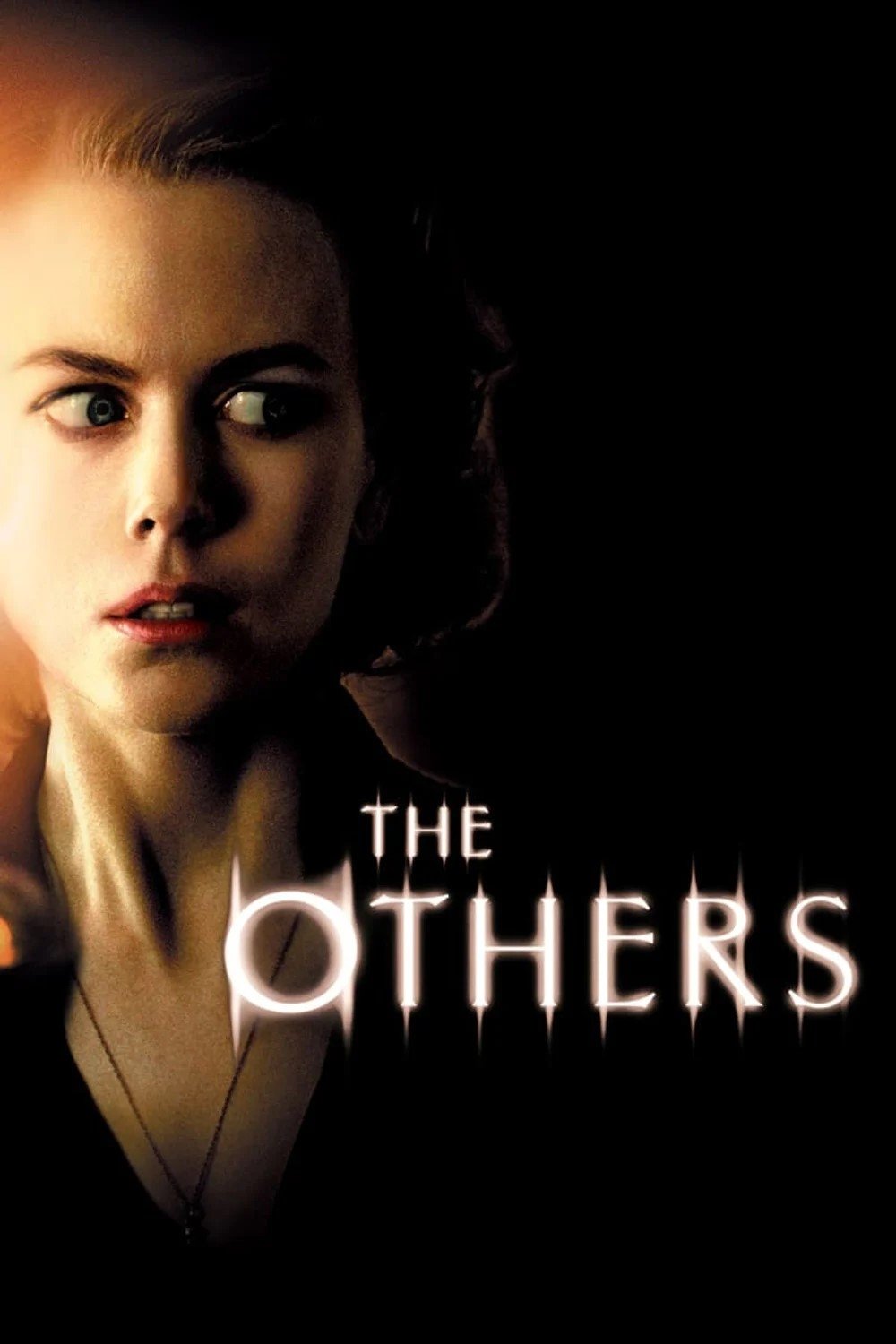
The Others: The Phantom of the Victorian Opera in Light Gore (Or How Amenábar Sold Us Canned Fear with Class)
⚡Del mismo director (Alejandro Amenábar): analiza la evolución o degradación de su estilo.
Alejandro Amenábar turns a gothic manor into a labyrinth of curtains and whispers. Nicole Kidman shines, but the script reeks of mothballs. A scalpel-sharp critique.
 🔥 Fusión Nuclear8.0
The End of Oak Street: David Robert Mitchell Reinvents Cosmic Horror Without Losing Its Human Core
⚡Afinidad temática directa en atmósfera, estilo y fijaciones visuales.
Anne Hathaway and Ewan McGregor lead this claustrophobic descent where the unknown isn’t a monster—it’s reality itself unraveling at the seams. Mitchell proves once again that the most terrifying horror is the kind that festers in the intimate.
 🔥 Fusión Nuclear9.0
The Odyssey: Nolan’s Epic Ego Trip
⚡Afinidad temática directa en atmósfera, estilo y fijaciones visuales.
Christopher Nolan’s *The Odyssey*: A cinematic masterpiece—or a bloated vanity project drowning in its own pretensions?
Editorial Ecosystem
Cinephile connections, archive interviews and related analyses.
🎞️ In Claqueta Cinematheque1
💬 Debate Cinéfilo & Autopsia de Lectores
0 veredictos¿Discrepas con nuestra nota? ¿Es una obra maestra o veneno puro? Deja tu veredicto abajo sin necesidad de registro.


Aún nadie ha dejado su veredicto para esta película.
Sé el primero en clavarle el colmillo rellenando el formulario de arriba.