Disclosure Day — Spielberg’s Cardboard Apocalypse and the Alien Invasion Fairground Ride
Spielberg peddles yet another alien invasion—this time with carnival-grade effects and dialogue straight out of a self-help manual. The truth stings worse than those bargain-bin UFOs.

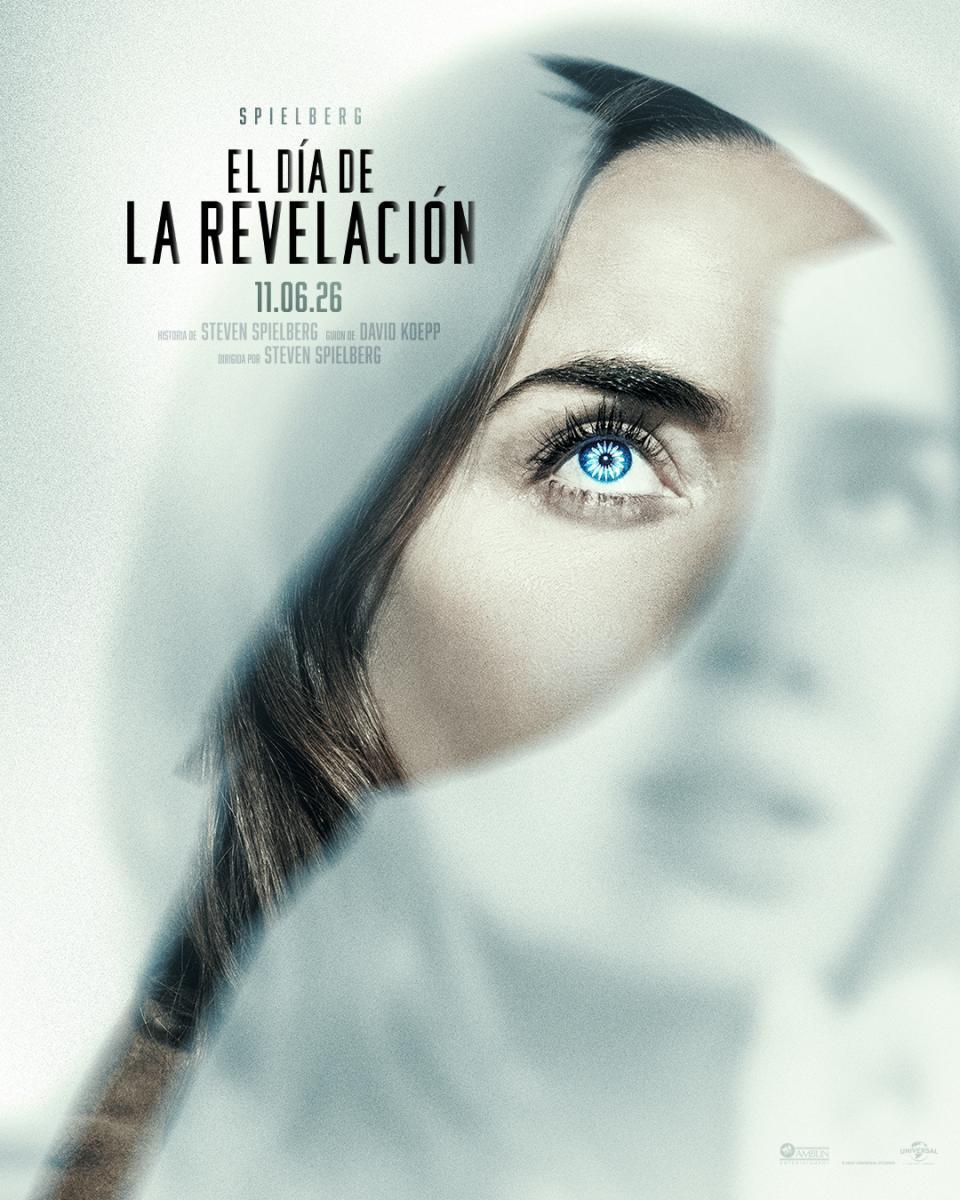

Celluloid groans under the weight of expectation like an ancient projector about to burst into flames. Steven Spielberg, that once-titan of the industry who gifted us nightmares of gargantuan sharks and dreams of kids on flying bicycles, returns with Disclosure Day—a title that reeks more of televangelist sermons than the grand sci-fi opus we were promised. Has the maestro forgotten that his finest cinema emerged from darkness, primal fear, and humanity at its most vulnerable? Because what we’re served here reeks of studio product, of Armani-clad executives deciding how to flog cosmic truth like the latest iPhone. Universal Pictures and Amblin Entertainment haven’t bankrolled a free-spirited film; they’ve birthed a $115 million corporate blockbuster, meticulously engineered by a focus group obsessed with mass-market appeal. Welcome to the day the truth is revealed: Spielberg has taken the safe route, and what remains is a spectacle as hollow as a Star Wars stormtrooper’s stare.
This isn’t the first time the director has flirted with commercial formulas in his later years. Recall Ready Player One, that orgy of pop-culture nostalgia where Spielberg drowned in fan service. But Disclosure Day goes further: there isn’t even the crutch of ‘80s nostalgia here. Just a script by David Koepp—Spielberg’s trusted scribe, responsible for everything from Jurassic Park to War of the Worlds—who seems to have confused depth with geopolitical clichés straight out of a bargain-bin manual. «If you discovered we’re not alone, would you be scared?» the marketing teased. The problem? Koepp and Spielberg’s moral dilemmas have less bite than an influencer hawking collagen on Instagram. The real revelation isn’t that aliens exist—it’s that Hollywood has turned humanity’s greatest milestone into a decaf institutional thriller.
The issue isn’t that Spielberg is nearing 80—the industry needs elder statesmen—but that he seems to have forgotten the atmosphere that made him legendary. In Close Encounters of the Third Kind, UFOs were mysterious, almost mystical. In E.T., the alien was a metaphor for innocence. But in Disclosure Day, mystery is reduced to a data leak. There’s no raw terror, no genuine awe. Just Janusz Kamiński, Spielberg’s go-to cinematographer since Schindler’s List, lighting every frame with his signature overexposed beams—except here, they resemble a luxury car commercial. The lighting is flawless, the framing impeccable, but it all reeks of product. Where’s the Spielberg who filmed horror with a trembling, visceral camera? Here, the crane and cutting-edge tech rule, as if cinema has become a video game for bored executives.
Then there’s the cast—a roster of elite actors doomed to stretch a drama that’s far too tepid. Emily Blunt (Margaret), an actress capable of conveying more with a silence than most can with a monologue, is trapped in an emotional rollercoaster chasing easy tears and misplaced comic relief. Josh O’Connor, playing cybersecurity whistleblower Daniel, wanders the screen with a mix of confusion and indifference, as if ordering a latte at Starbucks mid-global collapse. Colin Firth lends his trademark British elegance to the halls of power with the conviction of a Zara mannequin in an Armani suit. Even the charismatic Colman Domingo is diluted in the plot’s org chart. Only Wyatt Russell, with his cynical military gaze, seems to grasp that this needed a grittier, rowdier edge. His presence is an oasis of dynamism in this sea of political correctness.
The Direction: Spielberg on Autopilot Steven Spielberg directs Disclosure Day as if fulfilling a flawless but bureaucratic assignment. There’s no risk, no innovation, no spark of danger that once made his blockbusters feel electric. Here, the maestro sticks to the playbook: signature long takes (including a train sequence that’s either homage or self-plagiarism of The Fabelmans), dramatic close-ups to force audience empathy, and a pace that oscillates between boardroom thriller and saccharine family drama. The problem isn’t that Spielberg has lost his technical mastery—it’s that he’s tamed it. Every sequence is calibrated for IMAX impact, but the story drowns in its own well-intentioned sentimentality. This is big-studio fast food: dazzling in the theater, but leaving you with existential emptiness by the exit.
The editing, by Sarah Broshar, is polished but lacks the pulse of Spielberg’s greatest works. Transitions between dense corporate dialogue scenes and tension peaks feel disjointed, as if two different films are being hammered together-la-cueva-de-los-espejos-rotos" class="text-amber-400 font-black hover:text-amber-300 transition underline decoration-amber-500/40 hover:decoration-amber-300" title="[6.5/10 ⚡ Ácido Cítrico] Lee nuestra autopsia de «Together»" data-acid-interlink="together-la-cueva-de-los-espejos-rotos">together. The dialogue, meanwhile, spoon-feeds the plot like a parent explaining algebra. «The truth belongs to seven billion people,» they intone like a slogan. And then there’s John Williams’ score. Defenders will call it classic and evocative, but to discerning ears, it sounds like an elevator-music compilation of his own Jurassic Park and Minority Report motifs. It’s as if Williams composed on autopilot, delivering a technically sound but creatively lazy effort—no iconic themes in sight.
The Cast: A-List Talent Wasted on a Sentimental Script If there’s anything worse than a flat script, it’s a flat script propped up by first-rate actors. Emily Blunt, one of her generation’s most magnetic performers, struggles to lend dignity to a Margaret the screenplay constantly shoves toward Spielbergian melodrama. Her chemistry with Josh O’Connor’s Daniel is inconsistent; the British actor seems corseted in the role of the accidental cybersecurity hero, moving through WARDEX’s sterile corridors with the enthusiasm of someone attending a marketing conference. Colin Firth strolls through government chambers with the stiffness of an El Corte Inglés mannequin in a Hugo Boss suit, while Colman Domingo fails to carve out moments of real dramatic tension.
But the real crime is the alarming lack of genuine danger. In a film that should be a gripping, unsettling thriller about humanity’s greatest conspiracy, the characters interact with all the edge of a corporate team-building exercise. There’s no real sense of threat. Instead, the subplot involving young Eve Hewson clutters the pacing, transforming what could’ve been a sci-fi masterpiece into a family drama about trust and forgiveness—with spaceships as window dressing.
The Technical Aspects: Textbook VFX and Overexposed Cinematography If there’s one thing Spielberg has always nailed, it’s mise-en-scène and the physicality of his films. But in Disclosure Day, Janusz Kamiński’s signature cinematography crosses into self-parody. The overuse of diffused filters and blown-out window light makes labs and crisis rooms look like a luxury real estate catalog. Everything’s too pristine. The tech and alien sightings rely so heavily on CGI that they become painfully generic: sterile geometric shapes and digital glows devoid of the tactile, eerie texture that made Close Encounters’ ships so haunting.
Rick Carter’s production design follows the same sterile digital trend. Government facilities and WARDEX’s offices resemble Google’s Silicon Valley campuses—open, cold, and danger-free. There’s none of the oppressive or organic atmosphere the genre demands. The overuse of green screens and virtual environments strips the actors of physical weight, wrapping the film in a plastic sheen. Even the sound design, which should play with cosmic silence and awe, opts for contemporary trends: deep bass rumbles and deafening impacts designed to startle through vibration, not atmosphere.
The Best - Emily Blunt and Josh O’Connor’s solidity: Despite the script’s demands for excessive sentimentality, their acting chops rescue several scenes from outright ridicule through sheer charisma. - The train sequence: A classic tension set-piece, impeccably shot by Spielberg, proving that—when he wants to—the old master still knows how to move a camera for pure cinematic motion. - The flawless technical craft: Though criticized for its lack of soul, the visual spectacle and production polish are undeniable eye candy for IMAX screens.
The Worst - David Koepp’s screenplay: Swaps the terror and real suspense of first contact for a data-leak thriller and boardroom drivel, diluting the genre’s mysticism into self-help moralizing. - The soft, sentimental tone: Spielberg abandons crudeness and mystery for family drama and easy tears, neutering the alien cover-up’s danger. - The generic digital design: Both the tech and extraterrestrial elements overuse polished CGI, losing the analog magic and visual identity of Amblin classics. - Sarah Broshar’s editing: A cut that clips the wings of atmospheric sequences to rush toward commercial action or expository melodrama. - John Williams’ score: Academically correct but creatively lazy, recycling suspense textures from his earlier works without a single iconic theme.
The Verdict of Claqueta Ácida Disclosure Day isn’t a great sci-fi film—it’s a symptom. A symptom that even cinema’s greatest legends can get trapped in the modern blockbuster machine, where flawless execution matters more than risk, and chewed-up platitudes replace genuine awe. Spielberg, the genius who once made us gaze at the sky with bated breath, now offers a resolution so polished, sterile, and predictable it might as well be sponsored by a Silicon Valley tech giant. The truth hurts, but seeing the master of cinema reduced to a formulaic studio craftsman hurts even more. If this is the level of the great revelation, we’re almost better off in the dark. 💀
🎬 Tráiler Oficial
Abrir en YouTube
Ending Explained: Disclosure Day
Ficha de Daños Colaterales en Sala
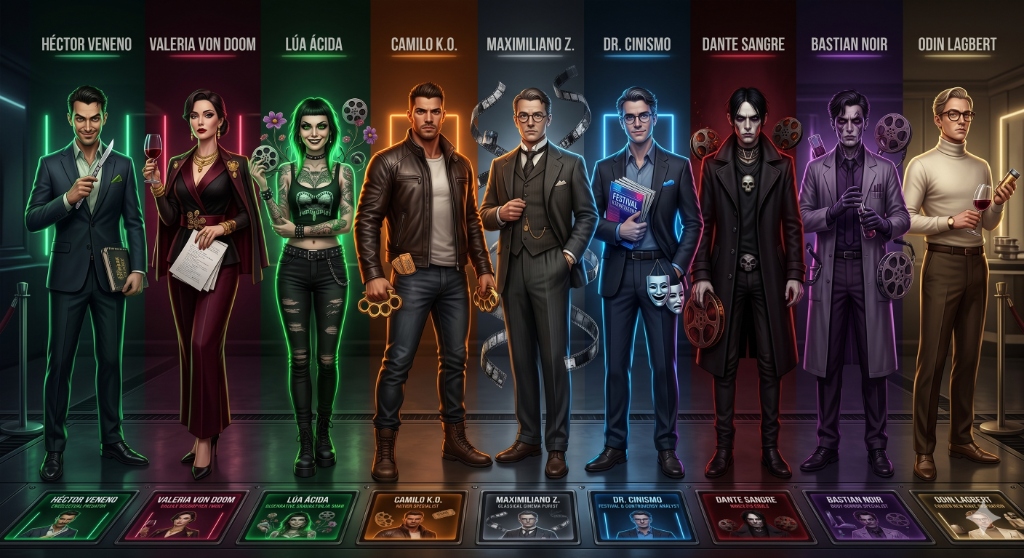
Certificado de impacto psicofísico emitido por Camilo K.O.
2 amagos en el tramo intermedio; pestañeo pesado en las transiciones más innecesarias.
Minuto 36 y minuto 77 (comprobando cuánto quedaba de suplicio).
1 espresso para no dejarse vencer por la mediocridad cómoda.
"A mitad del segundo acto cuando la subtrama secundaria empezó a pesar más de lo que aportaba."
💬 El Veredicto de la Comunidad
¿Qué te ha parecido la película? Deja tu nota de 0 a 10 para contrastarla con el análisis de la redacción.
Aún no has votado
📢 ¿Te ha gustado el ácido?
Comparte esta crítica con tus amigos cinéfilos o desata la polémica en redes.
⚡ THE CINEMATIC VENOM YOUR INBOX CRAVES
No sugarcoated ratings, no corporate fluff. Subscribe for our uncensored weekly analysis or join the private Telegram for press previews, poll clashes, and instant alerts.
Alertas de estrenos en 1 segundo, encuestas en caliente y audios al salir de pases de prensa.
Recibe la dosis semanal en tu mail + regalo inmediato del PDF con 50 joyas ocultas de culto.
Related Reviews
Recommended autopsies for demanding film buffs.
 🔥 Fusión Nuclear8.5
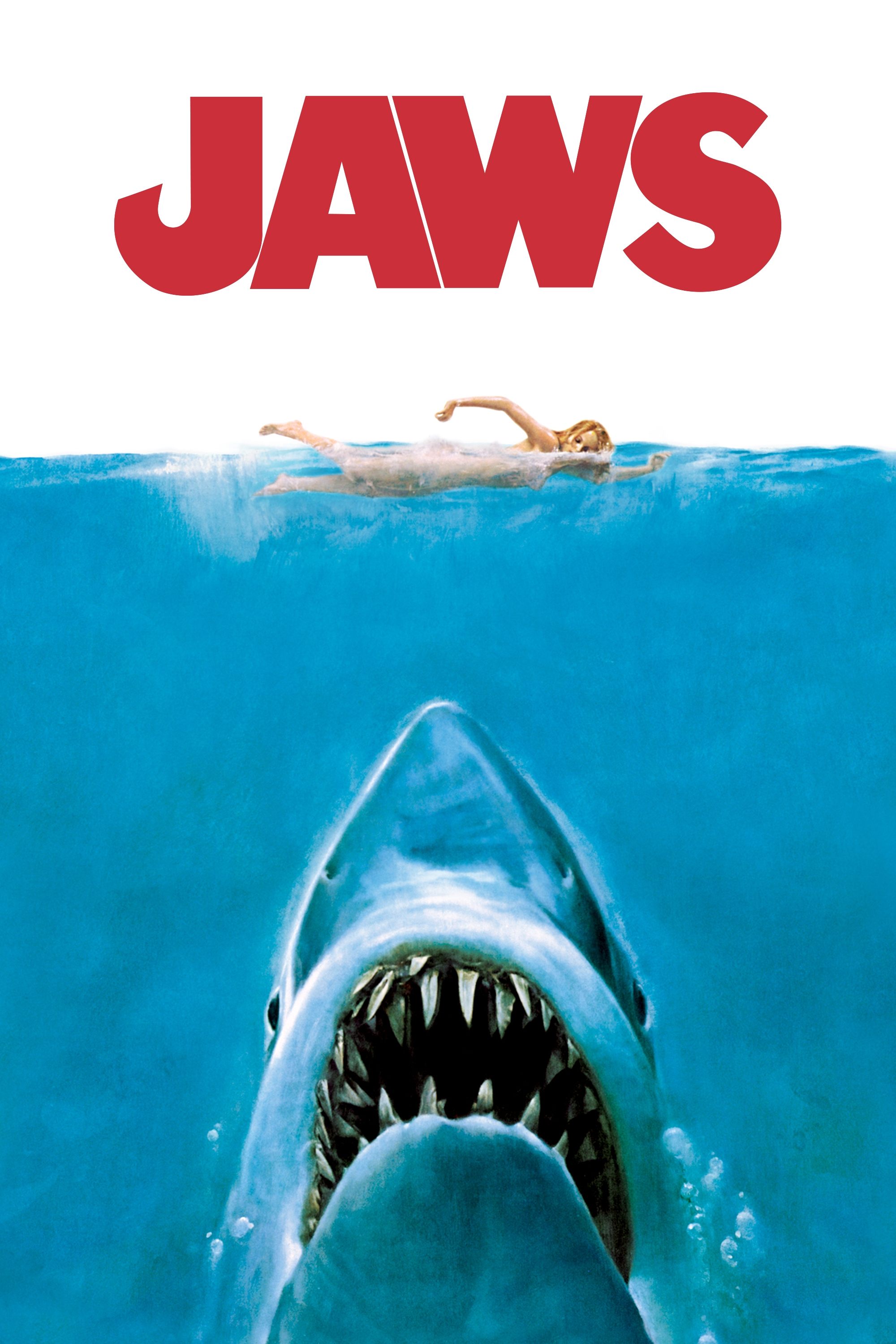
**"Jaws: The Film That Taught Us to Fear the Ocean (And Capitalism)"**
⚡Del mismo director (Steven Spielberg): analiza la evolución o degradación de su estilo.
A scathing, sarcastic deep-dive into *Jaws* (1975), Steven Spielberg’s masterclass in turning a malfunctioning shark puppet into the most terrifying villain in cinema history.
 ⚡ Ácido Cítrico7.5
A Ghost Story: A Journey Through Time and Memory
⚡Afinidad temática directa en atmósfera, estilo y fijaciones visuales.
The Claqueta Ácida review of A Ghost Story, a film that explores existence and human connection.
 ⚡ Ácido Cítrico7.2
Acid in the Veins: Fede Álvarez Revives the Tactile Panic of Alien
⚡Afinidad temática directa en atmósfera, estilo y fijaciones visuales.
Industrial claustrophobia and pure physical terror. A merciless critique of Ian Holm's CGI and the cheap nostalgia that stains the franchise's return.
Editorial Ecosystem
Cinephile connections, archive interviews and related analyses.
🎞️ In Claqueta Cinematheque1
💬 Debate Cinéfilo & Autopsia de Lectores
0 veredictos¿Discrepas con nuestra nota? ¿Es una obra maestra o veneno puro? Deja tu veredicto abajo sin necesidad de registro.

Aún nadie ha dejado su veredicto para esta película.
Sé el primero en clavarle el colmillo rellenando el formulario de arriba.