Frontière(s) — The New French Extremism Goes on a Picnic to the Slaughterhouse
Xavier Gens delivers one of the most brutal, filthy, and visceral films in contemporary European cinema, blending social unrest with rural cannibalism.

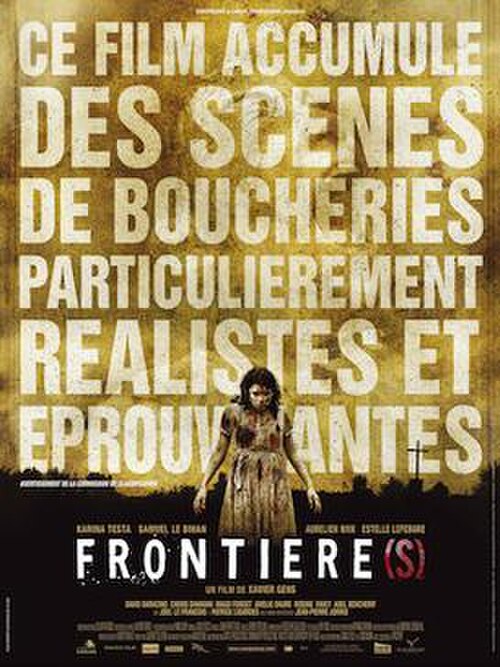

Here at the esteemed offices of Claqueta Ácida, we’ve seen all kinds of disasters—unwatchable commercial flops, pretentious auteur projects that drown in their own self-satisfaction. But what unfolded in the French cinematic landscape in 2007 with the definitive rise of the New French Extremism was nothing short of a blessing, drenched in bodily fluids, guts, and a spite so potent it hasn’t been replicated on the continent since.
While Hollywood at the time was drowning in a sea of sterile J-horror remakes, watered down to a PG-13 rating for mall-going teens, a handful of French directors decided to tear up the rulebook of decency. In this ecosystem of pure provocation, Xavier Gens threw caution to the wind and birthed Frontière(s), a biblical-scale bloodbath that doesn’t ask for forgiveness. It’s a film that grabs the viewer by the lapels from the very first frame and grinds their face into the mud of a France fractured, paranoid, and on the brink of total social collapse.
The premise couldn’t be more of its time, reflecting the real sociopolitical tensions shaking the country in those years—particularly in the wake of the 2005 Paris banlieue riots. The story kicks off amid brutal street clashes in Paris following a hotly contested presidential election that has handed power to the far right. Seizing the chaos, a group of young delinquents from the multicultural suburbs botches an armed robbery, leaving them with a bleeding accomplice in the backseat and the cops hot on their heels.
Desperate to flee to the Belgian border, they seek a cheap, discreet hideout—only to make the worst logistical and existential mistake of their lives: checking into a remote rural hostel. The place is run by a family of neo-Nazi degenerates obsessed with Aryan purity, intensive pig farming, and culinary cannibalism. What begins as a political flight for survival spirals into a descent into a nightmare slaughterhouse where human flesh is the daily special.
finalExplicado: "En el clímax, los supervivientes descubren que la familia de caníbales neonazis del hotel es un clan degenerado y endogámico que adora a un Hitler anciano y moribundo, al que alimentan con carne humana. Tras una orgía de torturas, violaciones y masacres, la protagonista embarazada es la única que logra escapar del matadero mientras el edificio arde. Simbólicamente, el desenlace significa el fracaso absoluto de la Francia contemporánea: la barbarie rural fascista no es un residuo del pasado, sino el monstruo que el caos urbano (los disturbios) ha parido y alimentado. El feto que sobrevive no es esperanza, sino la semilla de un nuevo ciclo de violencia extrema."
A Political Butchery with a Bad Attitude Overdose
Xavier Gens isn’t a director who bothers with academic subtleties or veiled metaphors for A-list festivals. The first act is a hyperactive whirlwind of shaky cam, distorted angles, and a music-video-style montage that borrows the worst of early-2000s French action cinema, straight out of Luc Besson’s playbook. It’s a loud, chaotic, and slightly nauseating introduction. But the moment the fugitives cross the threshold of the horror hostel, the film shifts gears entirely. The urban pyrotechnics fade, and it becomes a hyperviolent love letter to The Texas Chain Saw Massacre, spiked with the nihilistic edge of contemporary European cinema.The cinematography by Laurent Barès deserves special mention in this depravity feast. Barès ditches the urban neon and blue-tinged riot lights for a suffocating palette of rusty browns, industrial grays, and a hemoglobin red so thick you can almost smell the rust, grime, and stale sweat through the screen. The lighting in the farm’s basements and hallways creates an unbearable claustrophobia, trapping the viewer in the same nightmare labyrinth as the protagonists.
What truly makes Frontière(s) endure is its brutal honesty and complete lack of cynicism. Gens isn’t afraid to cross any moral or visual line. There’s no room for comic relief or off-screen violence here. The atrocity menu includes scalding steam showers that flay victims alive, meat hooks piercing Achilles tendons with agonizing physicality, macabre jars of formaldehyde-preserved deformed babies, and a harrowing sequence in a pit of mud and human bones that induces genuine physical dread.
This isn’t gore as a festive, beer-fueled crowd-pleaser for genre festivals—it’s systematic, sweaty, uncomfortable torture. It’s an unflinching assault aimed squarely at the bourgeois sensibilities that clutch their pearls when faced with such films in French theaters.
The best
- Karina Testa’s Arc: The brutal transformation of Karina Testa: Her character arc is flawless. She evolves from a terrified suburban victim into a final girl for the ages—caked in blood and mud—channeling all the fury and pain of society’s outcasts in her final moments. Her catharsis is the emotional engine of the film’s last half-hour.
- The Hostel’s Atmosphere: The hostel’s unsanitary, immersive atmosphere: Rarely has rural decay been depicted with such visceral disgust and production design detail. The farm becomes a living, breathing character, oozing rot, disease, and death.
- The Family Dinner Scene: The iconic family dinner scene: A masterclass in psychological tension, utterly deranged and absurd. It’s brilliantly anchored by a chilling neo-Nazi patriarch (played with terrifying restraint by Jean-Pierre Jorris), whose table manners contrast horrifyingly with the atrocities unfolding around him.
The worst
- First Act Editing: The chaotic editing of the first act: That early-2000s MTV aesthetic—rapid half-second cuts, unjustified zooms—might give you a headache before the film truly hits its stride in pure horror.
- Sociopolitical Messaging: An overly blunt sociopolitical message: While Gens’ intention to depict the fear of fascism rising in Europe is commendable, the metaphor about institutional racism and the French far right gets lost in the sea of dismemberment, desperate screams, and chainsaw chases. Sometimes, the gore’s broad strokes smother the political subtext.
The Verdict of Claqueta Ácida
Fifteen years on, Frontière(s) remains one of the undisputed, unrepeatable peaks of 21st-century European cinematic brutality. It stands shoulder to shoulder with titans of the era like Pascal Laugier’s Martyrs or Bustillo and Maury’s Inside. Xavier Gens proved with this savage stylistic exercise that to confront the real fear of fascism and xenophobia in the West, you don’t need snobby intellectual speeches, moralistic political pamphlets, or white-glove TV debates.
Sometimes, to churn the viewer’s guts and make them reflect on the monsters our society breeds, all you need is to lock your protagonists in a Nazi-run pig farm run by inbred cannibals and let the power tools do the dirty work. A visceral, bloody, and relentless masterpiece that cements its place in our pantheon of "cinematic green dogs." We guarantee that after watching it, you’ll never trust a suspiciously cheap rural hostel listing online again. Consider yourselves warned. 💀
🎬 Tráiler Oficial
Abrir en YouTube
Ending Explained: Frontière(s)
Ficha de Daños Colaterales en Sala
Certificado de impacto psicofísico emitido por Dante Sangre
Cero. La pantalla absorbió cada segundo de atención disponible.
Ninguna comprobación del tiempo. Se agradece la rareza.
Ninguna: la adrenalina cinematográfica es suficiente.
"No hubo. La coherencia se mantuvo hasta el último fotograma."
💬 El Veredicto de la Comunidad
¿Qué te ha parecido la película? Deja tu nota de 0 a 10 para contrastarla con el análisis de la redacción.
Aún no has votado
📢 ¿Te ha gustado el ácido?
Comparte esta crítica con tus amigos cinéfilos o desata la polémica en redes.
⚡ THE CINEMATIC VENOM YOUR INBOX CRAVES
No sugarcoated ratings, no corporate fluff. Subscribe for our uncensored weekly analysis or join the private Telegram for press previews, poll clashes, and instant alerts.
Alertas de estrenos en 1 segundo, encuestas en caliente y audios al salir de pases de prensa.
Recibe la dosis semanal en tu mail + regalo inmediato del PDF con 50 joyas ocultas de culto.
Related Reviews
Recommended autopsies for demanding film buffs.
 ⚡ Ácido Cítrico7.5
*The Divide: A Luxury Cruise Straight to the Sewer of the Human Soul*
⚡Del mismo director (Xavier Gens): analiza la evolución o degradación de su estilo.
Xavier Gens locks us in a post-apocalyptic bunker to deliver a suffocating, toxic, and painfully nihilistic psychological study.
 🔥 Fusión Nuclear8.5
*Alleluia: Love as a Terminal Illness (or How to Turn Crimes of Passion into a Sweaty, Fleshy Spectacle)*
⚡Afinidad temática directa en atmósfera, estilo y fijaciones visuales.
Fabrice Du Welz reimagines the myth of the lonely hearts killers in a feverish whirlwind of jealousy, submission, and blood, led by Lola Dueñas in a performance that’s equal parts hypnotic and harrowing.
 🔥 Fusión Nuclear8.5
*High Tension (Haute Tension): The Brutal Birth of the New French Extremism – Or How to Turn Flesh into Poetry with a Machete*
⚡Afinidad temática directa en atmósfera, estilo y fijaciones visuales.
Alexandre Aja shocked global screens with a relentless rural bloodbath, redefined by breakneck pacing and a divisive twist that splits serious cinephiles right down the middle.
Editorial Ecosystem
Cinephile connections, archive interviews and related analyses.
🎞️ In Claqueta Cinematheque2
💬 Debate Cinéfilo & Autopsia de Lectores
0 veredictos¿Discrepas con nuestra nota? ¿Es una obra maestra o veneno puro? Deja tu veredicto abajo sin necesidad de registro.


Aún nadie ha dejado su veredicto para esta película.
Sé el primero en clavarle el colmillo rellenando el formulario de arriba.