"The Coffee Table — The Ultimate Domestic Horror—Bought on Installment Plan"
Caye Casas delivers one of the most uncomfortable, cruel, and unbearable black comedies in the history of Spanish cinema—all thanks to a bad decorating decision.

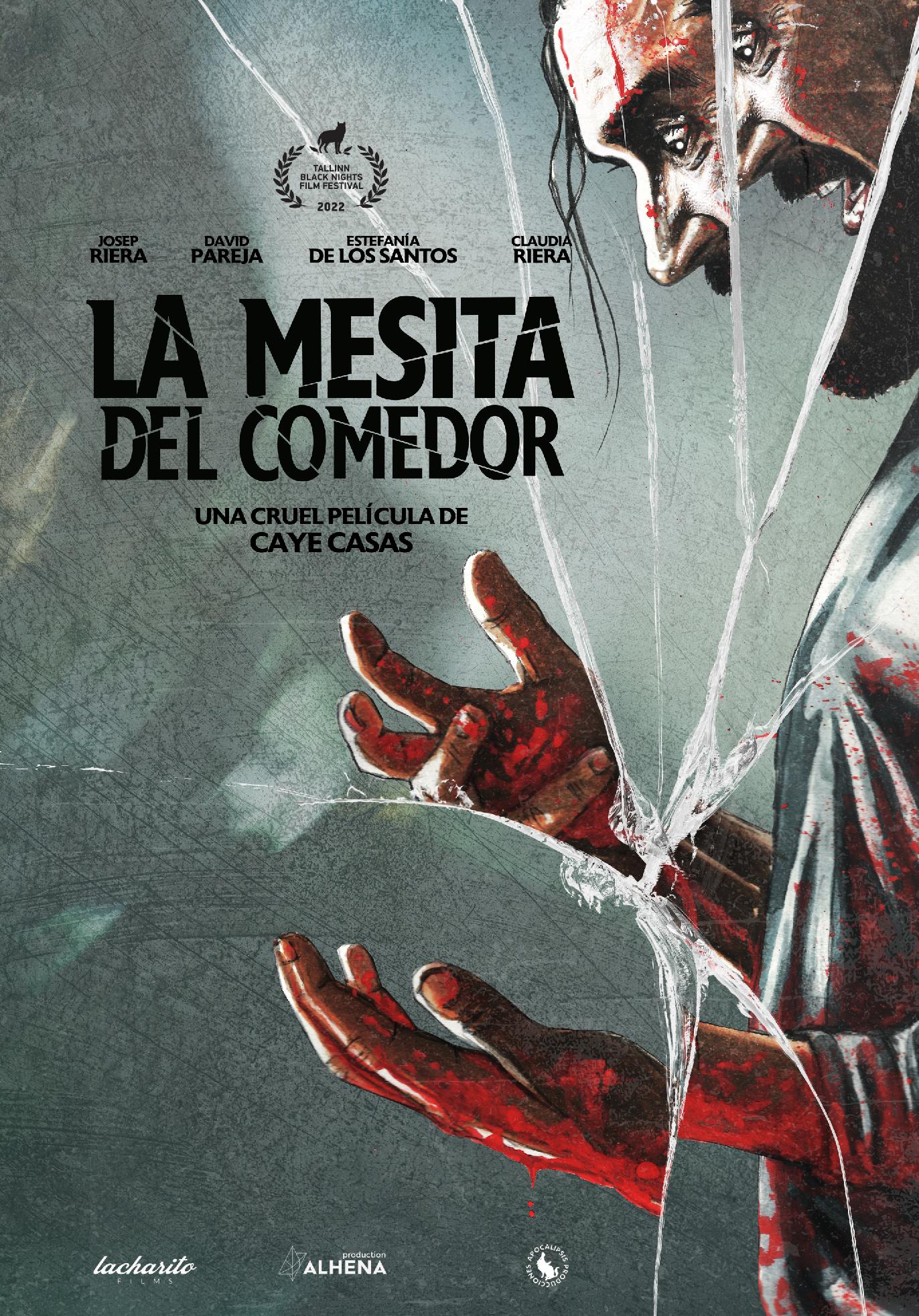


Stephen King called it "the most terrifying film I’ve ever seen" on social media. And the master of Maine isn’t exaggerating one bit. The Coffee Table (2022), written by Caye Casas and Cristina Borobia and directed solo by Casas on an ultra-low-budget tightrope, is the definitive domestic nightmare. A kamikaze work that crosses the blackest of black comedies to plunge, without anesthesia or mercy, into a realm of psychological horror so raw, macabre, and unsettling that it’s almost physically painful to endure. What begins as an extended sketch of Iberian cynicism ends up as one of the most devastating, suffocating, and shattering cinematic experiences in recent genre filmmaking worldwide.
The premise kicks off with a mundane detail any couple will recognize instantly: Jesús (a David Pareja in a tragic state of grace) and María (Estefanía de los Santos) are a pair drowning in a midlife crisis, their first child arriving after years of trying. Far from bringing them together-la-cueva-de-los-espejos-rotos" class="text-amber-400 font-black hover:text-amber-300 transition underline decoration-amber-500/40 hover:decoration-amber-300" title="[6.5/10 ⚡ Ácido Cítrico] Lee nuestra autopsia de «Together»" data-acid-interlink="together-la-cueva-de-los-espejos-rotos">together, the baby has blown up what little communication they had left, amplifying their insecurities. To reclaim his crumbling masculinity, assert his dominance, and defend his right to make decisions in the home against a strong-willed wife, Jesús becomes obsessed with buying a hideous coffee table—a kitsch monstrosity of tempered glass, gold trim, and cherub figurines that the over-the-top salesman (the brilliant Eduardo Antuña, nailing a brief but unforgettable role) pitches as "the winner’s furniture." What Jesús doesn’t realize is that his hubris, his rush to prove his independence, and his sheer incompetence at assembling it—leaving out one tiny, insignificant screw—will trigger the most horrific, taboo, and unimaginable accident in contemporary cinema.
A masterclass in static tension, blind panic, and guilt.
The Coffee Table excels at crafting an unbearable suspense with minimal resources. Twenty minutes in, the tragic, brutal event occurs—an elliptical stroke of genius where the audience sees nothing on screen but hears, with terrifying clarity, what’s happening. From that moment, the film transforms into a ticking time bomb with a very short fuse. Jesús, trapped in psychological shock, paralyzing fear, and the crushing certainty that his life is over, is forced to hide the accident from his wife, his brother, and a teenage neighbor during a planned family dinner. His goal isn’t to escape justice—it’s something far more primal, tragic, and human: delaying, for just a few hours, the inevitable collapse of his world.
The tension simmers in a single, suffocating location: a cramped, depressing middle-class apartment in the outskirts of Terrassa, decorated with gritty realism that feels like a punch to the gut. Casas locks the audience in this claustrophobic setting and subjects them to a torture of mundane dialogue about diapers, future plans, microwave meals, and ordinary marital squabbles—all brutally contrasted with the colossal tragedy Jesús is hiding mere feet away in the same living room.
David Pareja delivers a historic dramatic performance that should cement his place in Spanish horror history: his sweaty, disintegrating face, his barely concealed panic spasms, his ragged breathing, and his lost, hollow gaze sustain an unrelenting 80-minute agony. He makes the audience feel every ounce of his desperation, keeping them glued to their seats, stomachs in knots, hearts in throats, desperate for the film to end just so they can breathe—yet dreading the moment the truth comes out.
The best
- Fearless audacity: Caye Casas’ sheer nerve in tackling such a deeply taboo, delicate, and destructive subject with such narrative control, courage, and intellectual honesty—proving you can horrify an audience without resorting to cheap sensationalism, exploitative gore, or visual shock. The real gore here is purely emotional.
- Suspense mastery: The suspense and cinematic pacing are flawless. The film is a masterclass in stretching dramatic tension to almost unbearable limits. The audience isn’t just passive—they suffer, sweat, and squirm alongside the protagonist, knowing the inevitable ending will obliterate these characters forever.
- Powerhouse performances: The cast’s acting is phenomenal. While David Pareja carries the heaviest load, Estefanía de los Santos gives her character a humanity that makes the tragedy twice as painful. Josep Riera and Claudia Riera, as the dinner guests, provide the normalcy that cranks the tension to infinity.
The worst
- Unpleasant experience: It’s an extremely unpleasant and cruel watch. The level of existential cruelty, nihilism, and sheer discomfort may trigger an instinctive, visceral rejection from viewers looking for light entertainment or jump-scare horror. This isn’t a film for every stomach or every mood.
- Not for new parents: Absolutely not for recent parents. Given the central conflict’s nature and the brutality of the situation, anyone who’s just had a baby or has young children might find this film traumatic and unbearable.
- Humble production values: The visual polish is modest due to budget constraints. The production’s financial limitations are evident in some technical aspects, like the flat indoor lighting or minor audio post-production and editing hiccups. But these flaws are completely overshadowed—and forgiven—by the script’s raw power and the performances’ sheer intensity.
The Verdict of Claqueta Ácida
The Coffee Table is an absolute low-budget miracle, a glorious anomaly in modern cinema, and without a doubt one of the bravest, most radical, and disturbing films Spanish cinema has produced in decades. Caye Casas takes everyday horror, strips away ghosts, psychopaths, demons, and supernatural monsters, and replaces them with something far more real and terrifying: a bad interior design decision mixed with a dash of male hubris and bad luck. A must-watch, mandatory viewing for our "oddball classics" section—this film will freeze your blood and make you shudder in pure terror the next time you consider buying furniture on installment or assembling a shelf without reading the instructions. Cinema in its purest, most painful, and unforgettable form. 💀🎬 Tráiler Oficial
Abrir en YouTube
Ending Explained: "The Coffee Table
Ficha de Daños Colaterales en Sala
Certificado de impacto psicofísico emitido por Odin Lagbert
Ni un solo parpadeo voluntario. El asiento, inusualmente cómodo.
Ni una sola mirada al móvil.
Ninguna. Esta obra no necesita muletas estimulantes.
"No aplica. La obra se sostiene sola."
💬 El Veredicto de la Comunidad
¿Qué te ha parecido la película? Deja tu nota de 0 a 10 para contrastarla con el análisis de la redacción.
Aún no has votado
📢 ¿Te ha gustado el ácido?
Comparte esta crítica con tus amigos cinéfilos o desata la polémica en redes.
⚡ THE CINEMATIC VENOM YOUR INBOX CRAVES
No sugarcoated ratings, no corporate fluff. Subscribe for our uncensored weekly analysis or join the private Telegram for press previews, poll clashes, and instant alerts.
Alertas de estrenos en 1 segundo, encuestas en caliente y audios al salir de pases de prensa.
Recibe la dosis semanal en tu mail + regalo inmediato del PDF con 50 joyas ocultas de culto.
Related Reviews
Recommended autopsies for demanding film buffs.
 🔥 Fusión Nuclear8.4
*Killing God: The Absurd Apocalypse of Family Misery*
⚡Del mismo director (Caye Casas): analiza la evolución o degradación de su estilo.
Caye Casas made her directorial debut alongside Albert Pintó in this hilarious, cruel, and pitch-black satirical farce where God is a dwarf vagrant forcing a dysfunctional family to choose the end of the world.
 🔥 Fusión Nuclear8.5
*Alleluia: Love as a Terminal Illness (or How to Turn Crimes of Passion into a Sweaty, Fleshy Spectacle)*
⚡Afinidad temática directa en atmósfera, estilo y fijaciones visuales.
Fabrice Du Welz reimagines the myth of the lonely hearts killers in a feverish whirlwind of jealousy, submission, and blood, led by Lola Dueñas in a performance that’s equal parts hypnotic and harrowing.
 🔥 Fusión Nuclear8.5
*High Tension (Haute Tension): The Brutal Birth of the New French Extremism – Or How to Turn Flesh into Poetry with a Machete*
⚡Afinidad temática directa en atmósfera, estilo y fijaciones visuales.
Alexandre Aja shocked global screens with a relentless rural bloodbath, redefined by breakneck pacing and a divisive twist that splits serious cinephiles right down the middle.
Editorial Ecosystem
Cinephile connections, archive interviews and related analyses.
🎞️ In Claqueta Cinematheque1
💬 Debate Cinéfilo & Autopsia de Lectores
0 veredictos¿Discrepas con nuestra nota? ¿Es una obra maestra o veneno puro? Deja tu veredicto abajo sin necesidad de registro.

Aún nadie ha dejado su veredicto para esta película.
Sé el primero en clavarle el colmillo rellenando el formulario de arriba.