
Shrew's Nest — A Maze of Shadows That’ll Claustrophobically Haunt You
A visceral, gothic dissection of the 2014 Spanish horror gem that traps you in its damp, nightmarish walls—whether you like it or not.


Shrew's Nest: full review


As an Amazon Associate, Claqueta Ácida earns from qualifying purchases.
I’ve just staggered out of the theater, and the mildew stench of Shrew’s Nest clings to me like a hungover ghost. This isn’t your usual cineplex aroma—no burnt popcorn or disinfectant here. No, this is the reek of a 1950s Madrid apartment, damp and claustrophobic, where someone’s decided to lock up their demons—and, oh yeah, us—for ninety minutes. Juanfer Andrés and co-writer Ángel Amorós don’t invite you to watch a movie; they kidnap you, shove you into a broken elevator, and leave you there, alone, with a woman who’s got more phobias than a psychiatric manual and a neighbor who reeks of trouble from three blocks away. Welcome to agoraphobia as an extreme sport.
Montse (Macarena Gómez) doesn’t leave her apartment. Not because she won’t, but because she can’t. Her agoraphobia isn’t some diva tantrum; it’s a prison of sweating walls and crumbling ceilings. Luis Fernández Pinedo’s camera wallows in every crack of the peeling wallpaper, every damp stain that looks like a map of her fears. The opening shot—a lateral tracking shot gliding down her hallway like a death row corridor—warns you right off the bat: there’s no escape here. And when the neighbor (Luis Tosar) shows up, a guy with more secrets than a spy in an Almodóvar flick, things get interesting. Or unsettling. Or downright unbearable, depending on how masochistic you are about psychological horror.
The film drinks from two very clear wells: the gothic Spanish horror of the ’70s (those La residencia shots that still give you nightmares) and the ’90s domestic thriller, the kind that turned Hitchcock into a meme before memes even existed. But Andrés doesn’t just copy—he douses the wound in salt, vinegar, and a splash of bleach. The script is a labyrinth of dialogue that swings between the poetic and the pathetic, as if Lorca and a Sálvame writer had teamed up after three bottles of wine. There are moments when Montse talks about her agoraphobia with a lucidity that’s downright terrifying, and others when she spouts lines like “fear is my lover” that make you wonder if the character—or the actress—just discovered avant-garde theater in an ’80s workshop. But watch out, because just when you think the film’s about to derail, a breathtaking long take arrives: Montse crawling across the floor like a wounded animal, the camera trailing her in a movement choreographed by the devil himself.
The cast is, overall, excellent, but Macarena Gómez walks away with the jackpot. She doesn’t just act—she leaves her skin on every scene like her life depends on it. There’s a moment when Montse looks in the mirror and sees herself as an old woman, and Gómez conveys so much terror in that single gesture you can almost smell the cold sweat. Luis Tosar, meanwhile, is in “tough guy with a dark past” mode, but he’s missing a few layers. It’s like someone told him, “Just play Luis Tosar,” and he replied, “Sure, but what tone?” The supporting cast, like Montse’s sister (played by a competent Nadia de Santiago), are functional but forgettable. They’re like IKEA furniture: they serve their purpose, but they don’t move you.
Luis Fernández Pinedo’s cinematography is, quite simply, a masterpiece. Every frame looks like it was ripped from a Goya painting at his darkest: elongated shadows, lights that cut like knives, and a color palette that runs from baby-poop brown to bile green. The chiaroscuro isn’t just a technique—it’s another character. There’s a shot where Montse sits in a chair, lit by a floor lamp, her face split in two: half in light, half in shadow. It’s as if the DP wanted to remind us that we all carry a monster inside. The editing, by Juanfer Andrés and David Gallart, is nimble without being frantic, doling out suspense like a slow-acting poison. Joan Valent’s score, with those choirs that sound like nuns whispering in an asylum, completes an atmosphere that wraps around you like a wet blanket.
But Shrew’s Nest isn’t flawless. The script, though brilliant in stretches, veers into pretension in others. Some dialogues sound like monologues from a college play, and plot twists are telegraphed from a mile away. It’s like the writers wanted to make an intelligent film and overshot the mark. Plus, some side characters are so flat they might as well be cardboard cutouts. The upstairs neighbor, for instance, exists solely to drop an enigmatic line and vanish. He’s got less depth than a puddle. And then there’s the ending, which splits the audience between those who applaud its boldness and those left going, “Really?” I’m somewhere in the middle: it’s risky, sure, but also a bit of a cheat.
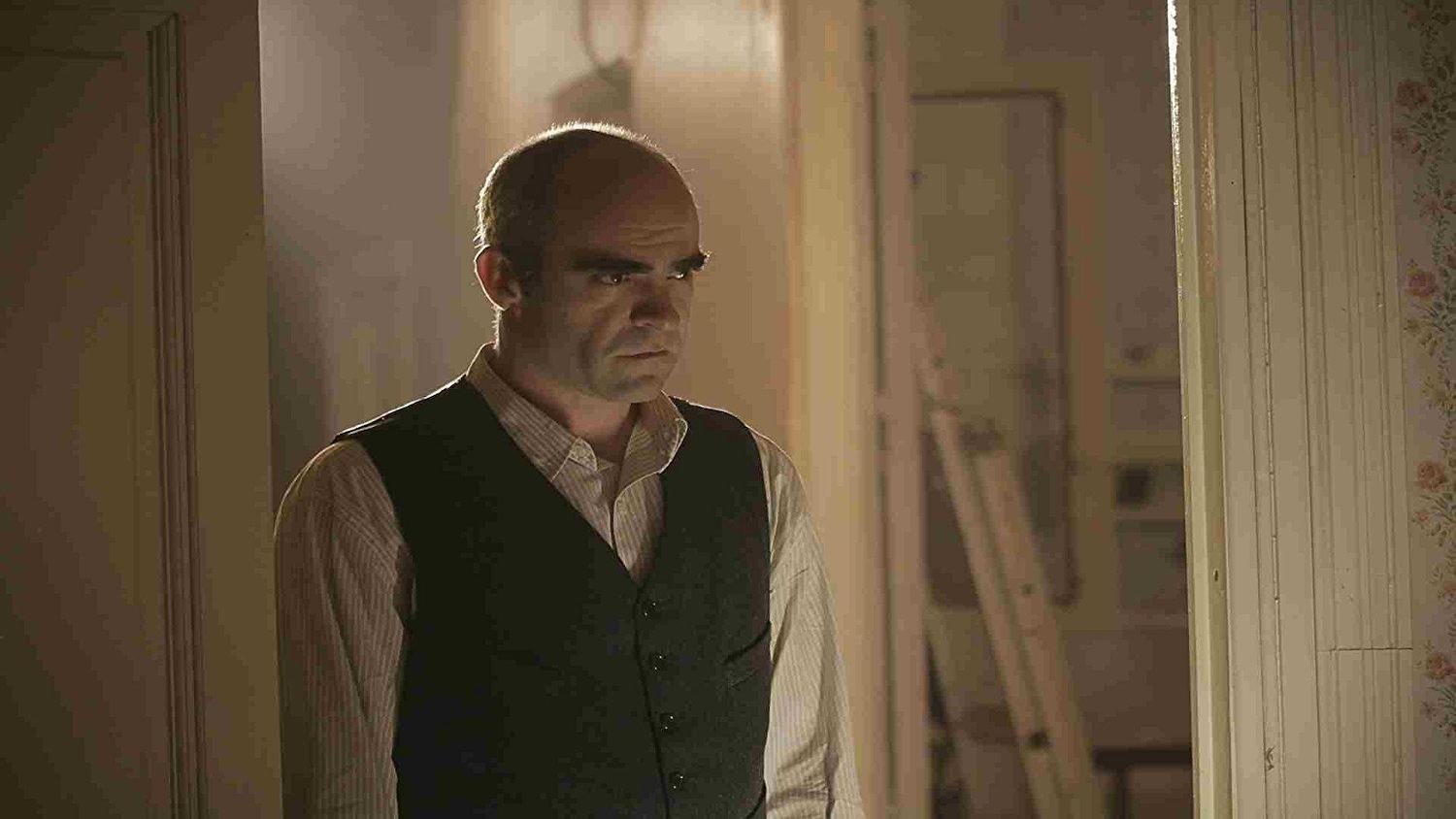
Direction and Mise-en-Scène: The Art of Suffocating the Audience
Juanfer Andrés doesn’t direct Shrew’s Nest—he strangles it. There isn’t a single shot that isn’t calculated to make you squirm, from the opening minutes where the camera prowls Montse’s apartment like an intruder to the finale, where the frame tightens so much you can almost feel her breath on your neck. This is horror for masochists, the kind that leaves you feeling like you’ve spent ninety minutes in a sauna fully clothed.
The use of space is masterful. Montse’s apartment isn’t a set—it’s a cage. Doors slam shut on their own, windows look like peepholes, and hallways stretch like a nightmare. There’s a moment when Montse tries to step onto the balcony, and the camera stays inside, watching her from afar, as if the apartment itself refuses to let her escape. It’s like the decor has a life of its own and is conspiring against her.
But where Andrés truly shines is in his direction of actors. Macarena Gómez doesn’t just act—she suffers, writhes, and tears herself apart on screen. There’s a scene where Montse has a panic attack, and Gómez plays it with a rawness that hurts. It’s not the typical horror-movie scream; it’s a guttural, almost animal sound that makes you want to cover your ears while also not missing a second. Luis Tosar, on the other hand, is more restrained, but his performance gains power in the silences. He’s the kind of actor who can convey more with a look than others can with a ten-page monologue.
The problem is that sometimes the direction tries too hard. There are moments where the symbolism is so heavy-handed it feels like a “How to Make Art-House Cinema for Dummies” manual. Take the scene where Montse smashes a mirror and cuts her hand—subtle it is not. It’s like Andrés wanted to remind us, “Yes, this is a movie with a message, and no, I don’t trust you to get it on your own.”
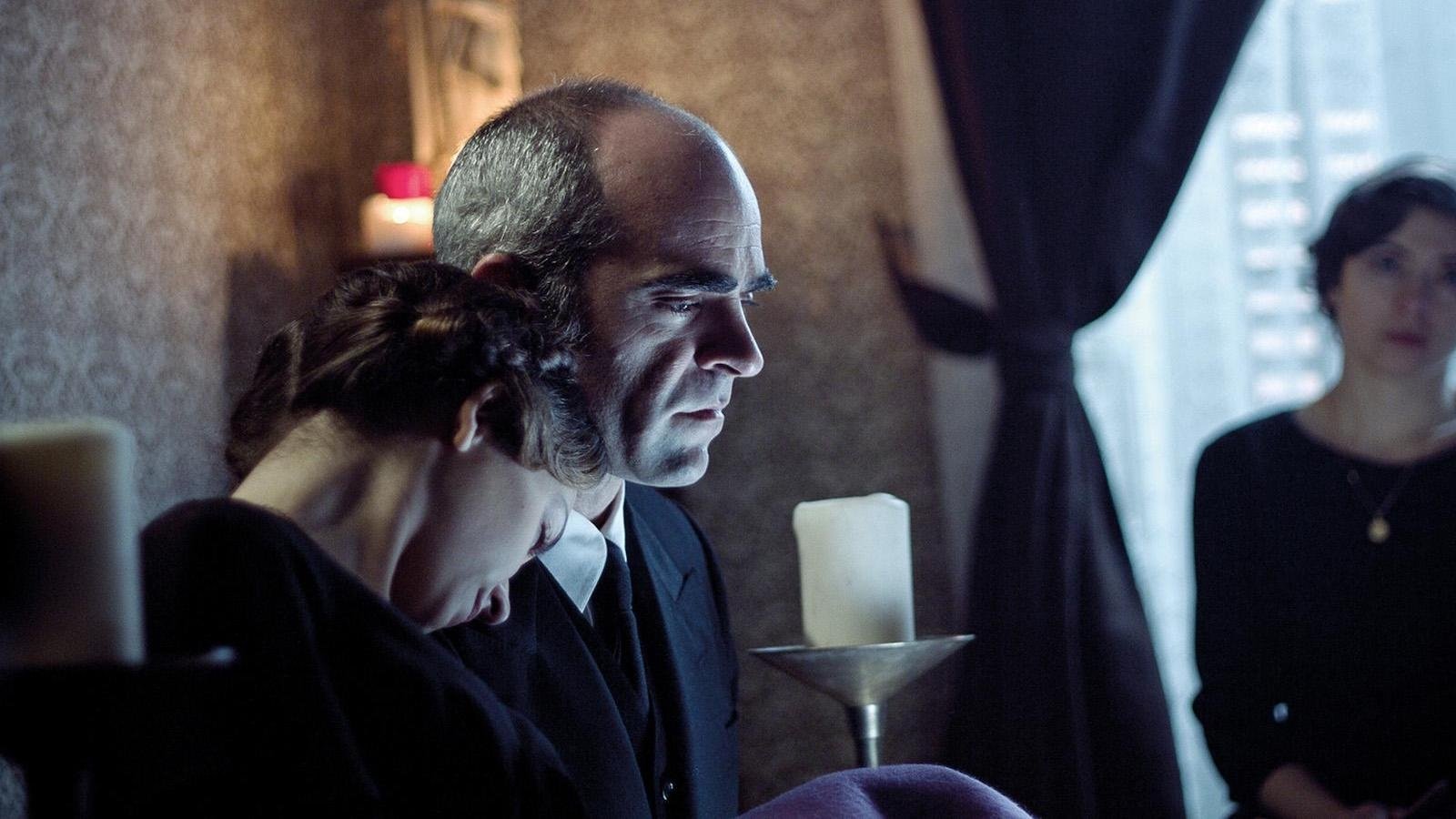
Performances: Macarena Gómez Devours the Screen (and Us Along the Way)
Macarena Gómez doesn’t act in Shrew’s Nest—she hemorrhages live on camera. Her portrayal of Montse is a masterclass in conveying terror through silence, through the tiniest gesture, through that moment when you realize the character is about to shatter and you’re not sure if you want her to or not. There’s a scene where Montse sits on the floor, hugging her knees, and Gómez conveys so much fear with just a trembling lip that you can almost feel the cold of the tiles on your own legs.
The rest of the cast isn’t on her level, but they don’t need to be. Nadia de Santiago does a solid job as Montse’s sister, though her character is so secondary she feels like a prop. It’s like the writers thought, “We need someone to tell Montse to leave the house, but we don’t want them stealing the spotlight.” Luis Tosar, meanwhile, is fine, but his character is so archetypal—the mysterious man with a dark past—that it’s hard to connect with him. It’s like someone told him, “Play the tough guy with a sensitive side,” and he asked, “How sensitive?”
The supporting cast is mostly disposable. The upstairs neighbor, the mailman, the nosy neighbor—they all serve their purpose but leave no mark. They’re like Almodóvar extras: there to set the mood but not to steal your heart (or your fear).
Technical Department: When Horror Becomes Art
Luis Fernández Pinedo’s cinematography is, without a doubt, one of Shrew’s Nest’s strongest points. Every shot looks like it was lifted from an expressionist painting: elongated shadows, lights that cut like knives, and a color palette that runs from baby-poop brown to bile green. It’s like the DP wanted to remind us that horror doesn’t always need monsters—sometimes all it takes is a poorly lit apartment and a woman on the verge of a nervous breakdown.
There’s a moment where Montse sits in a chair, lit by a floor lamp, her face split in two: half in light, half in shadow. It’s as if Pinedo wanted to remind us that we all carry a monster inside, and sometimes all it takes is a misplaced light to bring it out.
The editing, by Juanfer Andrés and David Gallart, is nimble without being frantic. They dose out suspense like a slow-acting poison, and there are moments when the pace accelerates so much you can almost feel your heart in your throat. It’s like the editors wanted to remind us that horror isn’t just what you see—it’s also what you don’t.
Joan Valent’s score is another win. The choirs that sound like nuns whispering in an asylum, the violins that scrape like fingernails on a chalkboard—it’s the kind of music that raises the hairs on your neck without you even noticing. There’s a moment when the music cuts out abruptly, and the silence that follows is more terrifying than any scream.
The production design, by Sylvia Steinbrecht, is flawless. Every object in Montse’s apartment seems to have a story, from the old furniture to the crooked paintings on the walls. It’s like the set was designed to make you feel trapped, as if every corner of the apartment hides a secret.
The best
- Macarena Gómez’s performance: This isn’t acting—it’s an exorcism. Gómez leaves everything on screen, conveying Montse’s terror and anguish with a rawness that hurts. There’s a moment when she has a panic attack, and the sound she makes is so real you can almost feel her pain.
- Luis Fernández Pinedo’s cinematography: Every shot looks like it was ripped from an expressionist painting, with elongated shadows and lights that cut like knives. The chiaroscuro isn’t just a technique—it’s another character.
- The script by Ángel Amorós and Juanfer Andrés: Though it veers into pretension at times, the script is a labyrinth of poetic dialogue and unexpected twists that keep you on edge until the end.
The worst
- The lack of development for some characters: Side characters like the upstairs neighbor or Montse’s sister are so flat they might as well be cardboard cutouts. They’ve got less depth than a puddle.
- The predictability of some twists: Though the script shines in many moments, some plot twists are telegraphed from the get-go. It’s like the writers wanted to make an intelligent film and overshot the mark.
- The obvious symbolism: Some moments are so heavy-handed they feel like a “How to Make Art-House Cinema for Dummies” manual. The broken mirror scene, for example, isn’t subtle in the slightest.
- The ending: It splits the audience between those who applaud its boldness and those left going, “Really?” It’s risky, sure, but also a bit of a cheat.
The Verdict of Claqueta Ácida
Shrew’s Nest isn’t just a movie—it’s an experience. One of those that leaves you feeling like you’ve spent ninety minutes in a sauna fully clothed, sweating fear and claustrophobia. Juanfer Andrés and his team have crafted a psychological horror piece that drinks from the classics but has its own voice, with a Macarena Gómez who devours the screen (and us along the way) and cinematography that looks like it was plucked from a Goya nightmare. It’s not perfect: it’s got predictable twists, flat characters, and an ending that doesn’t convince everyone, but it’s so visceral, so uncomfortable, and so well-made that it’s hard not to surrender to its sickly charm. If you dare to step into its maze of shadows, prepare to come out unscathed… but you won’t want to. 💀
🎬 Tráiler Oficial
Abrir en YouTube
Ending Explained: Shrew's Nest
Shrew's Nest: frequently asked questions
- What is the rating of "Shrew's Nest" on Claqueta Ácida?
- "Shrew's Nest" scored 7.5/10 on Claqueta Ácida in the review by Bastian Noir.
- Is "Shrew's Nest" worth watching?
- With reservations. We gave it 7.5/10 (Citric Acid), our rating for uneven films with something worth saving.
- Who directed "Shrew's Nest"?
- "Shrew's Nest" was directed by Juanfer Andrés.
- How does "Shrew's Nest" end?
- Spoilers in Shrew's Nest ending explained .
Theater Collateral Damage Report
Psychophysical impact certificate issued by Bastian Noir
1 amago en el tramo intermedio; pestañeo pesado en las transiciones más innecesarias.
Alguna consulta furtiva al móvil en el segundo acto. Nada que no se perdone.
How much second-hand embarrassment the film causes (10 = maximum). It is not the review score.
2 espressos para no dejarse vencer por la mediocridad cómoda.
"A mitad del segundo acto cuando la subtrama secundaria empezó a pesar más de lo que aportaba."
💬 Community Verdict
What did you think of the film? Rate it from 0 to 10 to compare it with the editorial review.
You haven't voted yet
📢 ¿Te ha gustado el ácido?
Comparte esta crítica con tus amigos cinéfilos o desata la polémica en redes.
⚡ THE CINEMATIC VENOM YOUR INBOX CRAVES
No sugarcoated ratings, no corporate fluff. Subscribe for our uncensored weekly analysis or join the private Telegram for press previews, poll clashes, and instant alerts.
Alertas de estrenos en 1 segundo, encuestas en caliente y audios al salir de pases de prensa.
Recibe la dosis semanal en tu mail + regalo inmediato del PDF con 50 joyas ocultas de culto.
By subscribing you agree that we use your email only to send you the newsletter. Unsubscribe at any time. Privacy policy
Related Reviews
Recommended autopsies for demanding film buffs.
 🔥 Fusión Nuclear 8.5
Eastern Promises: A Dark Journey into the Heart of the Mafia – Cronenberg’s Scalpel Meets Russian Rot
⚡ Afinidad temática directa en atmósfera, estilo y fijaciones visuales.
A scathing takedown of David Cronenberg’s *Eastern Promises*—where the mafia gets the autopsy it deserves.
 🔥 Fusión Nuclear 8.5
*Animal Kingdom: A Descent into Hell (Where Family is the Devil’s Playground)*
⚡ Afinidad temática directa en atmósfera, estilo y fijaciones visuales.
A visceral takedown of *Animal Kingdom*, where "family values" take on a whole new (and deeply criminal) meaning.
 ⚡ Ácido Cítrico 7.5
Baghead: A Nightmare in the Dark (And We Mean *Literal* Darkness)
⚡ Afinidad temática directa en atmósfera, estilo y fijaciones visuales.
A scathing, gut-punch review of *Baghead*, the psychological thriller that drags you into the abyss—kicking, screaming, and probably tripping over your own feet.
Editorial Ecosystem
Cinephile connections, archive interviews and related analyses.
💬 Debate Cinéfilo & Autopsia de Lectores
¿Discrepas con nuestra nota? ¿Es una obra maestra o veneno puro? Deja tu veredicto abajo sin necesidad de registro.
📏 Normas: se critica la película, no a las personas. Los insultos y los ataques personales se pueden borrar.