Manticore — Carlos Vermut and the Monstrosity Lurking inside the Mind
Carlos Vermut plunges us into the abyss of guilt and unspeakable perversion in 'Manticore', a psychological thriller of unbearable discomfort.

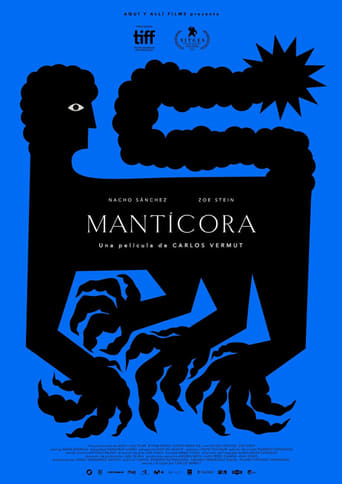


Carlos Vermut has established himself as the surgeon of the darkest corners of the Spanish soul. After the puzzle of Magical Girl and the ghost story of identity in Quién te cantará, the Madrilenian director takes a step forward—or rather, a leap into the void—with Manticore, his most austere, uncomfortable, and devastating film to date. Vermut does not seek to scare us with jump scares or easy gore; instead, he locks us in a room with a monster that looks exactly like us.
The core of Manticore lies in its refusal to offer the viewer a safe distance. Julián (played by a monumental Nacho Sánchez) is a young, quiet, and talented 3D modeler who creates grotesque creatures for video games. His work is a digital sanctuary where he attempts to project and trap the actual beast that lives inside him: a pedophilic impulse that he consciously and desperately tries to suppress. The film is not about the act of abuse, but about the terrifying psychological space of a man who knows he is a potential monster. When a fire breaks out in his building and he rescues his young neighbor, the physical proximity triggers a severe panic attack. Julián is terrified of himself, and Vermut forces us to sit with him in that terror.
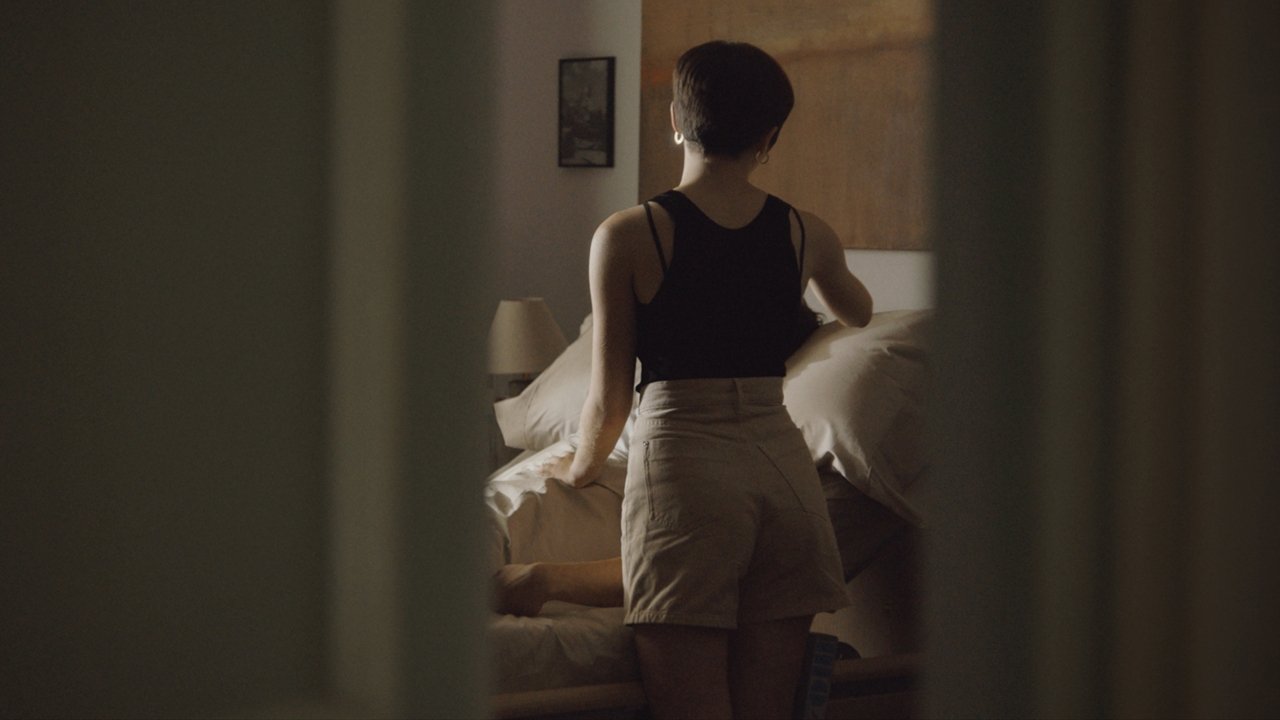
The arrival of Diana (Zoe Stein) introduces a complex layer of hope and tragedy. Diana, a young woman caring for her dying father, is drawn to Julián's quiet vulnerability. For Julián, Diana looks exactly like a virtual avatar he designed, representing a tragic double. She is the physical manifestation of a possible salvation, a bridge to a "normal" life. Yet, as their relationship deepens, the film builds a devastating tension. Vermut explores the theme of identity and performance: can we choose who we love or what desires define us? The tragedy of Julián is that his attempts to build a normal connection are constantly undermined by the gravity of his taboo obsession.
Formally, the film is an exercise in clinical, absolute subtraction. The camera, directed by Alana Mejía González, remains mostly fixed, observing the characters with a cold, observational eye that mimics the interface of a 3D modeling software. There is no non-diegetic music to tell the audience what to feel; the silence is heavy, filled with the hum of computer fans and the quiet breathing of characters. The dialogue is sparse, allowing Nacho Sánchez’s extraordinary physical performance to convey the weight of guilt. His hunched posture, his darting eyes, and his sudden panic attacks make his torment visceral and deeply disturbing.
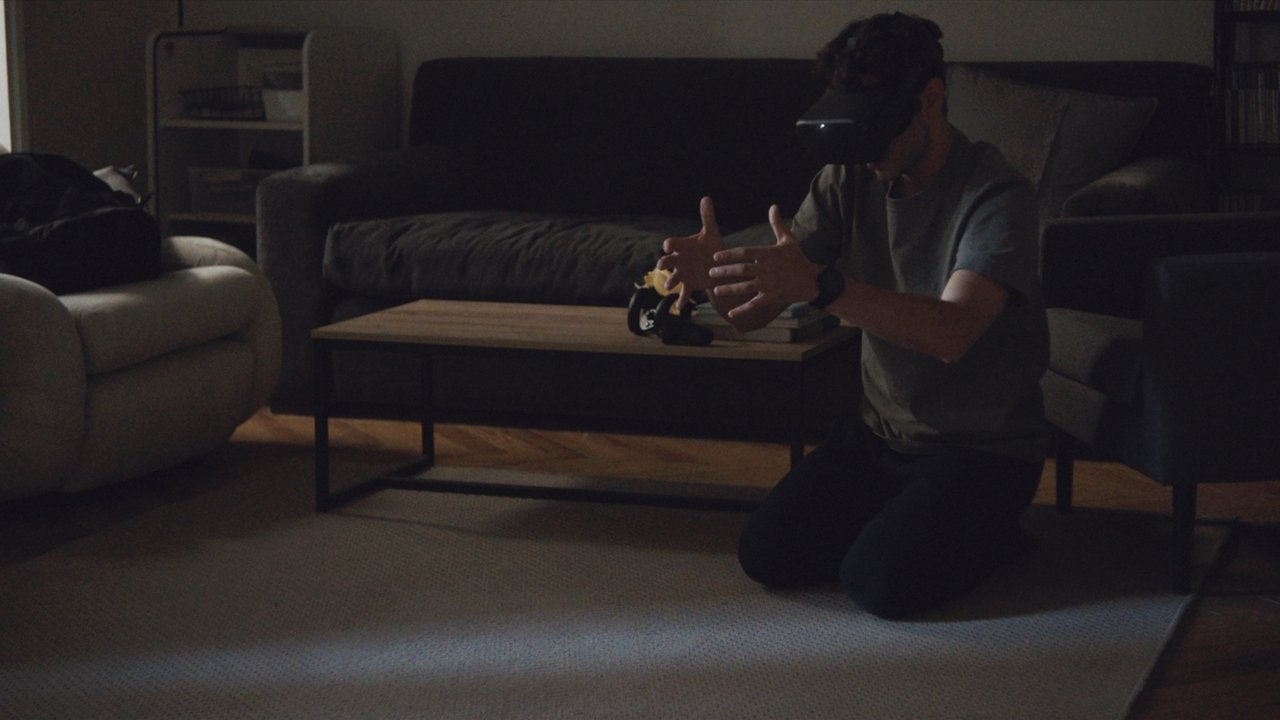
Furthermore, Vermut's depiction of Madrid's urban spaces reinforces this alienation. Far from costumbrista charm, Madrid is presented as a series of sterile interiors, featureless corridors, and dimly lit building entrances. Julián's apartment is a vacuum devoid of personal warmth, mirroring his emotional paralysis. He lives in his own mind, finding a twisted spark of vitality only when engaging with virtual avatars.

Manticore challenges our ethical boundaries by refusing to demonize the protagonist in a cartoonish way. Julián is not a shadowy villain lurking in a dark alley; he is a polite colleague, a quiet neighbor, a man who knows he has a disease and is trying to cure it through isolation. By showing his suffering and his desire to be normal, Vermut asks a difficult question: how do we deal with a monster who doesn't want to be one? The film offers no easy answers, no moralistic speeches, and no catharsis. It is a work of uncompromising intellectual honesty that leaves the viewer hollowed out.
The Best
- Nacho Sánchez's performance: A masterclass in restraint and internal torment that avoids any easy caricature.
- Austerity as a narrative tool: The lack of music and static shots amplify the claustrophobic dread.
- Ethical depth: The script by Vermut handles a highly delicate subject with surgical precision and moral complexity.
- The character of Diana: Zoe Stein provides a warm, grounded counterweight to Julián's cold isolation.
The Worst
- Unbearable discomfort: The film is designed to make the viewer suffer, which can limit its appeal.
- Dry pacing: Some might find the lack of narrative drive or conventional thriller beats frustrating.
- The clinical tone: The cold distance of the camera might prevent some from connecting emotionally.
The Verdict of Claqueta Ácida (8.5/10)
Manticore is a masterpiece of psychological terror that doesn't need jump scares to make you shiver. Carlos Vermut crafts a clinical and devastating portrait of human perversion and the prison of guilt, proving that the real beast is always the one lurking in the silence of our own thoughts. It is a dry, painful, and essential piece of modern Spanish cinema.Ending Explained: Manticore
Ficha de Daños Colaterales en Sala
Certificado de impacto psicofísico emitido por Bastian Noir
Cero. La pantalla absorbió cada segundo de atención disponible.
Ni una sola mirada al móvil.
Ninguna. Guarda el café para la sesión siguiente.
"No hubo. La coherencia se mantuvo hasta el último fotograma."
💬 El Veredicto de la Comunidad
¿Qué te ha parecido la película? Deja tu nota de 0 a 10 para contrastarla con el análisis de la redacción.
Aún no has votado
📢 ¿Te ha gustado el ácido?
Comparte esta crítica con tus amigos cinéfilos o desata la polémica en redes.
⚡ THE CINEMATIC VENOM YOUR INBOX CRAVES
No sugarcoated ratings, no corporate fluff. Subscribe for our uncensored weekly analysis or join the private Telegram for press previews, poll clashes, and instant alerts.
Alertas de estrenos en 1 segundo, encuestas en caliente y audios al salir de pases de prensa.
Recibe la dosis semanal en tu mail + regalo inmediato del PDF con 50 joyas ocultas de culto.
Related Reviews
Recommended autopsies for demanding film buffs.
 ⚡ Ácido Cítrico7.5
**Baghead: A Nightmare in the Dark (And We Mean *Literal* Darkness)**
⚡Afinidad temática directa en atmósfera, estilo y fijaciones visuales.
A scathing, gut-punch review of *Baghead*, the psychological thriller that drags you into the abyss—kicking, screaming, and probably tripping over your own feet.
 🔥 Fusión Nuclear9.0
*Calvaire: The Belgian Nightmare Hollywood Will Never Understand (And That’s Why It’s Perfect)*
⚡Afinidad temática directa en atmósfera, estilo y fijaciones visuales.
Fabrice Du Welz makes his debut with a masterpiece of European transgressive cinema—a fog-drenched, deeply unsettling ordeal that dissects loneliness and rural madness.
 🔥 Fusión Nuclear8.9
*Dragged Across Concrete*: Molten Lead, Twilight Cynicism, and the Moral Suffocation of America’s Asphalt
⚡Afinidad temática directa en atmósfera, estilo y fijaciones visuales.
S. Craig Zahler delivers a monumental, nihilistic neo-noir heist thriller—corrupt cops, bone-dry violence, and nearly three hours of unrelenting suspense.
Editorial Ecosystem
Cinephile connections, archive interviews and related analyses.
💬 Debate Cinéfilo & Autopsia de Lectores
0 veredictos¿Discrepas con nuestra nota? ¿Es una obra maestra o veneno puro? Deja tu veredicto abajo sin necesidad de registro.


Aún nadie ha dejado su veredicto para esta película.
Sé el primero en clavarle el colmillo rellenando el formulario de arriba.