We Need to Talk About Kevin — A Gut-Wrenching Portrait of Parenthood
A deep dive into the darkness of parenthood and the suffocating weight of guilt

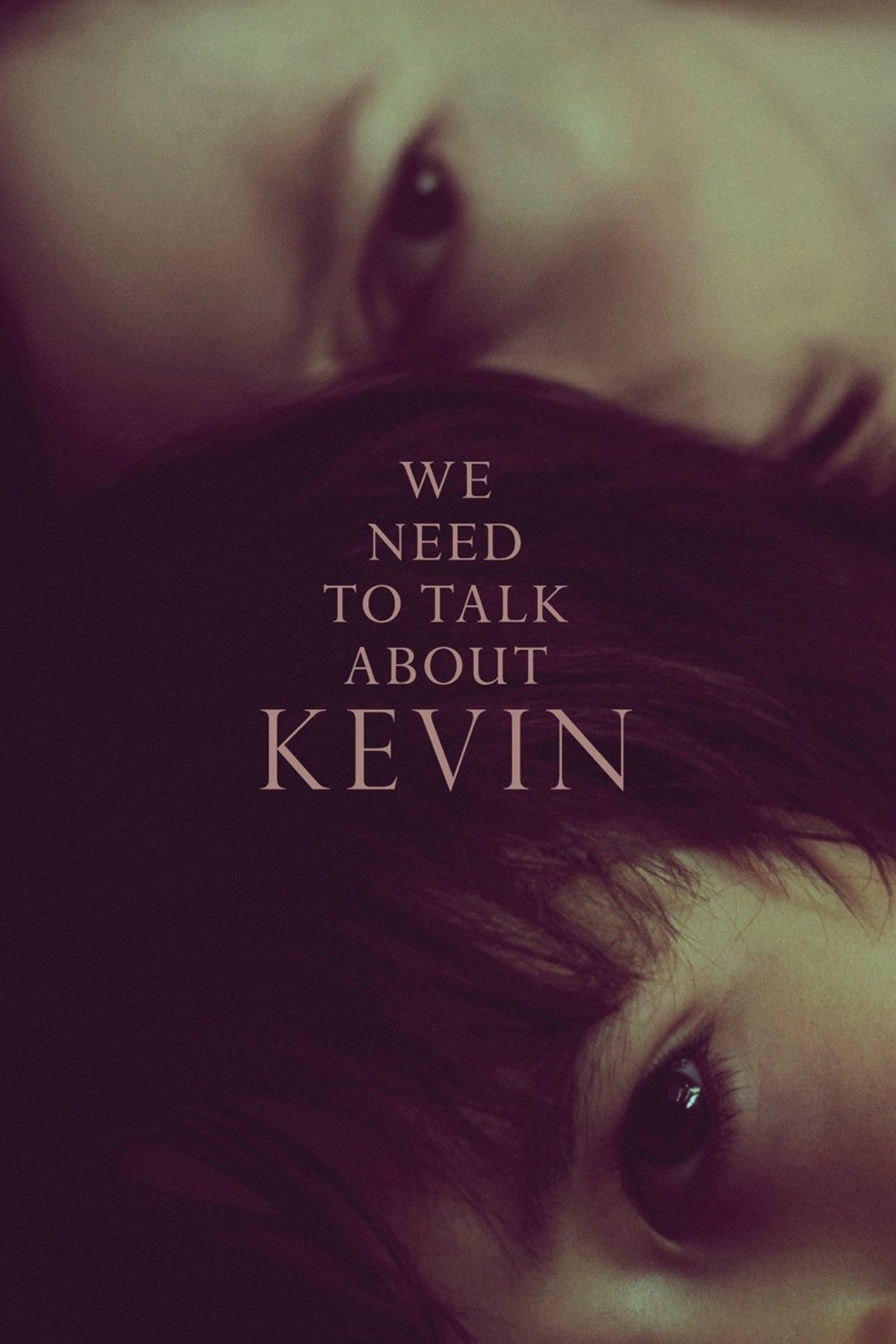

The darkness of parenthood isn’t a subject cinema tackles often—at least, not with this kind of brutal honesty. We Need to Talk About Kevin (2011), directed by Lynne Ramsay, is one of those rare birds that wades into the swamp of maternal guilt, filial resentment, and the violence simmering beneath the surface of an apparently normal family. This isn’t a film about a troubled child; it’s about a mother’s failure to love her son the way she’s supposed to. And that, dear readers, is forbidden territory. Ramsay doesn’t just dare to tread there—she stomps all over it with a ferocity that leaves scars. This isn’t a movie you watch; it’s a movie that watches you back.
The opening is a sucker punch. No music, no credits, just the sound of a sprinkler watering a garden while Tilda Swinton, in a bird’s-eye shot, floats in a sea of red tomatoes during Spain’s La Tomatina festival. The image is beautiful, almost dreamlike, but there’s something sinister in that mass of bodies drenched in red pulp. Is it blood? Guilt? A premonition of what’s to come? Ramsay doesn’t explain. She doesn’t need to. The metaphor is so obvious it hurts, yet so well executed you can’t look away. And just like that, without warning, the film drags you into a labyrinth of flashbacks, time jumps, and glances that say everything without uttering a word. Welcome to Eva Khatchadourian’s personal hell.
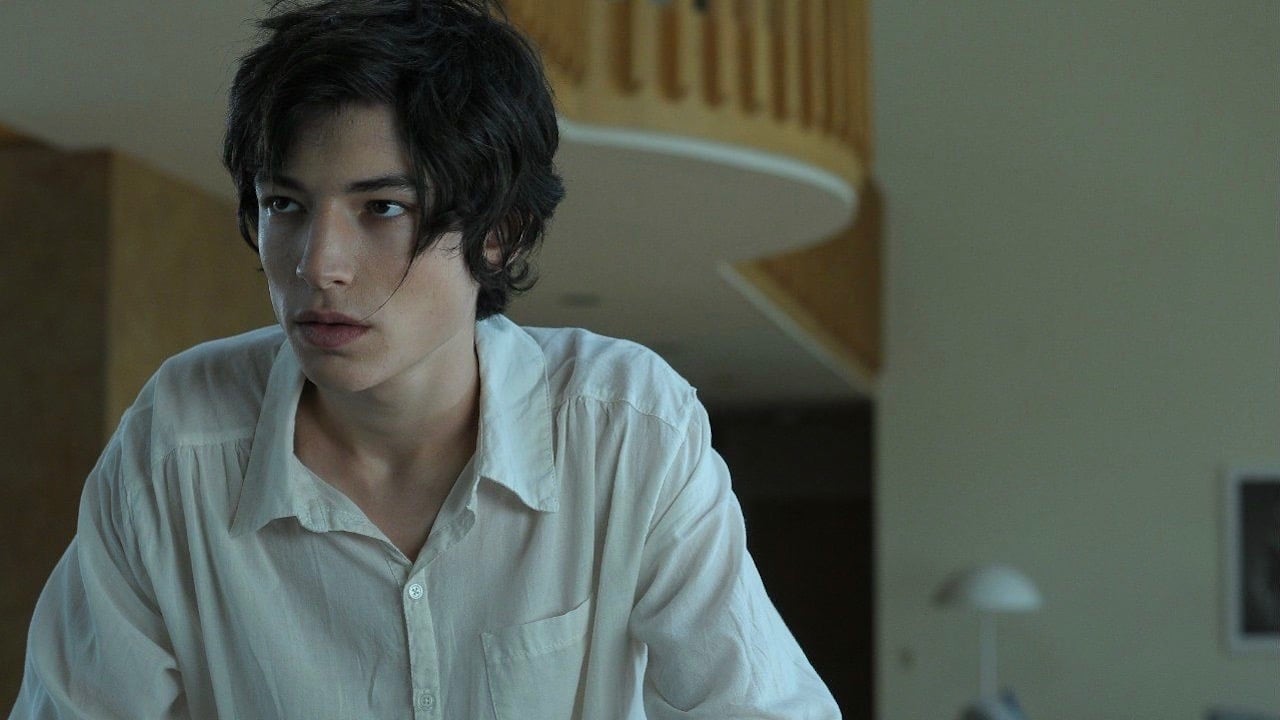
The narrative structure is a deliberately jumbled puzzle. We don’t follow a clear timeline but Eva’s fragmented memories as she tries to piece together-la-cueva-de-los-espejos-rotos" class="text-amber-400 font-black hover:text-amber-300 transition underline decoration-amber-500/40 hover:decoration-amber-300" title="[6.5/10 ⚡ Ácido Cítrico] Lee nuestra autopsia de «Together»" data-acid-interlink="together-la-cueva-de-los-espejos-rotos">together how her son Kevin (Ezra Miller) became a monster. Or, worse, how she created him. Ramsay plays with time like it’s putty, stretching and compressing it to show Eva’s anxiety, her inability to connect with Kevin from day one. There’s one scene in particular that lodges itself in your memory like a knife: Eva, exhausted after a traumatic birth, stares at her newborn with a mix of terror and revulsion. What she feels isn’t maternal instinct—it’s something far darker. Love, Ramsay seems to say, isn’t always instinctive. Sometimes it’s a choice. And Eva doesn’t choose.
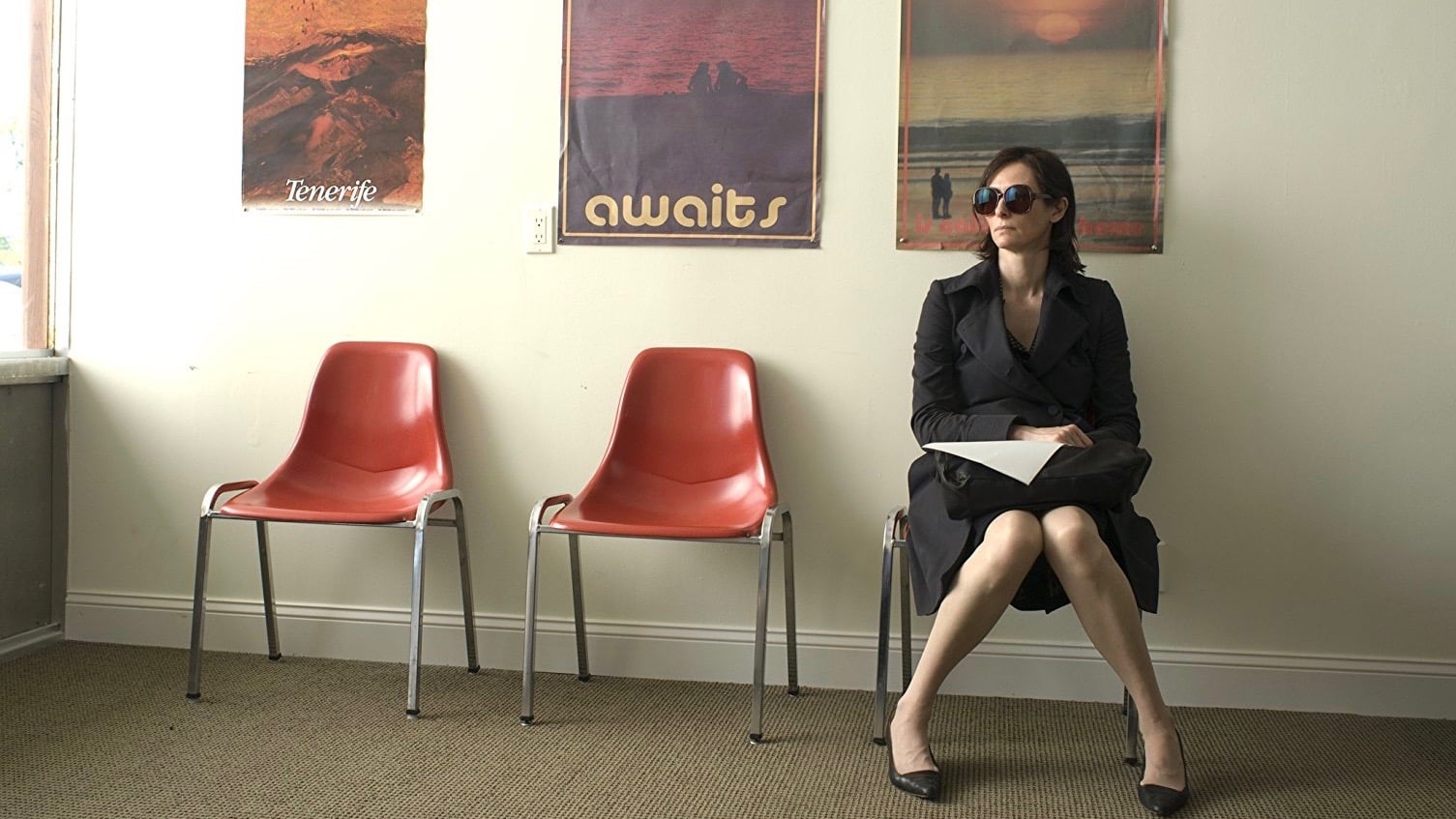
Tilda Swinton doesn’t act in this film; she survives it. Her portrayal of Eva is a masterclass in restraint and explosion, in minimal gestures that conceal oceans of pain. Swinton doesn’t need to scream to convey the exhaustion of a woman who’s spent years trying to love a son who seems to hate her. Just watch how she presses her lips together when five-year-old Kevin asks why she doesn’t love him. Or how her hands tremble when she tries to hug him and he stiffens like a mannequin. Swinton doesn’t play a mother; she plays a woman trapped in a role she never wanted, and she does it with a raw honesty that burns. It’s one of those performances that haunts you for weeks after the credits roll, like a ghost that refuses to leave.
But if Swinton is the film’s soul, Ezra Miller is its longest shadow. Kevin is one of those career-defining roles, a part that could’ve destroyed a lesser actor. Miller, only 18 at the time, achieves something terrifying: he makes Kevin both repulsive and fascinating. He’s not a one-dimensional villain but a child who seems to revel in the pain he causes, who smirks at his mother while jamming needles into her arm. There’s a scene where teenage Kevin asks Eva if she thinks he’s capable of murder. It’s not a rhetorical question. It’s a threat. And Miller delivers it with a chill that freezes your blood. He’s not a monster. He’s worse: he’s a son.
Lynne Ramsay, a director who’s made minimalism her signature, proves here why she’s one of the most underrated filmmakers of her generation. Her mise-en-scène is meticulous, almost surgical. Not a single shot is wasted, not a single line of dialogue serves no purpose. Ramsay trusts the power of images to tell the story, and damn if she doesn’t succeed. Seamus McGarvey’s cinematography is the perfect extension of this vision: dark, grainy, with a color palette that ranges from blood-red to sickly green. The Khatchadourians’ home is claustrophobic, with narrow hallways and rooms that feel like echo chambers for Eva’s silent screams. This isn’t a film you watch; it’s a film you feel, like a bruise that takes its time to surface.
Sound—or rather, the lack of it—is another of the film’s triumphs. Ramsay and sound designer Paul Davies craft a soundtrack of uncomfortable silence, broken only by amplified everyday noises: a creaking door, a dripping faucet, the sound of Kevin crunching cereal with his mouth open. There’s a scene where Eva, in a desperate attempt to connect with her son, sings him a lullaby. Kevin looks at her with disdain and says, "That song’s shit." The silence that follows is deafening. No music can compete with the noise of a child who hates you.
The script, adapted by Ramsay and Rory Stewart Kinnear from Lionel Shriver’s novel, is another of the film’s strengths. It’s not a conventional screenplay, packed with memorable dialogue or spectacular plot twists. It’s a script built on tension, on what’s left unsaid, on glances that speak volumes. There’s a sequence where Eva and her husband Franklin (John C. Reilly) argue about Kevin. Franklin, the eternal optimist, insists their son is "a normal kid." Eva, with a terrifying calm, replies, "He’s not normal. He never has been." No shouting, no tears—just two people living in parallel realities. It’s the kind of dialogue that hurts because it rings true.
That said, We Need to Talk About Kevin isn’t flawless. There are moments when the film feels a bit too restrained, as if Ramsay is afraid to let go. The lack of dialogue in some scenes, while effective, can be frustrating, especially when you crave deeper insight into Eva’s psyche. Plus, the film’s darkness can be overwhelming. This isn’t a movie to watch on a lazy Sunday afternoon with the family; it’s a film that demands something from you, that challenges you to keep going even when you want to look away. It’s uncomfortable, yes, but that discomfort is precisely what makes it essential.
The best
- Tilda Swinton’s performance: This isn’t acting—it’s an exorcism. Swinton doesn’t play Eva; she becomes her, with an intensity that leaves you breathless. Every glance, every gesture, every silence speaks of a woman on the edge of collapse. It’s one of those performances that should be studied in film schools, not for its technique, but for its brutal honesty.
- Seamus McGarvey’s cinematography: Dark, grainy, and dripping with symbolism, McGarvey’s work is the perfect extension of Ramsay’s vision. The overhead shots, the claustrophobic framing, and the sickly color palette create an atmosphere that clings to your skin. It’s not pretty, but it’s necessary.
- Ezra Miller’s performance: Miller pulls off the impossible: making you hate Kevin while also pitying him. He’s not a textbook villain but a broken child who delights in breaking others. He’s terrifying because he feels real.
- The script: Based on Lionel Shriver’s novel, Ramsay and Rory Stewart Kinnear’s screenplay is a masterclass in tension and subtext. There’s no superfluous dialogue, no unnecessary scenes. Every word, every silence, counts. It’s the kind of script that lingers in your mind for days.
The worst
- The underdevelopment of some characters: Franklin, Eva’s husband played by John C. Reilly, is little more than a cliché—the absent, optimistic father. His character is flat, lacking nuance, and his presence feels more like a narrative device than a real person. A missed opportunity to explore another angle of this dysfunctional family.
- The pacing at times: The film’s deliberately slow rhythm can be frustrating for some viewers. Certain scenes drag on longer than necessary, as if Ramsay is afraid to let go of control. This isn’t a film for the impatient.
- The lack of answers: Ramsay doesn’t offer easy solutions or simplistic explanations. There’s no clear "why" for Kevin’s behavior, no redemptive ending for Eva. If you’re looking for a neat resolution, this isn’t your film.
The Verdict of Claqueta Ácida
We Need to Talk About Kevin isn’t a film. It’s an experience. One that leaves you scarred, like a third-degree burn on the soul. Lynne Ramsay has crafted a masterpiece of psychological horror—not because of monsters or gore (though there’s plenty of both), but because it explores the darkness we all carry inside. It’s uncomfortable, disturbing, and necessary. This isn’t a film you enjoy; it’s one you remember. And that, in the end, is what makes cinema great. If you’ve got the guts to face it, go ahead. But don’t say I didn’t warn you... 💀 tweets_alternativos:🎬 Tráiler Oficial
Abrir en YouTube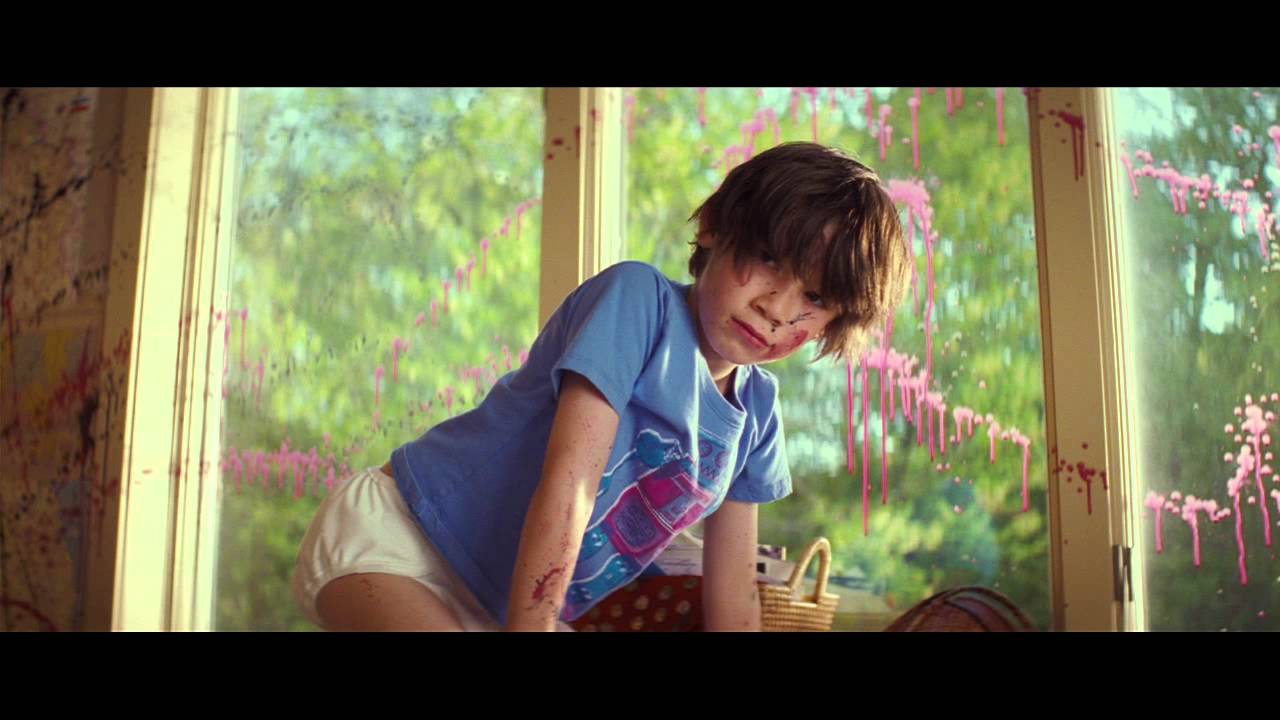
Ficha de Daños Colaterales en Sala
Certificado de impacto psicofísico emitido por Silvia Mordaz
Ni un solo parpadeo voluntario. El asiento, inusualmente cómodo.
Ni una sola mirada al móvil.
Ninguna: la adrenalina cinematográfica es suficiente.
"No hubo. La coherencia se mantuvo hasta el último fotograma."
💬 El Veredicto de la Comunidad
¿Qué te ha parecido la película? Deja tu nota de 0 a 10 para contrastarla con el análisis de la redacción.
Aún no has votado
📢 ¿Te ha gustado el ácido?
Comparte esta crítica con tus amigos cinéfilos o desata la polémica en redes.
⚡ THE CINEMATIC VENOM YOUR INBOX CRAVES
No sugarcoated ratings, no corporate fluff. Subscribe for our uncensored weekly analysis or join the private Telegram for press previews, poll clashes, and instant alerts.
Alertas de estrenos en 1 segundo, encuestas en caliente y audios al salir de pases de prensa.
Recibe la dosis semanal en tu mail + regalo inmediato del PDF con 50 joyas ocultas de culto.
Related Reviews
Recommended autopsies for demanding film buffs.
 🔥 Fusión Nuclear8.0
Bitter Christmas: Almodóvar Comes Home (And Saves Us from Corporate Holiday Hell)
⚡Consagradas en el olimpo transgresor con 🔥 Fusión Nuclear.
Almodóvar turns holiday grief into an intimate, visually stunning, and emotionally raw drama. Bárbara Lennie shines, but the script stumbles in the third act. 8/10.
 🔥 Fusión Nuclear8.0
The End of Oak Street: David Robert Mitchell Reinvents Cosmic Horror Without Losing Its Human Core
⚡Consagradas en el olimpo transgresor con 🔥 Fusión Nuclear.
Anne Hathaway and Ewan McGregor lead this claustrophobic descent where the unknown isn’t a monster—it’s reality itself unraveling at the seams. Mitchell proves once again that the most terrifying horror is the kind that festers in the intimate.
 🔥 Fusión Nuclear9.0
The Odyssey: Nolan’s Epic Ego Trip
⚡Consagradas en el olimpo transgresor con 🔥 Fusión Nuclear.
Christopher Nolan’s *The Odyssey*: A cinematic masterpiece—or a bloated vanity project drowning in its own pretensions?
Editorial Ecosystem
Cinephile connections, archive interviews and related analyses.
💬 Debate Cinéfilo & Autopsia de Lectores
0 veredictos¿Discrepas con nuestra nota? ¿Es una obra maestra o veneno puro? Deja tu veredicto abajo sin necesidad de registro.


Aún nadie ha dejado su veredicto para esta película.
Sé el primero en clavarle el colmillo rellenando el formulario de arriba.