A Good Person — The Maze of Redemption (Or How to Turn Therapy Into Psychological Waterboarding)
A scathing takedown of A Good Person—Jan Komasa’s unflinching, vomit-inducing dive into the dark underbelly of rehabilitation, where love is a weapon and sanity is the first casualty.

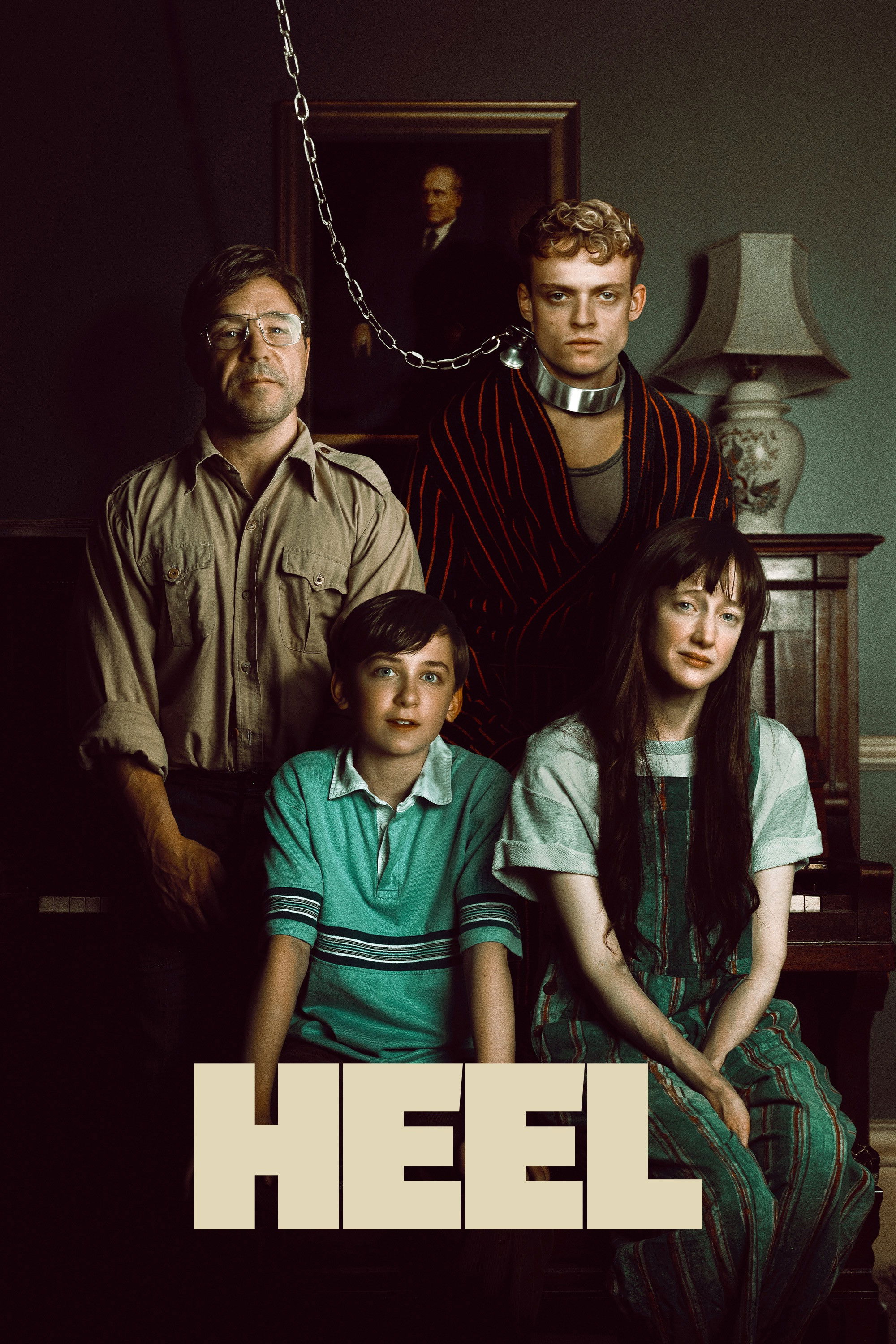


Jan Komasa’s cinema has always had this uncanny ability to grab you by the throat and drag you kicking and screaming into places you’d rather not visit. With A Good Person, the Polish director proves once again that subtlety isn’t exactly his strong suit—nor does he give a damn about it. What he does excel at is raw, unfiltered brutality, a kind of gritty realism that clings to your retinas like sweat in a solitary confinement cell. This isn’t a film you watch with popcorn; it’s one you endure with a trash can nearby, just in case. And no, that’s not hyperbole. Komasa has turned his latest work into a social experiment where rehabilitation isn’t a process—it’s psychological waterboarding dressed up as tough love. And the worst (or best, depending on your masochistic tendencies) part? It works. Or at least, it convinces you that hell doesn’t need fire to burn—just two people with a serious mean streak and a teenager they’ve kidnapped to "save" from himself.
The industrial context here is crucial. A Good Person arrives at a time when psychological genre cinema seems to have exhausted every trick in the book: we’ve seen The Platform, Room, 10 Cloverfield Lane, even the most existential Saw sequels. But Komasa, who already blew our minds with Corpus Christi (2019) and its portrait of a fake priest in a Polish backwater, decides to raise the stakes. He’s not content with locking his characters in four walls; he traps them in a toxic dynamic where love, hate, and manipulation blur into something indistinguishable. The script, penned by Komasa’s frequent collaborator Bartek Bartosik, is a masterclass in discomfort. There are no jaw-dropping twists or revelations that’ll leave you gasping. What there is is a spiral of tension fueled by the most primal fears: the terror of loneliness, the need for control, and that nagging, rotten question hanging in the air like a bad smell: How far would you go to "save" someone?
The film opens with a single-take sequence that makes it abundantly clear this isn’t going to be a walk in the park. We meet Tommy (Anson Boon), a 19-year-old kid who looks like he’s aged a decade too fast, strolling through a working-class neighborhood in Manchester. The camera stalks him like a predator, glued to the back of his neck, as he enters an apartment where, within seconds, everything goes to hell. No music, just the sound of a scuffle, a dull thud, and then silence. Cut to black. Welcome to Komasa’s version of hell. From there, the film becomes a three-way acting duel between Tommy, the hostage; Stephen Graham, the "therapist" with a past darker than an oil slick; and Andrea Riseborough, his partner, a woman who seems plucked straight from a David Lynch nightmare, with that smirk that screams I know something you don’t and sends shivers down your spine.
And this is where A Good Person transcends the confines of a simple thriller: it becomes a character study so brutal it hurts. Stephen Graham, an actor who’s made a career out of playing "tough guys with a heart of gold" (The Irishman, Boardwalk Empire), sheds any hint of redemption here. His character, an ex-con turned "rehabilitation specialist" with decidedly unorthodox methods, is a ticking time bomb on legs. Graham doesn’t act—he inhabits this man, with a physicality that’s downright terrifying. You see him sweat, tremble, smile like he’s about to strangle you, and you wonder how the hell he’s managed to make such a repulsive character sympathetic at times. But he does. And that’s the film’s dirty trick: it makes you empathize with a monster.
Andrea Riseborough, meanwhile, is pure electricity. Her character, a woman who seems to have accepted this macabre game as if it were the most normal thing in the world, delivers a scene in the kitchen—yes, the fucking kitchen, where people are supposed to bake cupcakes, not threaten each other with knives—that’s one of the best things I’ve seen in years. Riseborough doesn’t need to scream, cry, or flail about. She just looks at Tommy like he’s an insect under her shoe and says, with chilling calm, «If you try to run, I’ll kill you. But don’t worry, you won’t.» And the worst part? You believe her. Not because it’s a credible threat, but because in that moment, you realize this woman enjoys the power. And that, my friends, is more terrifying than any jump scare.
Direction and Mise-en-scène: The Art of Making You Feel Filthy
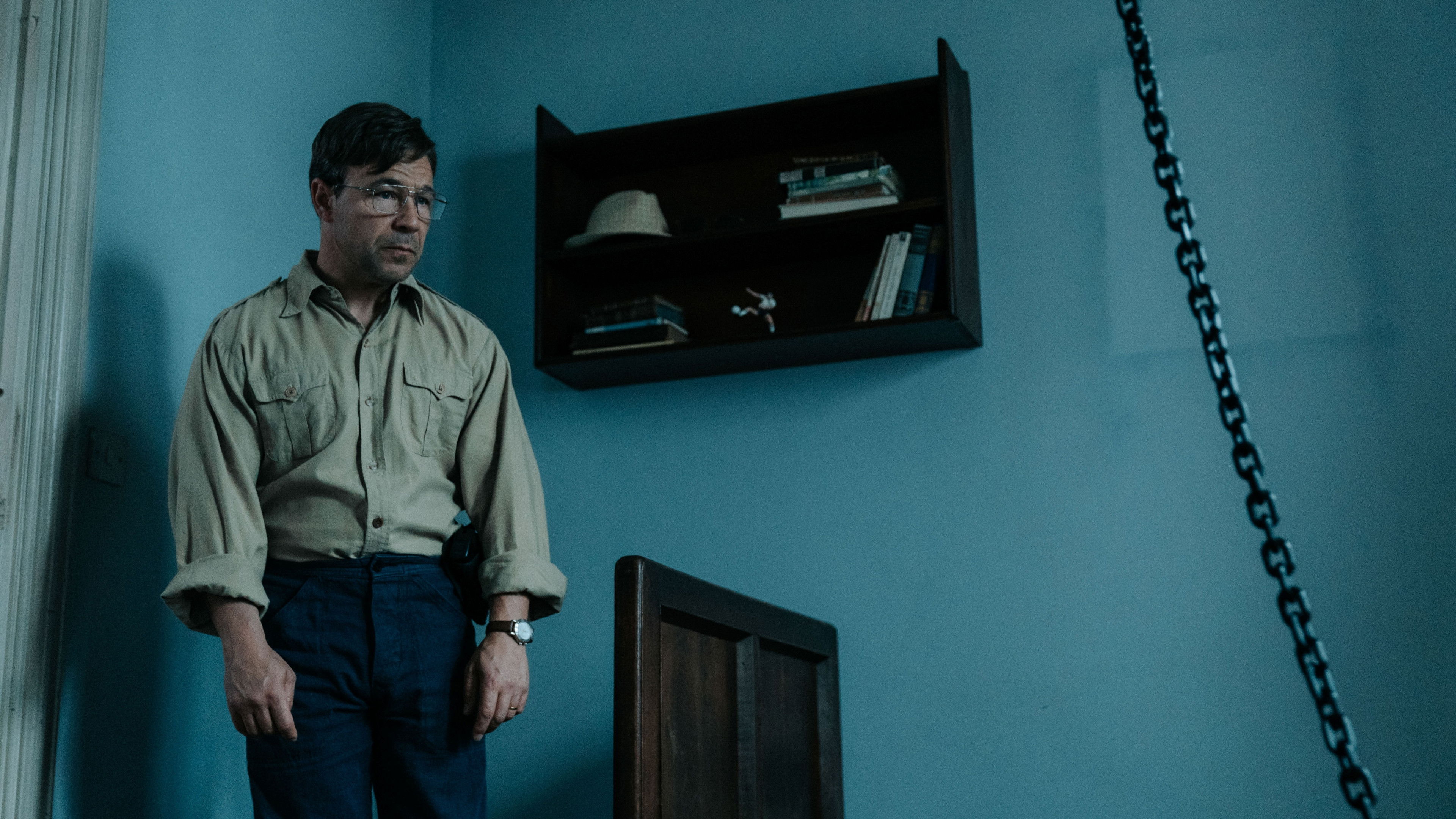
Jan Komasa isn’t a director who beats around the bush. His style is direct, almost documentary-like in its rawness, but with a visual precision that proves every frame is designed to maximize discomfort. The house where most of the film takes place is a character in itself: a claustrophobic space with narrow hallways, creaking doors, and a kitchen that looks like it was ripped from a Black Mirror episode. Komasa uses the 2.35:1 aspect ratio to heighten the sense of confinement, but also to play with off-screen space. Sometimes, what you don’t see is more important than what you do. Like when Tommy is tied to a chair and the camera lingers on his sweaty face while you hear noises from another room. What are they doing? What are they going to do to him? The suspense doesn’t come from what’s happening—it comes from what you imagine is happening.
The cinematography by Michał Dymek, another Komasa regular, is one of the film’s standout elements. Dymek opts for a cold color palette dominated by metallic blues and sickly greens, reinforcing the feeling that you’re witnessing something you shouldn’t. The interiors are lit with harsh, almost clinical light, reminiscent of ‘70s thrillers like Straw Dogs or The Offence. But where Dymek truly shines is in the close-ups. There’s a moment where the camera gets so close to Stephen Graham’s face you can see the pores on his skin, the veins in his temples, the sweat pooling on his upper lip. It’s uncomfortable, yes, but also hypnotic. It forces you to look, even when you don’t want to.
Editing, handled by Przemysław Chruścielewski, is another key element. The film has a relentless pace, with sharp cuts that don’t let you catch your breath. But the real genius lies in how Chruścielewski plays with time. Some scenes feel like they last an eternity—like when Tommy is locked in a closet, listening to his captor’s screams—while others fly by in the blink of an eye. This manipulation of time isn’t accidental: it mirrors Tommy’s mental state, a kid who’s lost all sense of reality and exists in a continuous present where every second is torture.
Performances: When Method Acting Becomes a Nightmare
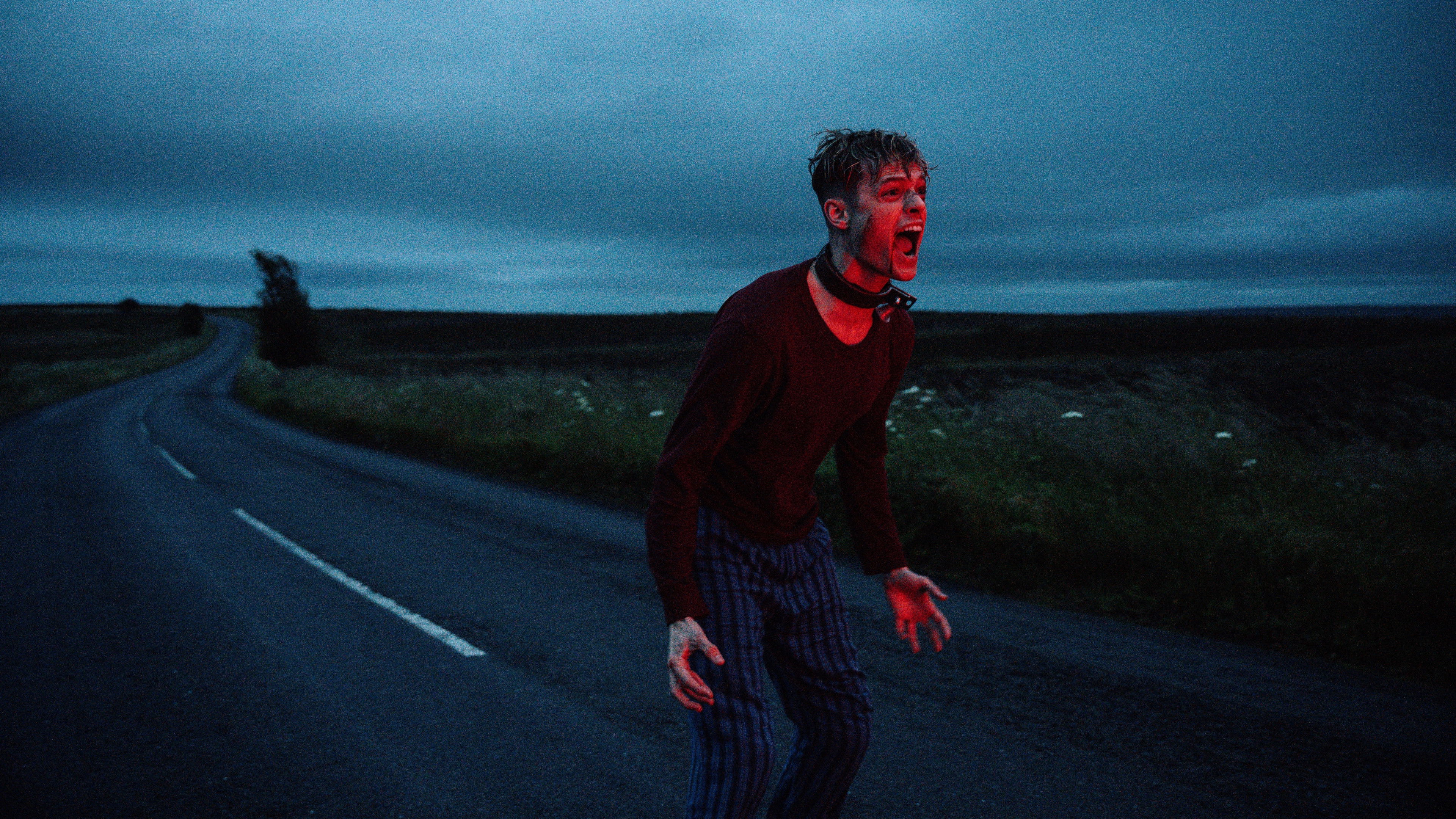
If there’s one thing that saves A Good Person from being unwatchable, it’s the performances. Anson Boon, as Tommy, has the unenviable task of being the film’s "good guy" without falling into the trap of the innocent teenager cliché. Boon conveys his character’s vulnerability without ever veering into mawkishness. There’s a scene where Tommy, after days of confinement, breaks down and cries like a child. It’s not melodramatic sobbing—it’s the kind of cry that rips your heart out because you know there’s no going back. Boon doesn’t overact; he just is there, broken, and he breaks you too.
But if Boon is the film’s heart, Stephen Graham and Andrea Riseborough are its fists. Graham, as I’ve said, is a force of nature. His character is a Molotov cocktail of rage, guilt, and a desperate need for redemption. There’s a moment where, after a particularly brutal beating, he sits on the kitchen floor and laughs like a madman. It’s not a laugh of relief or happiness—it’s the kind of laugh that comes when you’ve got nothing left to lose. Graham nails it. And then there’s Riseborough, who devours the screen every time she appears. Her character is a mix of femme fatale and overprotective mother, a woman who’s normalized violence to the point where she sees it as a form of love. When she tells Tommy, «We’re helping you, even if you don’t understand it yet,» she says it with such conviction it chills you to the bone. Because in her twisted mind, she’s telling the truth.
The rest of the cast holds their own, though they don’t reach the same heights as the three leads. Kit Rakusen, as the nosy neighbor, has a couple of memorable scenes, especially one where he tries to "help" Tommy with a clumsiness that borders on dark comedy. But it’s a brief respite, because the film quickly reminds you this isn’t a comedy. Not even close.
Technical Aspects: When Sound Drowns You and Music Stalks You
The score for A Good Person is by Evgueni Galperine and Sacha Galperine, a duo who already proved their chops in films like The Nightingale and The Father. Here, they opt for a minimalist soundtrack based on ambient sounds and dissonant strings that create a constant sense of oppression. There are no memorable themes or catchy melodies. What there is is a constant hum, like an old refrigerator, that follows you throughout the film and wears down your nerves. In the tensest scenes, the music disappears entirely, leaving only the sound of the characters’ breathing—ragged, uneven—or the creak of a door opening. It’s a simple trick, but effective: here, silence is more terrifying than any musical note.
Sound design, by Marcin Lenarczyk, is another standout. Lenarczyk plays with diegetic sounds to amplify the claustrophobia. The ticking of a clock, the drip of a faucet, the creak of floorboards—all these sounds are amplified, as if you’re inside Tommy’s head, hearing every little detail that could be a threat. There’s a scene where Tommy, locked in a closet, hears his captors arguing in the next room. You don’t see anything, just darkness, but the sound lets you "see" what’s happening. And it’s terrifying.
Production design, led by Joanna Macha, deserves special mention. The house where the film takes place is a character in itself: dirty, cluttered, with old furniture and peeling walls. It’s the kind of place no one would want to live, but where, ironically, Tommy finds something resembling a home. Macha has paid attention to every detail, from the dirty dishes in the sink to the rock band posters on Tommy’s bedroom wall. Everything contributes to a grimy realism, as if the film were shot in a real abandoned apartment.
The best
- Stephen Graham’s performance: This isn’t acting—it’s demonic possession. Graham slips into the skin of a broken man and emerges as a monster you can’t help but empathize with. There’s a scene where he cries while telling Tommy about his prison past that’s so raw you’ll want to look away. But you can’t.
The chemistry between Graham and Riseborough: These two take their toxic dynamic to another level. It’s not love, hate, or even codependency—it’s something darker, more twisted. When they argue, touch, or even look* at each other, you feel like you’re witnessing something you shouldn’t. And yet, you can’t look away.
Michał Dymek’s cinematography: Dymek turns the ugly into the beautiful, the oppressive into the hypnotic. His tight close-ups, use of natural light, and cold color palette create an atmosphere that envelops you like a wet blanket. It’s not pretty, but it’s cinematic* in the purest sense of the word.
- Bartek Bartosik’s screenplay: Not a single line is wasted, not a scene feels unnecessary. Bartosik constructs a spiral of tension that never lets up, but never resorts to sensationalism. Every line, every gesture, has a purpose. And when the film ends, you realize you’ve been holding your breath for two hours.
- Przemysław Chruścielewski’s editing: Chruścielewski plays with time like a master, stretching moments of tension to the breaking point and speeding up action scenes into a blur. His work is so precise you don’t even notice it’s there… until you realize you can’t breathe.
The worst
The development of some secondary characters: Kit Rakusen does his best with the nosy neighbor role, but his character is little more than a poorly integrated comic relief. There are a couple of scenes where his presence breaks the tension too abruptly, as if the film needed a breather it doesn’t* actually need.
Some forced dialogue: There are moments where characters spout lines that sound more like scripted messages than real conversation. Like when Riseborough tells Tommy, «Fear is good. Fear keeps you alive.» It’s a powerful line, sure, but it also reeks of capital-M Message*. And in a film this raw, messages are unnecessary.
- The third act: Without spoilers, I’ll say the ending is… divisive. It’s not bad, by any means, but there’s a twist that feels like it belongs in a more conventional, less risky film. Komasa takes a gamble, and sometimes the gamble doesn’t pay off. Here, the risk doesn’t quite land.
- The lack of context for the characters: We know Stephen Graham is an ex-con who now "rehabilitates" criminals, but that’s about it. How did he get here? Why does he do it? There’s a moment where he mentions his method "works," but we never see proof. A little more backstory and motivation would’ve added depth to his character.
The Verdict of Claqueta Ácida
A Good Person isn’t an easy film. It’s not for everyone—not even for every genre fan. It’s uncomfortable, grimy, sometimes even repulsive. But it’s also one of the most honest films I’ve seen in years about human nature. Jan Komasa doesn’t give you answers, morals, or happy endings. He kicks you in the gut and leaves you wondering what you would do in Tommy’s shoes. Would you resist? Would you break? Or would you become another monster? The film doesn’t judge—it just shows. And what it shows is so real it hurts. 7.8 for a work that’ll haunt you long after the credits roll. 💀
tweets_alternativos:
🎬 Tráiler Oficial
Abrir en YouTube
Ending Explained: A Good Person
Ficha de Daños Colaterales en Sala
Certificado de impacto psicofísico emitido por Lúa Ácida
1 amago en el tramo intermedio; pestañeo pesado en las transiciones más innecesarias.
Minuto 48 y minuto 80 (comprobando cuánto quedaba de suplicio).
2 espresso para no dejarse vencer por la mediocridad cómoda.
"A mitad del segundo acto cuando la subtrama secundaria empezó a pesar más de lo que aportaba."
💬 El Veredicto de la Comunidad
¿Qué te ha parecido la película? Deja tu nota de 0 a 10 para contrastarla con el análisis de la redacción.
Aún no has votado
📢 ¿Te ha gustado el ácido?
Comparte esta crítica con tus amigos cinéfilos o desata la polémica en redes.
⚡ THE CINEMATIC VENOM YOUR INBOX CRAVES
No sugarcoated ratings, no corporate fluff. Subscribe for our uncensored weekly analysis or join the private Telegram for press previews, poll clashes, and instant alerts.
Alertas de estrenos en 1 segundo, encuestas en caliente y audios al salir de pases de prensa.
Recibe la dosis semanal en tu mail + regalo inmediato del PDF con 50 joyas ocultas de culto.
Related Reviews
Recommended autopsies for demanding film buffs.
 ⚡ Ácido Cítrico7.5
A Ghost Story: A Journey Through Time and Memory
⚡Consagradas en el olimpo transgresor con 🔥 Fusión Nuclear.
The Claqueta Ácida review of A Ghost Story, a film that explores existence and human connection.
 🔥 Fusión Nuclear8.0
*Backrooms: The Maze of Madness – A Descent into Overhyped Nothingness*
⚡Consagradas en el olimpo transgresor con 🔥 Fusión Nuclear.
*A scathing takedown of the horror series everyone’s raving about—spoiler: it’s not that deep.*
 🔥 Fusión Nuclear8.0
Backrooms: A Descent into the Void
⚡Consagradas en el olimpo transgresor con 🔥 Fusión Nuclear.
A film that flings wide the door to mystery and terror—if you dare to step through
Editorial Ecosystem
Cinephile connections, archive interviews and related analyses.
💬 Debate Cinéfilo & Autopsia de Lectores
0 veredictos¿Discrepas con nuestra nota? ¿Es una obra maestra o veneno puro? Deja tu veredicto abajo sin necesidad de registro.


Aún nadie ha dejado su veredicto para esta película.
Sé el primero en clavarle el colmillo rellenando el formulario de arriba.