Killing Ground (2016) — When the Outback Becomes a Slaughterhouse for Cowards and Australian Cinema Regains Its Claws
Damien Power delivers a raw, relentless survival thriller that dismantles the myth of Australia’s rural lyricism, turning it into a claustrophobic and harrowing human hunt.

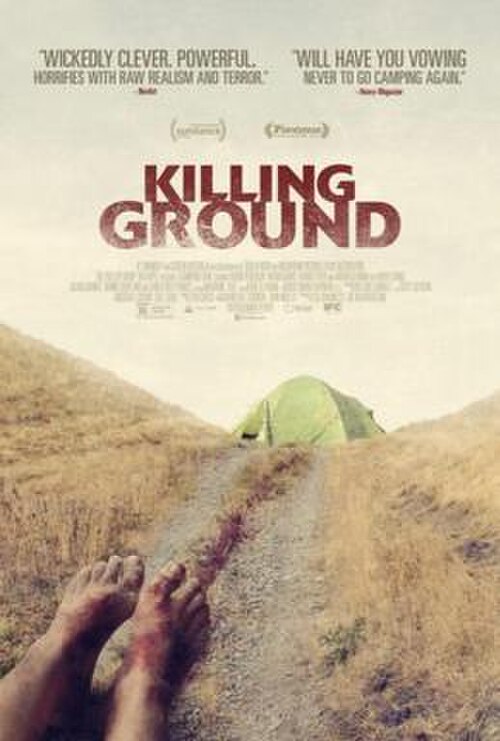

Killing Ground (2016): When the Outback Becomes a Slaughterhouse for Cowards and Australian Cinema Regains Its Claws
Australian cinema has an almost mystical relationship with the hostility of its own geography, as if the entire continent were a failed divine experiment to test how much humans can endure before breaking. From the alcoholic, claustrophobic nightmare of Wake in Fright (1971) to the bloody tourism of Wolf Creek (2005), the Outback has served as a canvas where isolation, madness, and atavistic violence are painted with broad strokes and no anesthesia. Killing Ground (2016), written and directed by Damien Power—a name that, ironically, sounds like a Marvel superhero but is actually a guy sharp enough not to fall into those traps—proudly fits into this tradition, but with a crucial twist: there are no supernatural monsters, no hockey-masked killers, not even a charismatic villain you can hate with a smirk. No. In Killing Ground, the real horror is human cowardice, the fragility of civilization when faced with its own shadow, and the Australian landscape, which isn’t just exotic scenery but a character in itself: indifferent, relentless, and as beautiful as it is lethal.
Power steers clear of the carnival-esque gore that Eli Roth and company love so much, instead cooking up a raw, suffocating suspense under the blinding desert sun. There are no cheap jump scares, no shrill music warning you that "something bad is about to happen!" No. Here, terror simmers slowly, like a stew of rotten meat, and when it erupts, it does so with such chilling naturalism that it leaves you breathless. It’s the kind of movie that makes you glance over your shoulder when you leave the theater—not because you think a psychopath is lurking in the dark, but because you realize how easily everything could go to hell.
finalExplicado: "La película culmina cuando Ian, tras descubrir los cadáveres de la familia Baker, es capturado y torturado por German y Chook. Sam logra escapar momentáneamente, pero termina regresando para salvar a Ian. En un acto de pura desesperación, ella mata a Chook y luego a German, ejecutando al segundo de un disparo en la cabeza mientras este, herido, suplica de rodillas. Simbólicamente, el desenlace desmonta el mito del héroe masculino: Ian, el protagonista urbano y “progresista”, queda reducido a un cobarde paralizado por el terror. Es Sam quien asume la violencia salvaje y se mancha las manos, convirtiéndose en una madre-bruja primordial que protege lo suyo. El outback no solo devora a los débiles; obliga a la civilización a convertirse en el mismo monstruo que la acecha. El ciclo de la carnicería se cierra sin redención."
Two Timelines and Cowardice as the Protagonist: The Editing That Dismantles Heroism
The structure of Killing Ground is, without a doubt, one of its greatest strengths—not because it’s particularly innovative (cinema has played with nonlinear storytelling since Pulp Fiction (1994) turned it into a mainstream device), but because Power and his editor, whose name deserves to be carved in marble alongside Thelma Schoonmaker, weave the two timelines together-la-cueva-de-los-espejos-rotos" class="text-amber-400 font-black hover:text-amber-300 transition underline decoration-amber-500/40 hover:decoration-amber-300" title="[6.5/10 ⚡ Ácido Cítrico] Lee nuestra autopsia de «Together»" data-acid-interlink="together-la-cueva-de-los-espejos-rotos">together with surgical precision. On one hand, we follow Ian (Ian Meadows) and Sam (Harriet Dyer), an urban, educated couple so idealistic you want to hug them and say, "Guys, the world isn’t an episode of Friends." They travel to a remote Australian coastal forest to celebrate New Year’s in total privacy, far from the city’s hustle and the judgmental stares of their friends. Upon arrival, they find a fully pitched but empty tent, as if its occupants had vanished mid-magic trick. No signs of struggle, no blood—just an uncomfortable silence and the feeling that something’s off.
On the other hand, the film takes us back in time to reconstruct the ordeal of the Baker family: a father, a mother, and their young son, who arrived at the same spot with the same romantic intentions and encountered two armed locals: German (Aaron Pedersen) and Chook (Aaron Glenane). What starts as an awkward encounter—the kind where everyone pretends to be friendly while sizing each other up—quickly turns into a nightmare. And this is where Killing Ground does something brilliant: it doesn’t show violence right away. No. First, it lets us see the dynamics between the characters, the tension building like static electricity before a storm. German and Chook aren’t horror-movie monsters. They’re two guys with thick Australian accents, beers in hand, and an attitude that swings between forced camaraderie and veiled threats. Pedersen and Glenane are so good that, in the first few minutes, you might almost believe they’re just harmless rednecks. Almost.
When both timelines converge—and they do so in such an organic way it feels inevitable—the film strips away all narrative artifice to focus on the only thing that matters: a human hunt with no room for heroism. And this is where Power’s script pulls off its most brilliant psychological move. In most survival thrillers, the male protagonist—usually a white, heterosexual guy with a military or athletic background—transforms under pressure into an unstoppable avenger. Think The Revenant (2015), where Leonardo DiCaprio crawls through the snow like a wounded bear but never loses his tragic-hero aura. Or Deliverance (1972), where Burt Reynolds and company go from smug city slickers to hardened survivors. But Ian isn’t that kind of hero. Ian is a coward. And not in the epic, cinematic sense—like those characters who betray their friends but later get a redemption arc—but in the most human and, therefore, most uncomfortable way: he acts out of irrational panic, makes stupid decisions, and instead of protecting his girlfriend, becomes a liability. It’s painfully real, and that’s why it hurts so much to watch.
The performances are eerily natural. Harriet Dyer, as Sam, conveys a mix of determination and vulnerability that avoids the cliché of the "strong but emotional woman." She’s not a superhero or a passive victim: she’s a person trying to keep her sanity amid chaos, and her acting is so convincing it makes you forget you’re watching a movie. But if there’s one moment that burns itself into your retinas—and your memory—it’s Aaron Glenane as Chook. Glenane doesn’t play a villain; he plays a man. A man with a crooked smile, an uncomfortable laugh, and a disturbing ability to normalize the abnormal. When Chook says things like "No worries, mate, we’re just having a good time," in that drawling voice and "it’s no big deal" tone, you feel the ground give way beneath you. He’s not a textbook psychopath; he’s the kind of guy who could be your neighbor, your coworker, or that weird cousin who always shows up at family gatherings with a story that doesn’t quite add up.
The Landscape as a Character: When the Cinematography Hurts More Than the Punches
Simon Chapman, the cinematographer, captures the eucalyptus trees, dunes, and endless Australian sky not as an exotic paradise—the kind Hollywood sells in movies like Australia (2008) or The Great Gatsby (2013)—but as a vast open-air cage. The sunlight isn’t warm or welcoming; it’s blinding, relentless, like a spotlight exposing every crack in the characters’ humanity. The wide shots, which in other films might convey freedom or grandeur, here create a sense of absolute exposure. There’s nowhere to hide. No shadow to protect you. The wind carries the victims’ screams like dry leaves, and the ambient sound—the creaking branches, the birdsong, the murmur of the sea—becomes an oppressive soundtrack, as if nature itself were whispering: "This is what happens when you venture too far into the wild."
Chapman’s cinematography is so effective that, more than once, you’ll find yourself holding your breath without realizing it. There’s no music warning you that something bad is about to happen—the score by Michael Lira is minimalist, almost nonexistent, as if silence were the only fitting accompaniment for this nightmare. Instead, there are real sounds: the crunch of a boot on a branch, the click of a lighter, the gasp of someone trying not to cry. It’s the kind of realism that stings because it reminds you that, in the real world, violence doesn’t come with an epic soundtrack. It comes with silence. And then, with screams.
The Baker Family and Cruelty as a Mirror: When Horror Becomes Unbearable
If there’s one thing Killing Ground does better than most survival thrillers, it’s portraying violence against children. It doesn’t do it gratuitously or with the cheap thrills of films like The Strangers (2008) or Funny Games (1997/2007). It does it with a rawness that hurts because it really hurts. The fate of the Baker family isn’t just tragic; it’s a slap in the face to the audience, a reminder that, in the real world, monsters don’t always have fangs. Sometimes, they look like people.
The moment the film reveals the fate of the Baker child is one of the hardest to watch in recent cinema. There’s no blood on screen, no special effects, but the implication is so clear and devastating it leaves you speechless. Power doesn’t resort to sensationalism; instead, he lets the actors’ performances—especially Maya Stange’s as the mother—convey the horror. When German and Chook take the child away, the camera doesn’t follow them. It stays with the mother, who screams and cries with a desperation so real it feels like you’re watching a documentary. It’s the kind of scene that makes you wonder why the hell you’re still watching the movie. And then you realize you can’t look away because Killing Ground doesn’t give you a choice. It grabs you by the throat and forces you to watch.
The Ending: When the Survival Playbook Takes Over (And Why It Barely Matters)
This is where Killing Ground loses a bit of steam. Once the timelines merge and the film shifts into pure survival mode, the script follows more predictable paths. It’s not that the final act is bad—in fact, it’s so tense it’ll leave you white-knuckled—but it does fall into some genre clichés: chases through the woods, stupid decisions made under pressure, and a final twist that, while effective, won’t surprise anyone who’s seen more than three horror movies in their life.
That said, Power achieves something few thriller directors manage: the ending doesn’t feel like relief; it feels like a gut punch. There’s no poetic justice, no redemption, no hopeful message about human goodness. There’s just survival. And sometimes, surviving is all that matters.
Cinematic Comparisons: Where Does Killing Ground Fit In?
Killing Ground isn’t an easy film to classify. It’s not a typical slasher, nor a home invasion movie like The Strangers, nor a psychological thriller like The Invitation (2015). It’s closer to the gritty realism of Deliverance or Southern Comfort (1981), but with a more intimate and less epic approach. It also echoes The Texas Chain Saw Massacre (1974) in its portrayal of rural violence as something almost banal, though without Tobe Hooper’s supernatural elements or dark humor.
If there’s one film Killing Ground shares DNA with, it’s Wolf Creek—but with a crucial difference: while Greg McLean wallows in his villain’s sadism, Power focuses on the humanity of his characters, even when that humanity is ugly, cowardly, and unpleasant. There’s also something of The Descent (2005) in how the film explores the psychological terror of being trapped in a place you can’t escape, though without the cave monsters or supernatural elements.
In short, Killing Ground is a film that draws from the best traditions of horror and survival cinema but stands out for its brutal honesty and refusal to rely on easy clichés.
The Best
- The temporal structure: A game of intersecting timelines that cranks up the tension like an hourglass dripping grain by grain, forcing you to piece together a tragic puzzle while sweat trickles down your spine.
- Aaron Glenane and Aaron Pedersen: A duo of sociopaths so believable they’ll make you side-eye that neighbor who always greets you with a smile that’s just a little too wide. They’re not monsters—they’re people. And that’s what’s terrifying.
The Worst
- Some predictability in the final act: Once the timelines merge, the film slides into survival-thriller clichés, like a train that’s traveled that track one too many times.
- The extreme cruelty toward children: The Baker family’s fate includes moments of such brutal emotional rawness that you’ll find yourself wondering if you really needed that extra trauma in your life.
The Verdict of Claqueta Ácida (7.9/10)
Killing Ground is an undeniable demonstration that extreme Australian cinema still has more narrative muscle than 90% of Hollywood productions. Damien Power makes his debut with a masterclass in cinematic pacing and existential cruelty, taking a couple’s idyllic vacation and turning it into a moral and physical slaughterhouse—no redemption, no heroes, just survivors. It’s a relentless, gunpowder-dry oddity, the kind of film that’ll make you think twice before pitching your tent in remote lands. And if you do, remember: in the deepest forests of Australia, the biggest danger isn’t snakes, crocodiles, or even serial killers. The biggest danger is the pure, miserable, human cowardice of our own species. 💀🎬 Tráiler Oficial
Abrir en YouTube
Ending Explained: Killing Ground (2016)
Ficha de Daños Colaterales en Sala
Certificado de impacto psicofísico emitido por Héctor Veneno
1 amago en el tramo intermedio; pestañeo pesado en las transiciones más innecesarias.
Minuto 55 y minuto 86 (comprobando cuánto quedaba de suplicio).
2 espresso para no dejarse vencer por la mediocridad cómoda.
"A mitad del segundo acto cuando la subtrama secundaria empezó a pesar más de lo que aportaba."
💬 El Veredicto de la Comunidad
¿Qué te ha parecido la película? Deja tu nota de 0 a 10 para contrastarla con el análisis de la redacción.
Aún no has votado
📢 ¿Te ha gustado el ácido?
Comparte esta crítica con tus amigos cinéfilos o desata la polémica en redes.
⚡ THE CINEMATIC VENOM YOUR INBOX CRAVES
No sugarcoated ratings, no corporate fluff. Subscribe for our uncensored weekly analysis or join the private Telegram for press previews, poll clashes, and instant alerts.
Alertas de estrenos en 1 segundo, encuestas en caliente y audios al salir de pases de prensa.
Recibe la dosis semanal en tu mail + regalo inmediato del PDF con 50 joyas ocultas de culto.
Related Reviews
Recommended autopsies for demanding film buffs.
 🔥 Fusión Nuclear8.5
*Alleluia: Love as a Terminal Illness (or How to Turn Crimes of Passion into a Sweaty, Fleshy Spectacle)*
⚡Afinidad temática directa en atmósfera, estilo y fijaciones visuales.
Fabrice Du Welz reimagines the myth of the lonely hearts killers in a feverish whirlwind of jealousy, submission, and blood, led by Lola Dueñas in a performance that’s equal parts hypnotic and harrowing.
 🔥 Fusión Nuclear8.5
*High Tension (Haute Tension): The Brutal Birth of the New French Extremism – Or How to Turn Flesh into Poetry with a Machete*
⚡Afinidad temática directa en atmósfera, estilo y fijaciones visuales.
Alexandre Aja shocked global screens with a relentless rural bloodbath, redefined by breakneck pacing and a divisive twist that splits serious cinephiles right down the middle.
 🔥 Fusión Nuclear8.5
*Aterrados: The Rebirth of Ghost Stories in the Raw Grit of Buenos Aires*
⚡Afinidad temática directa en atmósfera, estilo y fijaciones visuales.
Demian Rugna revolutionizes paranormal horror—possessions, poltergeists, and all—by transplanting it to a residential neighborhood in Buenos Aires, armed with a devastating sound design that rattles your bones.
Editorial Ecosystem
Cinephile connections, archive interviews and related analyses.
💬 Debate Cinéfilo & Autopsia de Lectores
0 veredictos¿Discrepas con nuestra nota? ¿Es una obra maestra o veneno puro? Deja tu veredicto abajo sin necesidad de registro.

Aún nadie ha dejado su veredicto para esta película.
Sé el primero en clavarle el colmillo rellenando el formulario de arriba.