The Monster — When Motherhood Is Scarier Than Any Forest Creature
Bryan Bertino fuses the raw intimacy of addiction drama with classic monster horror, crafting a claustrophobic, rain-soaked, and heart-wrenching tale.

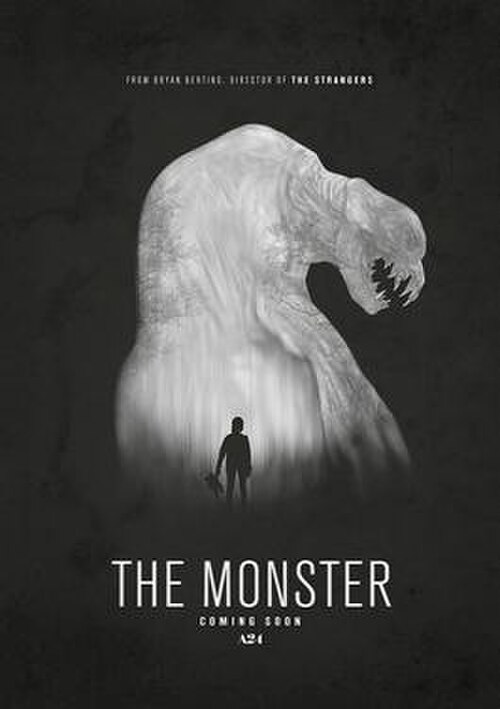

The Monster: When Motherhood Is Scarier Than Any Forest Creature
Bryan Bertino, that enfant terrible of modern horror who gifted us The Strangers in 2008—a film that proved the real terror isn’t masked killers, but the loneliness of a house in the middle of nowhere—returns eight years later with The Monster, a film that confirms what we already suspected: the guy has a macabre knack for trapping his characters in tight spaces and wringing out every last drop of sweat, tears, and, in this case, blood. But here, there are no anonymous intruders or gratuitous violence; the monster has a name, a face, and, above all, a meaning that goes beyond the visceral to wade into the swampy terrain of dysfunctional mother-daughter relationships. And damn if he doesn’t pull it off—though not without stumbling into a few generic potholes along the way.
The Road as Metaphor: When the Journey Matters More Than the Destination (and the Car Is a Death Trap)
The Monster kicks off with a premise as simple as it is effective: Kathy (Zoe Kazan), an alcoholic and emotionally unstable mother, and her daughter Lizzy (Ella Ballentine), a girl forced to grow up too fast, are driving through a biblical storm so Lizzy can spend a few days with her father. The trip is already tense thanks to their toxic dynamic, but when a deer—nature’s deus ex machina, straight out of the road horror handbook—darts in front of their car, it leaves their vehicle totaled in the middle of a dark, wet, and, of course, monster-infested forest.
What’s fascinating about The Monster isn’t the what (a creature lurking in the dark), but the how and, especially, the why. Instead of just filming a mini-slasher inside a car, Bertino uses the genre as a vehicle (pun absolutely intended) to explore guilt, neglect, and redemption. The flashbacks, though some may find them a narrative drag, are essential to understanding that the real monster isn’t that slimy beast crawling between the trees, but Kathy’s addiction, her inability to be the mother Lizzy needs, and, ultimately, her fear of failing as a human being. It’s a risky move: blending B-movie horror with gut-wrenching family drama, but Bertino pulls it off with the skill of David Cronenberg at his most psychological (The Brood, Videodrome), where body and mind warp in unison.
Zoe Kazan: When Method Acting Meets Existential Horror
If there’s one thing that elevates The Monster above the average horror flick, it’s the powerhouse performance of its lead. Zoe Kazan, the actress who seems born to play women on the edge of emotional collapse (see The Big Sick or Ruby Sparks), delivers one of her most brutal and moving performances here. Kathy isn’t the self-sacrificing mother of horror tropes, nor is she the heroine who dies saving her child in a grand act of love. No, Kathy is a walking disaster: selfish, insecure, violent in her outbursts, and, above all, deeply human. Kazan conveys that mix of love and resentment, protection and abandonment, with a rawness that hurts. There’s one scene in particular—a flashback where Kathy, drunk, forgets Lizzy in the car while she stumbles into a bar—that’s as uncomfortable as it is revealing. No monsters here, just the harsh reality of a mother who’s failing, and Kazan plays it with a honesty that burns.
Opposite her, Ella Ballentine (only 14 at the time) shows surprising maturity. Lizzy isn’t the typical scared little girl of horror films; she’s a preteen who’s had to learn to fend for herself because her mother can’t (or won’t). Their relationship is an emotional minefield: there’s love, sure, but also frustration, anger, and deep sadness. Ballentine navigates these nuances with a skill that’s disarming, especially in scenes where she has to face not just the creature, but the disappointment of watching her mother fail her—again.
The Creature: When Practical Effects Still Beat CGI Trash
In the age of Marvel and its hyper-realistic digital effects, it’s refreshing to see a horror film that bets on the tangible. The monster in The Monster, designed by Robert Kurtzman’s company (yes, the same guy behind The Walking Dead and From Dusk Till Dawn), is a nightmare made flesh: a mess of hair, teeth, and sinew straight out of a medieval bestiary. It’s not some sleek alien or a high-tech Predator; it’s a filthy, slimy beast that slithers like the forest itself spat it out. The practical effects, combined with animatronics, give it a physical presence CGI rarely achieves. When the creature approaches the car, you can almost smell its rotten breath and feel the weight of its hungry gaze.
But what’s most interesting about the monster’s design is how Bertino uses it as a mirror for Kathy’s inner fears. The creature isn’t some supernatural entity with complex motives; it’s a force of nature, a predator that smells weakness. And Kathy, with her alcoholism and emotional instability, is the perfect prey. In that sense, The Monster draws from classics like John Carpenter’s The Thing (1982), where external terror reflects internal chaos, but also from more recent films like The Babadook (2014), where the monster is a physical manifestation of psychological trauma.
Cinematography and Sound: The Perfect Storm (Literally)
If The Monster excels at anything, it’s creating an oppressive, almost tactile atmosphere. Cinematographer Julie Kirkwood, who also worked with Bertino on Mockingbird (2014), turns the night into a character of its own. The rain isn’t just a sound effect; it’s a wall that isolates Kathy and Lizzy from the world, a veil that distorts reality and amplifies every creak, every breath, every drop hitting the car roof. The headlights and emergency flares become the only points of reference in a sea of darkness, creating a play of shadows and light reminiscent of German Expressionism. It’s cinematography that doesn’t just scare—it conveys loneliness and despair.
The sound design, meanwhile, is a masterclass in suspense. The audio in The Monster is as important as the visuals: the creaking branches, the howling wind, the creature’s distant growls, and, above all, the silence. Bertino understands that horror doesn’t always need blaring music or cheap jump scares; sometimes, the sound of a held breath or a hand brushing against glass is enough to make the audience tense up. Tomandandy’s minimalist, pulsating score reinforces that sense of impending doom without resorting to cheap thrills.
The Climax: When Survival Means Healing (or Dying Trying)
The third act of The Monster is where the film goes all-in, and it does so with brutal honesty. Bertino doesn’t settle for a generic survival ending; instead, he delivers a resolution that’s as emotional as it is inevitable. The creature, in its relentless pursuit, forces Kathy to confront not just an external predator, but her own demons. Redemption doesn’t come in the form of heroism, but acceptance: Kathy must stop running from her addiction, her past, and, above all, her daughter. It’s a moment that hurts because it’s real—there’s no guarantee of a happy ending, just the certainty that sometimes, the only way to beat the monsters is to stop feeding them.
The Best
- Zoe Kazan and Ella Ballentine: A duel of love and resentment so intense it burns. Kazan, in particular, proves she can make the audience cry and curse in the same scene.
- The Monster: A reminder that in horror, practical effects still trounce CGI. A creature straight out of Grimm’s fairy tales, but with the realism of a nature documentary.
The Worst
- The Flashbacks: Necessary, but they sometimes break the siege’s rhythm and can feel redundant for those who’ve already caught the metaphor. A case of subtlety bordering on the obvious.
- The Side Characters: The folks they meet on the road (the trucker, the elderly couple) are so archetypal they might as well have come with a "How to Write Horror Characters in 5 Steps" manual.
The Verdict of Claqueta Ácida (7.5/10)
The Monster is the kind of film that leaves you with your heart in your throat and the feeling you’ve witnessed something more than just a creature thriller. Bryan Bertino proves, once again, that the most effective horror isn’t the kind that makes you scream, but the kind that makes you feel. Here, the real terror isn’t what’s lurking in the woods, but what we carry inside: guilt, failure, and that love so intense it’s destructive—the kind only a mother can inspire (and ruin). As uncomfortable as it is necessary, The Monster is a modern fable about redemption, where the only way to save yourself is to stop running. And damn, does it hurt. 🌧️🔪🚗🎬 Tráiler Oficial
Abrir en YouTube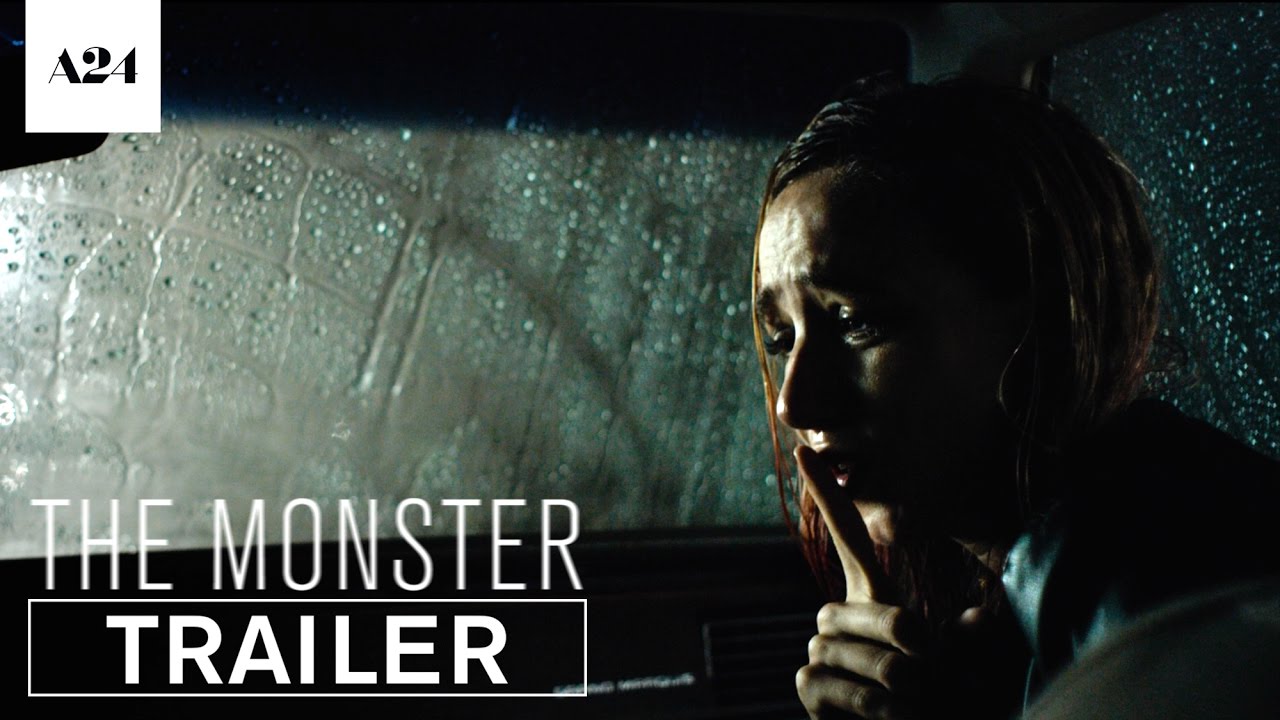
Ending Explained: The Monster
Ficha de Daños Colaterales en Sala
Certificado de impacto psicofísico emitido por Héctor Veneno
2 amagos en el tramo intermedio; pestañeo pesado en las transiciones más innecesarias.
Minuto 52 y minuto 76 (comprobando cuánto quedaba de suplicio).
1 espresso para no dejarse vencer por la mediocridad cómoda.
"A mitad del segundo acto cuando la subtrama secundaria empezó a pesar más de lo que aportaba."
💬 El Veredicto de la Comunidad
¿Qué te ha parecido la película? Deja tu nota de 0 a 10 para contrastarla con el análisis de la redacción.
Aún no has votado
📢 ¿Te ha gustado el ácido?
Comparte esta crítica con tus amigos cinéfilos o desata la polémica en redes.
⚡ THE CINEMATIC VENOM YOUR INBOX CRAVES
No sugarcoated ratings, no corporate fluff. Subscribe for our uncensored weekly analysis or join the private Telegram for press previews, poll clashes, and instant alerts.
Alertas de estrenos en 1 segundo, encuestas en caliente y audios al salir de pases de prensa.
Recibe la dosis semanal en tu mail + regalo inmediato del PDF con 50 joyas ocultas de culto.
Related Reviews
Recommended autopsies for demanding film buffs.
 🔥 Fusión Nuclear8.6
*The Dark and the Wicked: When the Devil’s the Only Friendly Neighbor in Texas*
⚡Del mismo director (Bryan Bertino): analiza la evolución o degradación de su estilo.
Bryan Bertino delivers one of the darkest, most nihilistic, and terrifying films in contemporary horror, where grief paves the way for absolute evil.
 🔥 Fusión Nuclear8.9
*The Strangers: When Home Becomes Your Worst Nightmare (And No, It’s Not Because of IKEA)*
⚡Del mismo director (Bryan Bertino): analiza la evolución o degradación de su estilo.
Bryan Bertino crafts an absolute masterpiece of minimalist suspense, turning an isolated cabin into a gallows of relentless dread.
 🔥 Fusión Nuclear8.5
*Alleluia: Love as a Terminal Illness (or How to Turn Crimes of Passion into a Sweaty, Fleshy Spectacle)*
⚡Afinidad temática directa en atmósfera, estilo y fijaciones visuales.
Fabrice Du Welz reimagines the myth of the lonely hearts killers in a feverish whirlwind of jealousy, submission, and blood, led by Lola Dueñas in a performance that’s equal parts hypnotic and harrowing.
Editorial Ecosystem
Cinephile connections, archive interviews and related analyses.
🎞️ In Claqueta Cinematheque2
💬 Debate Cinéfilo & Autopsia de Lectores
0 veredictos¿Discrepas con nuestra nota? ¿Es una obra maestra o veneno puro? Deja tu veredicto abajo sin necesidad de registro.

Aún nadie ha dejado su veredicto para esta película.
Sé el primero en clavarle el colmillo rellenando el formulario de arriba.