The Platform — The Prison We Deserve (And the Hunger We Dare Not Name)
A social allegory that moves like a broken elevator: powerful at first, then circling the same floors until you’re bored of your own despair.

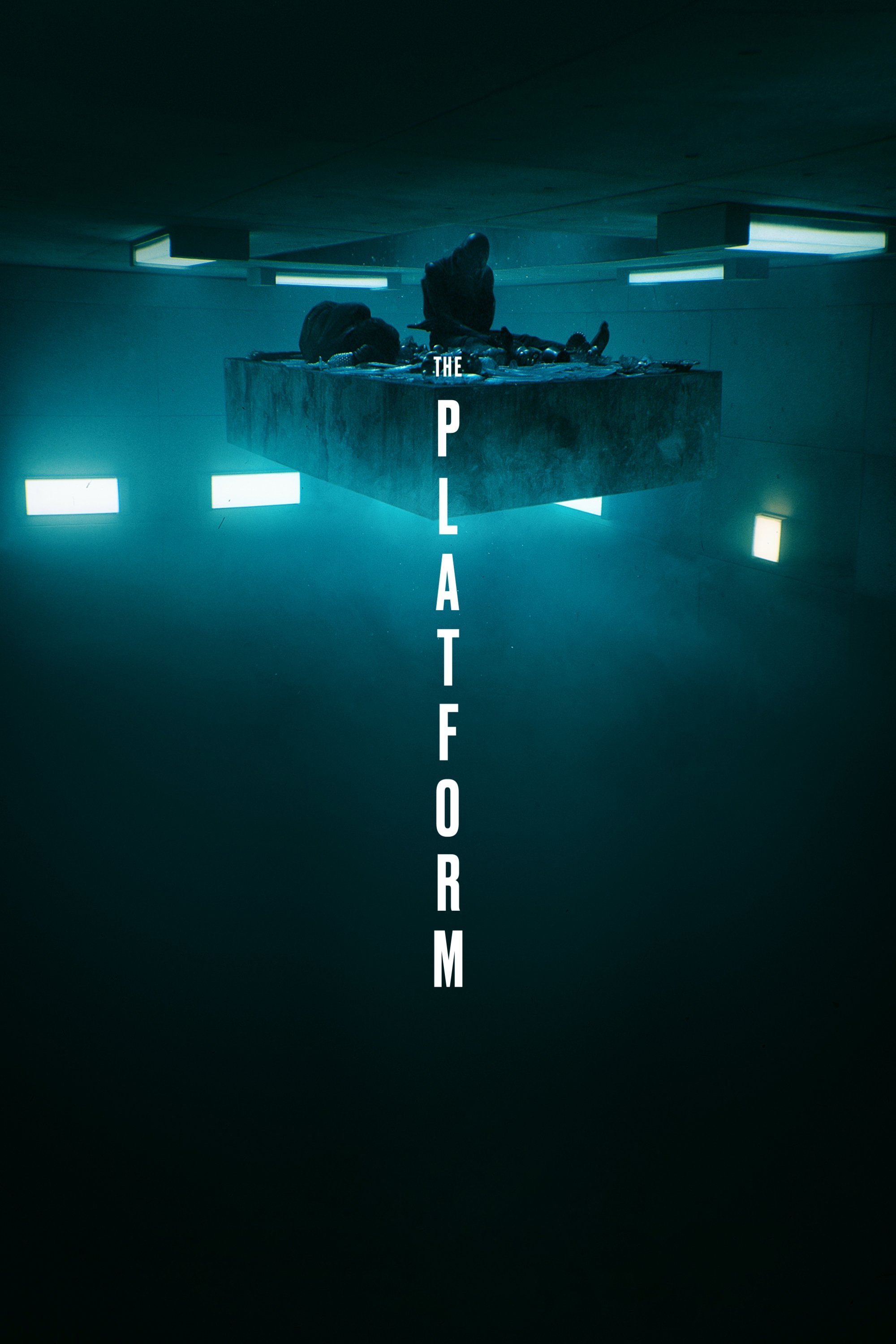

The first shot of The Platform is a man eating. Not a feast, not a banquet: a plate of rice with something that might be meat or might be cardboard. The camera doesn’t move, there’s no music, just the wet sound of chewing and the uncomfortable silence of someone who knows they’re being watched. That’s how Galder Gaztelu-Urrutia welcomes us to his debut feature—with the rawness of a documentary and the ambition of a biblical parable. The problem, like that meal, is that there’s more filler than substance. The film moves like a broken elevator: powerful in the first few floors, then circling the same levels until you’re bored of your own despair.
The Platform isn’t just a vertical prison—it’s a mirror. One of those you find in contemporary museums to make you feel guilty for existing. Here, inmates are randomly assigned to levels—or floors—and each month they descend or ascend without any apparent logic. At the top, the lucky ones stuff themselves until they burst; at the bottom, the condemned rot among the leftovers of those who didn’t know how to share. The metaphor is as subtle as a hammer to the temple: capitalism isn’t a system, it’s a hole no one wants to climb out of because there’s always someone below to step on. But here’s the worst part? The film knows it. And instead of digging into the horror of that revelation, it wallows in it like a teenager who just discovered Marx and thinks they’ve invented the wheel.
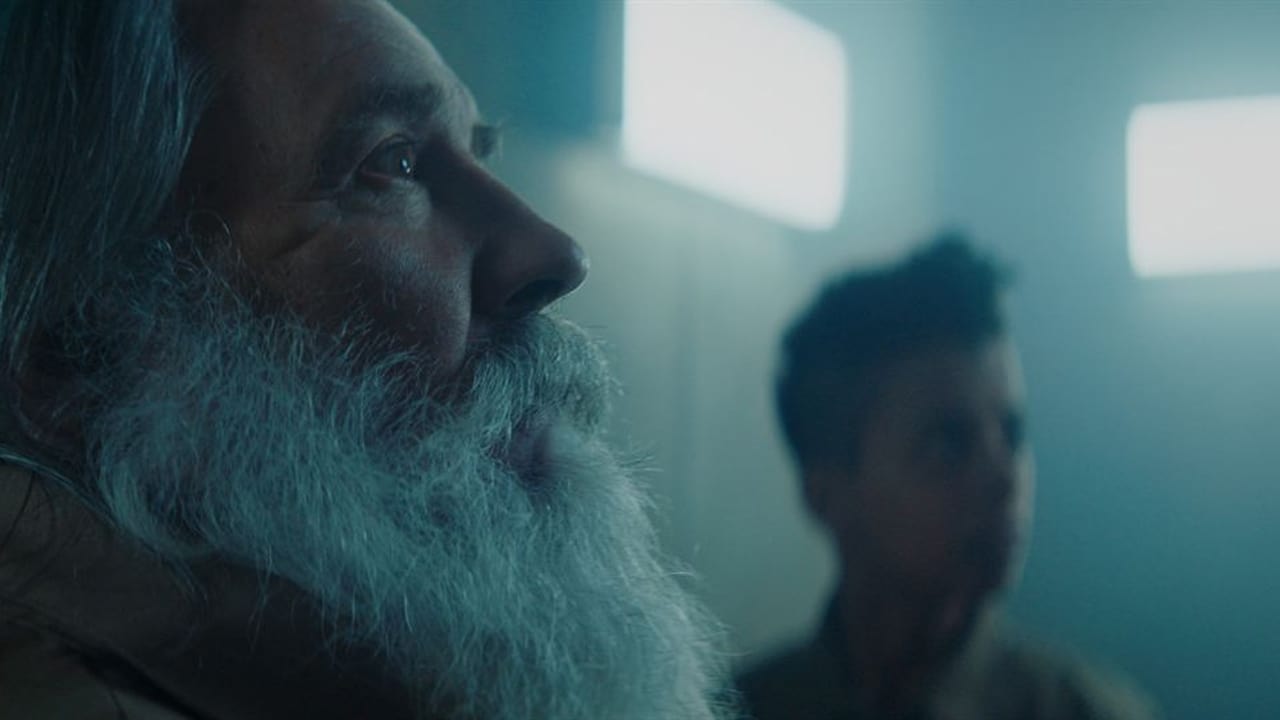
According to the director, the shoot was a controlled hell. The scenes in the hole—a set built in an old Bilbao warehouse—were filmed in chronological order so the actors could feel their characters’ progressive degradation. Ivan Massagué, who plays protagonist Goreng, lost fifteen pounds during the process. Zorion Eguileor, the old man who shares a cell with him in the first levels, improvised most of his most disturbing lines. And yet, all that commitment crashes against a script that, in its eagerness to be symbolic, forgets that symbolism without humanity is just noise. Pedro Rivero, co-writer with David Desola, piles on dialogue that sounds more like a pamphlet than people. When Goreng tells his cellmate that “solidarity is the only way out,” it doesn’t sound like a desperate cry—it sounds like an NGO slogan.
The international success of The Platform—audience award at Toronto, Goya nominations, Netflix distribution—says more about our times than the film itself. We live in a world where hunger (literal and metaphorical) sells, where dystopias no longer scare us because they’re our daily bread. Gaztelu-Urrutia knows this, which is why he bets on a visual style that blends the grimy realism of A Clockwork Orange with the cold aesthetic of Cube. Jon D. Domínguez, the cinematographer, lights the hole like an industrial hell: flickering fluorescent lights, elongated shadows that look like claws, close-ups of mouths chewing with the greed of those who know there’ll be nothing tomorrow. But even here, there are contradictions. The hole is ugly on purpose, yes, but it’s also too pretty to be believable. Every shot is composed like a painting, every frame seems designed for the movie poster. So where’s the real filth of poverty? Where’s the chaos of a crumbling system?
The Allegory That Drowns in Its Own Bile
The big problem with The Platform isn’t its message—it’s its execution. The premise is brilliant: a vertical prison where food descends on a platform from the upper levels, forcing inmates to choose between cannibalism or solidarity. It’s Battle Royale in an elevator, Snowpiercer without the train, a perfect metaphor for a society that devours its children. But Gaztelu-Urrutia and Rivero make the mistake of thinking that visual rawness and a couple of shocking scenes (the child on level 33, the feast on level 6) are enough to sustain 95 minutes of film. They’re not. The second act stalls in a tiresome repetition of the same dynamic: Goreng and his current cellmate descend a level, discover a new horror, debate human nature, repeat. It’s as if the film is afraid to delve deeper into its own idea, as if it prefers to stay on the surface of shock rather than risk an uncomfortable reflection.
The performances are the only lifeline in this shipwreck. Ivan Massagué delivers a remarkable job as Goreng, a man who goes from naivety to madness with terrifying naturalism. His final scene, where he debates between redemption and survival, is the closest the film comes to a moment of truth. But even he’s weighed down by a script that prefers grandiloquent monologues to eloquent silences. Antonia San Juan, as Imoguiri—the official who enters the hole to “improve” it—steals every frame she’s in. Her character is a mix of bureaucracy and mysticism, a woman who believes in the system until the system devours her. She’s, by far, the most interesting thing in the film, but also the most underused. The rest of the cast delivers, though some (like Zihara Llana as a violent inmate) veer into caricature.
The technical aspects are, overall, flawless. The production design by Azegiñe Urigoitia turns the hole into a character in itself: a concrete and metal pit that reeks of urine and despair. The sound, by Urko Garai, is a nightmare of distorted echoes and muffled screams. And Aránzazu Calleja’s score, though sparse, serves its purpose: minimalist chords that sound like a heartbeat on the verge of stopping. But even here, there are flaws. The editing, for example, is too polished for a film that aims to be chaotic. The transitions between scenes are clean, almost elegant, when they should be abrupt, dirty, painful. It’s as if the film doesn’t dare to be as ugly as its message.
The best
- Antonia San Juan’s performance: Imoguiri is the film’s most complex character, and San Juan plays her with a mix of bureaucratic coldness and aching humanity. Her scene with Goreng on level 33 is the closest the film comes to a moment of grace.
- The production design: The hole is a character in itself, a vertical labyrinth that reeks of rot and resignation. Urigoitia makes each level feel distinct, even if the script doesn’t always know what to do with them.
- The first act: The first 30 minutes are electrifying. The introduction to the hole, Goreng’s arrival, the discovery of the platform... It’s the only moment the film feels alive, dangerous, unpredictable.
- Jon D. Domínguez’s cinematography: He lights hell like a Caravaggio painting: with chiaroscuro that hides as much as it reveals. The close-ups of chewing mouths are unbearably raw.
The worst
- Pedro Rivero and David Desola’s script: Too obvious, too symbolic, too in love with its own dialogue. When Goreng says “solidarity is the only way out,” it sounds like a political campaign slogan, not a desperate cry.
- The repetition in the second act: The film stalls in a tiresome dynamic: they descend a level, discover a horror, argue, repeat. It’s as if the director is afraid to dig deeper into his own idea.
- The ending: Pretentious, confusing, and above all, cowardly. After 90 minutes of fierce criticism of the system, the film chickens out and offers a resolution that reeks of compromise. It’s as if it didn’t dare to be as pessimistic as its premise.
The over-explained symbolism: The Platform* doesn’t trust the audience’s intelligence. Every metaphor is so obvious even your grandma would get it, and then it repeats them ad nauseam. Fewer grand speeches, more silence, please.
The Verdict of Claqueta Ácida
The Platform is like that friend who shows up to the party with a brilliant idea, spends two hours explaining it, and then leaves without dancing once. It’s got power, it’s got ambition, it’s got moments of genuine horror... but it’s also got a script that wallows in its own cleverness, a second act that repeats like a scratched record, and an ending that betrays everything the film seemed to want to say. Gaztelu-Urrutia proves he knows how to create oppressive atmospheres and has a keen eye for framing, but he also lacks the courage to take his ideas to their ultimate consequences. In the end, The Platform leaves you hungry—not for food, but for something more. For truth, maybe. For risk. For that spark that turns a good idea into a great film. But, like in the hole, what trickles down is always less than you expected. 💀
tweets_alternativos:
- "Galder Gaztelu-Urrutia dirige como si el presupuesto se lo hubieran dado en latas de atún y rollos de papel higiénico. Y sin embargo... @galdergu 6/10 #ElHoyo"
- "Ivan Massagué pasa de héroe a caníbal en 90 minutos. La evolución más lógica desde que el ser humano descubrió el fuego. @ivanmassague #ClaquetaÁcida"
🎬 Tráiler Oficial
Abrir en YouTube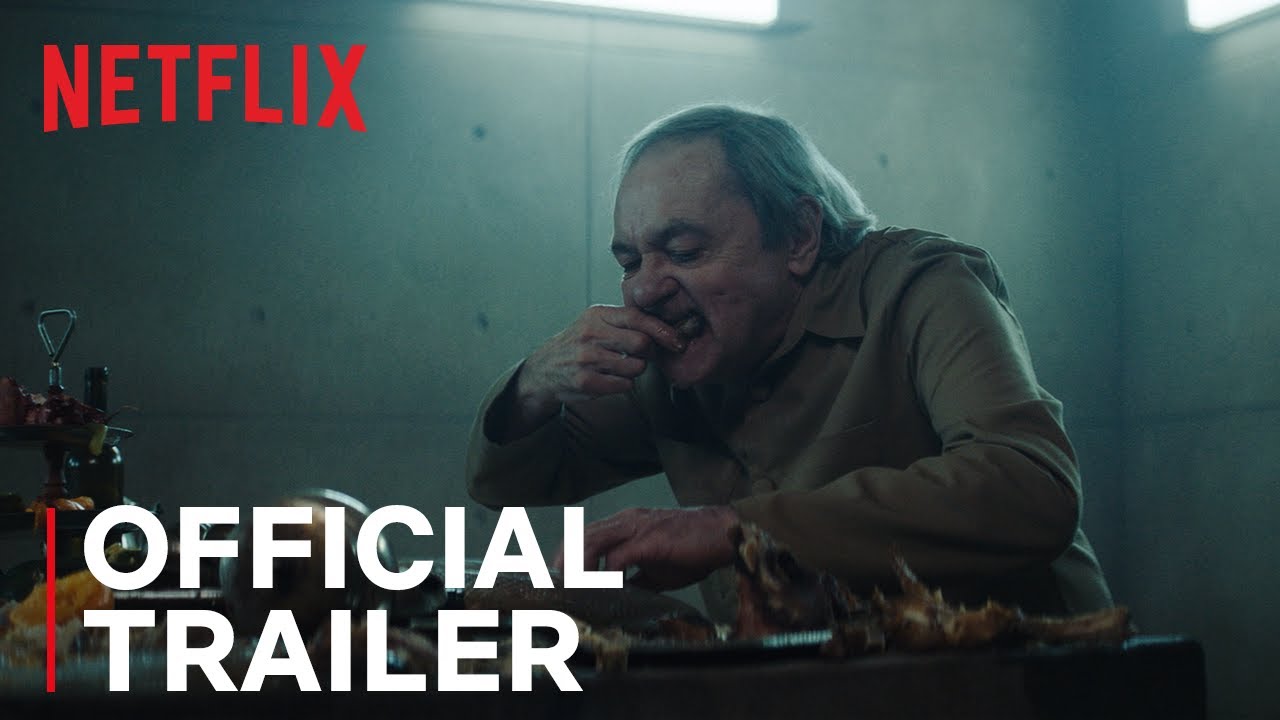
Ficha de Daños Colaterales en Sala
Certificado de impacto psicofísico emitido por Lúa Ácida
1 amago en el tramo intermedio; pestañeo pesado en las transiciones más innecesarias.
Minuto 55 y minuto 73 (comprobando cuánto quedaba de suplicio).
2 espressos para no dejarse vencer por la mediocridad cómoda.
"A mitad del segundo acto cuando la subtrama secundaria empezó a pesar más de lo que aportaba."
💬 El Veredicto de la Comunidad
¿Qué te ha parecido la película? Deja tu nota de 0 a 10 para contrastarla con el análisis de la redacción.
Aún no has votado
📢 ¿Te ha gustado el ácido?
Comparte esta crítica con tus amigos cinéfilos o desata la polémica en redes.
⚡ THE CINEMATIC VENOM YOUR INBOX CRAVES
No sugarcoated ratings, no corporate fluff. Subscribe for our uncensored weekly analysis or join the private Telegram for press previews, poll clashes, and instant alerts.
Alertas de estrenos en 1 segundo, encuestas en caliente y audios al salir de pases de prensa.
Recibe la dosis semanal en tu mail + regalo inmediato del PDF con 50 joyas ocultas de culto.
Related Reviews
Recommended autopsies for demanding film buffs.
 ⚡ Ácido Cítrico6.0
Adolescence, Sex, and Death at Camp Miasma: The Slasher That Reeks of Teen Sweat and a Recycled Script
⚡Hermana de saga: otro capítulo diseccionado con rigor forense.
Jane Schoenbrun turns a summer camp into a dumpster fire of hormones and clichés. Art or autopsy of a dying subgenre?
 ⚡ Ácido Cítrico5.0
*Chime: The Japanese Whisper No One Asked For (And Everyone Deserved to Ignore)*
⚡Hermana de saga: otro capítulo diseccionado con rigor forense.
*The Japanese Whisper No One Asked For (And Everyone Deserved to Ignore). Kiyoshi Kurosawa dives into domestic horror with *Chime*, a series that whispers more than it screams and bores more than it terrifies. Art or visual nap time?*
 ⚡ Ácido Cítrico6.8
Marrowbone's Secret: The House That Bleeds Memory (And Not Exactly From the Budget)
⚡Hermana de saga: otro capítulo diseccionado con rigor forense.
Sergio G. Sánchez crafts a gothic thriller with textures so rotten they reek of mothballs. Does it escape its own labyrinth of references, or does it drown in them?
Editorial Ecosystem
Cinephile connections, archive interviews and related analyses.
💬 Debate Cinéfilo & Autopsia de Lectores
0 veredictos¿Discrepas con nuestra nota? ¿Es una obra maestra o veneno puro? Deja tu veredicto abajo sin necesidad de registro.


Aún nadie ha dejado su veredicto para esta película.
Sé el primero en clavarle el colmillo rellenando el formulario de arriba.