Million Dollar Baby — The Ring’s Fable That Knocked Us Out with Its Gilded Bile
Clint Eastwood turns a boxing drama into a premature funeral. Maggie Fitzgerald reminds us that the real knockout punch is life itself.

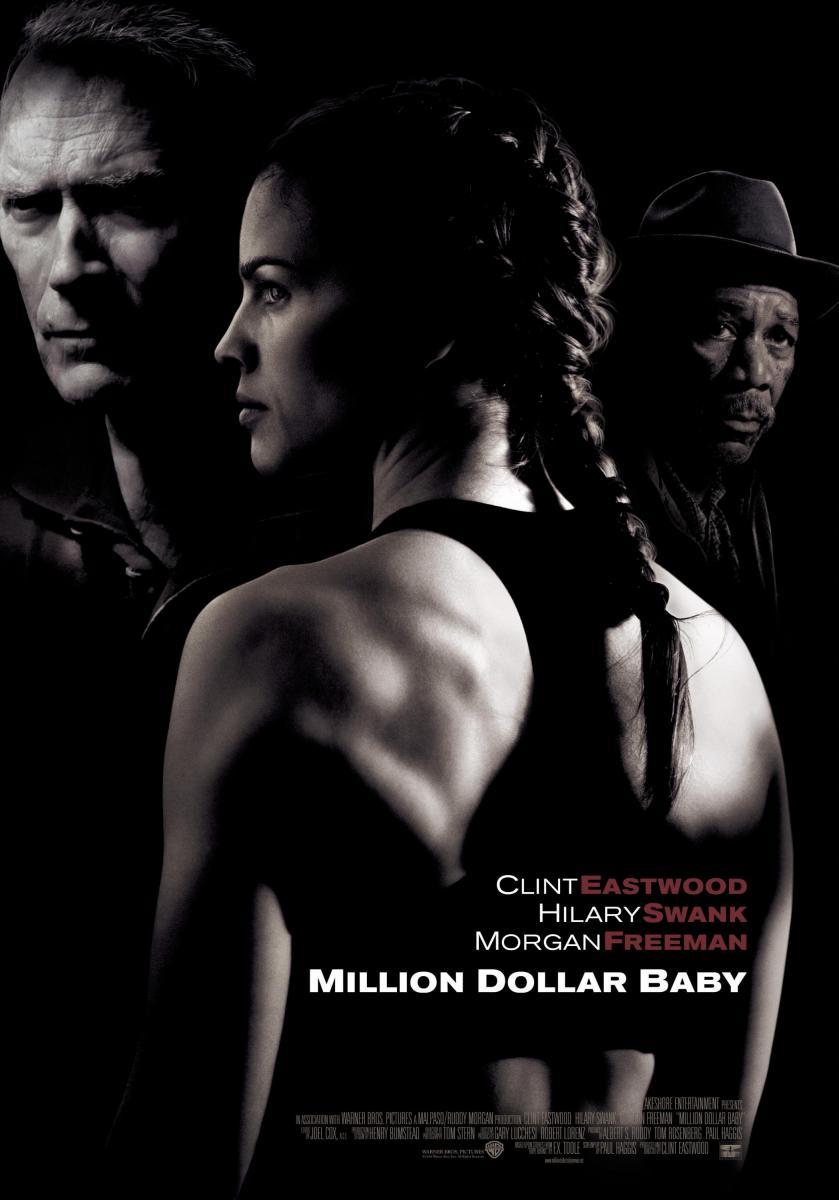


The theater reeks of stale popcorn and the nostalgia of burnt celluloid. Million Dollar Baby isn’t a movie about boxing—it’s a Technicolor funeral, a requiem for losers who refuse to go down without a fight. Clint Eastwood, that grizzled old salt of cinema, drags us into a Los Angeles gym that looks like it was plucked from one of John Cassavetes’ fever dreams, where the ring’s ropes are more frayed than the hopes of those who step between them. Here, sweat isn’t a metaphor—it’s diluted blood, and every punch echoes like a ghost of Raging Bull, but with the melancholy of a blues tune played in an empty bar at 3 AM. It’s no accident that Paul Haggis’ script reeks of cheap whiskey and dialogue chiseled by hand; these kinds of stories only survive when someone writes them with their fingernails, not a keyboard.
Eastwood’s cinema has always had that patina of dead stardust, but here, the director outdoes himself: he turns a sports drama into a journey to the heart of darkness, where the ring is hell and the gloves are shackles. The film doesn’t open with a fight—it starts with a close-up of a scarred back, as if Eastwood is whispering in our ear: «This isn’t about winning. It’s about surviving.» And survive we do. Hilary Swank storms onto the scene as Maggie Fitzgerald, a Missouri waitress with more hunger than technique, but with a determination that would make Rocky Balboa blush. She’s not a boxer—she’s a martyr in gloves, a secular saint who prays in the ring while the world kicks her ribs in. Her physical transformation isn’t a makeup trick—it’s a miracle of flesh and bone, a metamorphosis that hurts as much as the blows she takes. Eastwood, as Frankie Dunn, is the shattered mirror of his own legend: a bitter trainer who sees in Maggie the reflection of his lost daughter, and in boxing, the last excuse not to drown in his own bile.
The third point of this cursed triangle is Eddie «Scrap-Iron» Dupris, played by Morgan Freeman with that velvet-poisoned voice, narrating as if from beyond the grave. Scrap isn’t just a character—he’s the Greek chorus of this tragedy, a man who’s seen so much pain that all he can do is recount it with irony and a cigarette dangling from his fingers. His relationship with Frankie is the rotting heart of the film, a bond forged in awkward silences and glances that say everything without words. Eastwood films these moments with a visual economy bordering on minimalism, as if every shot were a punch: direct, unadorned, and meant to leave a mark. Tom Stern’s cinematography is a symphony of shadows and deathly light, where faces are lit like Caravaggio paintings, but with the rawness of a war documentary. There’s no glamour here—just sweat, blood, and the certainty that no one walks away unscathed.
Haggis’ script is a masterclass in ellipsis, leaping between past and present with the ease of a boxer dodging blows. There are no emotional underlines or grand speeches; truths are muttered through gritted teeth, like when Frankie snarls at Maggie: «Boxing is for men, not girls.» It’s a line that stings more than any uppercut, because we know the real fight is against prejudice, against fate, and against that inner voice whispering we’re not good enough. The film barrels forward like a runaway train toward the abyss, and when the climactic moment arrives—the one I won’t spoil, but that’ll leave you gaping and clutching your chest—Eastwood proves that cinema doesn’t need special effects to be brutal, beautiful, and devastating.
Clint Eastwood’s Direction: The Old Gunslinger Who Shot Straight for the Heart
Clint Eastwood doesn’t direct Million Dollar Baby—he carves it into marble with a rusted chisel, shaping it with sharp, precise blows. There’s no room for cheap sentimentality in his cinema, and this film is the ultimate proof. Eastwood understands that boxing is ballet with bruises, so he films every fight like a choreography of pain, where every movement has a purpose and every hit leaves a scar. It’s no accident that the most memorable shots are the ones where the camera lingers, watching the characters bleed in silence. The director knows the real drama isn’t in the ring—it’s in the locker rooms, the dimly lit gym hallways, those glances that say everything without words.
The relationship between Frankie and Maggie is the film’s central axis, and Eastwood films it with a tenderness so violent it’s almost frightening, as if he’s afraid too much emotion might break the spell. There’s one scene in particular—when Maggie asks Frankie to read her a letter from her mother—that’s so intimate and gut-wrenching it hurts to watch. Eastwood doesn’t force the emotion; he just lets the actors breathe, lets the silence speak for them. And speak it does. The score by Kyle Eastwood and Michael Stevens—yes, the director’s son—is another triumph: a guitar-and-piano lament that sounds like a dirge, as if Eastwood himself were plucking our heartstrings with trembling fingers. There’s no grandiosity, just pure melancholy, the sound of a man who knows life is short and art should hurt.
The editing by Joel Cox is another of the film’s strengths. There are no unnecessary cuts, no rush—every transition is a sigh between punches, a moment for the audience to absorb what they’ve just seen. Eastwood and Cox understand that cinema is rhythm, and here, the rhythm is that of a weary boxer still getting up, round after round, even when defeat is inevitable. The film isn’t in a hurry to reach its climax; it takes its time, like an old fighter who knows the real battle isn’t against his opponent, but against the clock.
Performances: Blood, Sweat, and Tears (Literally)
Hilary Swank doesn’t play Maggie Fitzgerald—she becomes her, as if she sold her soul to the devil for an Oscar. Her physical transformation is mind-blowing, but what’s truly staggering is how she balances vulnerability and ferocity in equal measure. Maggie isn’t a hero—she’s a survivor, a woman who’s taken so many hits she doesn’t know how to do anything but get back up. Swank doesn’t act—she bleeds on screen, and every tear, every scream, every forced smile is a reminder that when cinema is done right, it hurts. Her chemistry with Eastwood is electric, a mix of mutual respect and unrequited love that makes every scene between them a velvet-wrapped dagger. When Maggie tells Frankie, «I don’t care what happens, I’ll always be your girl», it’s not just a line—it’s a blood oath.
Clint Eastwood, for his part, proves he’s the last cowboy of American cinema, a man who’s seen so much all he can do is stare into the void and smile bitterly. Frankie Dunn is a bundle of contradictions: a religious man who doesn’t believe in God, a trainer who hates boxing, a father who can’t save his daughter. Eastwood doesn’t need to shout to convey his pain—all it takes is an uncomfortable silence or a lost look for the audience to feel they’re witnessing something real, raw, and profoundly human. His performance is austere to the point of asceticism, as if he knows any excess emotion would ruin the film’s magic. And damn, does it work.
Morgan Freeman, of course, steals every scene he’s in. His voice is a balm for the soul, but his words are honey-coated knives. Scrap-Iron Dupris is the film’s soul, the man who’s seen so much all he can do is laugh at life. Freeman doesn’t act—he exists, as if he were born to play this role. His voiceover is a masterclass in irony, a reminder that sometimes the best way to face pain is to tell it with a smile. When he says, «Boxing is the only sport where you can’t win unless you’re willing to lose», it’s not just a pretty phrase—it’s a truth like a fist.
The rest of the cast delivers solid work, though no one shines as brightly as these three titans. Jay Baruchel brings some humor as Danger Barch, Maggie’s sparring partner, while Mike Colter does the same with Big Willie Little, a boxer who serves as a counterpoint to the main story. But let’s be honest: this is Swank, Eastwood, and Freeman’s film, and everyone else is just a side dish at a banquet of brutal emotions.
The best:
Hilary Swank’s performance: A physical and emotional transformation that takes your breath away. Swank doesn’t play* Maggie—she becomes her, with an intensity that hurts. Her final scene is one of the most heart-wrenching in modern cinema.- Clint Eastwood’s direction: Cold, precise, and ruthlessly human. Eastwood doesn’t need special effects to move us—all it takes is a close-up and a silence to break our hearts.
- Tom Stern’s cinematography: A visual poem of shadows and light, where every frame looks like it was lifted from a Rembrandt painting. The lighting in the fights is brutal and beautiful, as if the ring itself were a Greek theater stage.
- Paul Haggis’ script: Dialogue sharp as knives and flawless narrative structure. Haggis knows the real drama isn’t in the ring—it’s in the silences between the characters.
- Kyle Eastwood and Michael Stevens’ score: A minimalist and devastating soundtrack, as if Eastwood composed the notes with his own tears. The acoustic guitar sounds like a lament, a reminder that life is short and art should hurt.
The worst:
- The pacing in the first 30 minutes: The film takes its time getting started, as if Eastwood is afraid to hit the gas too soon. Some viewers might get impatient before the story gains momentum.
- Danger Barch (Jay Baruchel): While he adds a touch of humor, his character arc doesn’t contribute anything essential to the plot. He’s like unnecessary filler in a feast of brutal emotions.
- Some sports-movie clichés: There are moments where the film falls into boxing-movie tropes (the arrogant rival, the bitter trainer), though Eastwood thankfully rises above them with his narrative mastery.
- Underdeveloped secondary characters: Characters like Big Willie Little or Maggie’s mother are reduced to almost anecdotal roles, when they could’ve added more depth to the story.
- The ending (no spoilers): While brutal and necessary, it might feel too abrupt for some viewers. Eastwood doesn’t beat around the bush, and that could leave more than one clutching their chest.
The Verdict of Claqueta Ácida:
Million Dollar Baby isn’t a movie about boxing—it’s a gut punch disguised as a moral fable. Clint Eastwood reminds us that when cinema is done right, it doesn’t need special effects or grand speeches: all it takes is a ring, a pair of gloves, and three actors willing to bare their souls on screen. Hilary Swank, Eastwood, and Morgan Freeman turn this story into a requiem for losers, a film that hurts, moves, and, above all, doesn’t fade from memory. It’s not a flawless masterpiece—it has its weaknesses, its slow moments—but it’s one of those films that haunts you, like a ghost, like a painful memory. Eastwood doesn’t give us answers; he leaves us with a lump in our throats and the certainty that, in the end, life always wins by KO. 💀🎬 Tráiler Oficial
Abrir en YouTube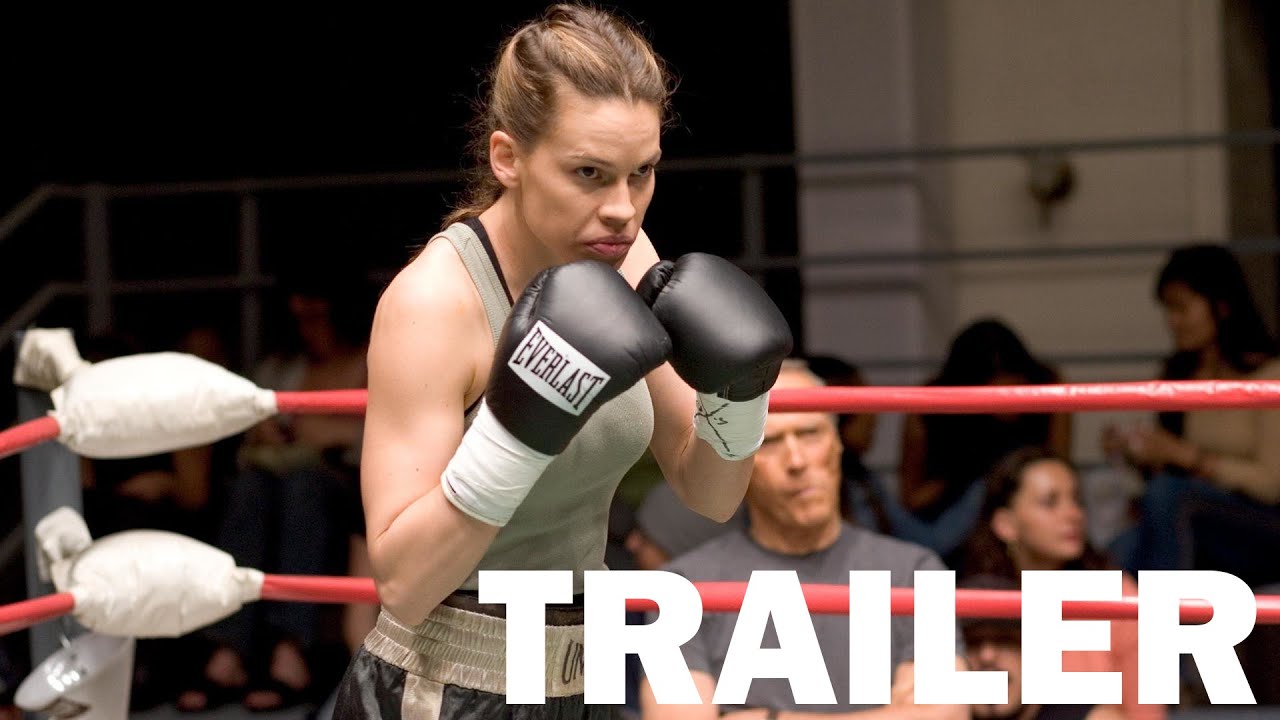
Ending Explained: Million Dollar Baby
Ficha de Daños Colaterales en Sala
Certificado de impacto psicofísico emitido por Dr. Cinismo
Cero. La pantalla absorbió cada segundo de atención disponible.
Ninguna comprobación del tiempo. Se agradece la rareza.
Ninguna: la adrenalina cinematográfica es suficiente.
"No aplica. La obra se sostiene sola."
💬 El Veredicto de la Comunidad
¿Qué te ha parecido la película? Deja tu nota de 0 a 10 para contrastarla con el análisis de la redacción.
Aún no has votado
📢 ¿Te ha gustado el ácido?
Comparte esta crítica con tus amigos cinéfilos o desata la polémica en redes.
⚡ THE CINEMATIC VENOM YOUR INBOX CRAVES
No sugarcoated ratings, no corporate fluff. Subscribe for our uncensored weekly analysis or join the private Telegram for press previews, poll clashes, and instant alerts.
Alertas de estrenos en 1 segundo, encuestas en caliente y audios al salir de pases de prensa.
Recibe la dosis semanal en tu mail + regalo inmediato del PDF con 50 joyas ocultas de culto.
Related Reviews
Recommended autopsies for demanding film buffs.
 🔥 Fusión Nuclear8.5
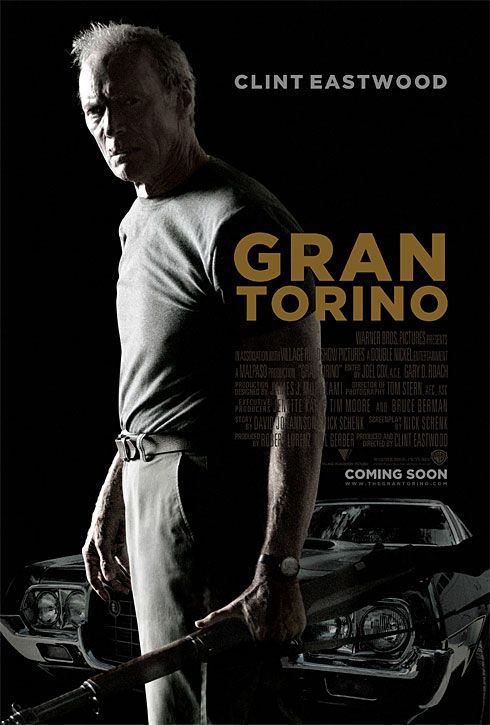
*Gran Torino: Clint Eastwood’s Last Stand in a Neighborhood Without Horses*
⚡Del mismo director (Clint Eastwood): analiza la evolución o degradación de su estilo.
Clint Eastwood bids farewell to cinema with an urban western that’s a hymn to loneliness and redemption—if by "hymn" you mean a raspy growl from a man who’d rather spit on your shoes than sing you a lullaby.
 🔥 Fusión Nuclear9.5
*2001: A Space Odyssey – A Monkey, a Monolith, and Two Hours of Cosmic Pretentiousness*
⚡Consagradas en el olimpo transgresor con 🔥 Fusión Nuclear.
We dissect Stanley Kubrick’s magnum opus. A visual feast of minimalism and space hypnosis that cemented "serious" sci-fi—and bored half of humanity to tears.
 🔥 Fusión Nuclear9.3
2001: A Space Odyssey — The Day Kubrick Left Us Speechless (and Oxygenless)
⚡Consagradas en el olimpo transgresor con 🔥 Fusión Nuclear.
Kubrick turned science fiction into pure art: 149 minutes of eloquent silence, bone-wielding apes, and a psychopathic computer. Masterpiece or pretentious fraud? Here’s the verdict.
Editorial Ecosystem
Cinephile connections, archive interviews and related analyses.
🎞️ In Claqueta Cinematheque1
💬 Debate Cinéfilo & Autopsia de Lectores
0 veredictos¿Discrepas con nuestra nota? ¿Es una obra maestra o veneno puro? Deja tu veredicto abajo sin necesidad de registro.

Aún nadie ha dejado su veredicto para esta película.
Sé el primero en clavarle el colmillo rellenando el formulario de arriba.