Primate — The Chimp That Doomed Us All (And It Wasn’t the Only One)
Johannes Roberts turns a rabid premise into a tropical nightmare dripping with more sweat than scares. Is it worth it? Yes—but not for the reasons you’d think.

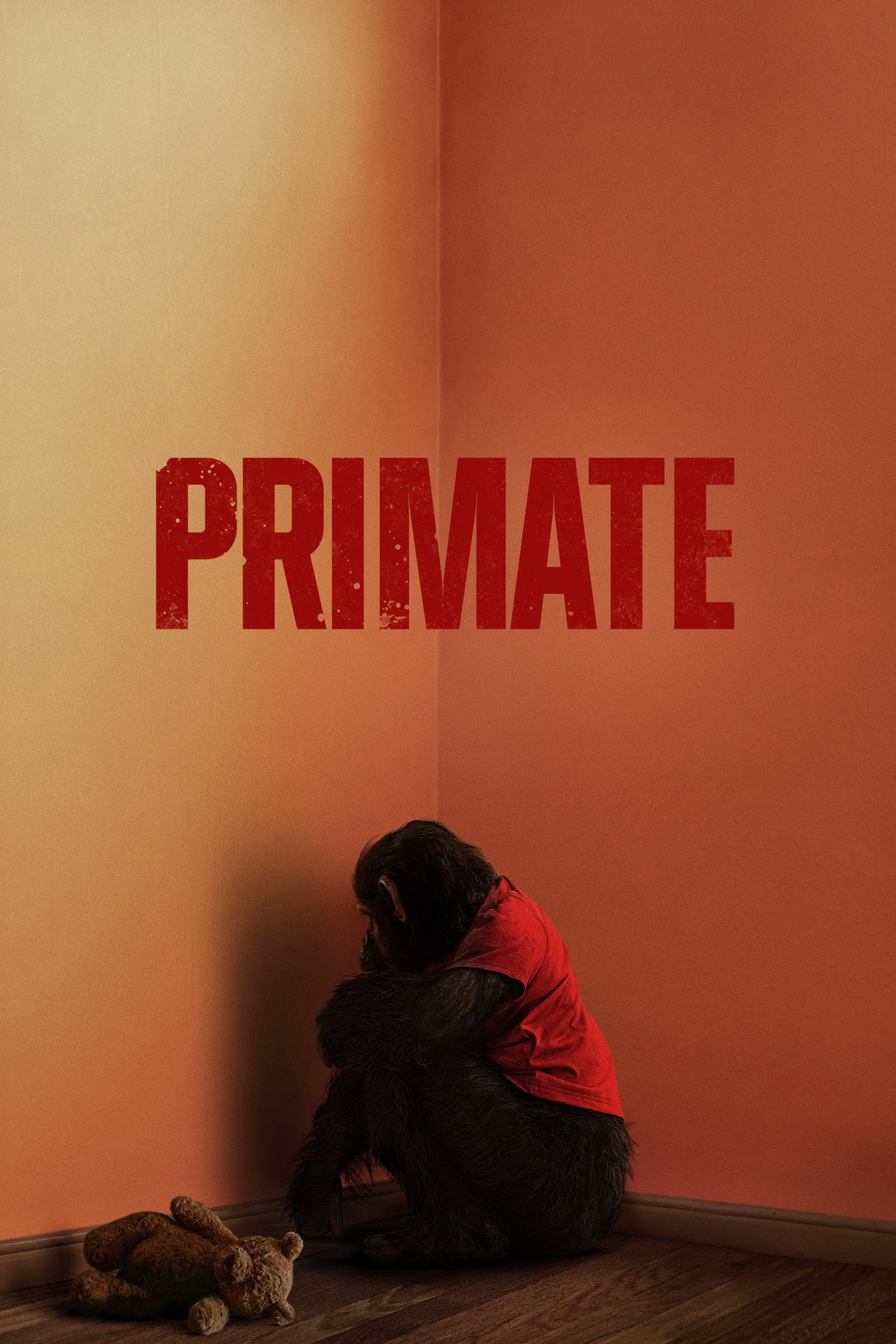


Hawaii has never felt so hostile. Or at least, that’s what Primate wants you to believe—the latest gamble from Johannes Roberts to convince us that a rabid chimp is scarier than climate change, gentrification, or the fact that Paramount keeps betting on him after 47 Meters Down. Roberts isn’t a bad director—he’s got a clinical eye for suspense—but there’s something deeply ironic about his most ambitious film to date also being the one that feels like a tropical déjà vu. Lucy (Johnny Sequoyah) and her friends arrive at the family’s island home for a vacation promising sun, booze, and zero responsibilities. What they don’t know is that Ben, the family chimp, has just been bitten by an infected animal and is about to become the worst roommate in cinema history. Spoiler: he’s not the only monster in this movie.
Roberts has built his career on survival horror, that subgenre that turns space into a character and claustrophobia into a religion. In Primate, the space is the Hawaiian jungle—a place that should feel lush and liberating but, under his direction, becomes a trap with no escape. The problem isn’t the premise—a rabid animal turning on its owners—but that Roberts seems more interested in the setup than the payoff. The first twenty minutes are promising: the chimp acts strange, the characters ignore the signs, and the audience knows this will end in a bloodbath. But when the blood arrives, it does so with the force of a miscalculated jump scare. There’s no built-up tension, just a lot of screaming and running in circles that, to make matters worse, repeats ad nauseam. It’s as if Roberts watched Cujo once, took notes on the dog’s barks, and decided that was enough to terrify an audience in 2026.
The most curious thing about Primate is that, despite its flaws, something about it lingers. It’s not the chimp—who, by the way, is played by a motion-capture actor, and it shows—nor is it the script, which swings between predictable and outright ridiculous. It’s the atmosphere. Hawaii isn’t just a pretty backdrop; it’s a character in itself, one Roberts films with a mix of reverence and sadism. The jungle is humid, sticky, oppressive. The sound of insects isn’t ambient noise—it’s a constant threat. And when the camera closes in on the characters’ sweaty faces, you can feel the weight of the air, as if the oxygen itself is tainted by the monkey’s rage. It’s in these moments, when Roberts forgets the script and focuses on the atmosphere, that Primate shines. The problem is these are just flashes in a film that, as a whole, feels more like a rough draft than a finished work.
It doesn’t help that the cast is stuck with a script that gives them little to work with. Johnny Sequoyah does her best with Lucy, a character who swings between bravery and stupidity without much justification. Jessica Alexander has a few memorable moments, especially in a scene where she tries to communicate with Troy Kotsur, the only character who brings any depth to the story. Kotsur, who plays Lucy’s uncle, is deaf, and his on-screen presence is a constant reminder of what the rest of the characters could’ve been if they had even a shred of coherence. It’s a shame the script relegates him to a supporting role, because his performance—silent, intense, full of nuance—is the only thing that saves Primate from being a mere slasher with a monkey.
Direction and staging: The art of the predictable
Johannes Roberts knows how to build tension. The problem is, in Primate, he seems more interested in repeating formulas than innovating. The film follows the classic survival horror structure: introduce the characters, drop the conflict, escalate the violence, and deliver a climax that should leave you breathless but instead leaves you wondering if the chimp wasn’t actually the least dangerous thing in this movie. Roberts uses tight close-ups to amplify claustrophobia, but he overuses them to the point where they lose their impact. There’s one scene in particular—where Lucy tries to escape the chimp through a narrow tunnel—that should be terrifying. Instead, it feels like a poorly integrated filler, a desperate attempt to stretch the runtime before the inevitable bloodbath.
Roberts’ biggest success is his use of sound. It’s not just that the score is effective—it is—but the sound design is so well-integrated that it becomes a character in itself. The creaking branches, the buzzing insects, the characters’ gasps: everything is amplified to the point where you can feel the tension on your own skin. It’s a shame this level of detail doesn’t extend to the script, which often falls into genre clichés. The dialogue is flat, the characters act illogically (why doesn’t anyone think to call a vet before the chimp starts ripping off heads?), and the plot’s development is so predictable you could guess every twist half an hour in advance. Roberts has talent, but Primate proves that talent without original ideas isn’t enough.
Performances: When the script doesn’t help
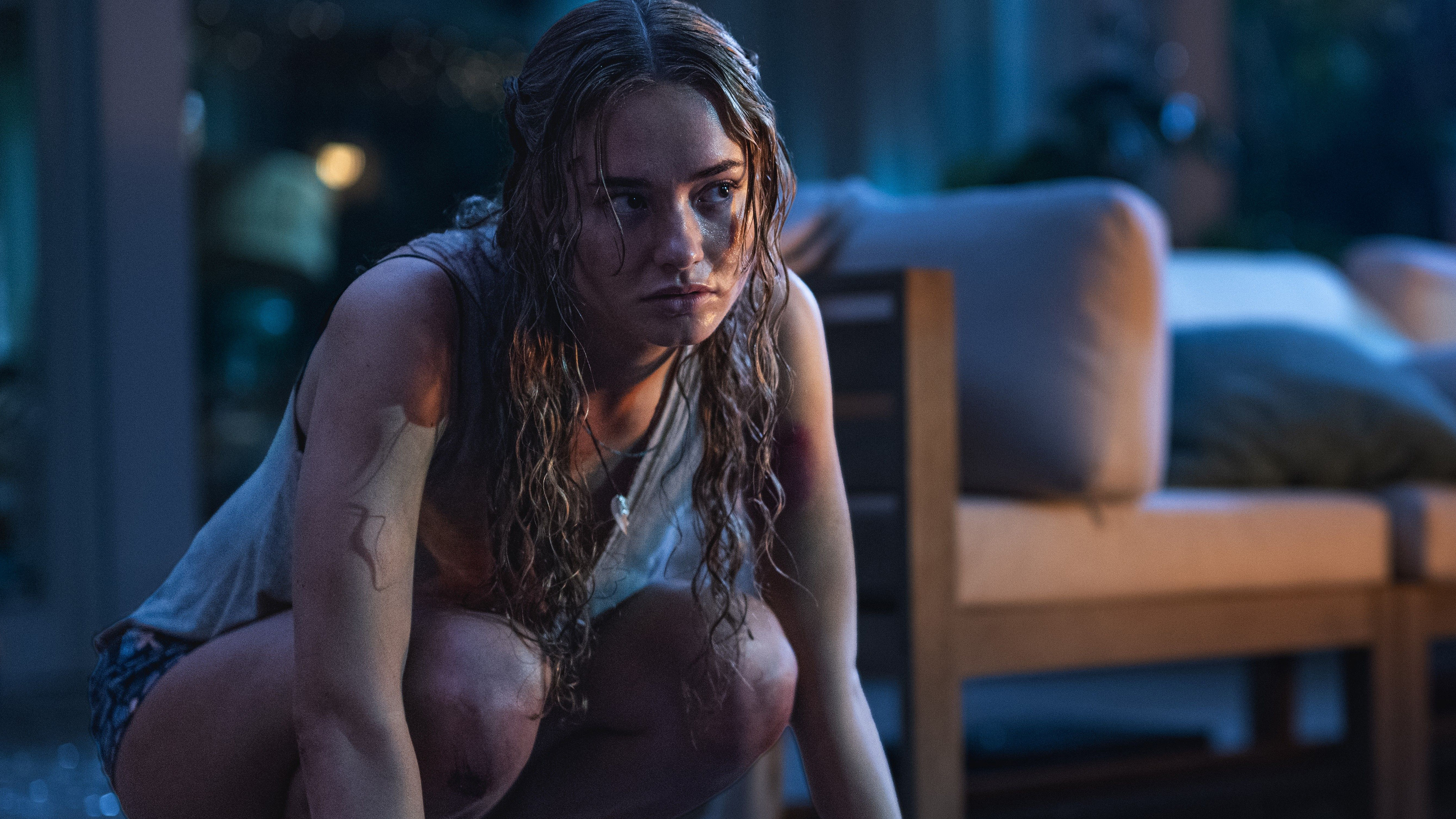
The cast of Primate does what they can with a script that gives them little room to maneuver. Johnny Sequoyah is the lead, but Lucy is a character who swings between bravery and stupidity without much coherence. One moment she’s making smart decisions, the next she’s running toward danger as if her life depends on it (spoiler: it does). Jessica Alexander has a few standout moments, especially in scenes where she interacts with Troy Kotsur, but her character also suffers from a lack of development that reduces her to little more than a lucky scream queen.
The real discovery here is Troy Kotsur. His performance is silent but incredibly expressive, and his on-screen presence is a constant reminder of what the rest of the characters could’ve been if they had even a hint of depth. Kotsur plays Lucy’s uncle, a deaf man who lives in the house and, ironically, is the only one who seems to grasp the gravity of the situation from the start. His performance is subtle but powerful, and it’s a shame the script doesn’t give him more space to shine. In a movie full of screams and running, Kotsur proves that sometimes silence can be scarier than any monster.
The best
- The atmosphere: Roberts turns Hawaii into a character—one that breathes, sweats, and suffocates you. The jungle isn’t a pretty backdrop; it’s a humid, sticky trap that makes you feel every drop of sweat on screen.
- The sound design: The creaking branches, the buzzing insects, the characters’ gasps… Everything is amplified to the point where you can feel the tension on your own skin. It’s the only element that truly pulls you into the film.
Troy Kotsur: His silent performance is the only thing saving Primate from being a mere slasher* with a monkey. Kotsur proves that horror doesn’t need screams to be effective.
- Some visual shots: There are moments where Roberts achieves memorable framing, especially when the camera lingers on the characters’ sweaty faces. These are glimpses of what this movie could’ve been.
The worst
- The script: Predictable, cliché-ridden, and with dialogue that swings between flat and outright ridiculous. The characters act illogically, and the plot is so obvious you could guess every twist half an hour in advance.
The chimp: Played by a motion-capture actor, and it shows. It’s not terrifying; it’s uncomfortable to watch, like someone tried to make Planet of the Apes* on a Syfy movie budget.
- The pacing: The film feels like a rough draft, with scenes repeating ad nauseam and a climax that arrives too late. Roberts seems more interested in stretching the runtime than telling a coherent story.
The lack of originality: Primate doesn’t bring anything new to the genre. It’s Cujo with a monkey, The Descent without interesting women, and 47 Meters Down* but on dry land. If you’ve seen one survival horror movie, you’ve seen this one.
The Verdict of Claqueta Ácida
Primate is proof that Johannes Roberts can create oppressive atmospheres and moments of genuine tension, but also that horror needs more than a rabid chimp and a pretty setting. The film has flashes of brilliance—the sound design, Troy Kotsur’s performance, some memorable visual shots—but they’re drowned in a sea of clichés, flat dialogue, and a script that feels like it was written on a Sunday afternoon. It’s not bad, but it’s not what it could’ve been. And in a genre that thrives on innovation, that’s almost worse than total failure. Roberts has talent, but Primate is a reminder that talent without original ideas isn’t enough. At least the chimp wasn’t the only monster in this movie. 💀
tweets_alternativos:
- "@JohannesRoberts: Entre 47 Meters Down y Primate, has encontrado tu nicho: gente atrapada en lugares claustrofóbicos con criaturas que no deberían existir. ¿El próximo proyecto? The Titanic: Sharks vs. Passengers."
- "@JessicaAlexandr y @JohnnySequoyah intentan salvar su amistad mientras un chimpancé les arranca la piel a tiras. El problema no es la rabia del mono, sino lo predecible de sus diálogos. #Primate2026"
- "@ParamountPics: Gastar millones en un chimpancé rabioso para que al final el verdadero monstruo sea el guion. Primate es el recordatorio de que el terror no necesita presupuesto, solo ideas. Y aquí escasean."
🎬 Tráiler Oficial
Abrir en YouTube
Theater Collateral Damage Report
Psychophysical impact certificate issued by Lúa Ácida
3 amagos en el tramo intermedio; pestañeo pesado en las transiciones más innecesarias.
Minuto 52 y minuto 89 (comprobando cuánto quedaba de suplicio).
1 espresso para no dejarse vencer por la mediocridad cómoda.
"A mitad del segundo acto cuando la subtrama secundaria empezó a pesar más de lo que aportaba."
💬 Community Verdict
What did you think of the film? Rate it from 0 to 10 to compare it with the editorial review.
You haven't voted yet
📢 ¿Te ha gustado el ácido?
Comparte esta crítica con tus amigos cinéfilos o desata la polémica en redes.
⚡ THE CINEMATIC VENOM YOUR INBOX CRAVES
No sugarcoated ratings, no corporate fluff. Subscribe for our uncensored weekly analysis or join the private Telegram for press previews, poll clashes, and instant alerts.
Alertas de estrenos en 1 segundo, encuestas en caliente y audios al salir de pases de prensa.
Recibe la dosis semanal en tu mail + regalo inmediato del PDF con 50 joyas ocultas de culto.
Related Reviews
Recommended autopsies for demanding film buffs.
 ⚡ Ácido Cítrico7.1
28 años después
⚡Afinidad temática directa en atmósfera, estilo y fijaciones visuales.
Una secuela que huele a podrido desde el primer fotograma. Garland y DaCosta intentan revivir el género, pero el resultado es un KO técnico disfrazado de obra maestra.
 ⚡ Ácido Cítrico5.8
**A Serbian Film: The Snuff That Thought It Was Art (and Ended Up a High-School Nightmare)**
⚡Afinidad temática directa en atmósfera, estilo y fijaciones visuales.
**Srđan Spasojević serves up a depravity feast swinging between gratuitous shock and social commentary. Genius or pretentious trash? Claqueta Ácida dissects it with surgical precision.**
 ⚡ Ácido Cítrico6.0
Adolescence, Sex, and Death at Camp Miasma: The Slasher That Reeks of Teen Sweat and a Recycled Script
⚡Afinidad temática directa en atmósfera, estilo y fijaciones visuales.
Jane Schoenbrun turns a summer camp into a dumpster fire of hormones and clichés. Art or autopsy of a dying subgenre?
Editorial Ecosystem
Cinephile connections, archive interviews and related analyses.
💬 Debate Cinéfilo & Autopsia de Lectores
0 veredictos¿Discrepas con nuestra nota? ¿Es una obra maestra o veneno puro? Deja tu veredicto abajo sin necesidad de registro.

Aún nadie ha dejado su veredicto para esta película.
Sé el primero en clavarle el colmillo rellenando el formulario de arriba.