Satan’s Slaves — The Mud-Wrestling Match from Hell
The Indonesian horror flick that’ll leave you gasping for air—or praying for a quick death

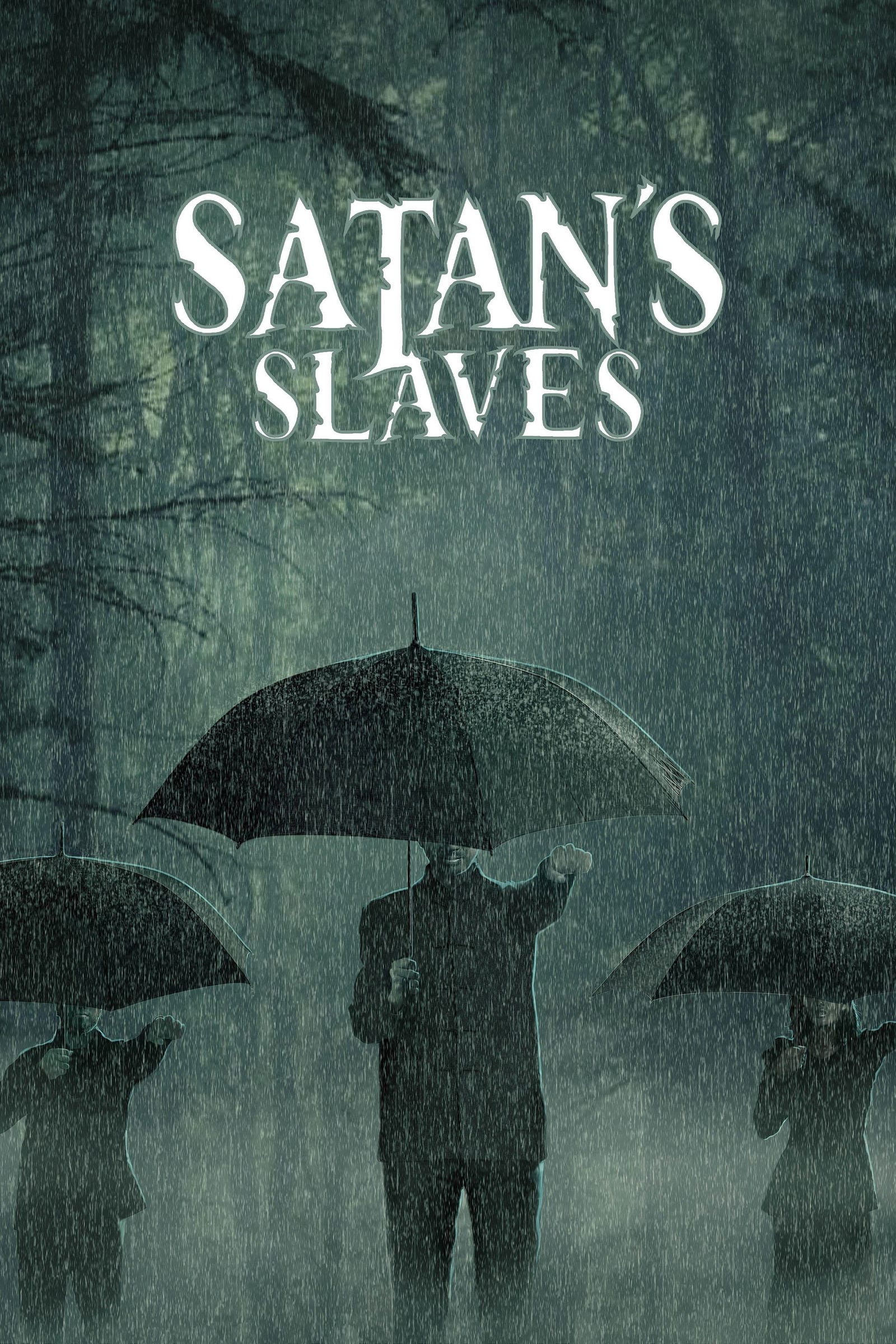
I staggered out of the cinema with that sticky, cloying sensation only the best horror films leave behind—the kind that clings to you even after the lights come up. Satan’s Slaves (2017), the Indonesian nightmare Joko Anwar vomited forth like a personal exorcism, isn’t just a movie: it’s a human endurance test. And damn, does it deliver. With a budget so laughable (a mere $2 million, per IMDb) and a cast that reeks of sweat and genuine dread, Anwar pulls off what few can: making you forget you’re staring at a screen. For two hours, that cursed house on the outskirts of Jakarta becomes your prison. And there’s no fucking escape hatch in sight.
The premise is as old as horror cinema itself: a family haunted by supernatural forces, a mother dying under suspicious circumstances, and a daughter—Rini, played by Tara Basro—who starts hearing whispers slithering through the walls. But Anwar isn’t content with regurgitating The Conjuring playbook. Here, there are no cheap jump scares or Halloween-costume demons. The terror in Satan’s Slaves is organic, like a fungus sprouting in the cracks of an abandoned house. The film breathes through its silences, through those long, lingering shots where the camera just watches, while the audience squirms in their seats, muttering, What the hell just happened?
The industrial context helps explain the film’s impact. Indonesia isn’t exactly a powerhouse of genre cinema, but in recent years, it’s shown signs of life with flicks like The Queen of Black Magic (2019) and Impetigore (2019), both produced by the same studio, Rapi Films. Satan’s Slaves, however, was a box-office earthquake: it raked in over $4 million in its home country alone, smashing records for a local horror film. The Indonesian audience, sick of Hollywood remakes, embraced this story like it was their own. And it was. Anwar doesn’t just direct—he claws the script into existence, blending Javanese folklore with the psychological terror of the ‘70s. The result is a film that reeks of incense and rot, like someone pried open a coffin mid-religious ceremony.
The shot that seared itself into my brain was Rini staring dead into the camera while her mother—already dead—whispers in her ear. No music, no sound effects, just Tara Basro’s face unraveling in real time. It’s a moment of pure terror, the kind that makes you want to cover your ears even though there’s nothing to hear. Anwar knows fear doesn’t need screams or orchestras: just a whisper at the wrong moment. And damn, does he exploit that.
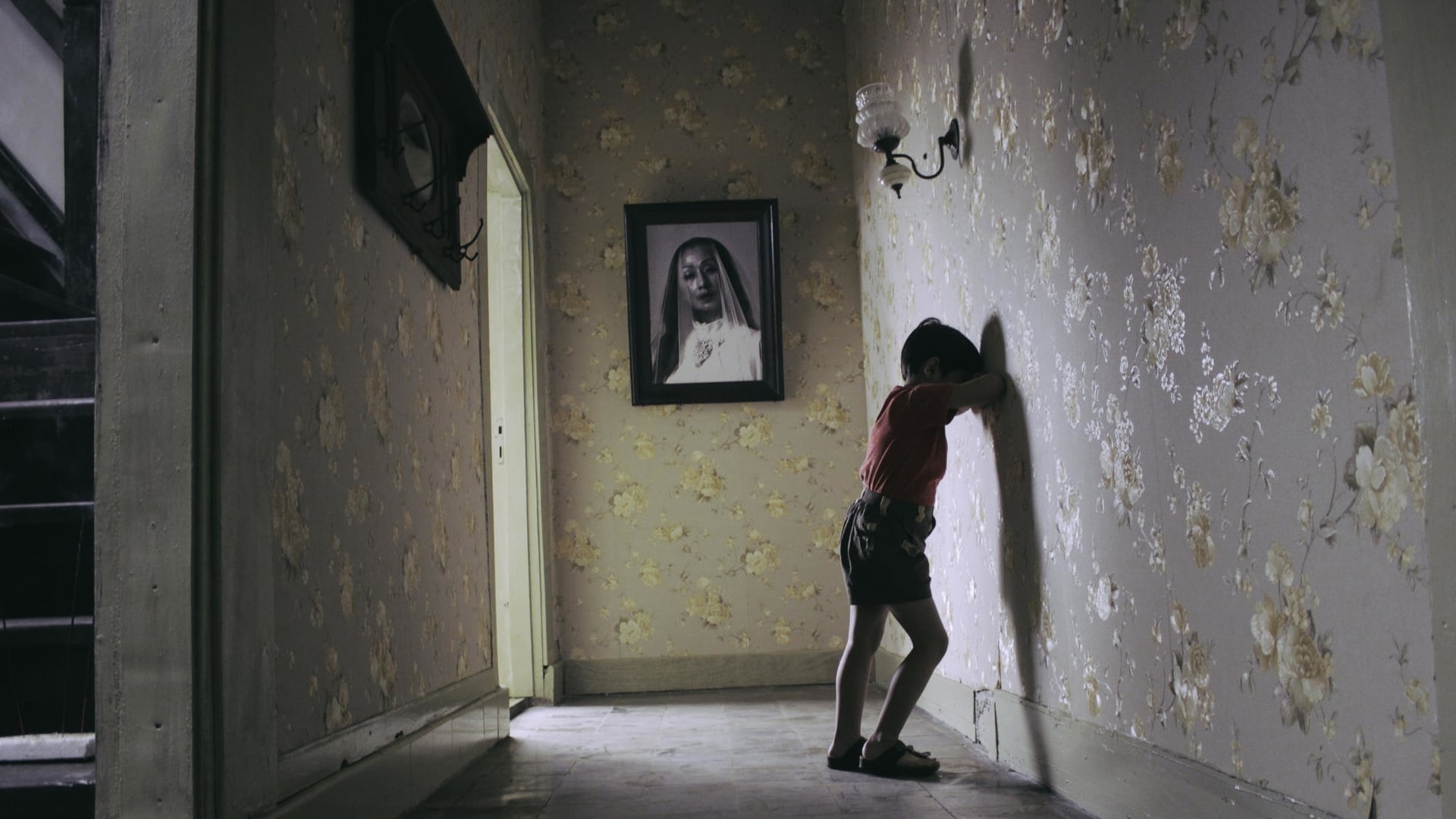
Direction and Mise-en-Scène: Joko Anwar, or How to Drown the Audience in Their Own Spit
Joko Anwar doesn’t direct—he chokes. His style is a cocktail of the best of Hereditary (Ari Aster) and The Wailing (Na Hong-jin), but with a grimy, VHS-pirate realism only someone raised on bootleg horror could conjure. Anwar isn’t afraid of long takes, of letting the camera linger on the horror unfolding in real time. In a pivotal scene, the entire family sits around the dinner table, eating in silence, while the tension swells like a balloon about to burst. Nothing happens. And yet, everything happens. The editing is flawless (courtesy of Arifin Cu’unk, an Indonesian cinema veteran), but what truly stuns is how Anwar metes out information. He doesn’t explain a damn thing. He tosses you into the deep end and waits to see if you’ll swim or sink.
Ical Tanjung’s cinematography is another high point. Tanjung, who also lensed The Raid (2011), knows how to play with darkness. The night scenes are drenched in sickly greens and blues, as if the house were bathed in bile. The interiors are claustrophobic, with tight framing that makes you feel trapped in a closet with the characters. And the exteriors—that Indonesian jungle encircling the house—are so lush they’re downright menacing. Nature isn’t just a backdrop here: it’s another character, one that watches, waits, and hungers.
But what truly elevates Satan’s Slaves is its sound. Aghi Narottama and Bemby Gusti’s score is minimalist but devastating: a few piano chords, the occasional percussion hit, and silence. So much silence. The ambient sound, though, is a nightmare: creaking wood, indecipherable whispers, the sound of something dragging itself across the floor. In one scene, Rini hears thumps on her bedroom ceiling. The camera doesn’t show a thing. Just the sound, growing louder, until you’re ready to scream. And then—cut. Anwar knows fear lives in what you don’t see, in what you imagine.
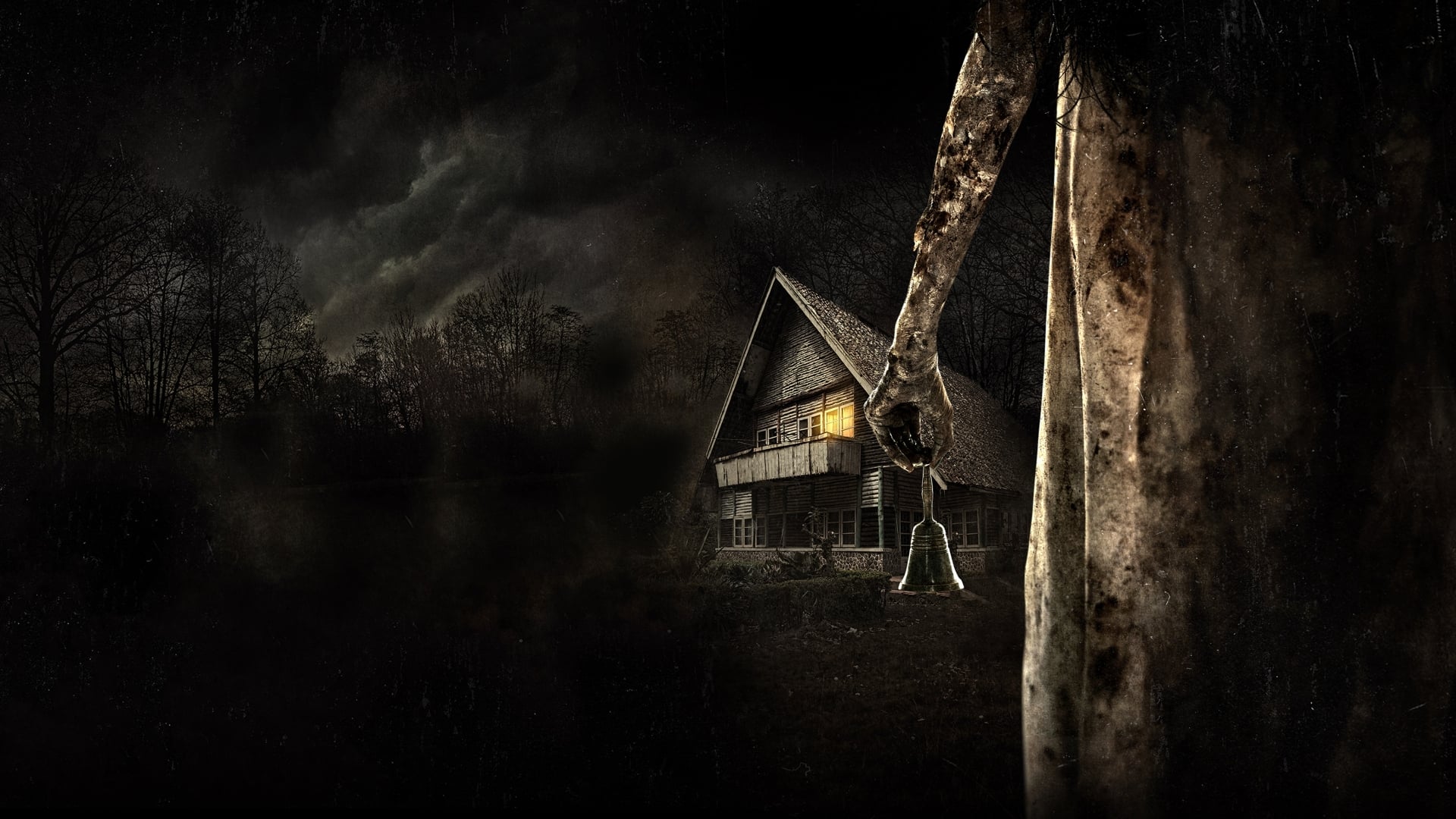
Performances: Tara Basro and the Art of Crying with Dry Eyes
Tara Basro is the reason this film works. Her portrayal of Rini is a masterclass in restraint. She doesn’t scream, doesn’t sob uncontrollably, doesn’t flail about. She just shatters, slowly, like porcelain dropped from a great height, breaking without a sound. There’s a moment when Rini discovers her mother, before dying, was tangled up in something dark. Basro doesn’t say a word. She just stares into the camera, her expression a cocktail of terror, betrayal, and something disturbingly like love. It’s chilling.
The rest of the cast holds their own. Bront Palarae, as Rini’s father, has a towering physical presence, but it’s his vulnerability that makes him compelling. When the character crumbles, he does so believably, without histrionics. The kids—especially little Ian (Muhammad Adhiyat)—are surprisingly well-directed. In one scene, Ian sees something in the mirror that paralyzes him. No music, no effects. Just the boy, wide-eyed, as the camera creeps in. That’s terror.
But the real revelation is Ayu Laksmi, who plays Rini’s mother in flashbacks. Laksmi has an almost supernatural presence, like she’s actually a ghost who clawed her way back from the grave. Her final scene, where she appears to Rini in a dream, is one of the film’s standout moments. No dialogue, just a look that says everything. Anwar knows sometimes words are superfluous.
The Technical: When the Devil’s in the Details
Anwar’s script is ruthless in its economy. No filler scenes, no unnecessary dialogue. Every line, every shot, every sound is there for a reason. But what truly impresses is how the film handles folklore. Indonesia has a rich tradition of myths and legends, and Anwar weaves them in without resorting to cheap exoticism. The pocong (ghosts wrapped in burial shrouds), the kuntilanak (spirits of women who died in childbirth), and other Javanese specters appear organically, like they’re part of the landscape. They’re not carnival freaks: they’re real threats, with their own rules and internal logic the film respects.
Vida Sylvia’s production design is another win. The house where most of the action unfolds is a character in its own right: dark, labyrinthine, stuffed with corners where something could lurk. The objects have weight, texture. When Rini finds her mother’s diary, you can almost feel the brittle paper between your fingers. When the family eats, the food looks real, not like plastic props. That’s immersion.
The score, as mentioned, is minimalist but effective. Narottama and Gusti avoid horror clichés (no screeching violins, no children’s choirs). Instead, they craft a soundscape reminiscent of The Witch (2015) or It Follows (2014). There’s a scene where Rini is in the bathroom, splashing water on her face, when suddenly she hears a whisper behind her. The music doesn’t swell, there’s no musical stinger. Just the sound of running water and that whisper. And then you realize you’ve stopped breathing.
The best
- Joko Anwar’s direction: A master of suspense who knows how to ration terror. No concessions, no breather moments. Every scene is calculated to leave you breathless.
- Tara Basro’s performance: A restrained but devastating turn. Basro doesn’t act fear—she lives it, and it shows.
- Ical Tanjung’s cinematography: A sickly color palette and claustrophobic framing that make you feel trapped in the same house as the characters.
- The sound design: Minimalist but effective. The silences are as important as the noises. And the whispers—dear God, the whispers.
- The script: No filler, no unnecessary scenes. Every line, every shot, every sound is there for a reason.
The worst
- Underdeveloped secondary characters: Rini’s father and older brother have potential, but that’s all it is—potential. They could’ve been more.
- Pacing in the second act: The film loses a bit of steam after the first climax. It’s not a disaster, but you can tell Anwar’s setting up for the third act.
- The final explanation: No spoilers, but the ending leaves some questions unanswered. Not a deal-breaker, but it could’ve been more satisfying.
The Verdict of Claqueta Ácida
Satan’s Slaves isn’t just a horror movie: it’s an experience. Joko Anwar has crafted something rare these days—a genre film that respects its audience. No cheap jump scares, no demons with shoddy CGI, no forced happy endings. Just raw, visceral, unrelenting terror. Tara Basro shines as an actress to watch, and Ical Tanjung’s cinematography is a masterclass in using darkness to breed fear. Is it perfect? No. It has its flaws, its predictable moments, its secondary characters left in the dust. But when a film leaves you with the sensation of being dragged through a river of black water, none of that matters. Satan’s Slaves is one of those movies that reminds you why horror remains cinema’s most honest genre. And damn, does it hurt. 💀
tweets_alternativos:
- "La dirección de Joko Anwar es un KO técnico en #SatansSlaves"
- "Las actuaciones en #SatansSlaves son directas al mentón, sin rodeos"
- "La productora CJ Entertainment acierta con #SatansSlaves, un golpe en el barro"
🎬 Tráiler Oficial
Abrir en YouTube
Theater Collateral Damage Report
Psychophysical impact certificate issued by Camilo K.O.
3 amagos en el tramo intermedio; pestañeo pesado en las transiciones más innecesarias.
Minuto 40 y minuto 79 (comprobando cuánto quedaba de suplicio).
2 espresso para no dejarse vencer por la mediocridad cómoda.
"A mitad del segundo acto cuando la subtrama secundaria empezó a pesar más de lo que aportaba."
💬 Community Verdict
What did you think of the film? Rate it from 0 to 10 to compare it with the editorial review.
You haven't voted yet
📢 ¿Te ha gustado el ácido?
Comparte esta crítica con tus amigos cinéfilos o desata la polémica en redes.
⚡ THE CINEMATIC VENOM YOUR INBOX CRAVES
No sugarcoated ratings, no corporate fluff. Subscribe for our uncensored weekly analysis or join the private Telegram for press previews, poll clashes, and instant alerts.
Alertas de estrenos en 1 segundo, encuestas en caliente y audios al salir de pases de prensa.
Recibe la dosis semanal en tu mail + regalo inmediato del PDF con 50 joyas ocultas de culto.
Related Reviews
Recommended autopsies for demanding film buffs.
 ⚡ Ácido Cítrico7.1
28 años después
⚡Afinidad temática directa en atmósfera, estilo y fijaciones visuales.
Una secuela que huele a podrido desde el primer fotograma. Garland y DaCosta intentan revivir el género, pero el resultado es un KO técnico disfrazado de obra maestra.
 ⚡ Ácido Cítrico5.8
**A Serbian Film: The Snuff That Thought It Was Art (and Ended Up a High-School Nightmare)**
⚡Afinidad temática directa en atmósfera, estilo y fijaciones visuales.
**Srđan Spasojević serves up a depravity feast swinging between gratuitous shock and social commentary. Genius or pretentious trash? Claqueta Ácida dissects it with surgical precision.**
 ⚡ Ácido Cítrico6.0
Adolescence, Sex, and Death at Camp Miasma: The Slasher That Reeks of Teen Sweat and a Recycled Script
⚡Afinidad temática directa en atmósfera, estilo y fijaciones visuales.
Jane Schoenbrun turns a summer camp into a dumpster fire of hormones and clichés. Art or autopsy of a dying subgenre?
Editorial Ecosystem
Cinephile connections, archive interviews and related analyses.
💬 Debate Cinéfilo & Autopsia de Lectores
0 veredictos¿Discrepas con nuestra nota? ¿Es una obra maestra o veneno puro? Deja tu veredicto abajo sin necesidad de registro.


Aún nadie ha dejado su veredicto para esta película.
Sé el primero en clavarle el colmillo rellenando el formulario de arriba.