The Companion — Drew Hancock and the Folk Horror We Didn’t Know We Needed (But Won’t Exactly Change Our Lives Either)
A folk thriller drenched in intoxicating atmosphere and solid performances, yet it lingers awkwardly between the poetic and the predictable. Drew Hancock makes a stylish debut—just don’t expect a revolution.

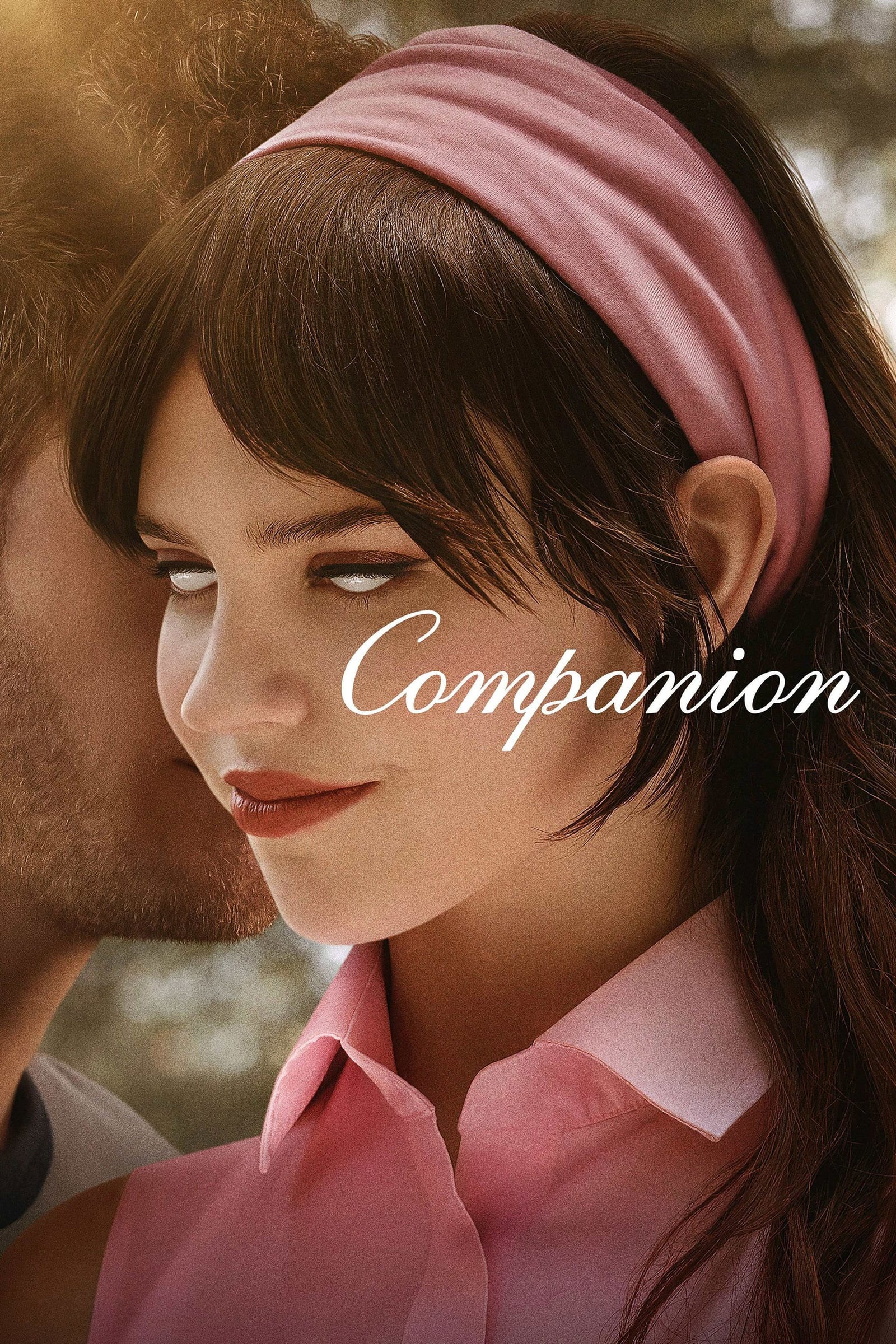

The lake glows under the moon like a shattered mirror, and Drew Hancock dares us to gaze into it. The Companion isn’t just a film; it’s an incantation. A weekend at a lakeside estate, a dead billionaire, and a group of friends who realize—far too late—that the woods harbor secrets older than money. Hancock, a name hitherto echoing only in indie short-film circles, makes his feature debut with a concoction that reeks of damp earth, smoldering herbs, and something that definitely shouldn’t be there. It’s not Midsommar, nor The Witch, but it guzzles from the same well: folk horror as a pretext to excavate the rot beneath friendship and capitalism. The problem? Sometimes it skims the surface, as if afraid to get its hands truly dirty.
The shoot, per Hancock’s own admissions, unfolded at a real location by Lake Tahoe, Nevada. A place so achingly beautiful it hurts, yet so isolated the actors confessed to genuine unease spending nights there. «It wasn’t just the mosquitoes,» Sophie Thatcher quipped in an interview. «It was like the forest was watching us.» That collective paranoia seeps into every frame, thanks in part to cinematographer Eli Born, a frequent collaborator with directors like Ari Aster. Born doesn’t just illuminate; he sculpts darkness, making every shadow feel like an omen. Here’s the kicker: the budget, though modest (estimated at $5 million), doesn’t scream poverty on screen. No cheap digital effects, no cardboard sets. Everything breathes authenticity, from the house’s furniture to the characters’ wardrobes, which look plucked from a 1970s flea market. New Line Cinema, the producer, granted creative freedom—with limits. And it shows.
The script, penned by Hancock himself, flaunts flashes of brilliance. The billionaire’s death isn’t just a MacGuffin; it’s the spark for a series of revelations that strip the characters bare, leaving them raw. Iris (Sophie Thatcher) is the titular companion, a young woman employed by the deceased with a strange tie to the estate. She’s neither hero nor villain; she’s a mirror in which the others glimpse reflections they’d rather not see. Thatcher, who already proved her mettle in The Boogeyman and Yellowjackets, nails the role. There’s a scene where, under an oil lamp’s glow, her face morphs into something almost supernatural. No makeup trickery—just pure, unadulterated acting. The issue? The rest of the cast isn’t always up to snuff. Jack Quaid and Lukas Gage do their best with characters who occasionally feel lifted from an indie-film cliché manual: the skeptic, the joker, the know-it-all. Harvey Guillén, however, steals every scene he graces, even in a supporting role. His character, an estate employee with a murky past, is the only one who feels layered.
But The Companion isn’t just a character study. It’s a sensory experience. The sound design, helmed by a team that worked on Hereditary, toys with silence and ambient noise to craft an oppressive atmosphere. The wind through the trees, the crack of branches, the hum of insects—everything’s amplified, as if the forest itself is breathing. The editing, though, is inconsistent. Some sequences flow with hypnotic elegance, like the long take of Iris walking through the woods at dawn, while others feel rushed, as if Hancock feared the audience’s attention span might snap. It’s a shame, because when the film takes its time, that’s when it hurts.
Direction and Mise-en-Scène: The Forest as a Character
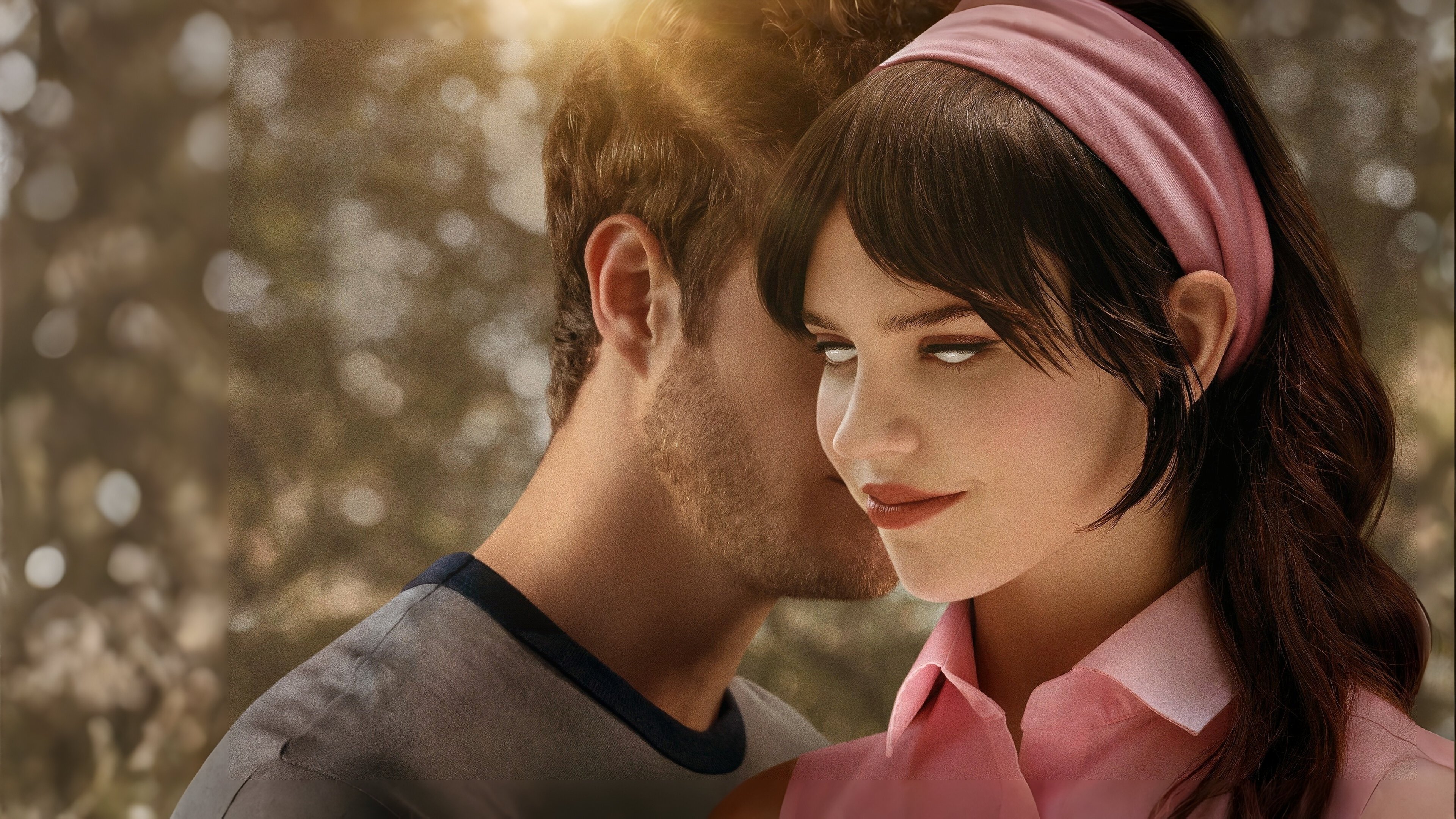
Drew Hancock proves he knows what he’s doing behind the camera, but he’s still ironing out the kinks. His greatest triumph? Turning the forest into a character—almost an extension of Iris. It’s not a backdrop; it’s a living, breathing, judgmental entity. There’s a shot where the camera lingers on a tree while the characters argue in the background. It’s not groundbreaking, but Hancock wields it with intent: a reminder that, no matter what happens, nature always wins. The problem? Sometimes the direction veers into the literal. There’s a moment when a character stumbles upon a symbol carved into a tree, and the camera lingers like it’s a neon sign. It’s as if Hancock doesn’t trust the audience to catch the metaphor.
The work with actors is uneven. Sophie Thatcher is a force of nature, but the rest of the cast seems adrift in comparison. Jack Quaid, for instance, occasionally dips into caricature, as if he’s starring in a completely different film. Lukas Gage, though, conveys a vulnerability that clashes with his imposing physique. The real discovery, however, is Megan Suri, who plays the group’s rational friend. Her character is the most human, and Suri infuses her with a depth the script doesn’t always provide.
Screenplay: Poetic Yet Predictable
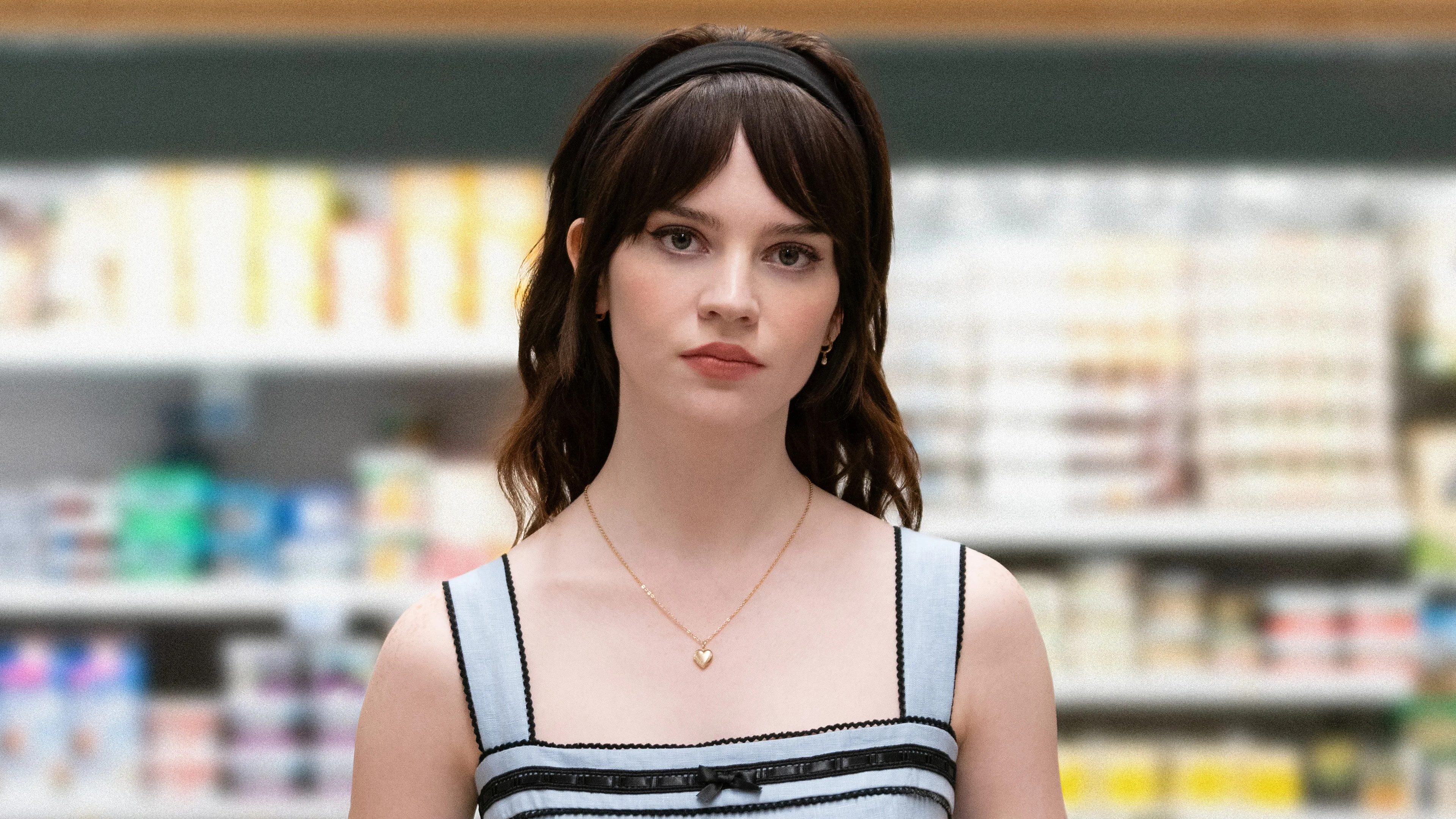
The Companion’s biggest flaw is its struggle to balance poetry with originality. In its eagerness to be lyrical, it sometimes forgets to be fresh. Dialogue veers into folk-horror clichés («The forest always demands something in return»), and plot twists are telegraphed miles ahead. Hancock has good ideas but lacks the guts to push them to their logical extremes. For example, a subplot about the estate’s history could’ve been a goldmine, but it’s resolved hastily, as if the director was racing toward the climax. That said, when the script hits its mark, it hits. There’s a scene where Iris and Rupert Friend’s character converse by the lake, and the tension is so thick you’d swear the water was about to boil. Friend, by the way, is magnificent as the enigmatic, dangerous man. He’s not a typical villain; he’s made peace with his demons, which makes him all the more terrifying.
The best
- The cinematography of Eli Born: Every frame is a painting. Born manipulates natural light like a sorcerer, making the forest feel like a dream and a nightmare in one. There’s a moment where Iris walks through the trees at dusk, and the golden light filters through the leaves like honey. Hypnotic.
Sophie Thatcher: It’s not just that she acts well; she transforms every scene she’s in. There’s a look she gives when she discovers something in the woods—a look that made my skin crawl. Thatcher doesn’t play Iris; she embodies* her, as if she’s been waiting years to tell this story.
- The sound design: The sound team has crafted an ambient score almost as vital as the music. The wind, the insects, the crack of branches—it’s all engineered to fray your nerves. There’s a scene where the silence is so absolute it feels like the world has stopped.
The atmosphere: The Companion isn’t a film of cheap scares, but its atmosphere clings to you like a second skin. It’s as if the air itself is laced with something malevolent, something you can’t see but know* is there.
The worst
- Secondary characters: With the exception of Harvey Guillén and Megan Suri, the rest of the cast feels plucked from a beginner’s screenwriting workshop. Jack Quaid, in particular, occasionally veers into the ridiculous. It’s like he’s in a rom-com instead of a folk thriller.
Uneven pacing: Some sequences feel rushed, as if Hancock feared the audience might nod off. The editing doesn’t help, with cuts that sometimes deflate tension instead of building it. It’s a pity, because when the film slows down, that’s when it stings*.
Predictable ending: No spoilers, but The Companion*’s climax is exactly what you’d expect. Hancock has good ideas but lacks the courage to subvert expectations. It’s as if he wrote the ending with the audience’s desires in mind, not the story’s needs.
Some dialogue: There are lines that scream «folk horror 101,» as if Hancock binge-watched The Witch* one too many times. «The forest always demands something in return» is a prime example. It might’ve worked elsewhere, but here it just feels like a cliché.
The Verdict of Claqueta Ácida
The Companion leaves a bittersweet aftertaste. Drew Hancock proves he’s got talent, knows how to craft atmospheres, and can coax career-best performances from actors like Sophie Thatcher. But it’s also a film that pulls its punches, as if afraid to get its hands truly dirty. It’s no masterpiece, nor does it need to be, but it’s proof that folk horror is still kicking—even if it occasionally limps. If you’re after a film that’ll raise the hairs on your neck and linger in your thoughts, here it is. If you’re hunting for something revolutionary, keep searching. The forest always demands something in return, but in this case, all it takes is a couple of hours of your time. And damn, are they worth it. 💀
tweets_alternativos:
- "@drew_hancock demuestra que el terror rural no necesita jump scares para erizar la piel. La acompañante es un susurro que se convierte en grito. ¿Por qué nadie habla de esto?"
🎬 Tráiler Oficial
Abrir en YouTube
Theater Collateral Damage Report
Psychophysical impact certificate issued by Lúa Ácida
1 amago en el tramo intermedio; pestañeo pesado en las transiciones más innecesarias.
Minuto 44 y minuto 78 (comprobando cuánto quedaba de suplicio).
2 espressos para no dejarse vencer por la mediocridad cómoda.
"A mitad del segundo acto cuando la subtrama secundaria empezó a pesar más de lo que aportaba."
💬 Community Verdict
What did you think of the film? Rate it from 0 to 10 to compare it with the editorial review.
You haven't voted yet
📢 ¿Te ha gustado el ácido?
Comparte esta crítica con tus amigos cinéfilos o desata la polémica en redes.
⚡ THE CINEMATIC VENOM YOUR INBOX CRAVES
No sugarcoated ratings, no corporate fluff. Subscribe for our uncensored weekly analysis or join the private Telegram for press previews, poll clashes, and instant alerts.
Alertas de estrenos en 1 segundo, encuestas en caliente y audios al salir de pases de prensa.
Recibe la dosis semanal en tu mail + regalo inmediato del PDF con 50 joyas ocultas de culto.
Related Reviews
Recommended autopsies for demanding film buffs.
 ⚡ Ácido Cítrico7.1
28 años después
⚡Afinidad temática directa en atmósfera, estilo y fijaciones visuales.
Una secuela que huele a podrido desde el primer fotograma. Garland y DaCosta intentan revivir el género, pero el resultado es un KO técnico disfrazado de obra maestra.
 ⚡ Ácido Cítrico5.8
**A Serbian Film: The Snuff That Thought It Was Art (and Ended Up a High-School Nightmare)**
⚡Afinidad temática directa en atmósfera, estilo y fijaciones visuales.
**Srđan Spasojević serves up a depravity feast swinging between gratuitous shock and social commentary. Genius or pretentious trash? Claqueta Ácida dissects it with surgical precision.**
 ⚡ Ácido Cítrico6.0
Adolescence, Sex, and Death at Camp Miasma: The Slasher That Reeks of Teen Sweat and a Recycled Script
⚡Afinidad temática directa en atmósfera, estilo y fijaciones visuales.
Jane Schoenbrun turns a summer camp into a dumpster fire of hormones and clichés. Art or autopsy of a dying subgenre?
Editorial Ecosystem
Cinephile connections, archive interviews and related analyses.
💬 Debate Cinéfilo & Autopsia de Lectores
0 veredictos¿Discrepas con nuestra nota? ¿Es una obra maestra o veneno puro? Deja tu veredicto abajo sin necesidad de registro.


Aún nadie ha dejado su veredicto para esta película.
Sé el primero en clavarle el colmillo rellenando el formulario de arriba.